
Wooded Landscape with Travelers — History & Facts
What first catches the eye in Wooded Landscape with Travelers is the way a single, broken tree trunk commands the foreground, its jagged silhouette thrusting upward as if to mark a boundary between the shadowed earth and the luminous sky. The fallen branches and tangled undergrowth beneath it seem to slow the pace of the figures gathered below—a small group of travelers, pausing in the hush of the woods. Their gestures and postures suggest quiet conversation or rest, while further along the winding path, more figures cross a sunlit clearing, their movement drawing the gaze deeper into the painted world.
Light filters through the canopy, picking out the russet leaves and the pale faces, guiding the viewer’s attention from the intimate foreground to the open, cloud-filled sky. The palette—rich browns, deep greens, and soft blues—conjures the coolness and shelter of the forest, but also the promise of distance and journey. Painted in the late 1640s, this work belongs to a moment in Dutch art when landscapes were not just backgrounds, but destinations in themselves—celebrations of nature’s variety and the rhythms of daily life. Artists like Adam Pijnacker responded to a growing demand from merchants and burghers for scenes that offered both escape and recognition: familiar woods, imagined with an almost theatrical sense of space and light.
Though little is recorded about the specific history of this painting, now in the collection of the National Gallery of Art, its subject and style speak to a broader shift in seventeenth-century taste, when the landscape became a stage for human presence and passage. The painting invites the viewer to linger, following the path from shadow to sunlight, and to imagine their own journey into the heart of the woods.
More Artworks by Adam Pijnacker

Italianate River Landscape
Adam Pijnacker
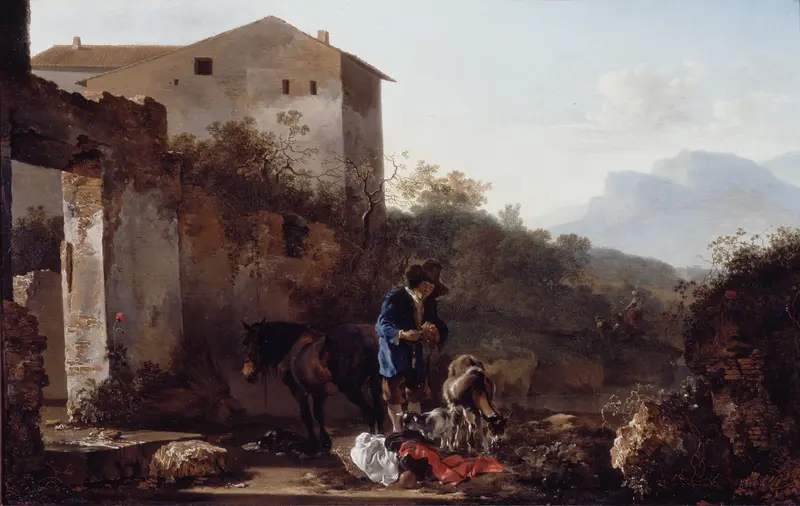
Landscape with a Goatherd
Adam Pijnacker
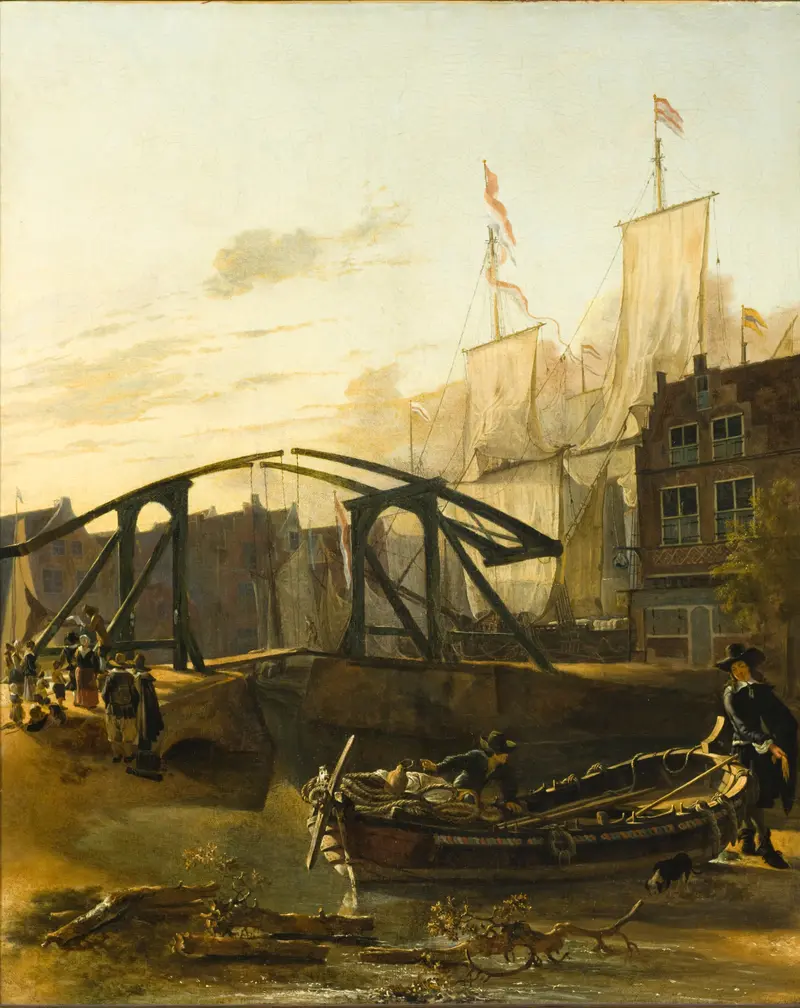
View of a Harbor in Schiedam
Adam Pijnacker
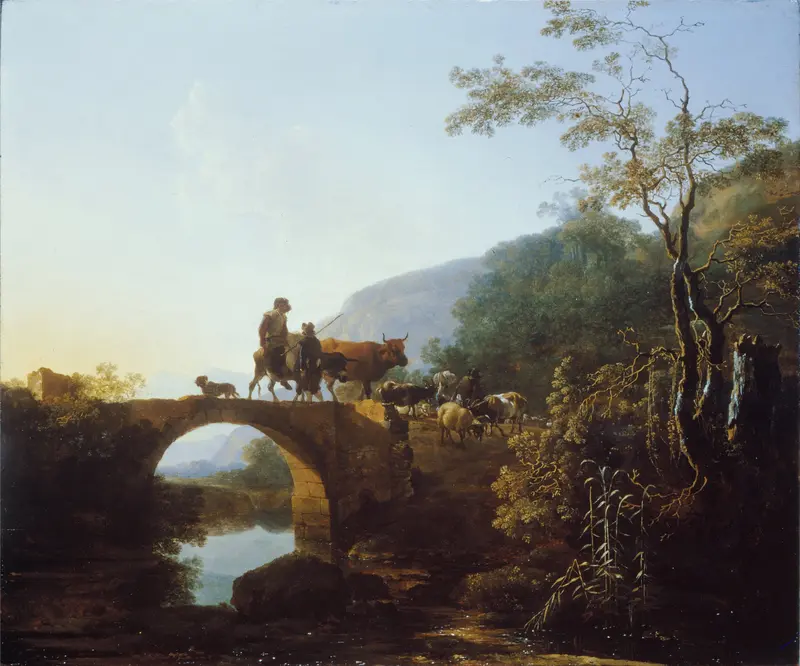
Bridge in an Italian Landscape
Adam Pijnacker
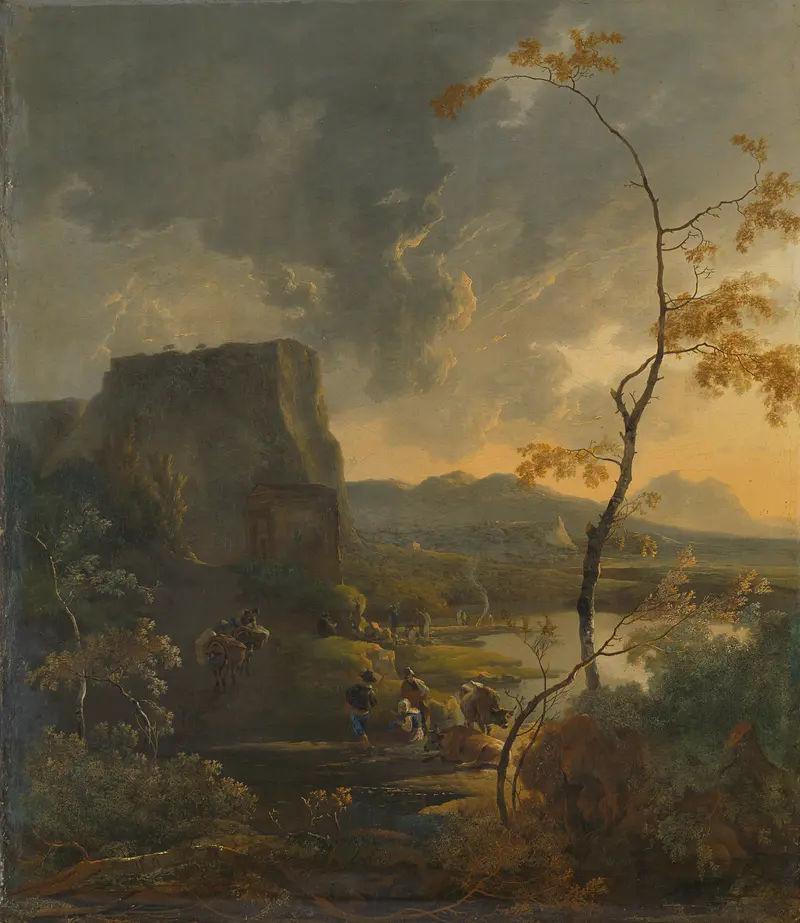
Italian Landscape with Ancient Tempietto
Adam Pijnacker
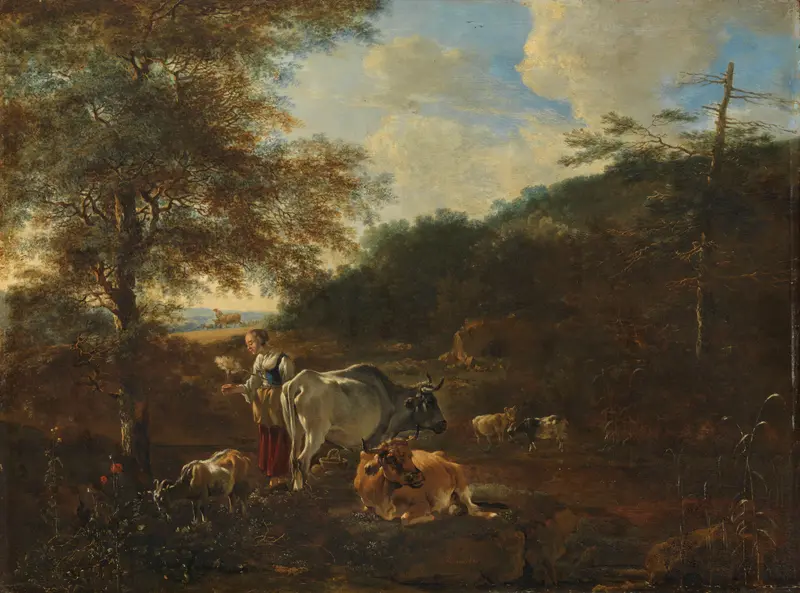
Landscape with cattle
Adam Pijnacker
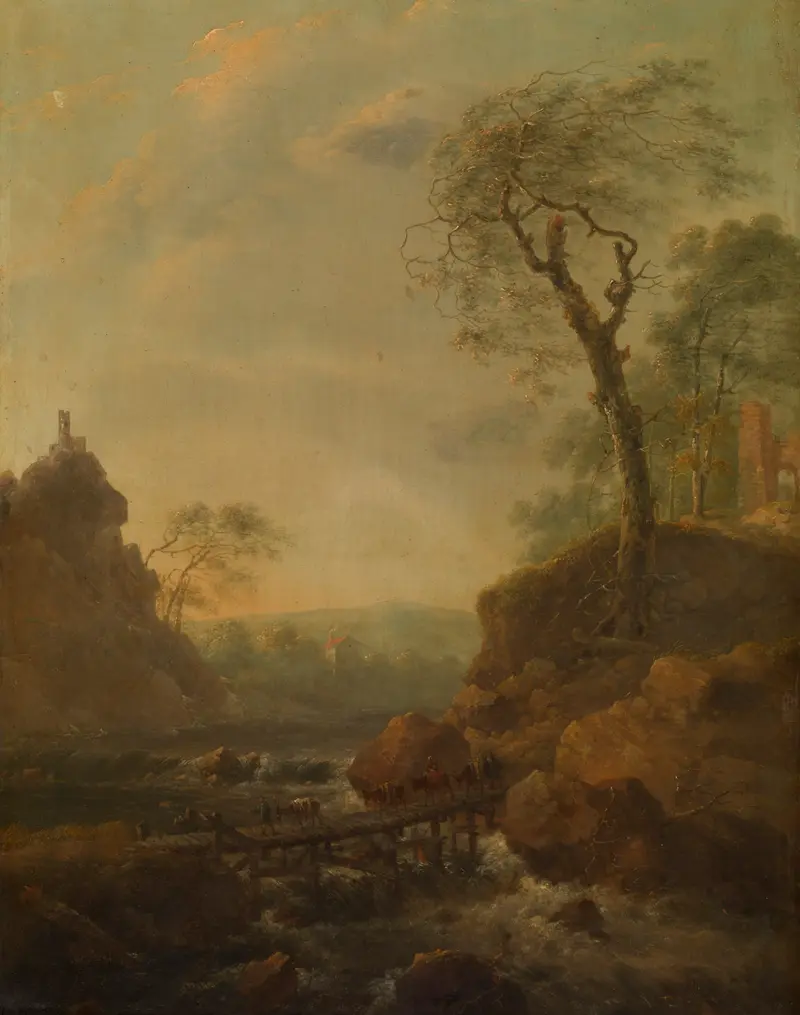
Landscape
Adam Pijnacker
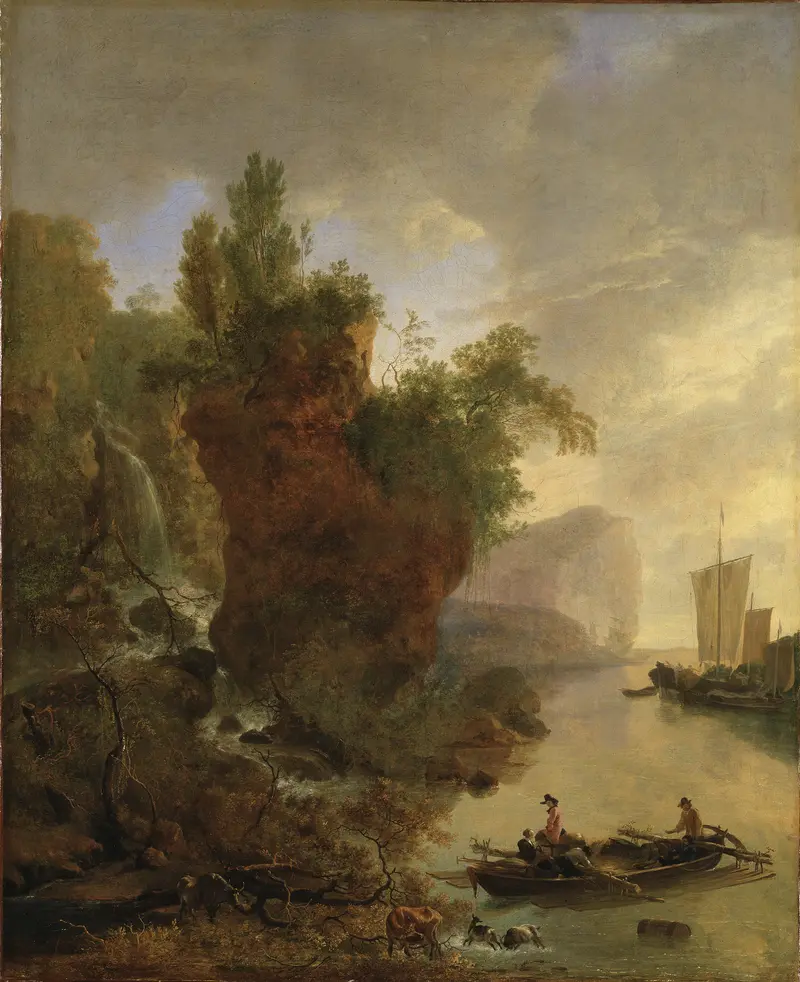
Bay with a Rocky Coast
Adam Pijnacker
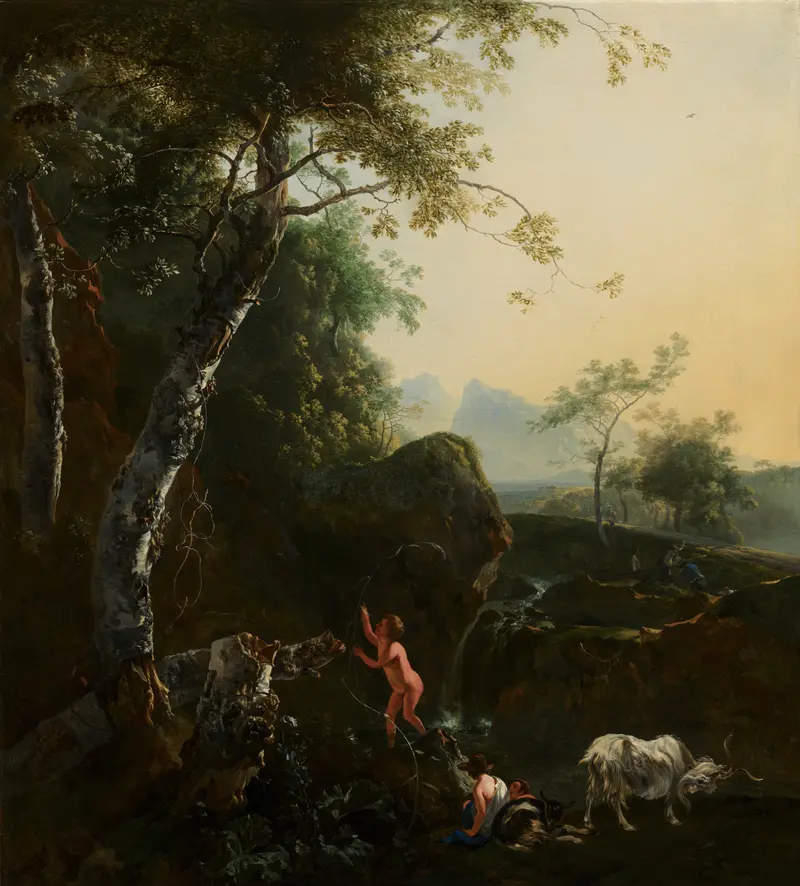
Mountainous Landscape with Waterfall
Adam Pijnacker
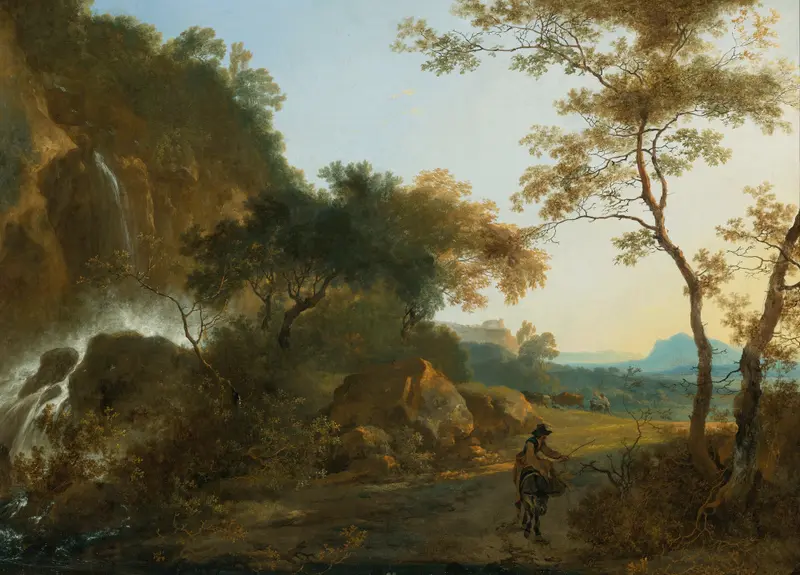
An Italianate Landscape With A Traveller On A Path By A Waterfall
Adam Pijnacker
More Landscape Art

The Starry Night
Vincent van Gogh

View of Delft
Johannes Vermeer

Water Lilies
Claude Monet

The Grand Canal, Venice, looking north-west from the Ca' Corner to the Ca' Contarini degli Scrigni, with the campanile of Santa Maria della Carità
Canaletto

Windsor Castle
Canaletto

The Grand Canal looking North-East from the Palazzo Dolfin-Manin to the Rialto Bridge
Canaletto