
Wooden bridge on the Mohawk River, Schenectady U.S. July 20th 1846 — History & Facts
Could a single brushstroke hold eternity? In the delicate interplay of color and form, innocence is captured, echoing the simplicity of a moment that feels both transient and timeless. Look to the center of the canvas, where the wooden bridge stretches gracefully over the Mohawk River. Notice how the warm browns of the timber contrast with the cool blues and greens of the water and surrounding foliage. The light dances across the surface of the river, creating a shimmering reflection that beckons the eye.
The artist's precise brushwork delineates each plank with care, inviting viewers to wander across this bridge, both physically and emotionally. Beneath the tranquil surface lies a poignant tension. The bridge, while a symbol of connection, also signifies the passage from innocence to experience—a reminder of impermanence in nature. The soft edges of the trees and the gentle ripples in the water suggest a fleeting moment, evoking nostalgia for a simpler time.
This duality resonates within the viewer, inviting contemplation of both the natural beauty and the inevitable changes that life brings. In July 1846, Michael Seymour painted this scene in Schenectady, a period marked by rapid industrialization in America. As artists grappled with the transformation of their landscapes, Seymour's focus on serene natural beauty reflects a yearning for connection to a pastoral past. This work emerged in a time when the Romantic movement was gaining momentum, emphasizing emotion and the sublime qualities of nature.
More Artworks by Michael Seymour
Browse all →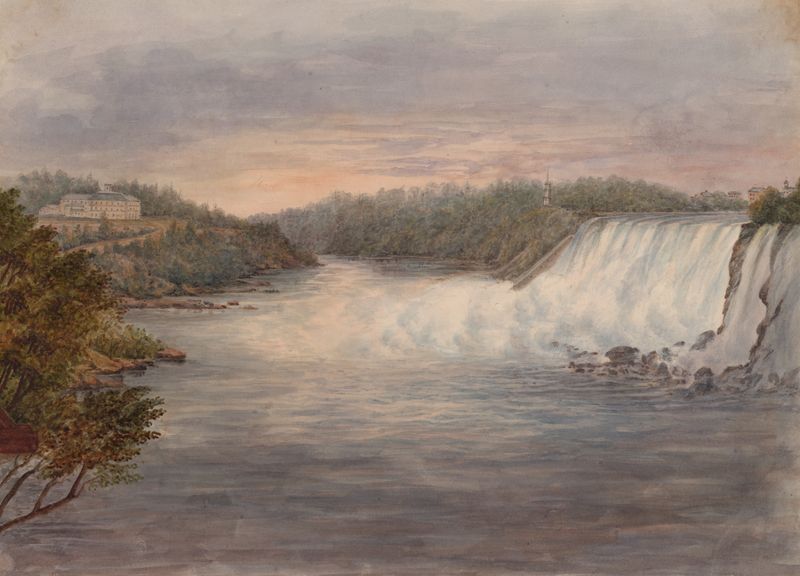
Clifton House & Niagara, Monday, July 22d, 1846, from above the Stair – Table Rock
Michael Seymour
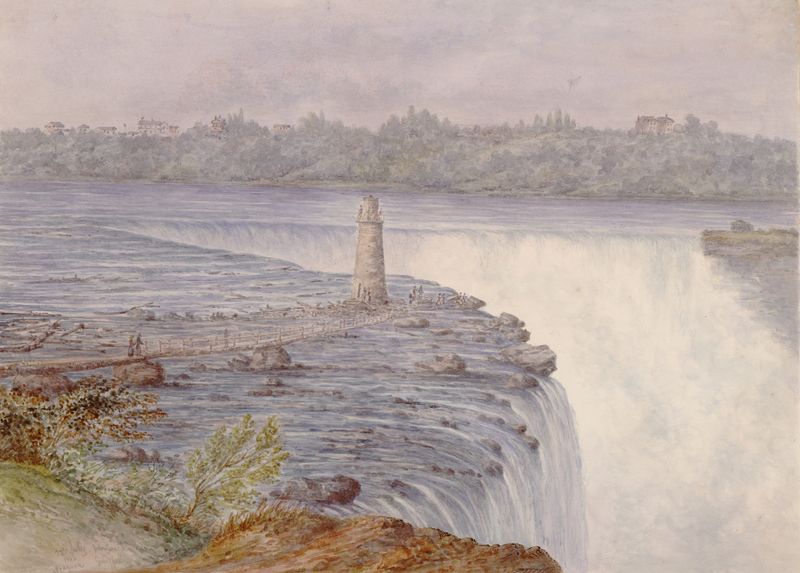
Grand Falls at Niagara from near the observatory, Goat Island, July 22, 1846
Michael Seymour
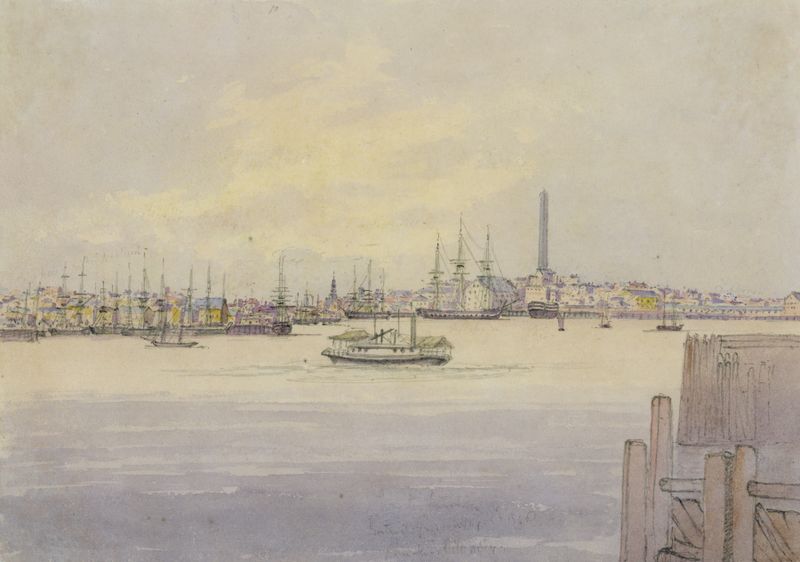
From the Cambria steamer, starting from Boston, U.S. Bunker’s Hill Monument
Michael Seymour

The Highlands from Newburgh and Butter Hill, Hudson River
Michael Seymour
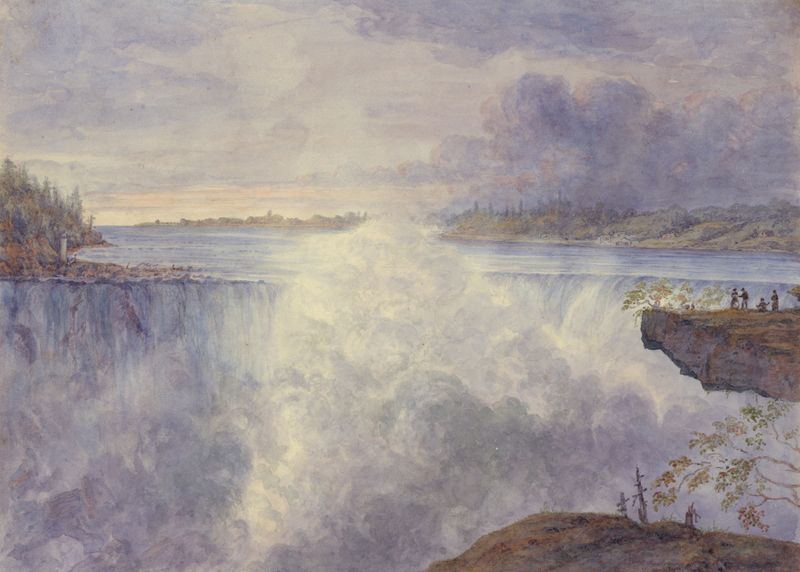
Grand Falls at Niagara from near the Table Rock, Canada side, July 22, 1846
Michael Seymour
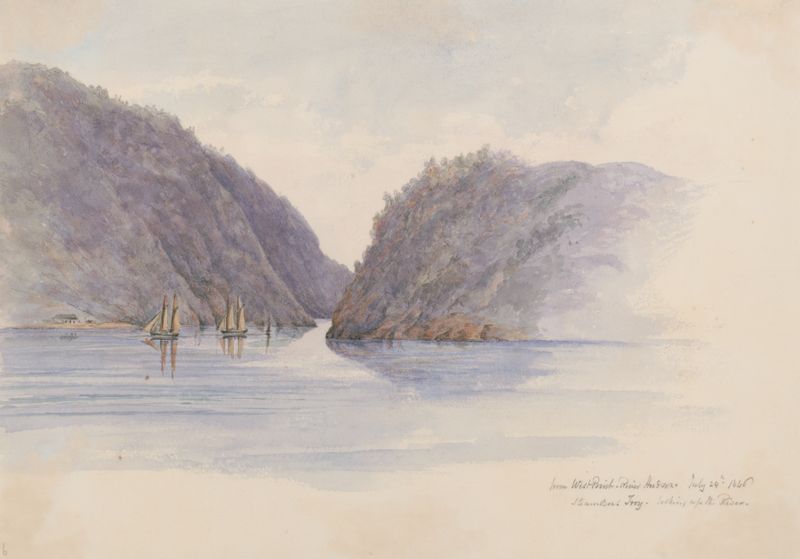
Looking up the Hudson from West Point U.S. July 24th 1846
Michael Seymour
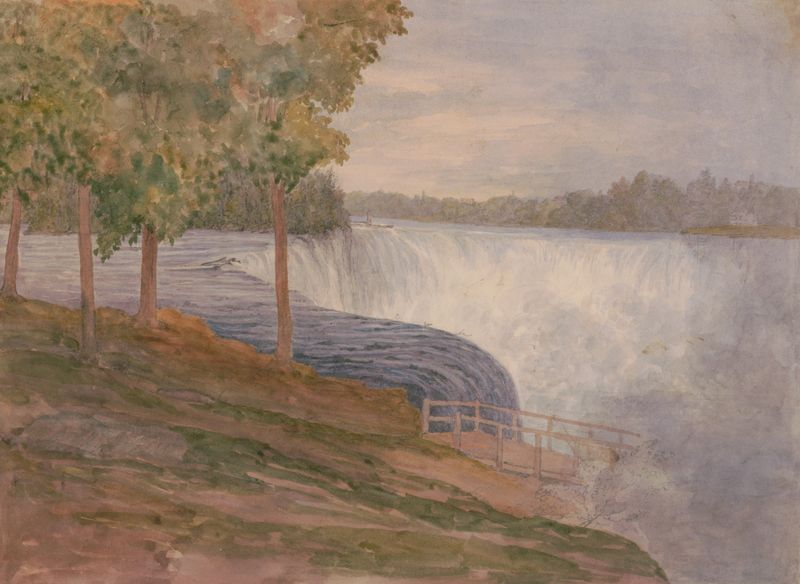
First sight of falls of Niagara before descending the ferry stairs, Wednesday July 22nd 1846
Michael Seymour

Approaching West Point, going down the Hudson, July 24, 1846
Michael Seymour
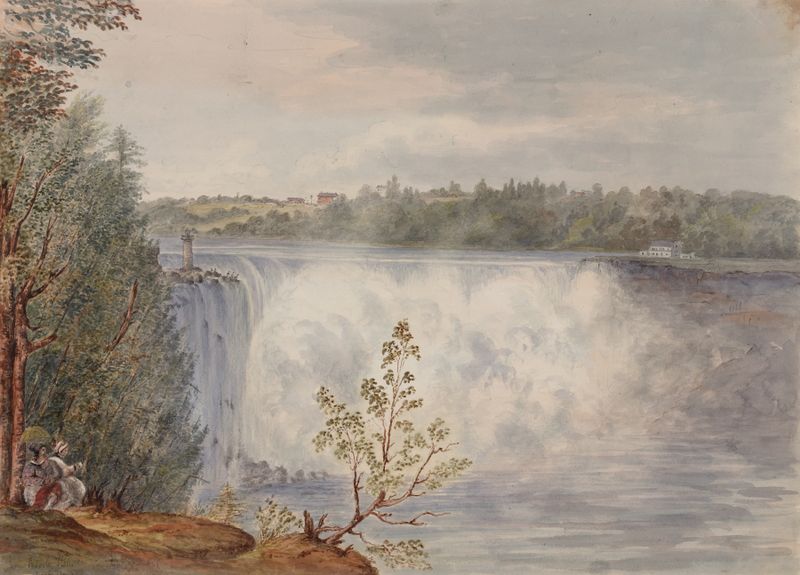
Biddle Stair, Goat Island, July 22, 1846
Michael Seymour
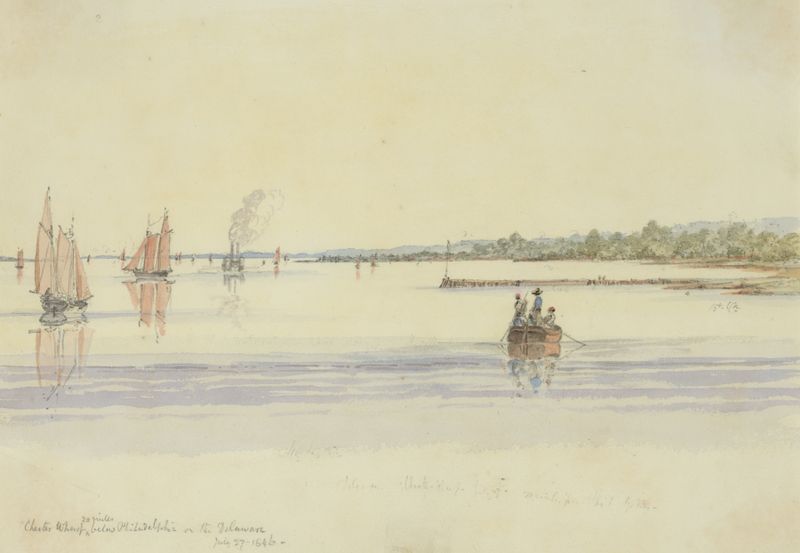
Chester Wharf 20 miles below Philadelphia on the Delaware, July 27, 1846
Michael Seymour





