
Wooden Marsh Landscape with Dead Tree — History & Facts
In the stillness of a forgotten landscape, the weight of absence looms large, inviting introspection. A solitary dead tree stands sentinel, its gnarled branches reaching toward a silent sky, embodying the profound emptiness that echoes through the scene. Look to the center where the lifeless trunk rises, stark against the surrounding marshland. Notice how the muted greens and browns create a somber palette, casting shadows that stretch like memories across the water.
The brushwork is both delicate and assertive, leading your gaze around the composition, guiding you through the quiet desolation. The horizon fades into a soft gray, emphasizing the isolation and stillness that permeates this landscape. In the heart of this painting lies a poignant juxtaposition of vitality and decay. The dead tree symbolizes the inevitable passage of time, a reminder that all life must yield to the earth.
Meanwhile, the serene water reflects the sky’s melancholy hues, hinting at the cyclical nature of existence. As you absorb the details, the interplay between the vigorous brushstrokes and the lifeless subject evokes a bittersweet tension—beauty intertwined with sorrow. Created in 1665, this work emerged during a period when the Dutch Golden Age was flourishing, and artists like van Ruisdael were exploring the depths of landscape painting. At this time, he was living in Haarlem, a city steeped in artistic innovation, yet facing the complexities of a changing world.
The artist's focus on nature’s impermanence reflects both personal and societal contemplations, merging the external landscape with internal emotional landscapes.
More Artworks by Jacob van Ruisdael
Browse all →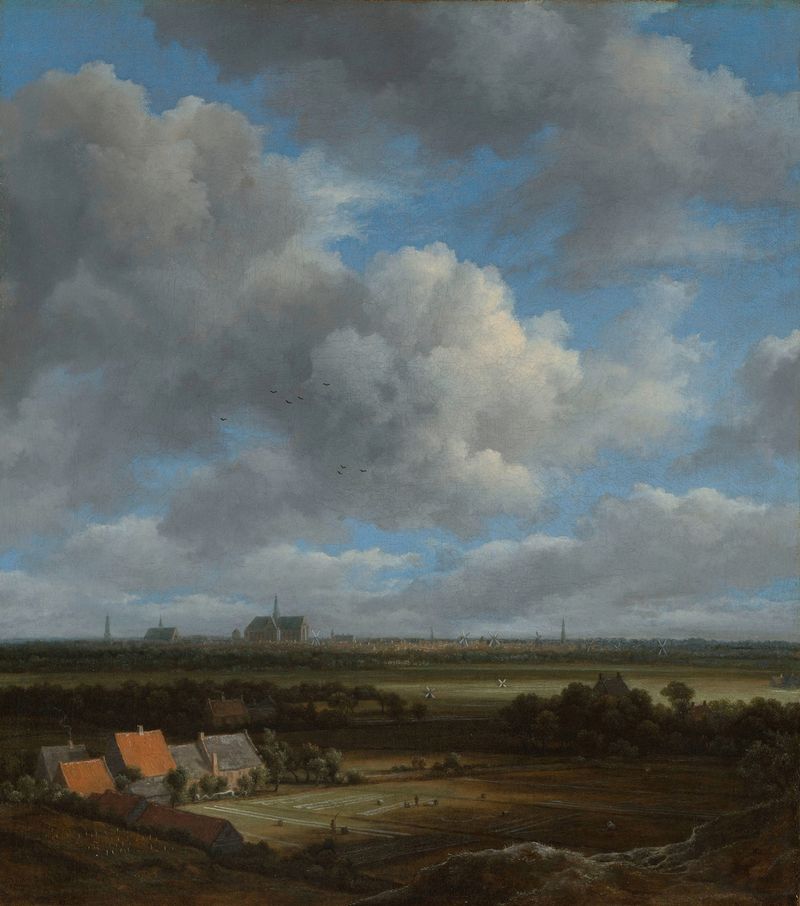
View of Haarlem from the Northwest, with the Bleaching Fields in the Foreground
Jacob van Ruisdael
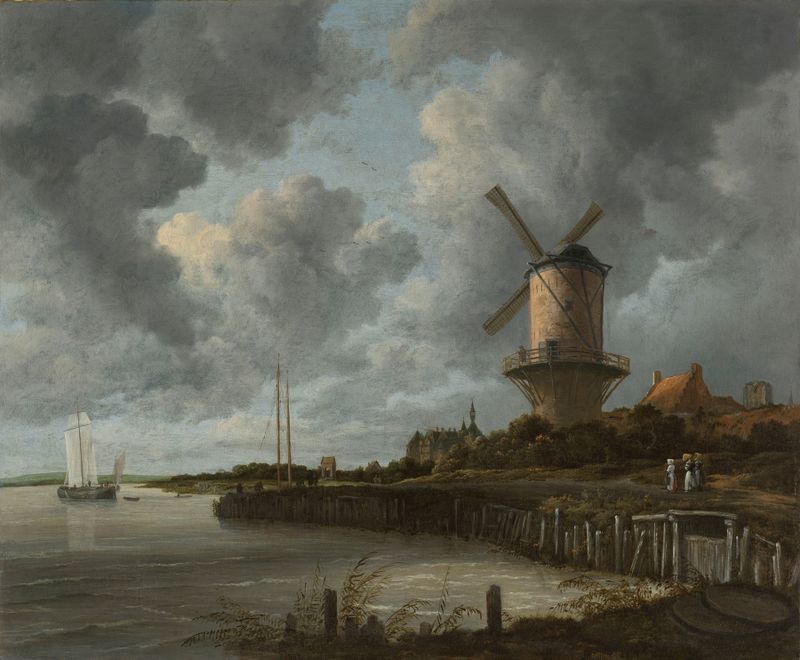
The Windmill at Wijk bij Duurstede
Jacob van Ruisdael
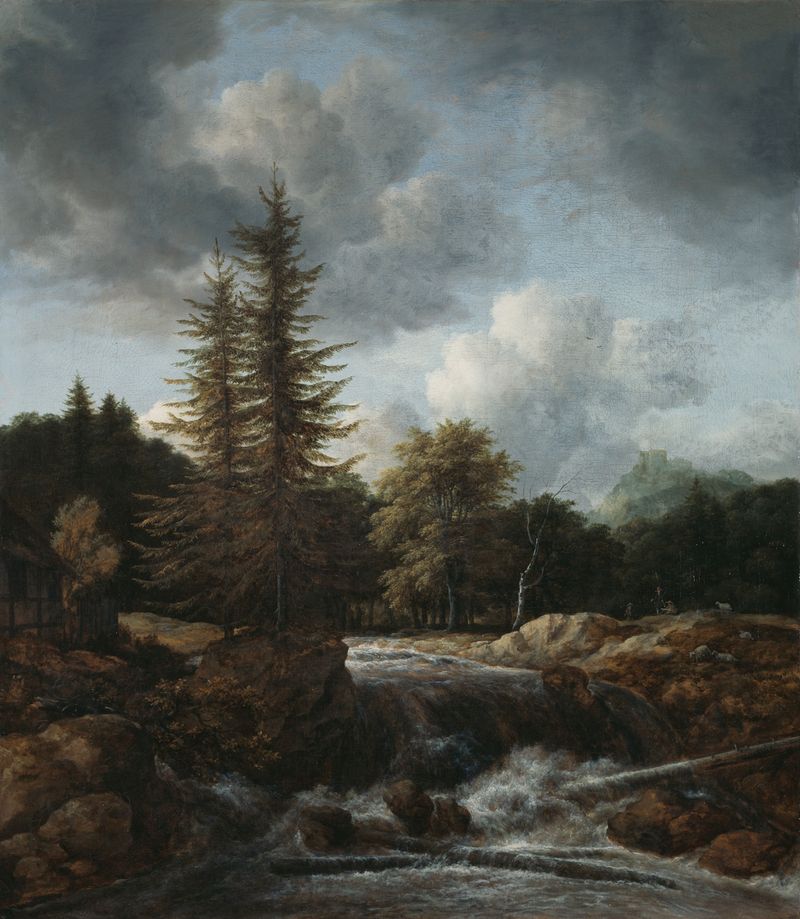
Landscape with Waterfall
Jacob van Ruisdael
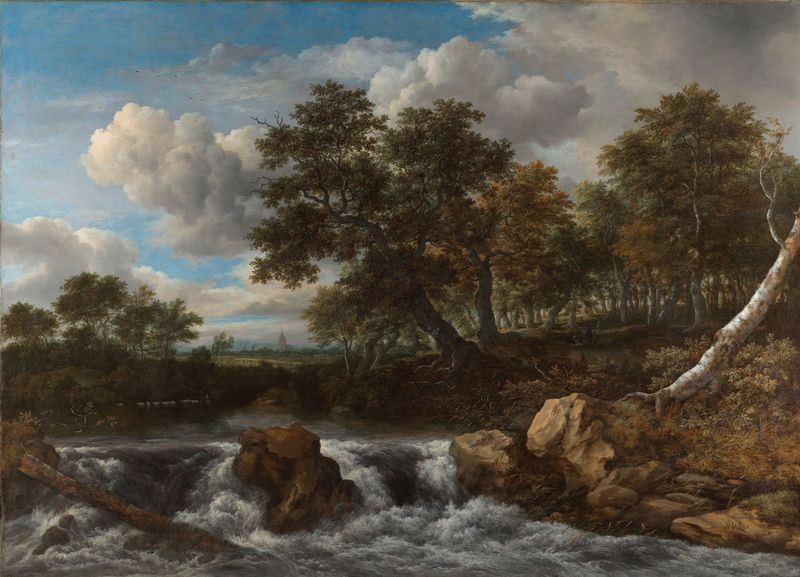
Landscape with Waterfall
Jacob van Ruisdael
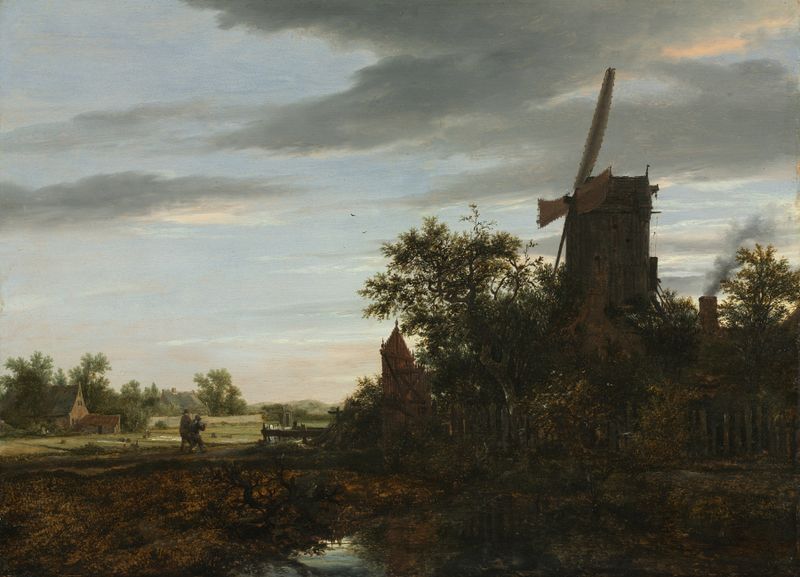
Landscape with a Windmill
Jacob van Ruisdael

Wooded hillside with a view of Bentheim Castle
Jacob van Ruisdael
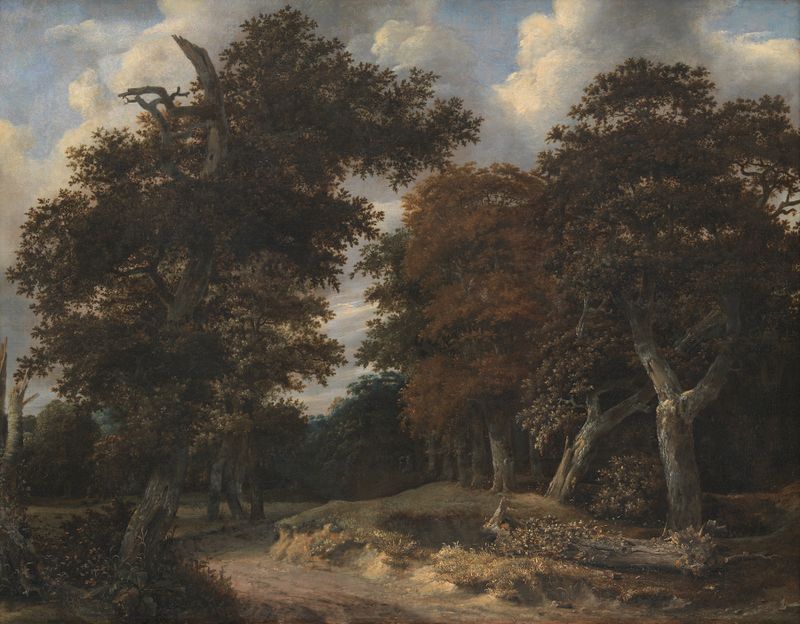
Road through an Oak Forest
Jacob van Ruisdael

Landscape with a Church
Jacob van Ruisdael

The Forest Stream
Jacob van Ruisdael

The Jewish Cemetery
Jacob van Ruisdael





