
Woody Landscape — History & Facts
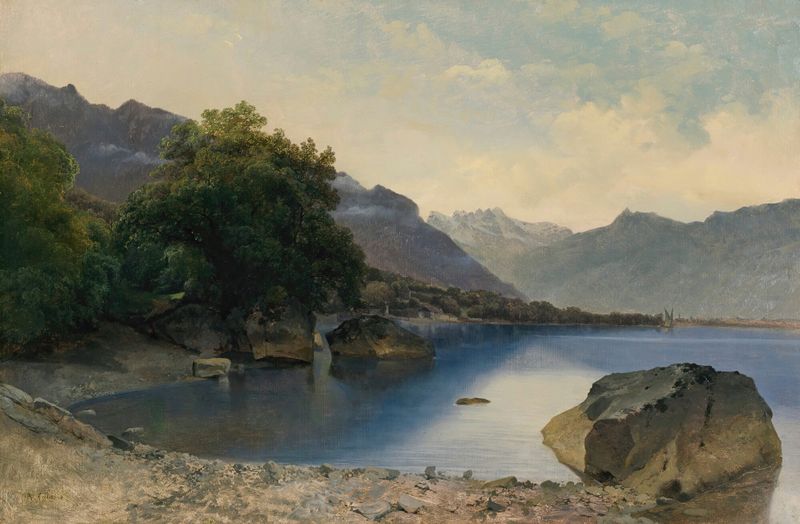
Where does light end, and longing begin? In the silent embrace of nature, that question echoes through the verdant woods, where every shadow seems to whisper secrets of solitude. Look to the left at the towering trees, their trunks standing strong yet vulnerable, painted in rich, earthy tones that speak of both stability and transience. Notice how the dappled sunlight filters through the canopy, illuminating patches of moss and fallen leaves, offering a gentle contrast to the dark, enveloping shadows. The composition draws the eye inward, as the winding path invites you to traverse the landscape, suggesting a journey rife with introspection and unfulfilled desires. As you gaze deeper, the interplay of light and dark reveals layers of meaning.
The serene beauty of the scene belies an undercurrent of melancholy, portraying nature as a refuge yet also a reminder of isolation. The untouched wilderness feels alive, but each element—the whispering leaves, the silent path, the dimming light—echoes a yearning for connection, both with the outside world and with oneself. In the early 1840s, Calame painted this masterpiece during a time when Romanticism flourished, and artists sought to capture the sublime aspects of nature. Residing in Switzerland, he drew inspiration from the majestic landscapes around him, reflecting the era's fascination with the emotional power of the natural world while grappling with his own feelings of longing and detachment from society.
This artwork stands as a poignant testament to that tension, inviting viewers to linger in its quiet contemplation.
More Artworks by Alexandre Calame
Browse all →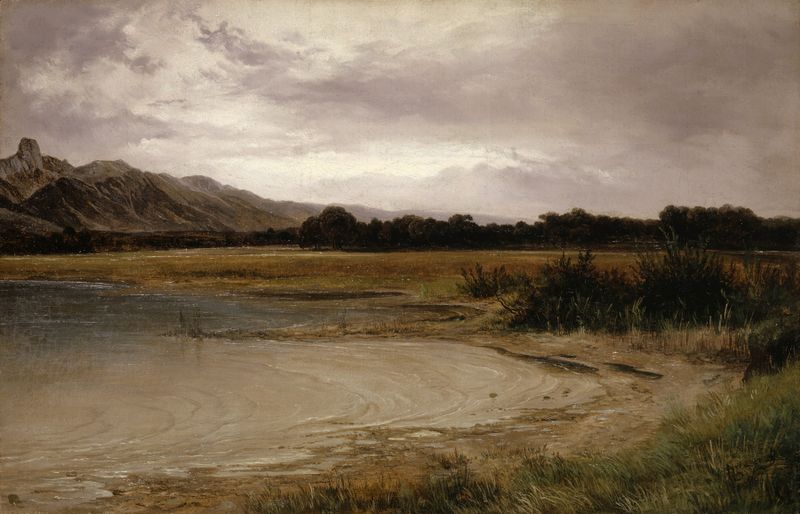
By the Lake of Thun
Alexandre Calame
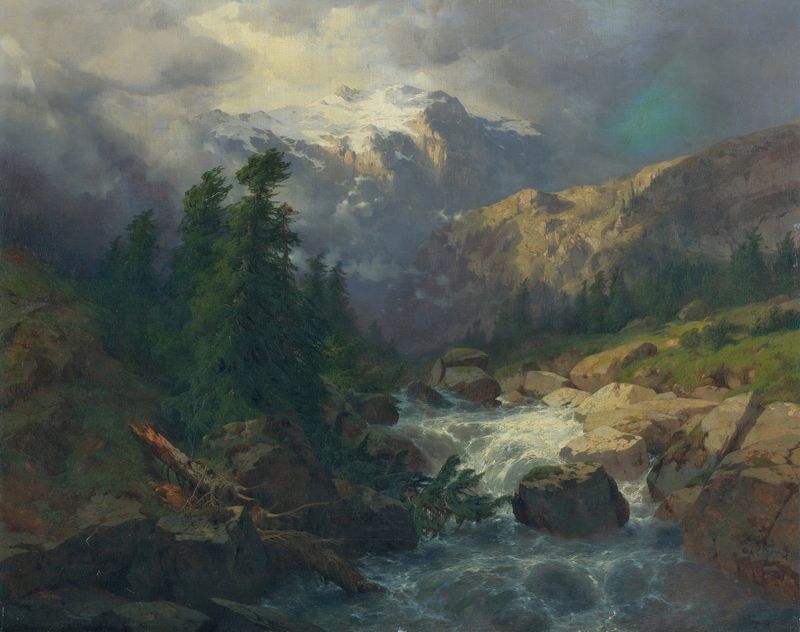
Souvenir Handeck, Stormy Weather
Alexandre Calame
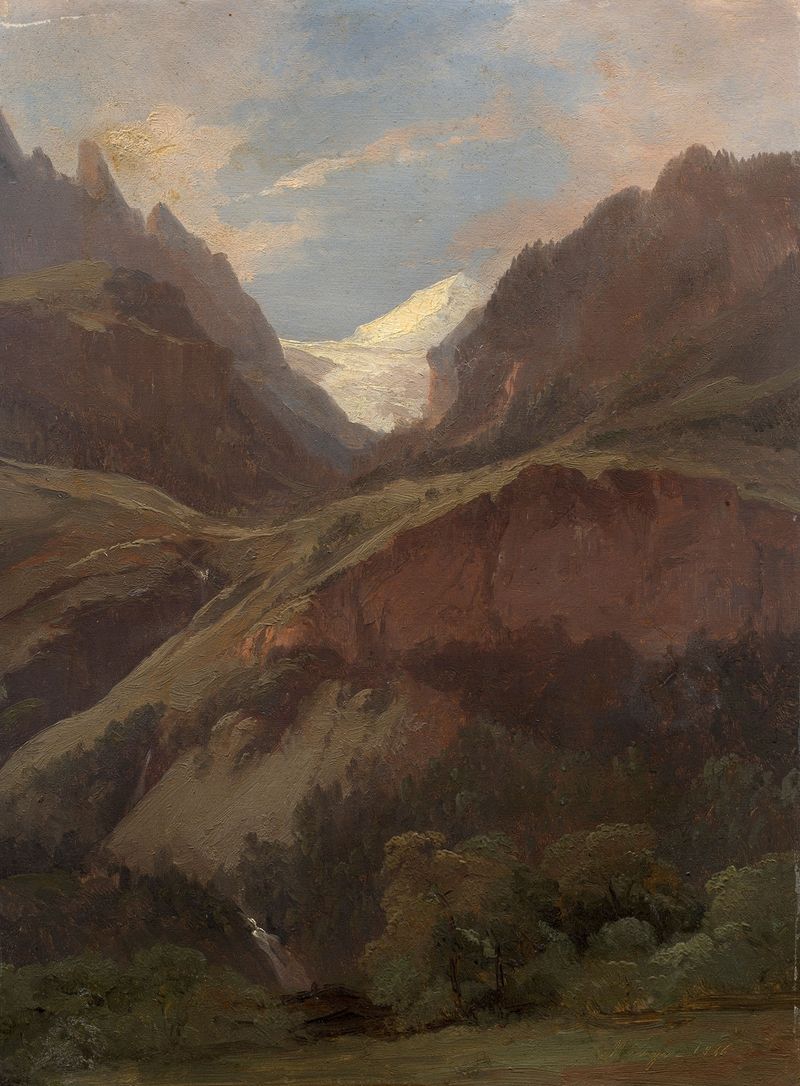
View of the Wetterhorn and the Reichenbach from Meiringen
Alexandre Calame
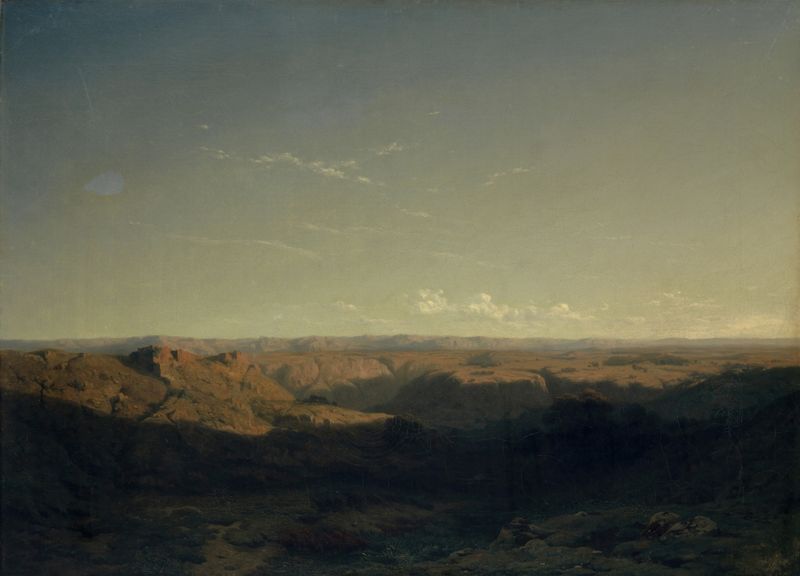
Southern Mountain Landscape
Alexandre Calame
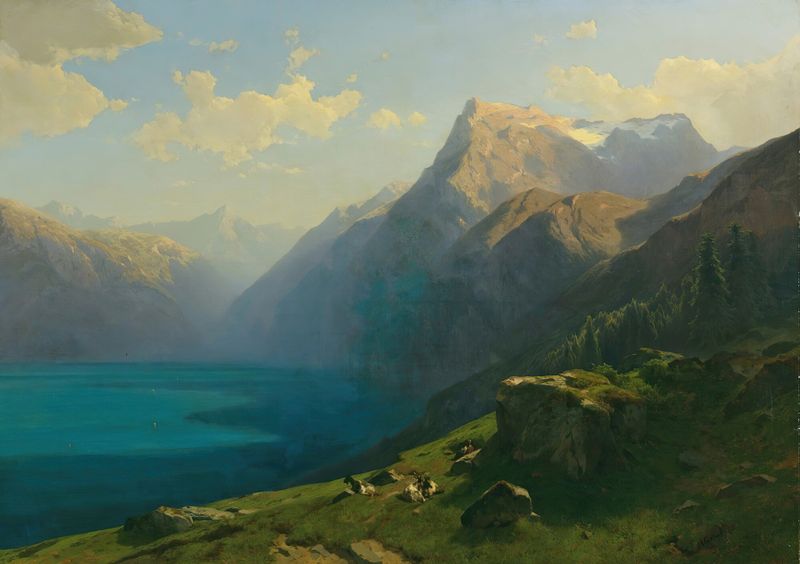
View Of Lake Lucerne From Seelisberg
Alexandre Calame
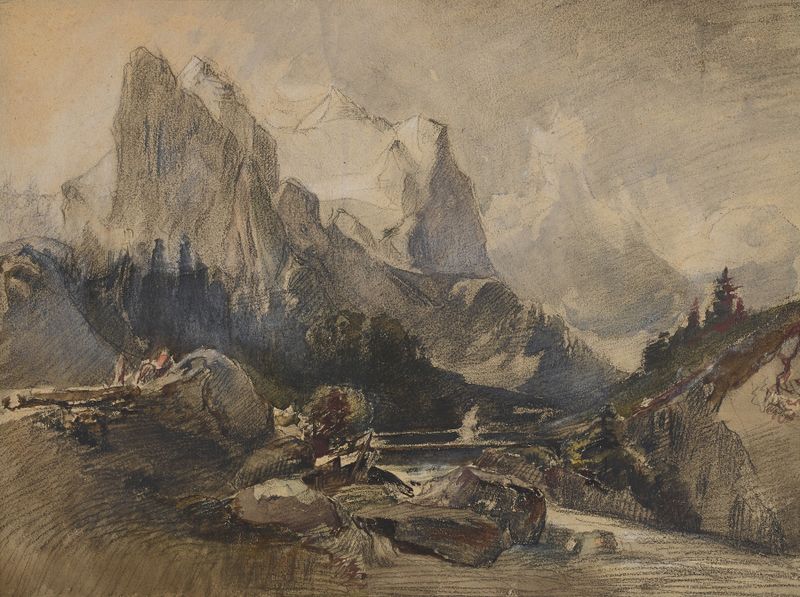
Das Wetterhorn im Berner Oberland
Alexandre Calame
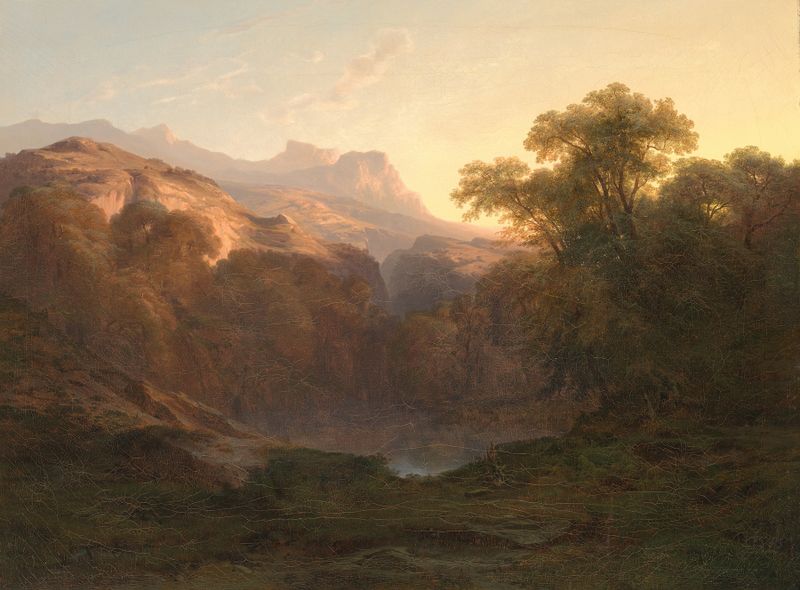
Mountain scenery
Alexandre Calame
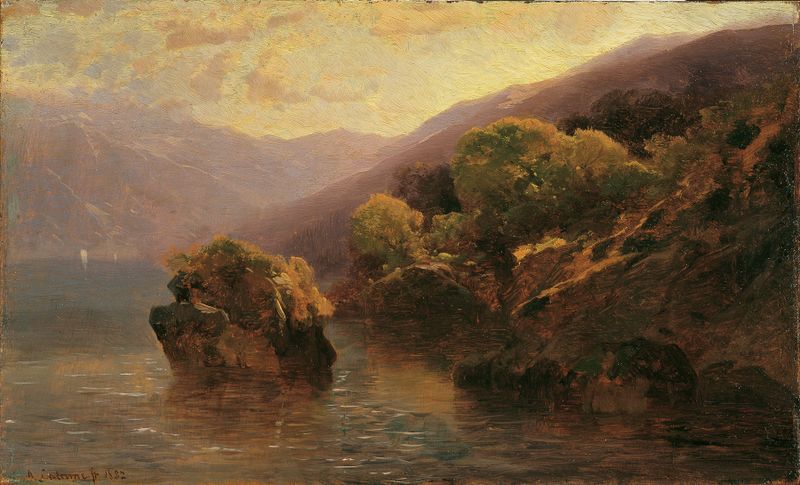
Partie vom Genfer See
Alexandre Calame
Petite Baie Du Lac Léman Près De Chillon
Alexandre Calame

Swiss Landscape
Alexandre Calame





