
Discover insights about this artwork
Wounds Heal Quicker than Hasty Words (Sanas Cuchilladas Mas No Malas Palabras) — History & Facts
In Wounds Heal Quicker than Hasty Words, Francisco de Goya uses a rich palette dominated by deep reds and muted earth tones. The central figures appear to be engaged in a heated discussion, their expressions reflecting tension and emotion. Surrounding them are symbolic elements that suggest the consequences of careless speech.
The setting is somewhat ambiguous, enhancing the focus on the figures and their interaction. The painting is executed in oil on canvas, showcasing Goya's signature brushwork that combines realism with expressive detail. The dimensions are approximately 100 x 150 cm, allowing for an intimate yet impactful viewing experience. Goya's use of color and light creates a dramatic atmosphere, emphasizing the emotional weight of the scene.
The composition draws the viewer's eye towards the central conflict, making it a compelling allegory. Francisco de Goya was known for his critical view of society and human behavior, often reflecting the turmoil of his time. This work, created during the early 19th century, serves as a commentary on the power of words and their potential to harm. An interesting fact about this painting is that it reflects Goya's personal experiences with betrayal and conflict, making it a deeply personal piece.
The title itself suggests a universal truth about the lasting impact of our words.
More Artworks by Francisco de Goya
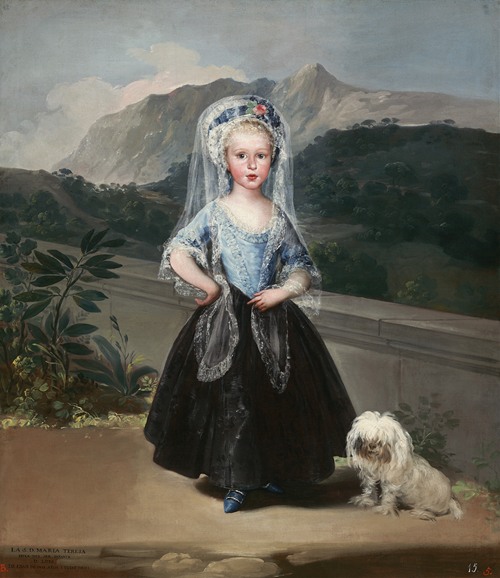
María Teresa de Borbón y Vallabriga,later Condesa de Chinchón
Francisco de Goya
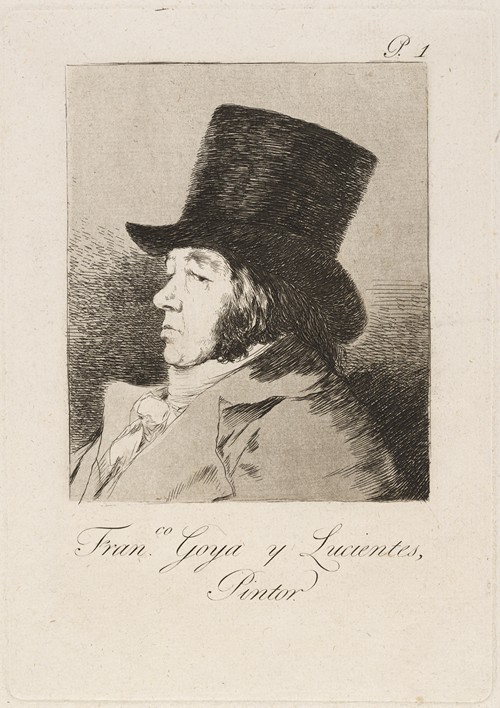
Francisco Goya y Lucientes, Pintor (Francisco Goya y Lucientes, painter)
Francisco de Goya
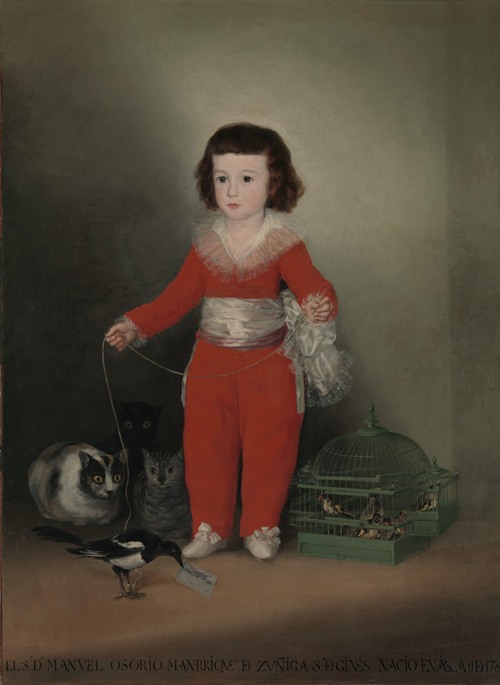
Manuel Osorio Manrique de Zuñiga (1784–1792)
Francisco de Goya
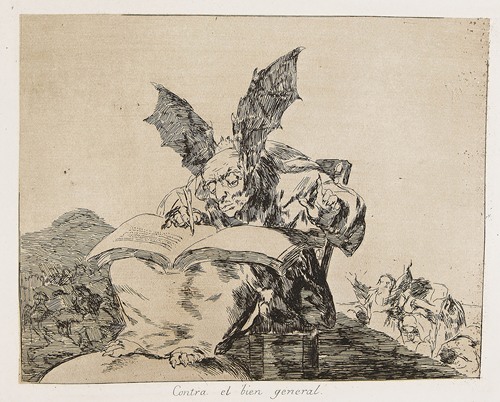
Los desastres de la guerra
Francisco de Goya
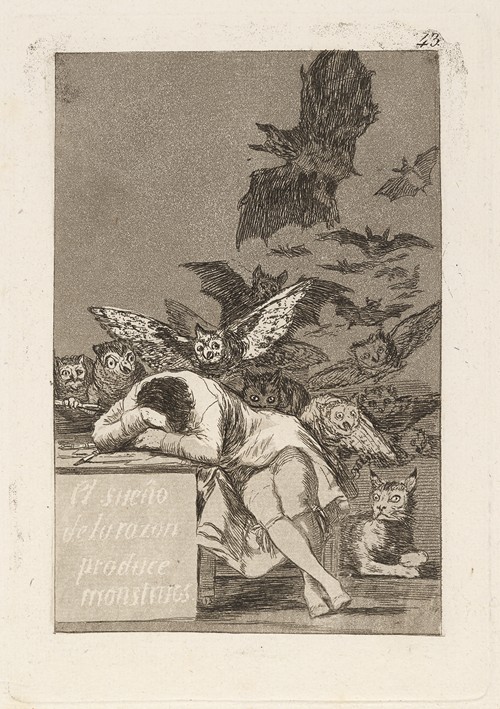
El sueño de la razon produce monstruos. (The sleep of reason produces monsters.)
Francisco de Goya
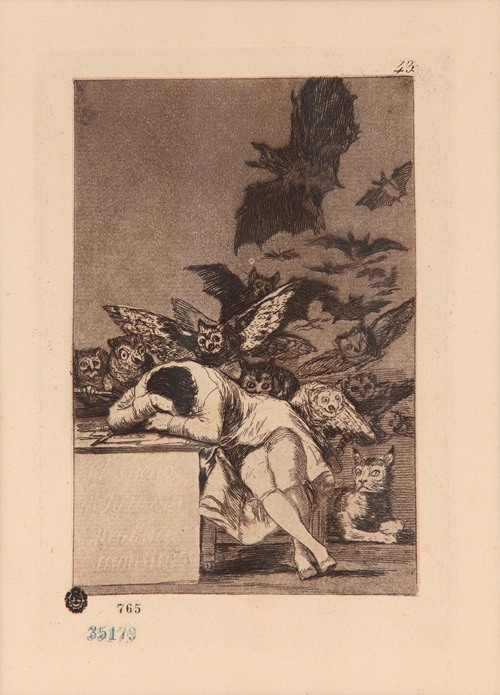
El sueño de la razon produce moustruos (Serie Caprichos)
Francisco de Goya
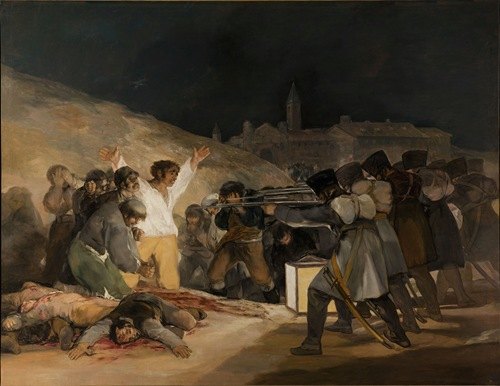
The Third of May
Francisco de Goya
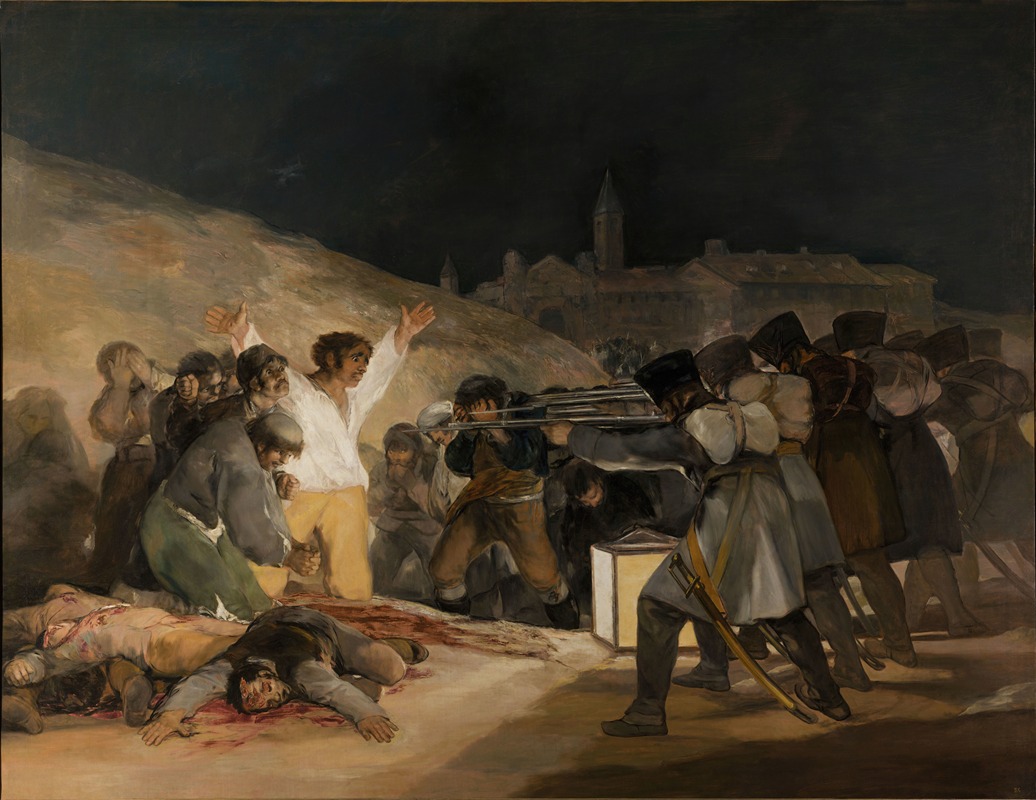
The Third of May 1808
Francisco de Goya
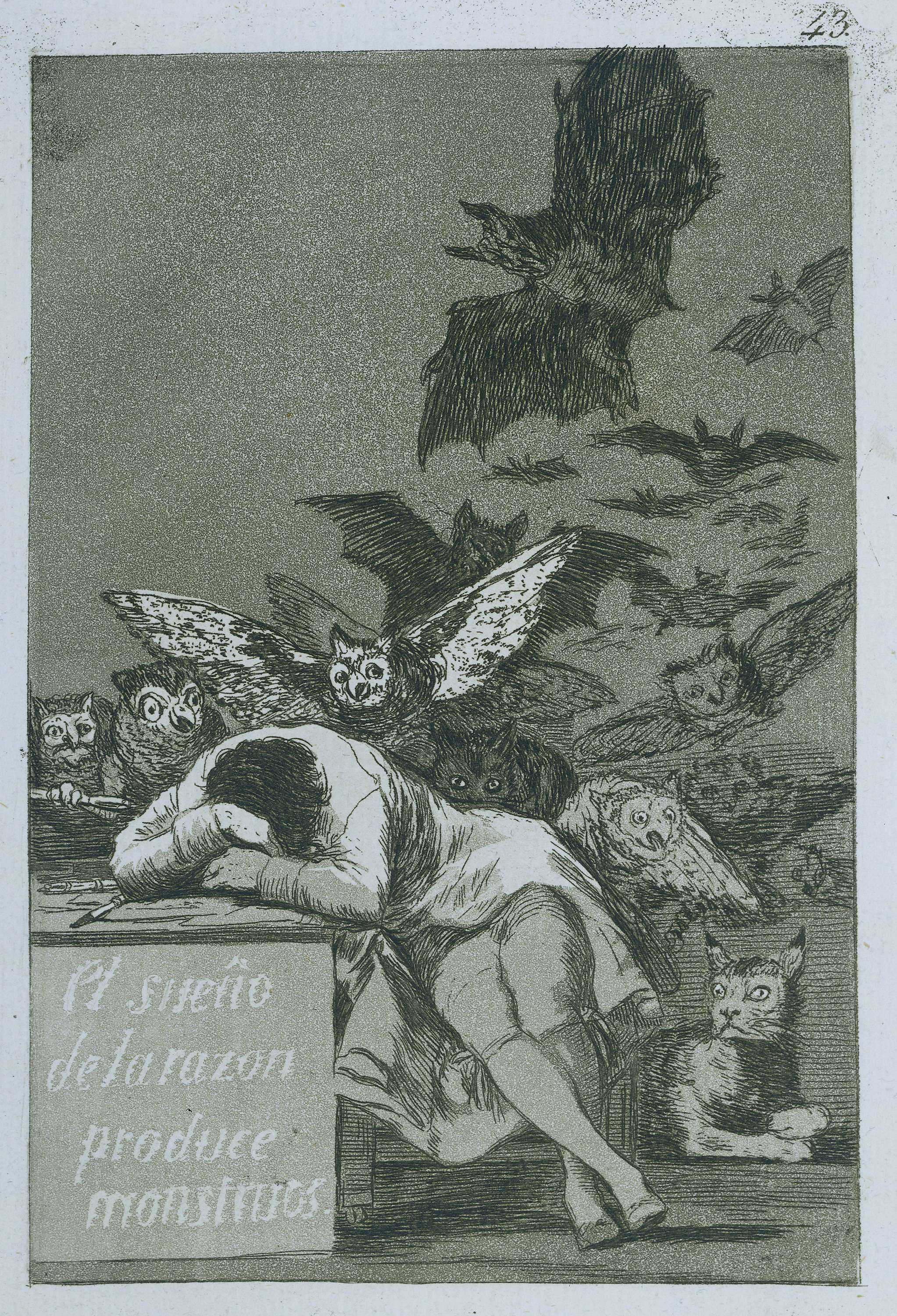
De slaap van de rede brengt monsters voort
Francisco de Goya
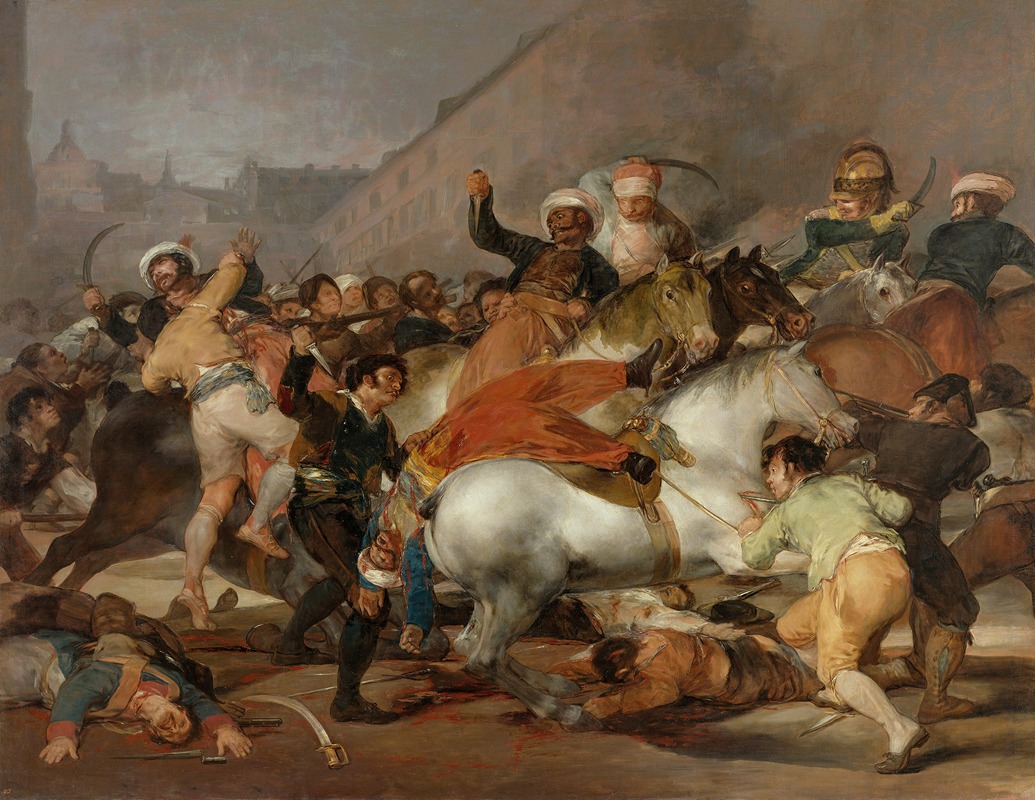
The Charge of the Mamelukes (1814)
Francisco de Goya
More Allegory Art
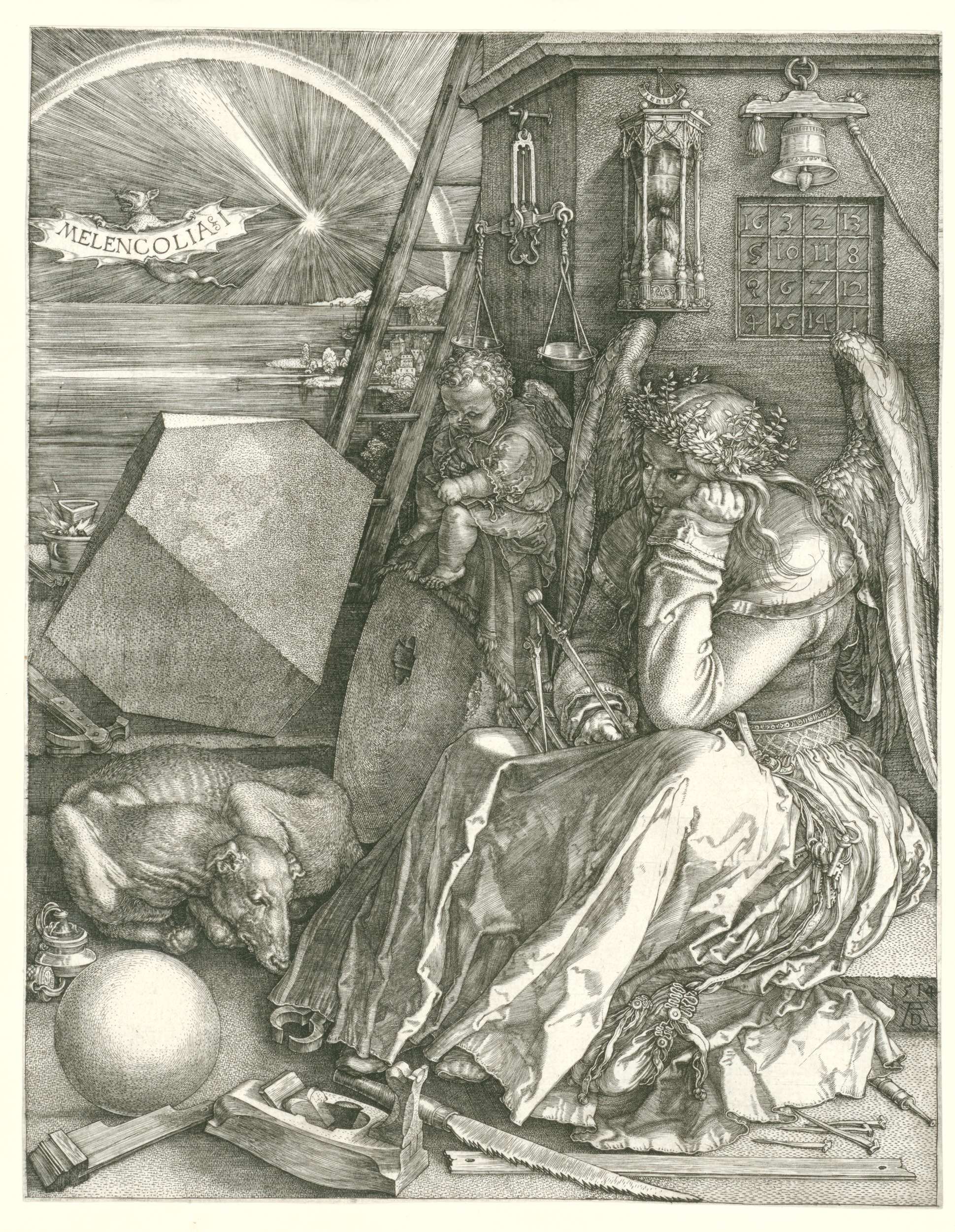
Melancholia
Albrecht Dürer
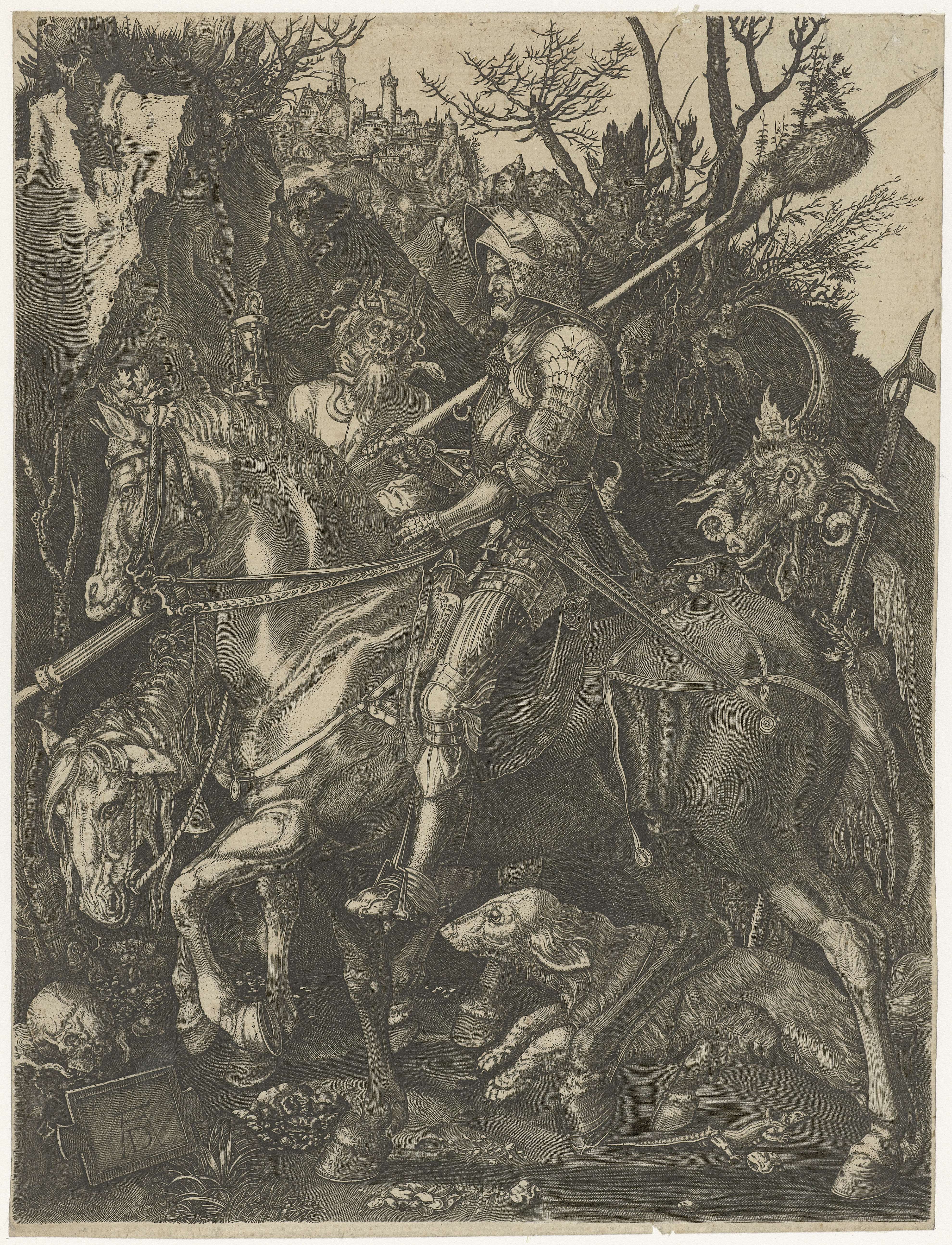
Ridder, Dood en Duivel
Unknown Artist
El sueño de la razon produce monstruos. (The sleep of reason produces monsters.)
Francisco de Goya
El sueño de la razon produce moustruos (Serie Caprichos)
Francisco de Goya
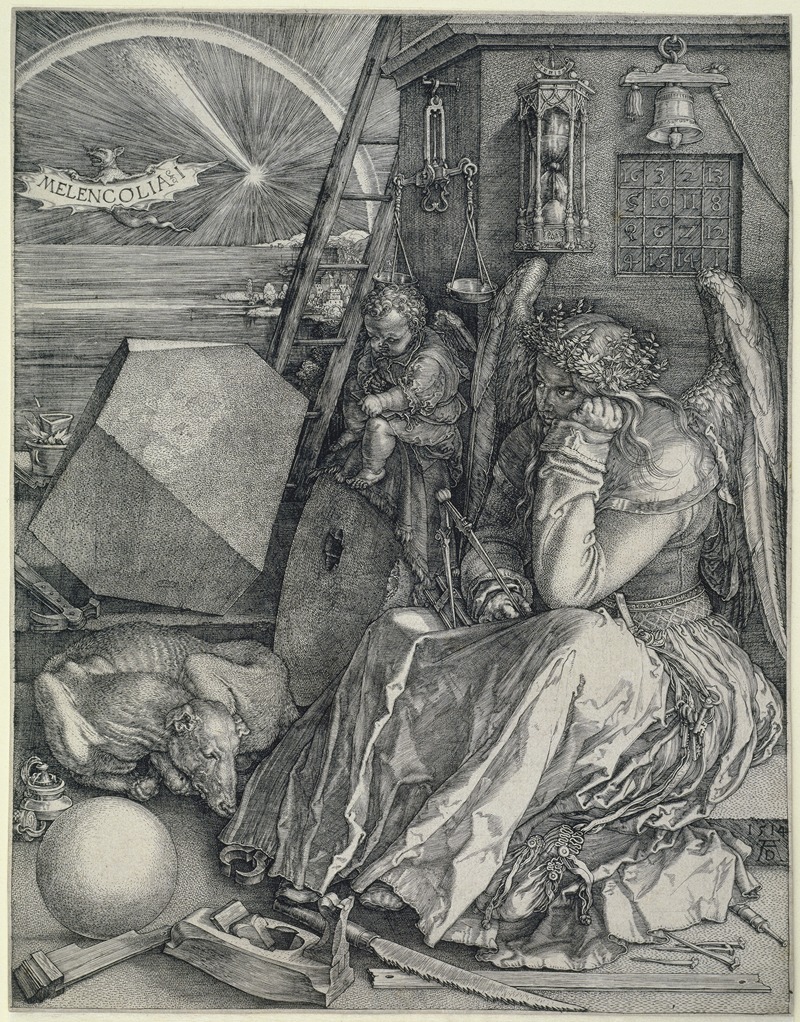
Melencolia I (The Melancholy)
Albrecht Dürer
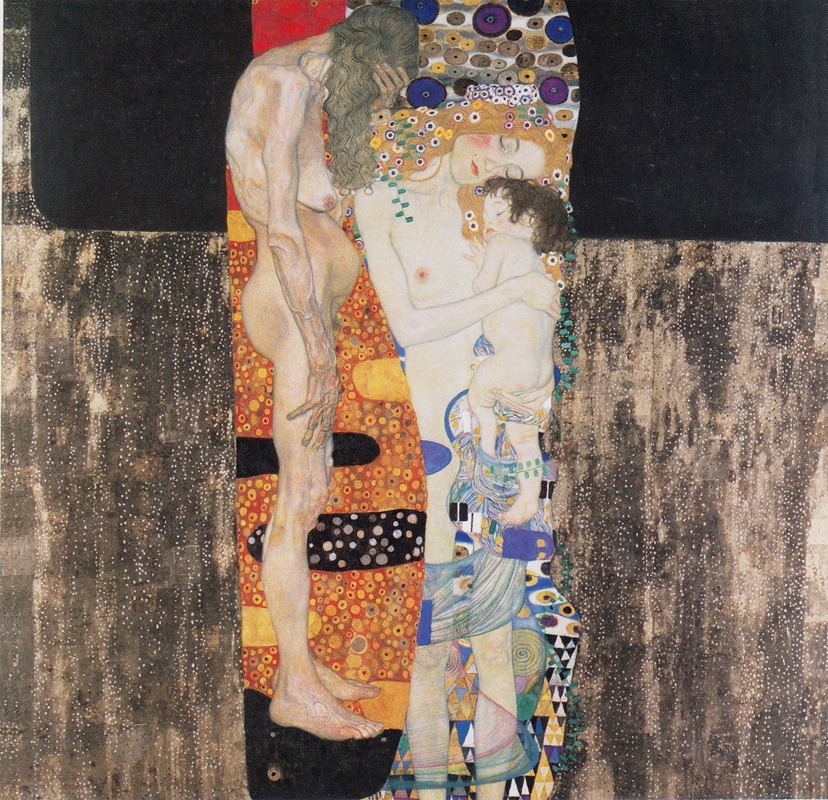
The Three Ages of the Woman
Gustav Klimt