
Wrestlers in a Circus — History & Facts
Nothing in this painting sits still. The eye is pulled into the wild tangle of bodies at the center, where two wrestlers—one in a blue singlet, the other in a swirl of pinks and oranges—lock together on a rug that seems to ripple with their energy. The mat itself becomes a stage for color, its pattern echoing the chaos of the match and the fever of the crowd.
The background figures, rendered in deep shadow, lean forward as if the outcome depends on their gaze alone. Every brushstroke seems to vibrate with tension, and the garish palette turns the scene into a spectacle as vivid as any circus. This is Wrestlers in a Circus, painted in 1909 by Ernst Ludwig Kirchner, a leading light of the Expressionist movement. In this moment, Kirchner abandons careful realism for something rawer: the bodies are not anatomically precise, but their exaggerated forms and clashing colors make the struggle between them almost physical for the viewer.
The figures in the background are little more than silhouettes, yet their presence heightens the sense of performance and public pressure. Such works, created in the ferment of early twentieth-century Germany, were meant to jolt the senses and capture the electric charge of modern life. Now held by the Cleveland Museum of Art, this painting invites us to step into the ring, to feel the heat and noise, and to see the world as Kirchner saw it—unruly, immediate, and alive.
More Artworks by Ernst Ludwig Kirchner
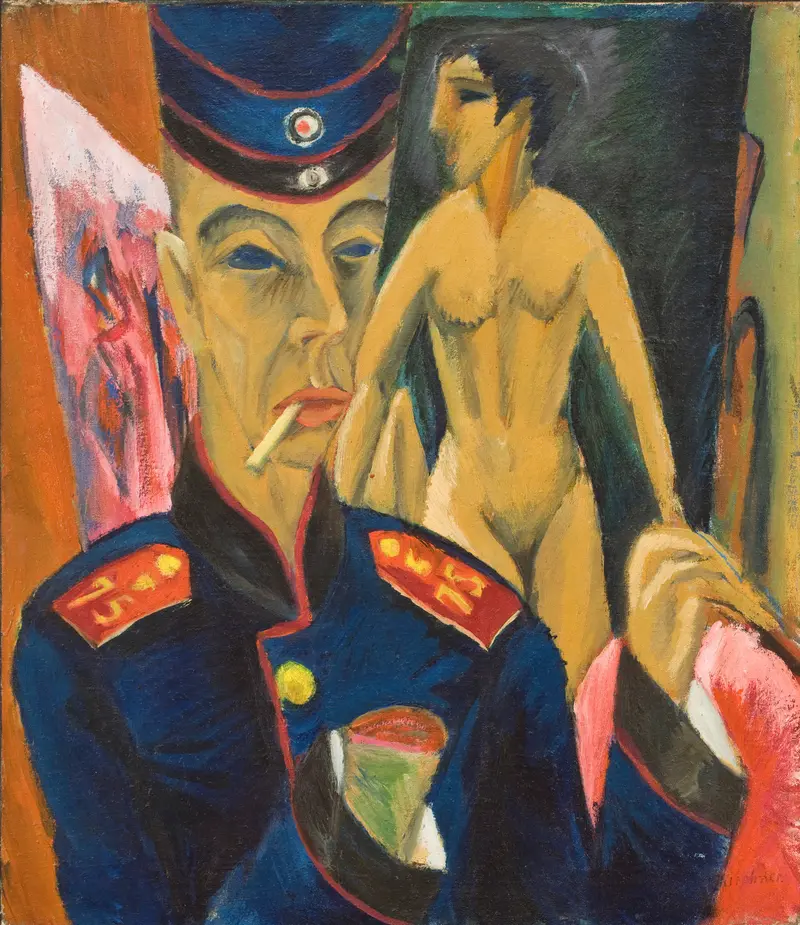
Self-Portrait as a Soldier
Ernst Ludwig Kirchner
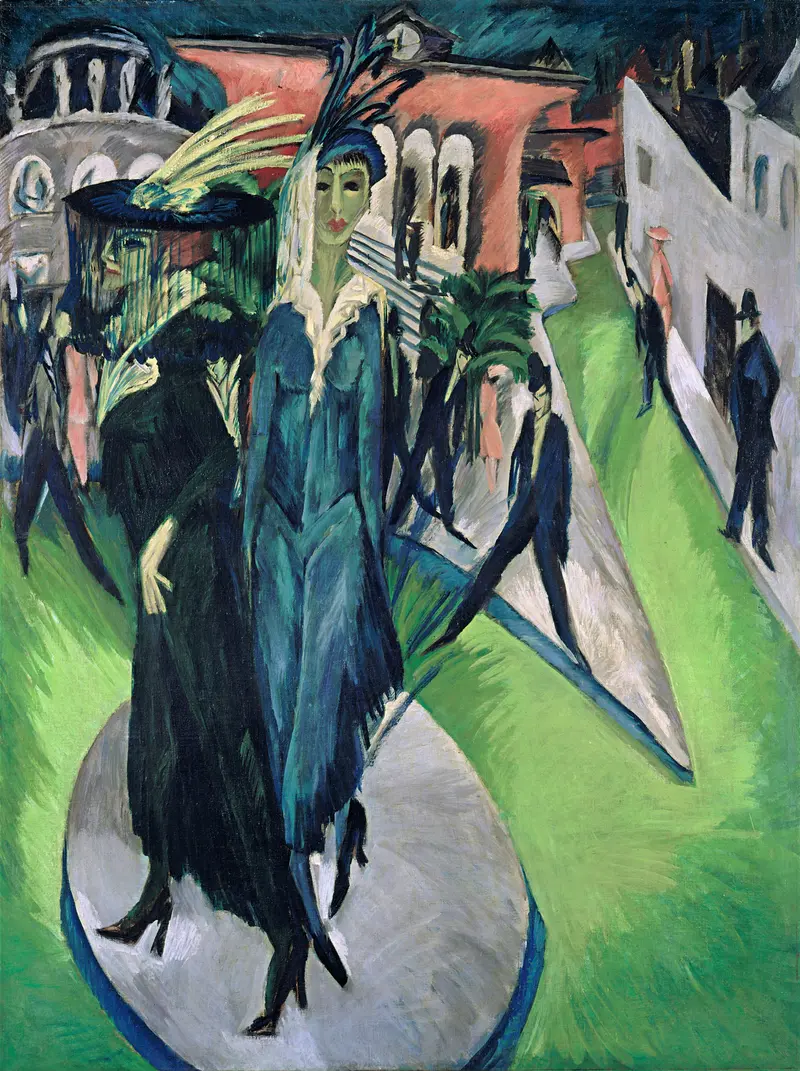
Potsdamer Platz
Ernst Ludwig Kirchner

Alphütten und Tinzenhorn
Ernst Ludwig Kirchner
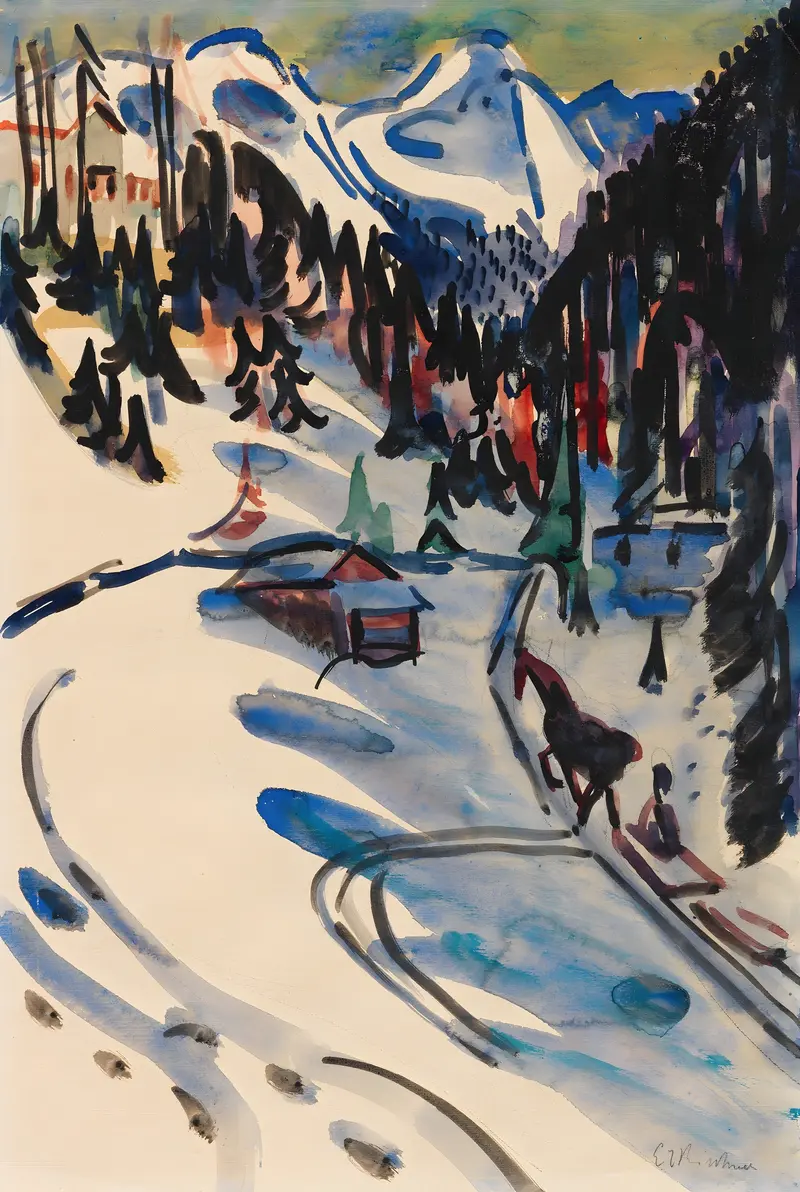
Sertigtal im Winter
Ernst Ludwig Kirchner
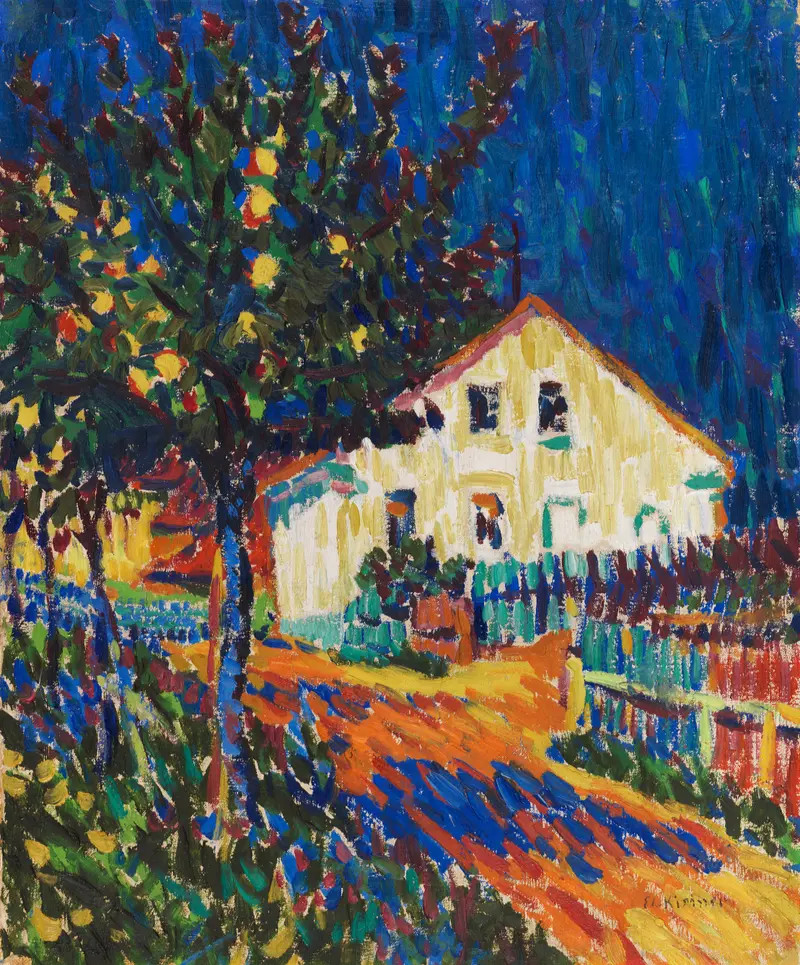
Dorfstraße mit Apfelbäumen
Ernst Ludwig Kirchner
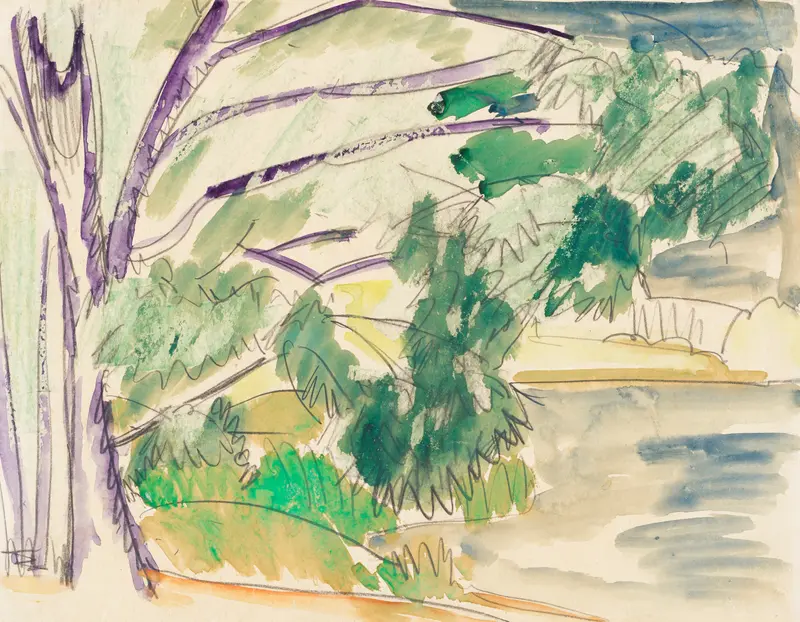
Unter Bäumen am See
Ernst Ludwig Kirchner
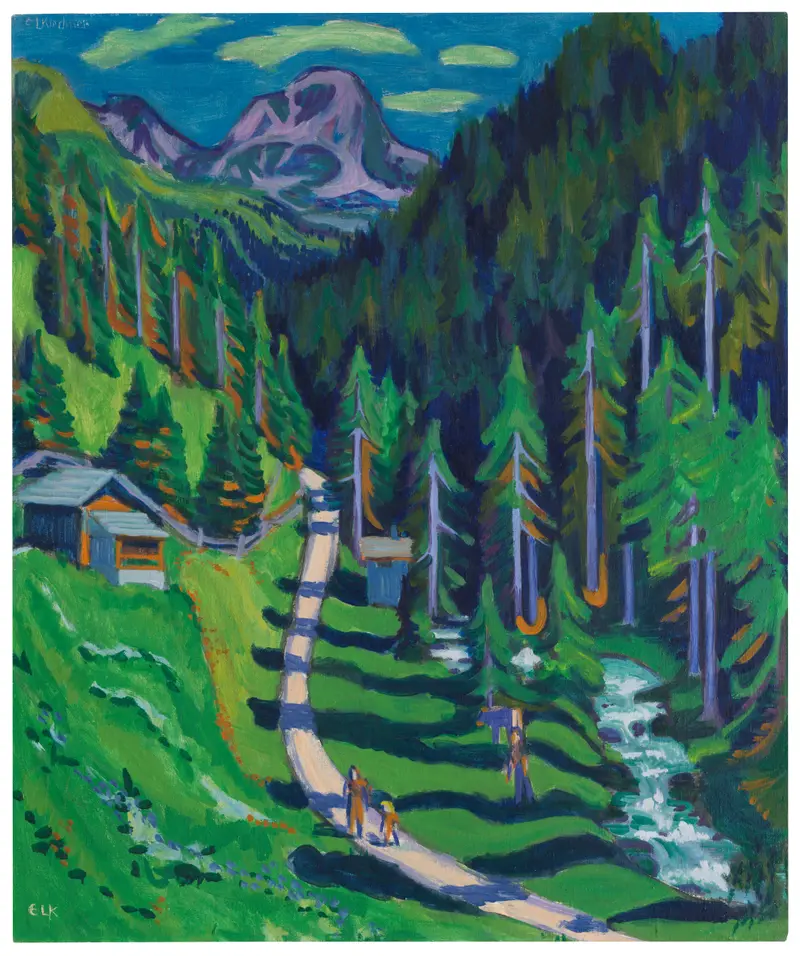
Sertigweg
Ernst Ludwig Kirchner
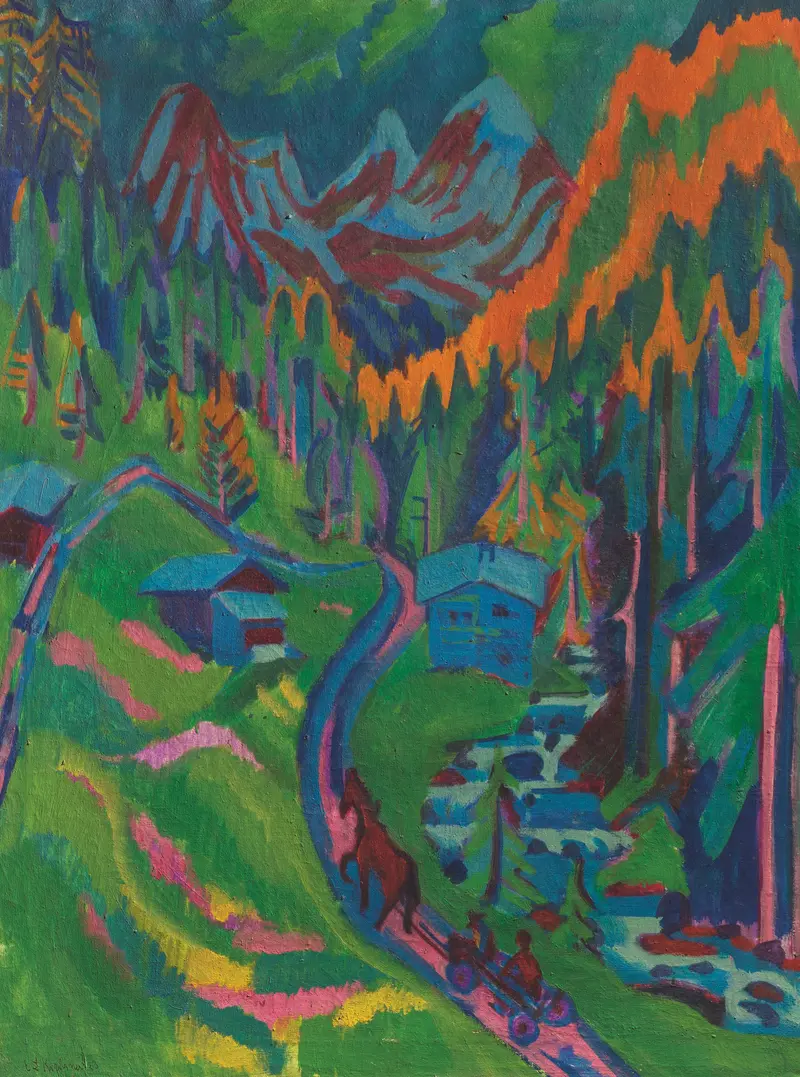
Sertigweg im Sommer
Ernst Ludwig Kirchner
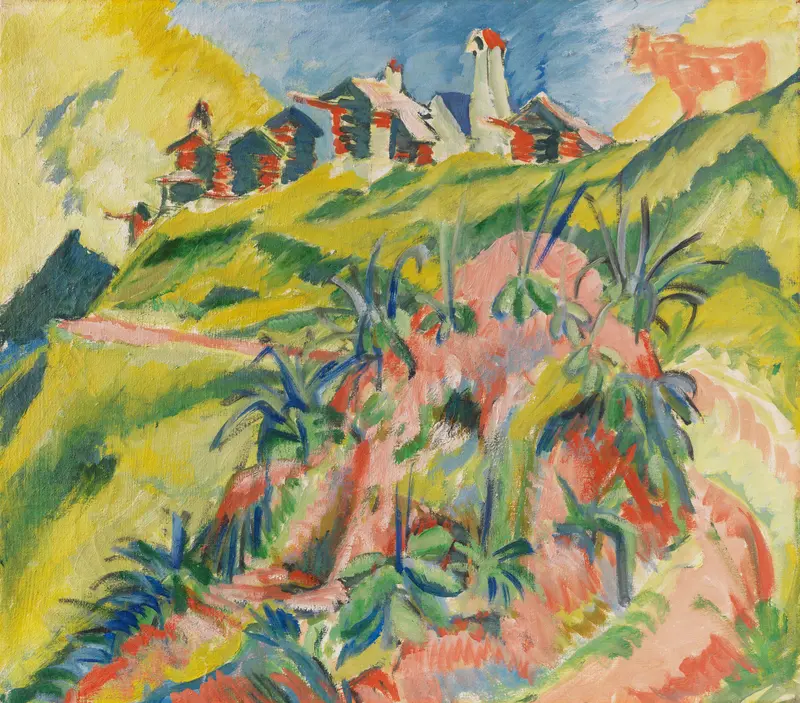
Bergdorf mit rosa Kuh
Ernst Ludwig Kirchner
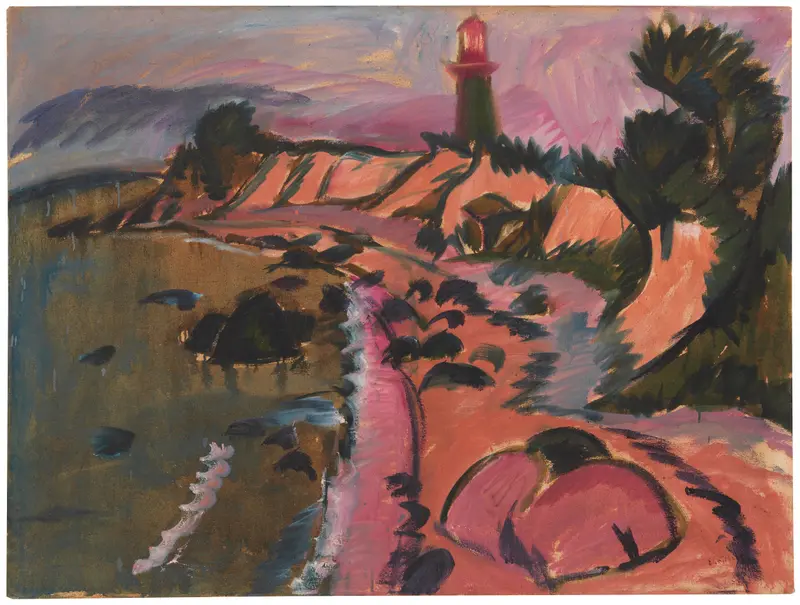
Fehmarnküste mit Leuchtturm
Ernst Ludwig Kirchner



