XIV. Penzing — History & Facts
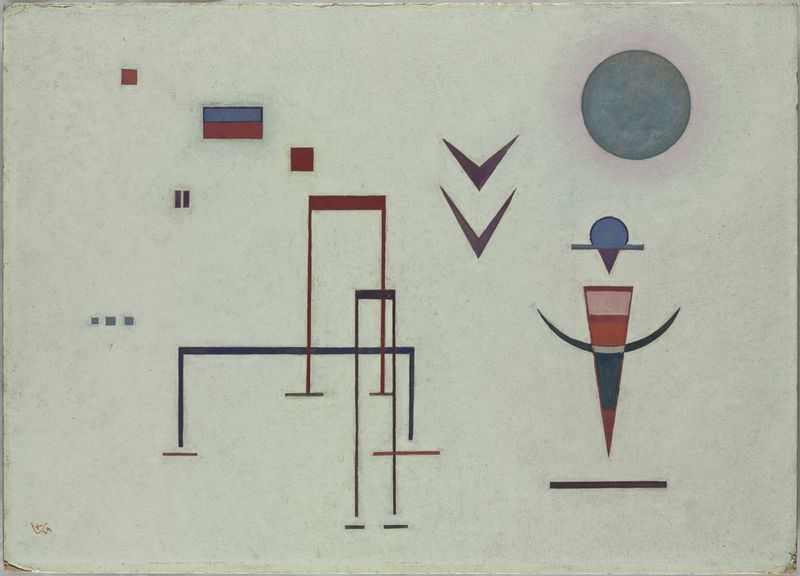
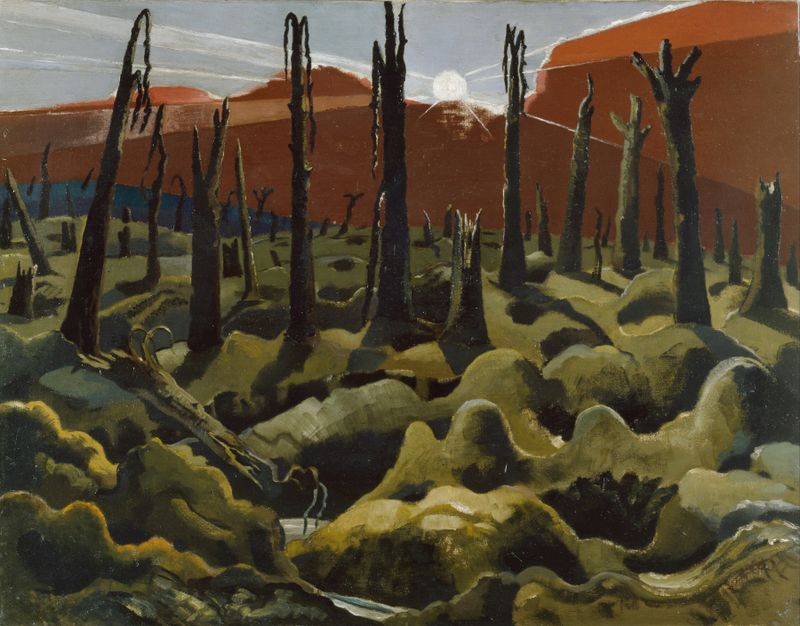
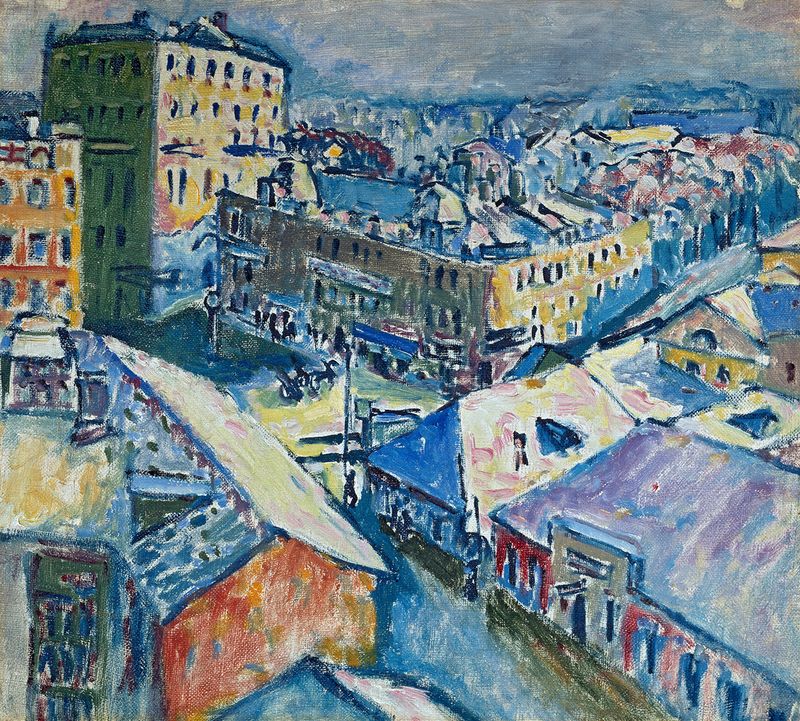
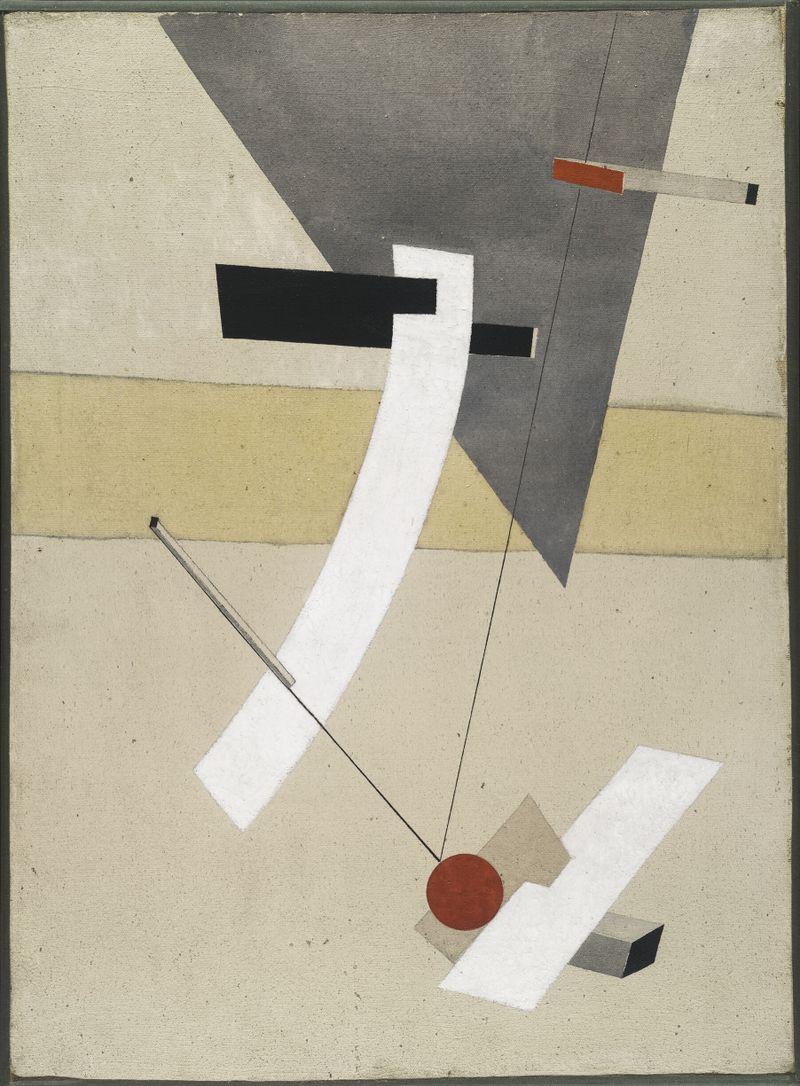
In the whispers of a dream, we find ourselves at the intersection of reality and imagination, where the colors pulse like a heartbeat, and the contours of life dissolve into a soft haze. Look to the vibrant canvas, where hues of deep blue and rich gold swirl together, inviting you to trace their paths. Focus on the delicate brushstrokes that suggest a landscape — a place caught between waking and slumber. The juxtaposition of light and shadow plays a critical role, creating an impression of depth that pulls the viewer closer, urging exploration.
Each stroke conveys a sense of movement, as if the scene breathes with the rhythm of a forgotten memory. Beneath this dreamlike surface lies a tension between serenity and turmoil. The fluidity of the forms hints at transition, while the contrasting colors evoke emotional responses — joy and melancholy intertwine like lovers in a dance. One can sense both the freedom of escape and the weight of confinement in these swirling tones.
It raises questions about the nature of dreams: are they an escape, a longing, or an expression of our innermost desires? In 1940, Oskar Laske found himself in Vienna, a city torn by the encroaching shadows of war. This period marked a critical moment for the artist, as the avant-garde movements he admired began to recede in the face of rising totalitarianism. It was a time when creativity battled against oppression, and *XIV.
Penzing* emerged as a testament to the resilience of the human spirit, a dreamscape that reflects both his struggles and aspirations during these turbulent years.
More Artworks by Oskar Laske
Browse all →
Faschingsumzug am Stock im Eisen Platz
Oskar Laske

Schönbrunn (Winter)
Oskar Laske
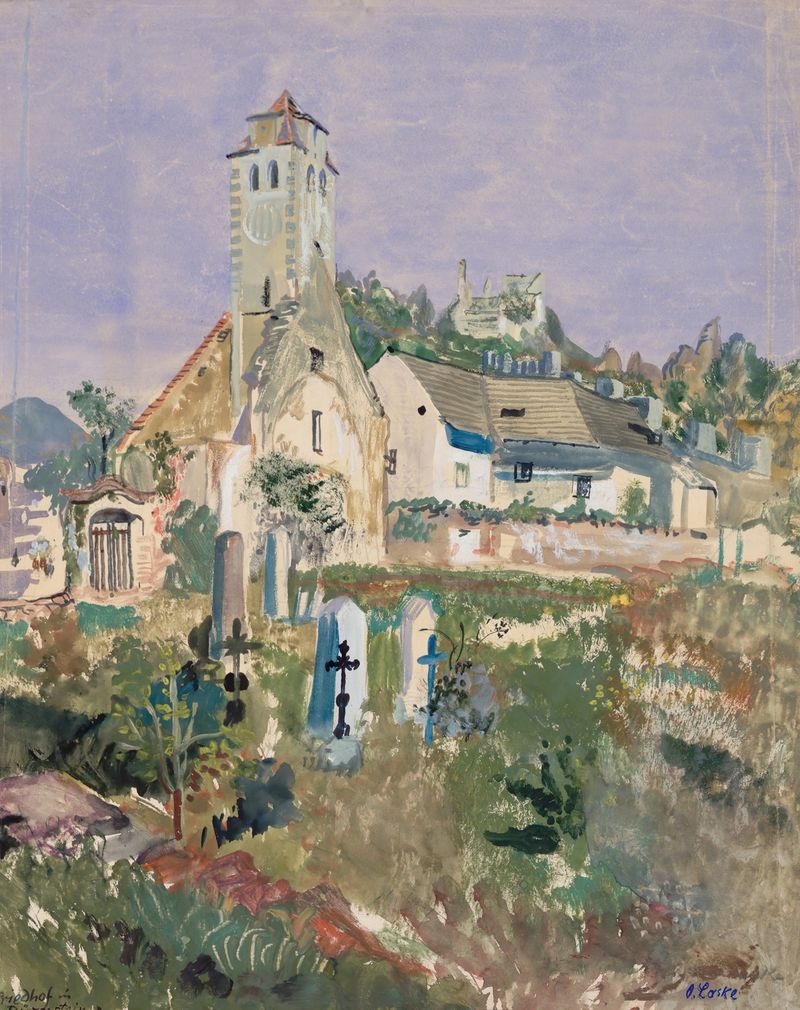
Friedhof in Dürnstein
Oskar Laske

Pratermotiv an der alten Donau
Oskar Laske

Frühjahrsnebel in Niederösterreich
Oskar Laske

Begräbnis des Wiener Bürgermeisters Dr. Karl Lueger
Oskar Laske

Maria Theresien-Denkmal mit Blick gegen das Burgtor
Oskar Laske
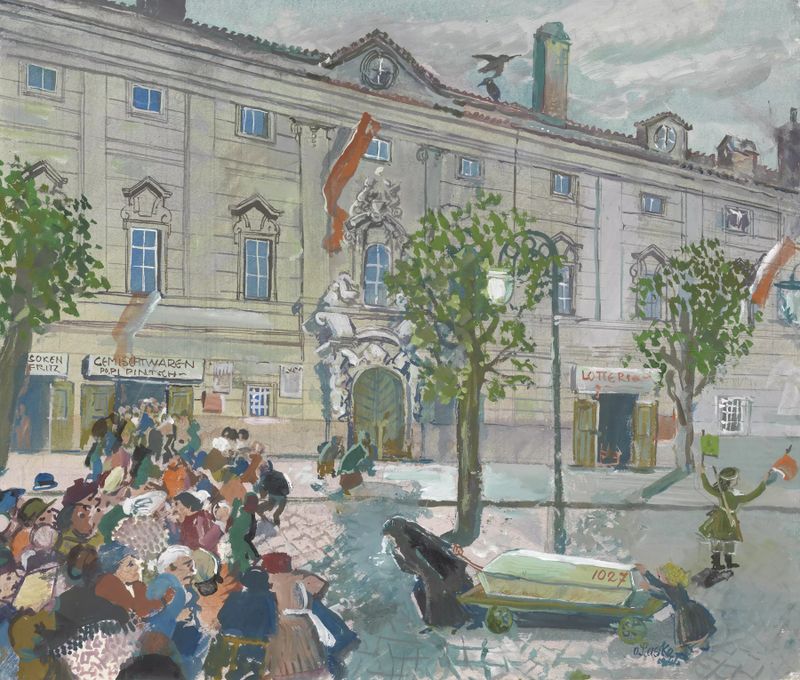
Wiener Straßenbild vom Mai 1945
Oskar Laske

Winterlandschaft in Pressbaum
Oskar Laske

Ansicht von Positano
Oskar Laske