
Yarmouth Sands — History & Facts
When did color learn to lie? In a world where hues deceive and whispers of reality linger in the air, the void beckons us to question perception itself. Look to the swirling sea in Yarmouth Sands, where tumultuous waves clash against a luminous sky. The bold application of color draws the eye immediately to the horizon, where the sun dips low, casting an ethereal glow that blurs the line between heaven and earth. Notice how the golden sunlight dances atop the water, creating shimmering trails that seem to pulse with life, while the stormy blues and grays of the sea evoke an undercurrent of chaos, stirring both awe and unease. Turner’s masterful brushwork reveals emotional tensions at play—between tranquility and turmoil, light and darkness.
The figures on the shore appear diminutive against the vastness of nature, highlighting humanity's insignificance in the face of the sublime. The interplay of colors blurs the boundaries of reality, suggesting that beauty and danger coexist, invoking a sense of wonder as well as foreboding. In 1840, Turner painted this evocative piece during a time of personal turbulence, grappling with loss and searching for renewal through his art. As he navigated the shifting tides of Romanticism, his innovative techniques began to redefine landscape painting, heralding a new era that would influence countless artists.
The work encapsulates his emotional journey while reflecting the broader transformation occurring within the art world at that time.
More Artworks by Joseph Mallord William Turner
Browse all →
Dort or Dordrecht- The Dort Packet-Boat from Rotterdam Becalmed
Joseph Mallord William Turner
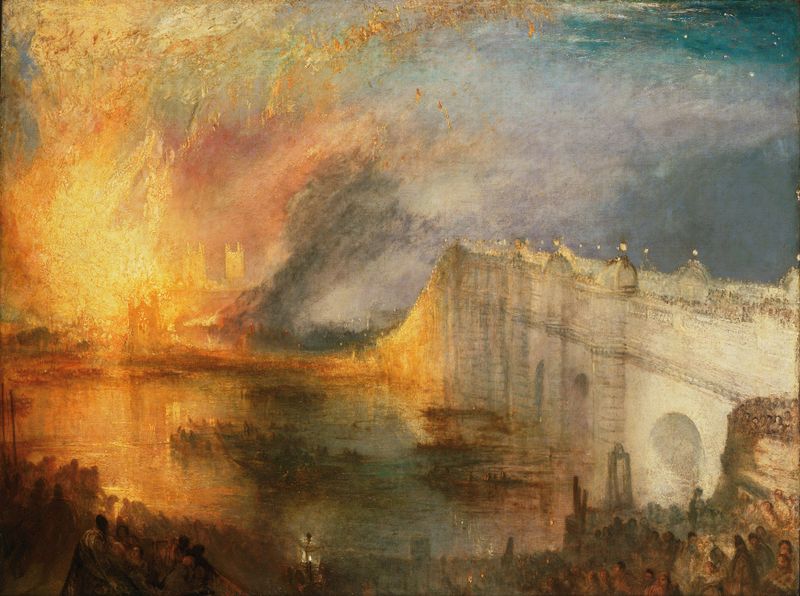
The Burning of the Houses of Lords and Commons, October 16, 1834
Joseph Mallord William Turner
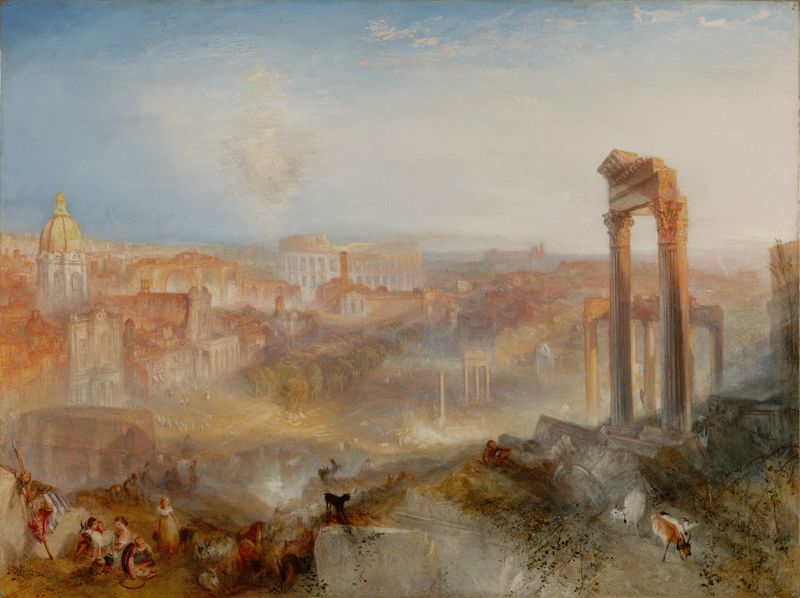
Modern Rome – Campo Vaccino
Joseph Mallord William Turner
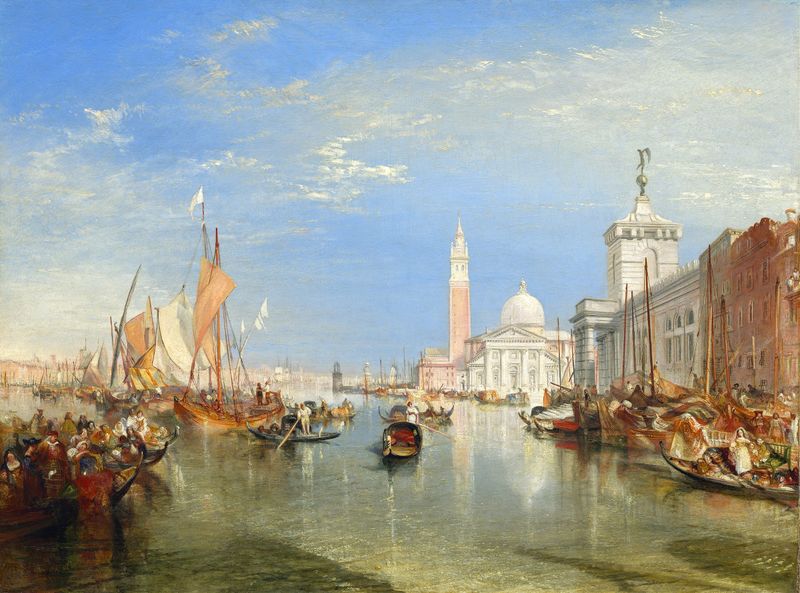
Venice – The Dogana and San Giorgio Maggiore
Joseph Mallord William Turner

The Burning of the Houses of Lords and Commons, 16 October 1834
Joseph Mallord William Turner
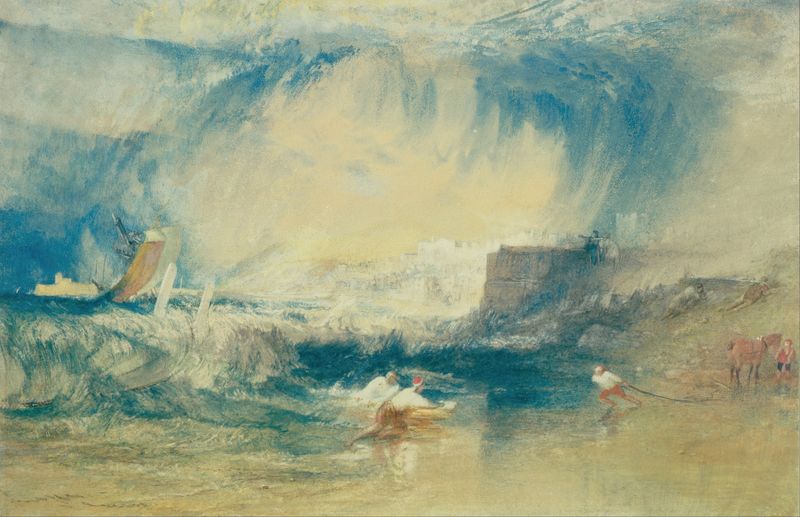
Lyme Regis, Dorsetshire, England
Joseph Mallord William Turner
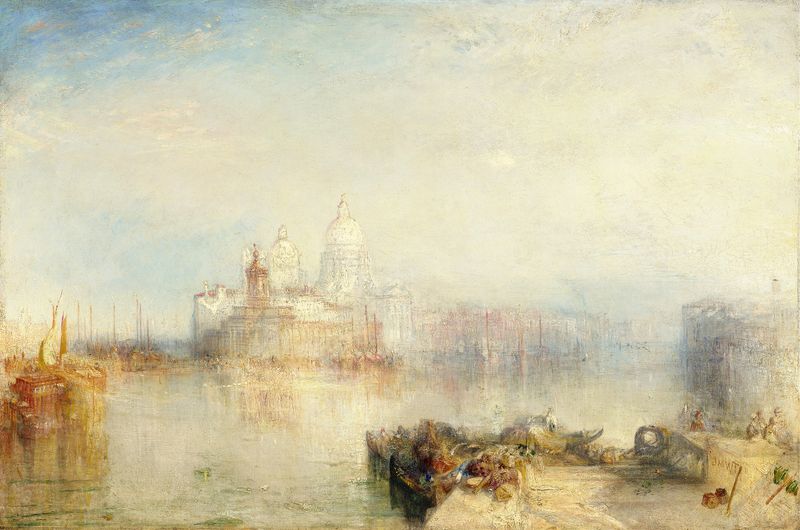
The Dogana and Santa Maria della Salute, Venice
Joseph Mallord William Turner
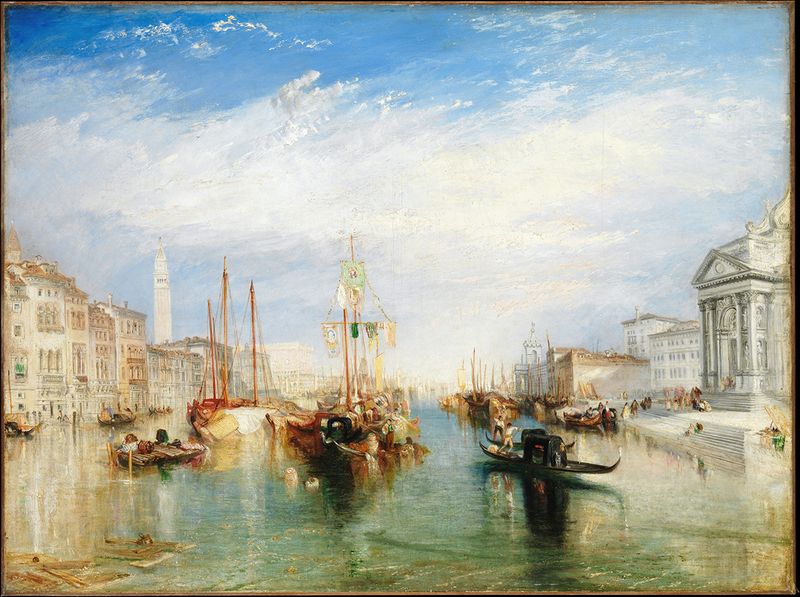
Venice, from the Porch of Madonna della Salute
Joseph Mallord William Turner
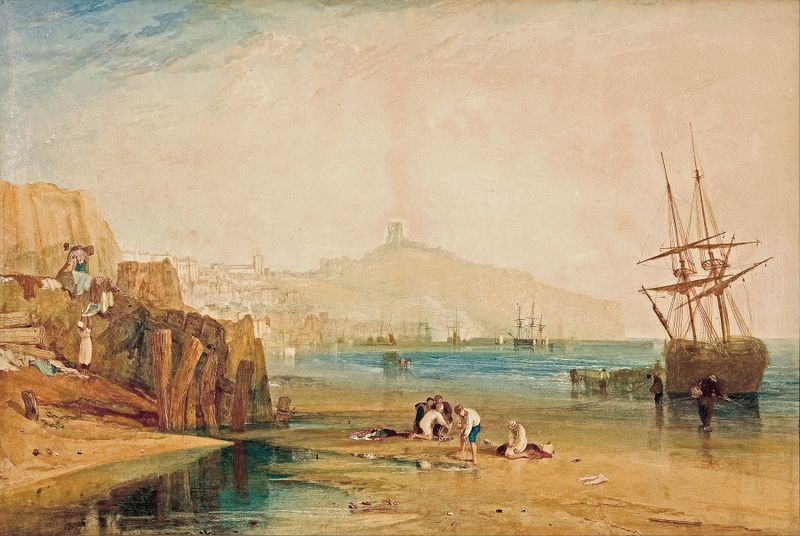
Scarborough town and castle; morning; boys catching crabs
Joseph Mallord William Turner
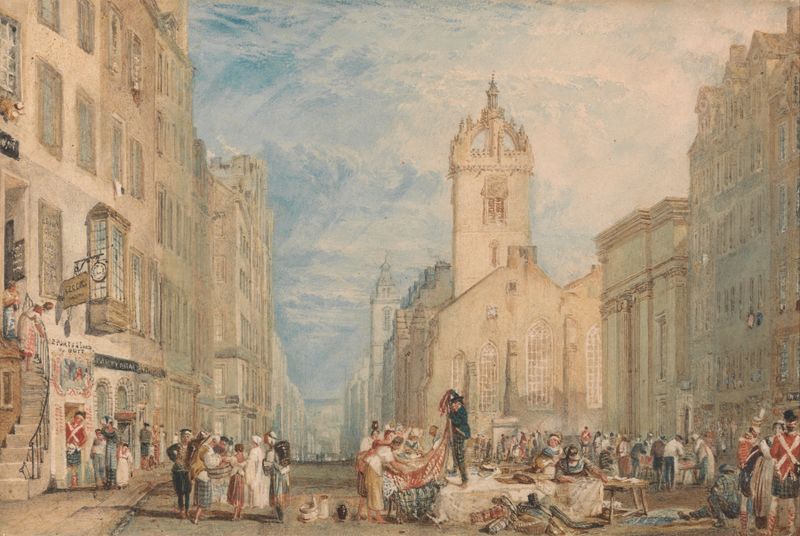
High Street, Edinburgh
Joseph Mallord William Turner




