
Young Shepherd among the Rocks (Forest of Fontainebleau) — History & Facts
In this ethereal landscape, hope emerges quietly, embodying the promise of life in nature's embrace. Look to the center of the canvas, where a young shepherd stands amid a rugged terrain, framed by the majestic rocks of the Forest of Fontainebleau. The soft palette of greens and browns captures the gentle interplay of light and shadow, illuminating the figure while casting other areas into serene obscurity. Notice how the warm sunlight filters through the trees, creating a mosaic of light that dances on the ground, inviting the viewer into a moment suspended in time. Embedded in this pastoral scene is a profound contrast between the ruggedness of the rocks and the innocence of the shepherd.
The boy’s posture, relaxed yet vigilant, reflects a duality of peace and responsibility, suggesting a deeper connection between humanity and nature. The surrounding flora, lush and vibrant, symbolizes renewal and the exuberance of youth, while the distant rocky outcrops remind us of life’s challenges, hinting at resilience and hope amidst adversity. In 1842, Jean-Baptiste-Camille Corot painted this piece while deeply immersed in the artistic milieu of the Barbizon School, which sought to break away from the constraints of academic painting. Living in France, Corot was influenced by the natural beauty of the Fontainebleau forest, capturing the light and atmosphere of the region with an innovative approach.
This work reflects his commitment to expressing both the lyrical and the real, resonating with the evolving ideals of landscape painting during this transformative period in art history.
More Artworks by Jean-Baptiste-Camille Corot
Browse all →
View of Genoa
Jean-Baptiste-Camille Corot
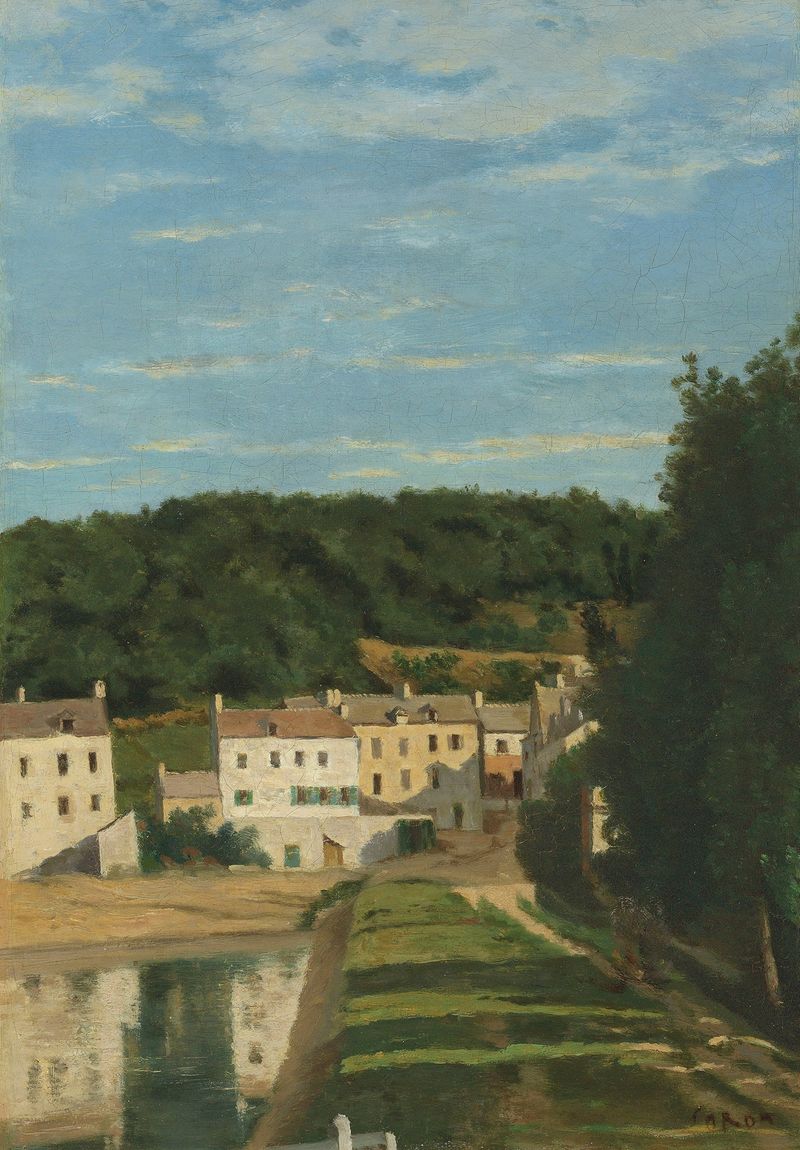
Les Maisons Cabassud À Ville D’avray
Jean-Baptiste-Camille Corot

La solitude. Souvenir de Vigen (Limousin)
Jean-Baptiste-Camille Corot
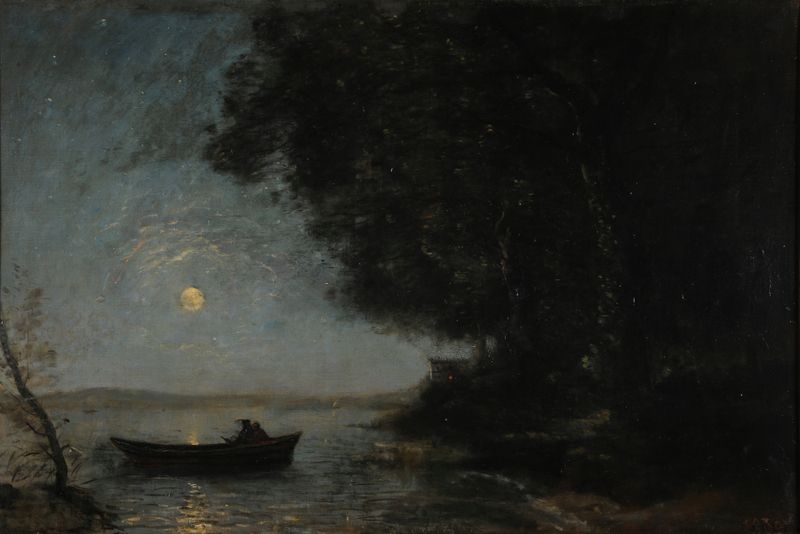
Le lac ; effet de nuit
Jean-Baptiste-Camille Corot
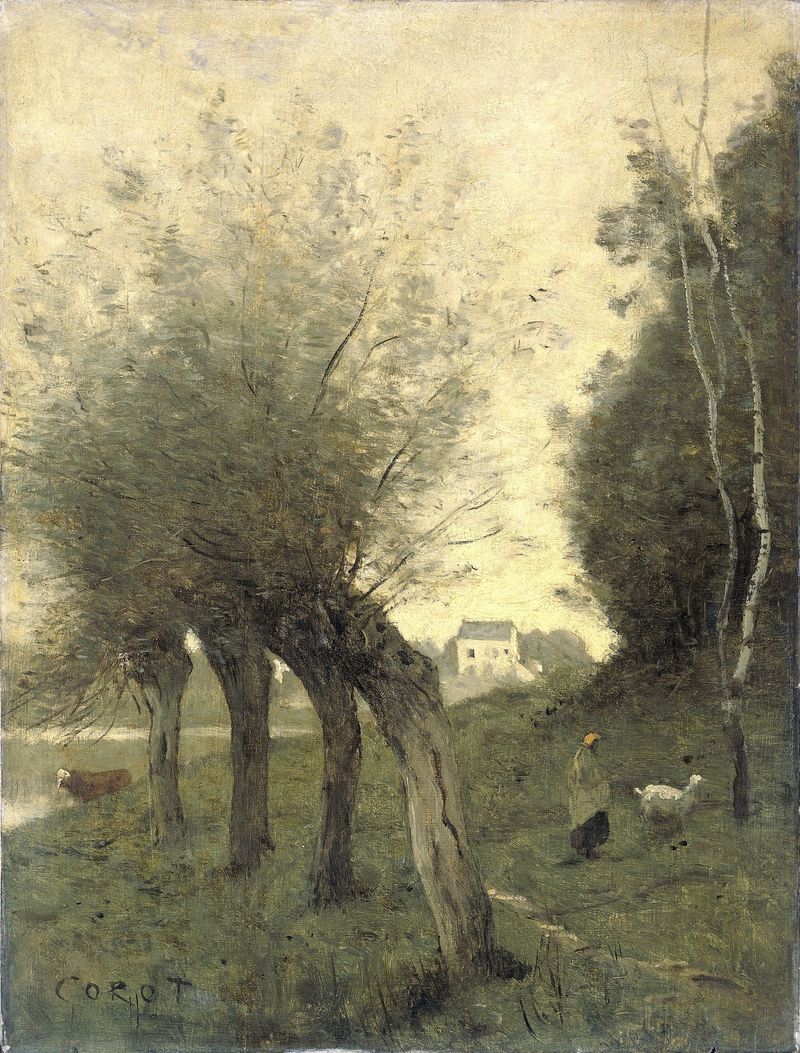
Landscape with Pollard Willows
Jean-Baptiste-Camille Corot
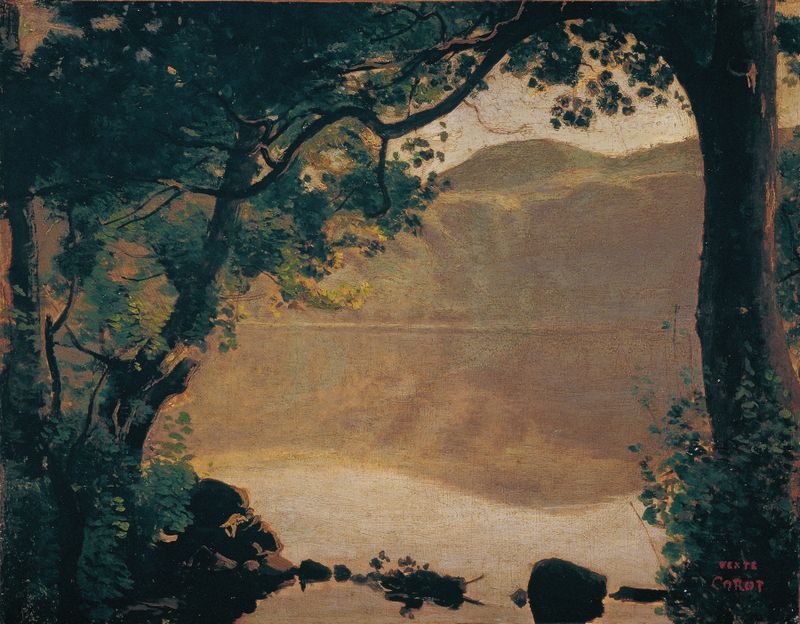
Der Nemisee
Jean-Baptiste-Camille Corot
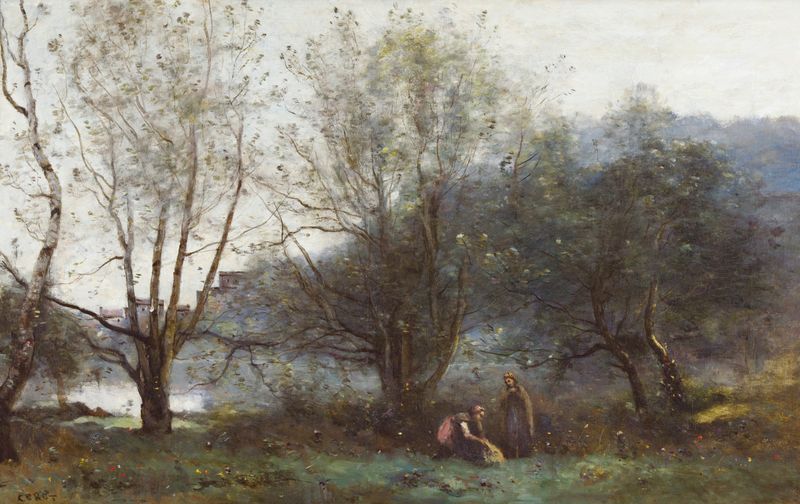
Les Étangs De Ville D’avray
Jean-Baptiste-Camille Corot
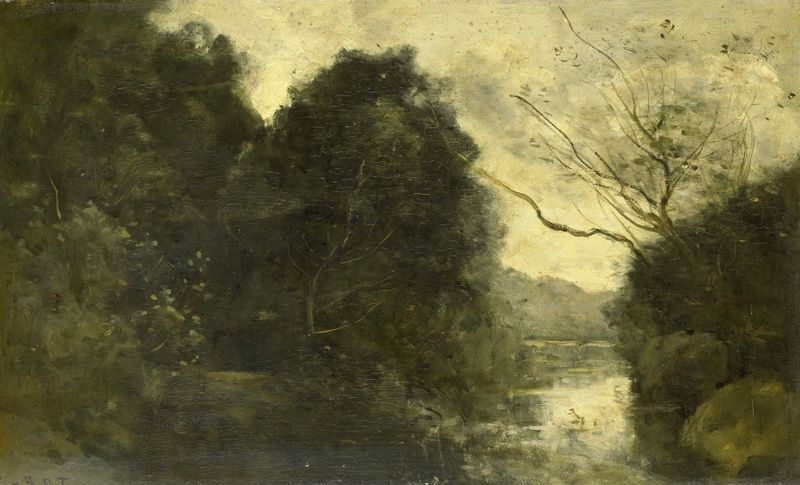
Pond in the Woods
Jean-Baptiste-Camille Corot
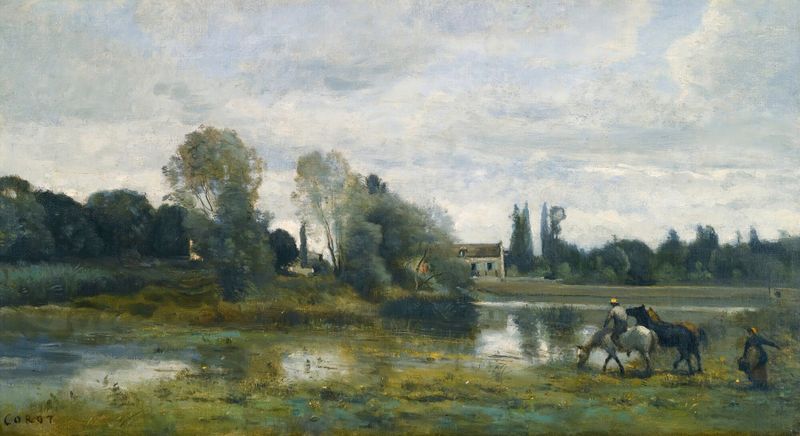
Ville D’avray; L’abreuvoir Des Chevaux
Jean-Baptiste-Camille Corot
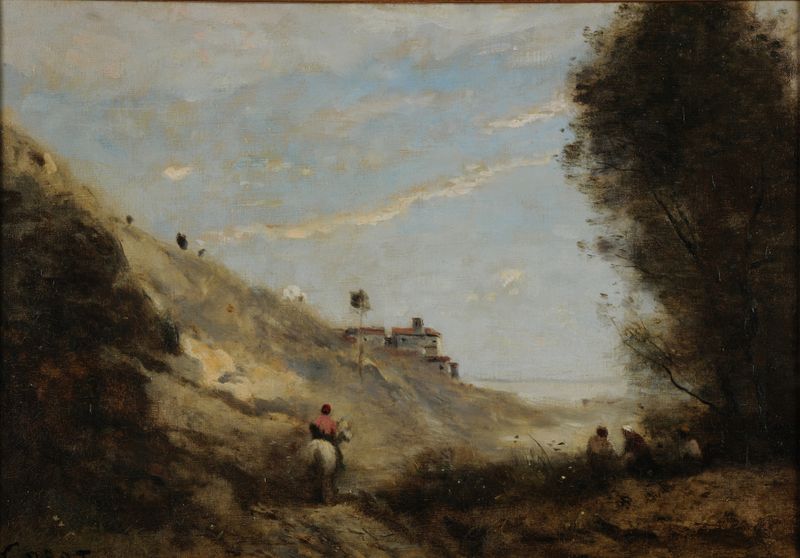
Le vallon au cavalier
Jean-Baptiste-Camille Corot





