
Ytterselö — History & Facts
Could beauty survive in a century of chaos? In a world ravaged by war and uncertainty, art often becomes a refuge for the soul, a sanctuary of stillness. Look to the center, where the radiant light cascades over a tranquil landscape, illuminating the delicate interplay of nature and architecture. The gentle curves of the hills cradle the serene waters, while soft pastel colors create a dreamlike quality that invites contemplation. Notice how the buildings emerge harmoniously from the earth, their organic shapes echoing the surrounding flora, suggesting a seamless integration of human creation and natural beauty. Yet beneath this serene surface, there lies a poignant tension.
The contrast between the vibrant foliage and the calm waters hints at an underlying nostalgia—echoes of a bygone era yearning to connect with a more innocent time. The delicate brushstrokes capture fleeting moments of nature, reminding us of the fragility of beauty and the inevitable passage of time. Each element feels like a whisper of longing, as if the artist seeks to preserve a fleeting glimpse of harmony against the backdrop of tumultuous change. Ferdinand Boberg created Ytterselö between 1915 and 1924, a period marked by both personal and societal upheaval.
Living in Sweden, Boberg navigated the shifting tides of modernism while reflecting on the beauty of his surroundings. This work encapsulates his desire to convey a sense of solace amidst a rapidly evolving world, where the lush landscapes serve as a reminder of the enduring power of nature, even in the face of chaos.
More Artworks by Ferdinand Boberg
Browse all →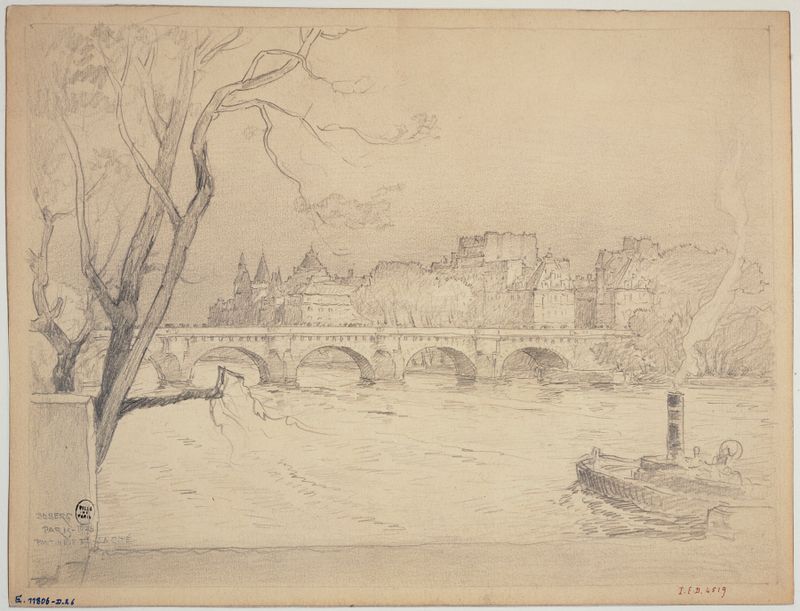
Le Pont-Neuf et la Cité
Ferdinand Boberg
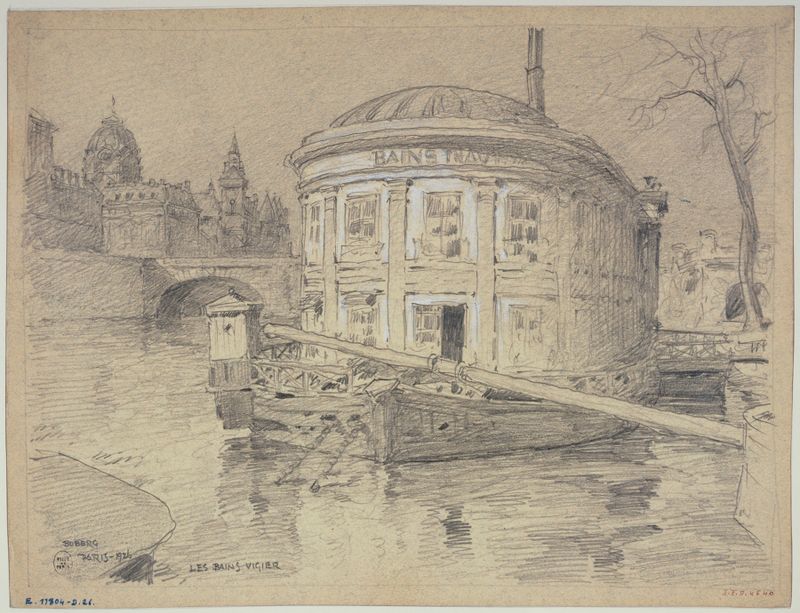
Les bains Vigier au Pont-Neuf
Ferdinand Boberg
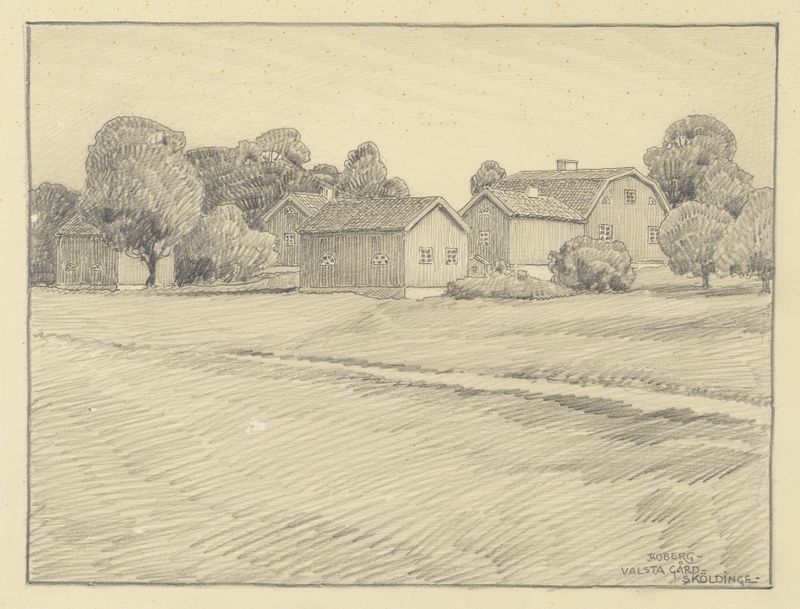
Valsta Gård
Ferdinand Boberg
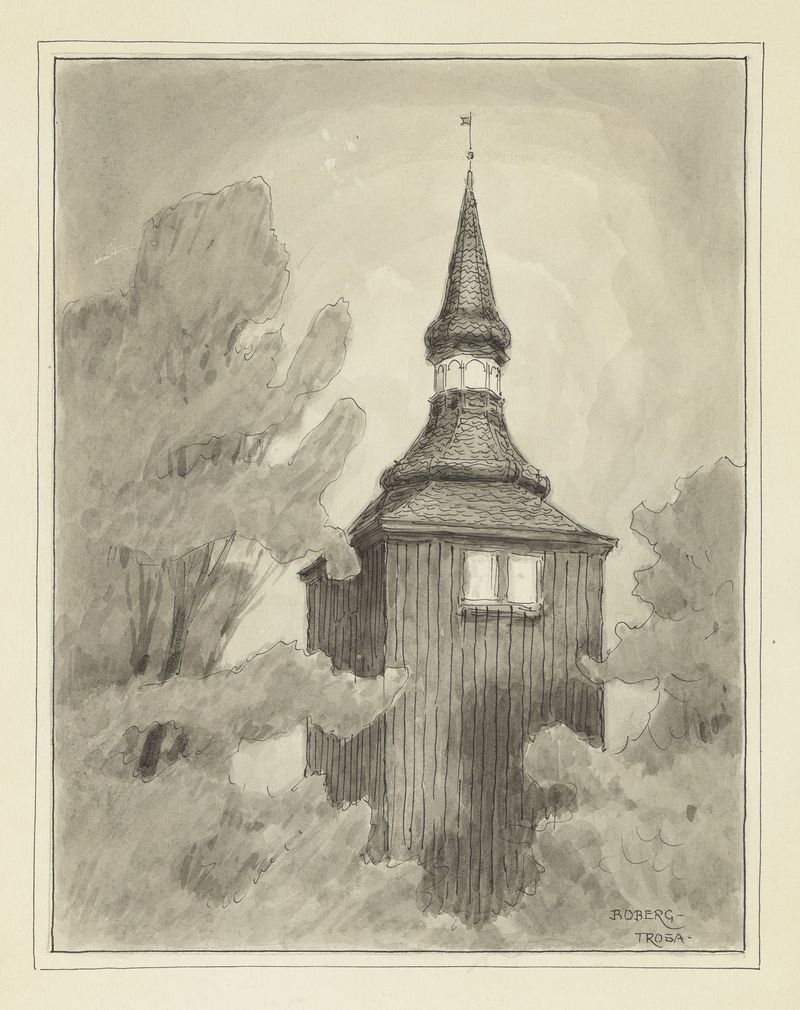
Trosa
Ferdinand Boberg
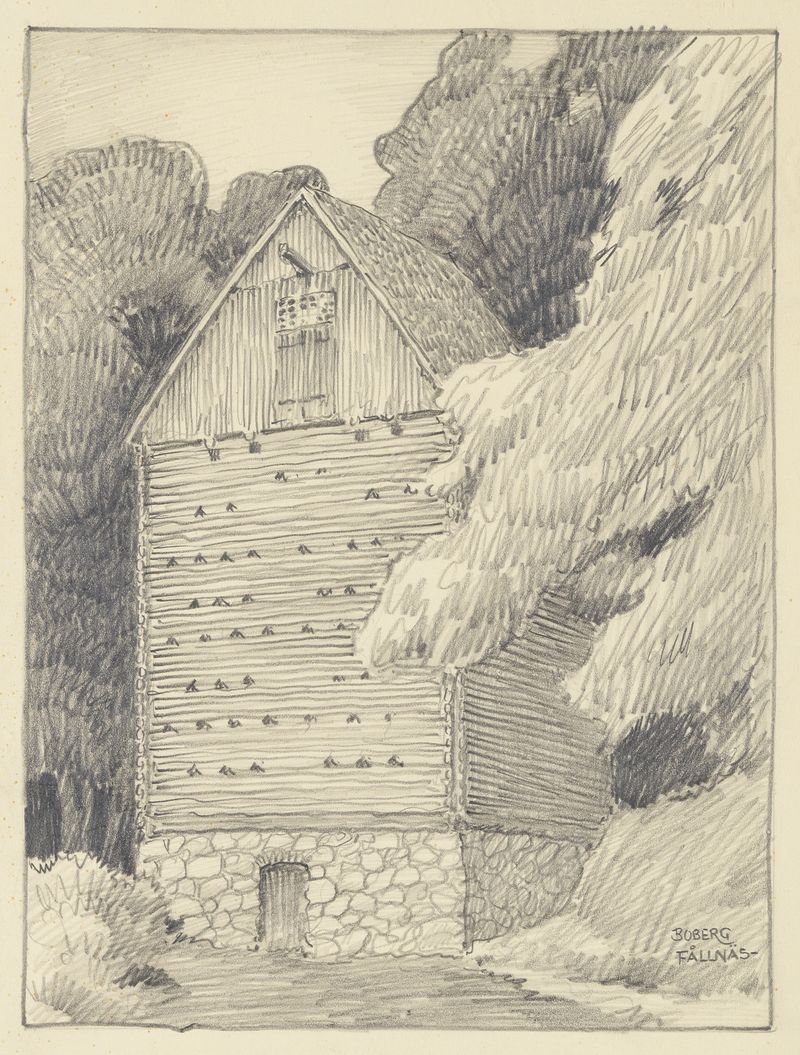
Fållnäs
Ferdinand Boberg
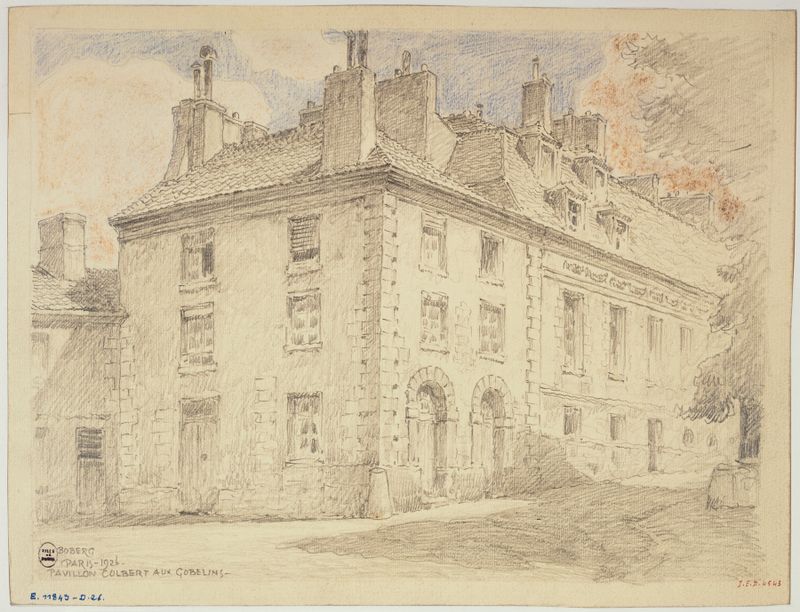
Le pavillon Colbert aux Gobelins
Ferdinand Boberg
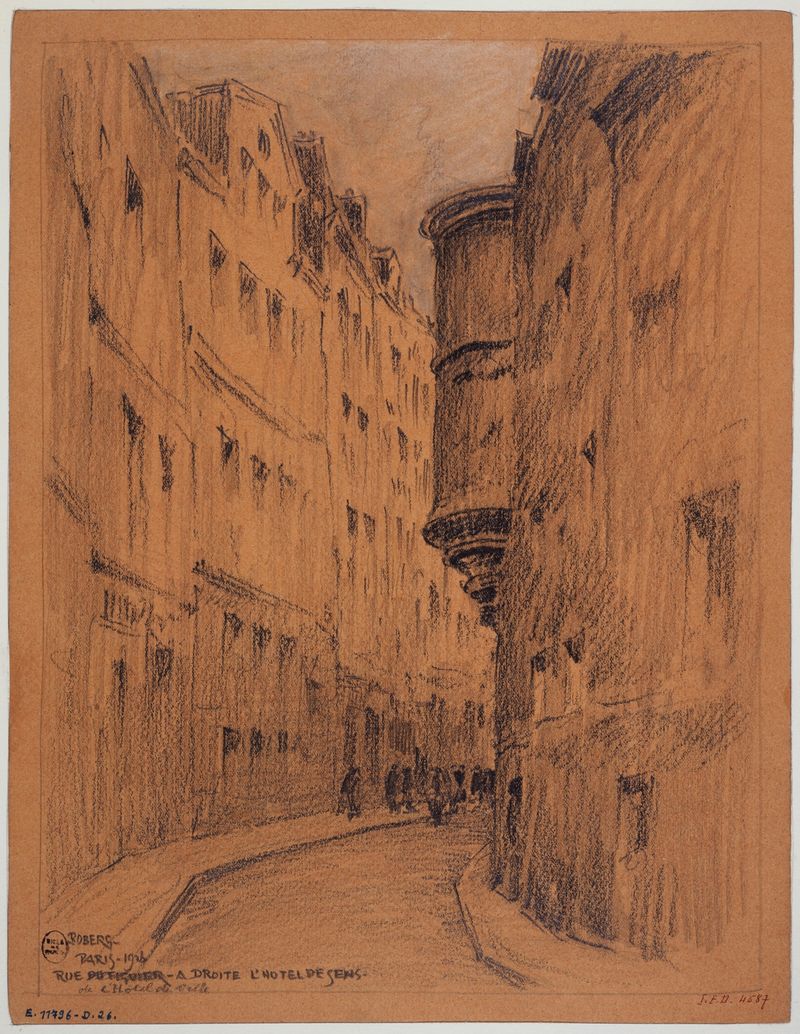
Rue de l’Hôtel de Ville; l’hôtel de Sens
Ferdinand Boberg
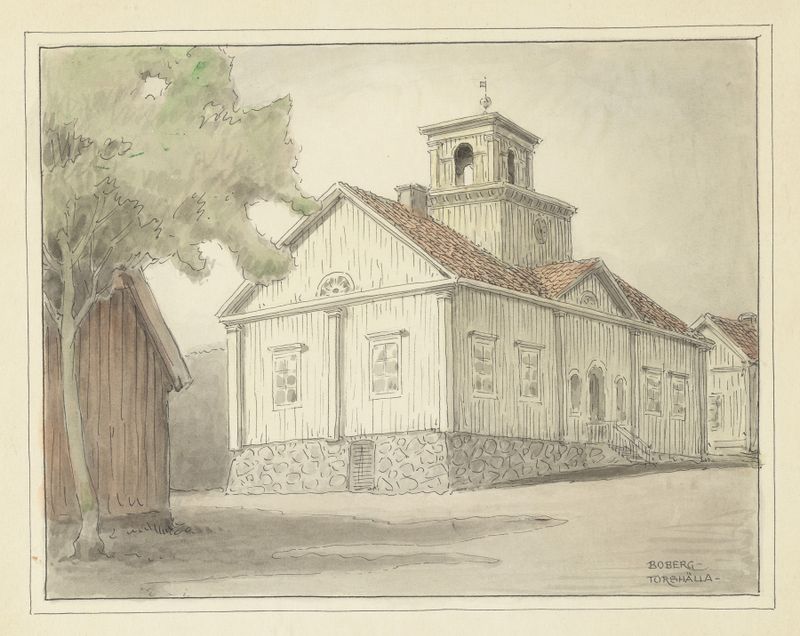
Torshälla
Ferdinand Boberg
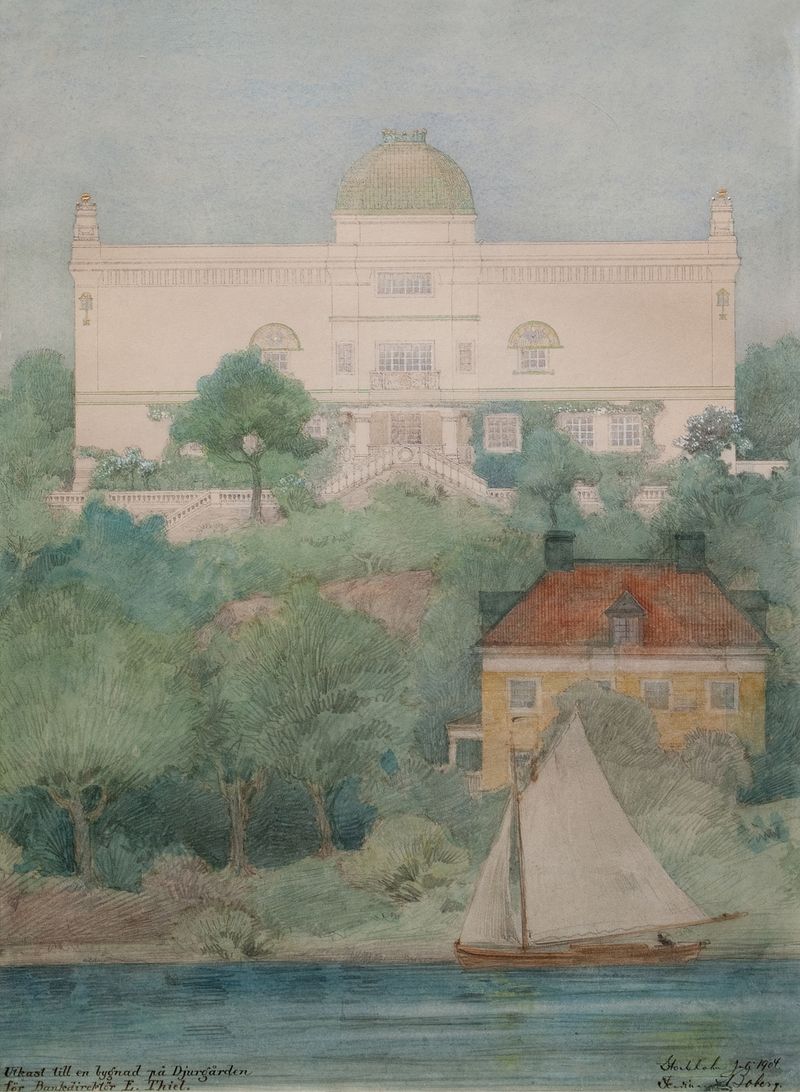
Sketch for a building for Thiel’s Gallery
Ferdinand Boberg
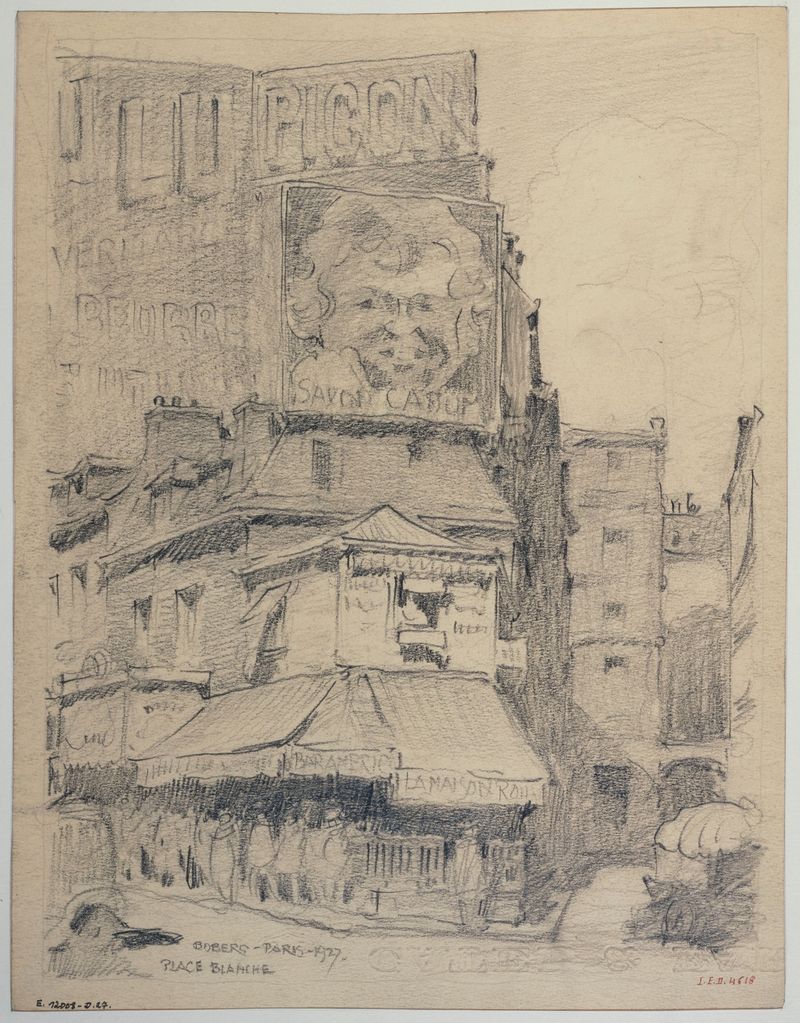
La place Blanche
Ferdinand Boberg





