
Yuki no Mukojima (Snow at Mukojima) — History & Facts
In the shroud of winter’s embrace, the world stands transformed, a serene testament to the divine whisper of nature. Look closely at the delicate interplay of color in Yuki no Mukojima. The icy blues and soft whites create a dreamlike landscape, drawing your eye to the gentle curve of the snow-laden rooftops. Notice how the light dances across the surface of the snow, rendering it almost luminous, while shadows play subtly beneath trees, giving depth and dimension to the scene.
Each stroke and hue is deliberate, evoking both tranquility and a sense of reverence for the beauty of winter. As you explore further, consider the contrast of the serene landscape against the human absence. The empty pathways suggest solitude, inviting contemplation on the relationship between humanity and nature. The distant hills, cloaked in mist, hint at the divine beyond the earthly realm—an invitation to ponder the interplay of presence and void, and how silence can be as profound as sound.
The painting resonates with a spiritual quality, embodying both stillness and the quiet pulse of life that exists even in the coldest of seasons. Created in 1931, this work emerged during a period of artistic innovation in Japan, where Kawase Hasui was pivotal in the shin-hanga movement, blending traditional woodblock techniques with modern sensibilities. Living in Tokyo, Hasui sought to capture the essence of his surroundings, reflecting both a personal and collective yearning for beauty amidst the rapid changes of the early 20th century.
More Artworks by Kawase Hasui
Browse all →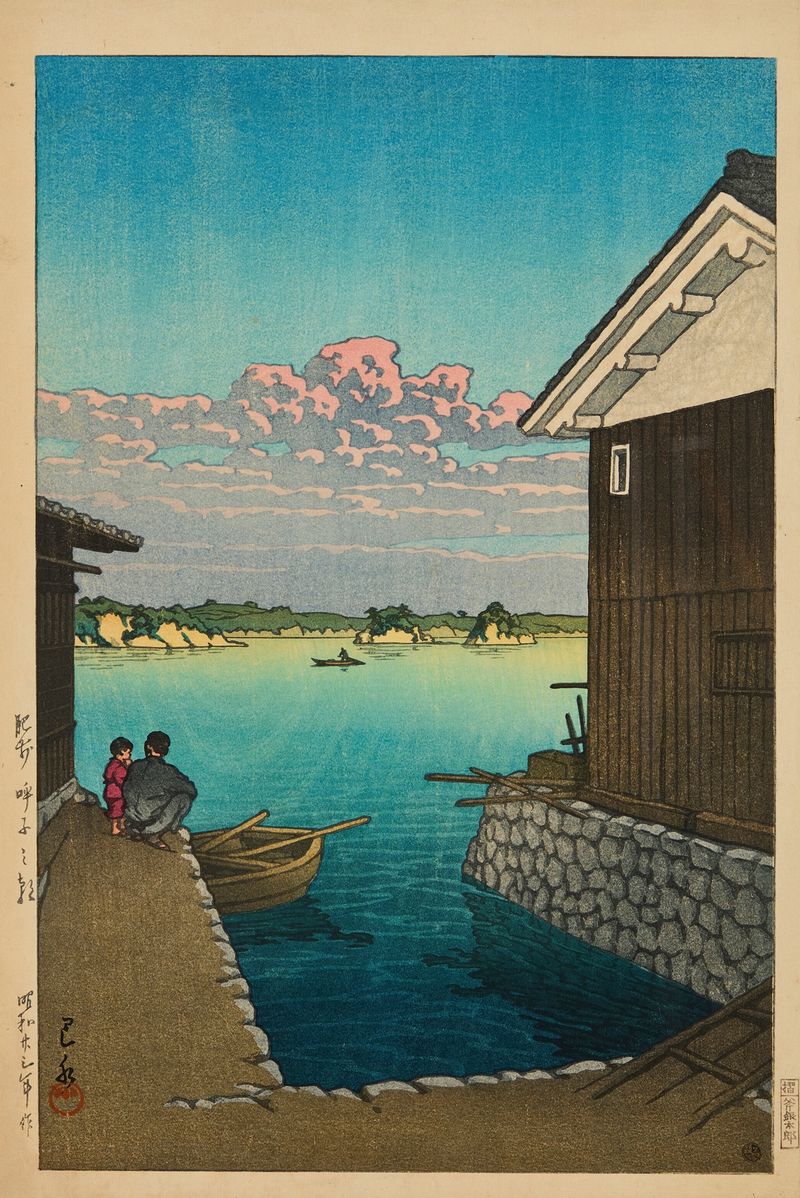
Hizen Yobuko no asa (Morning in Yobuko, Hizen)
Kawase Hasui
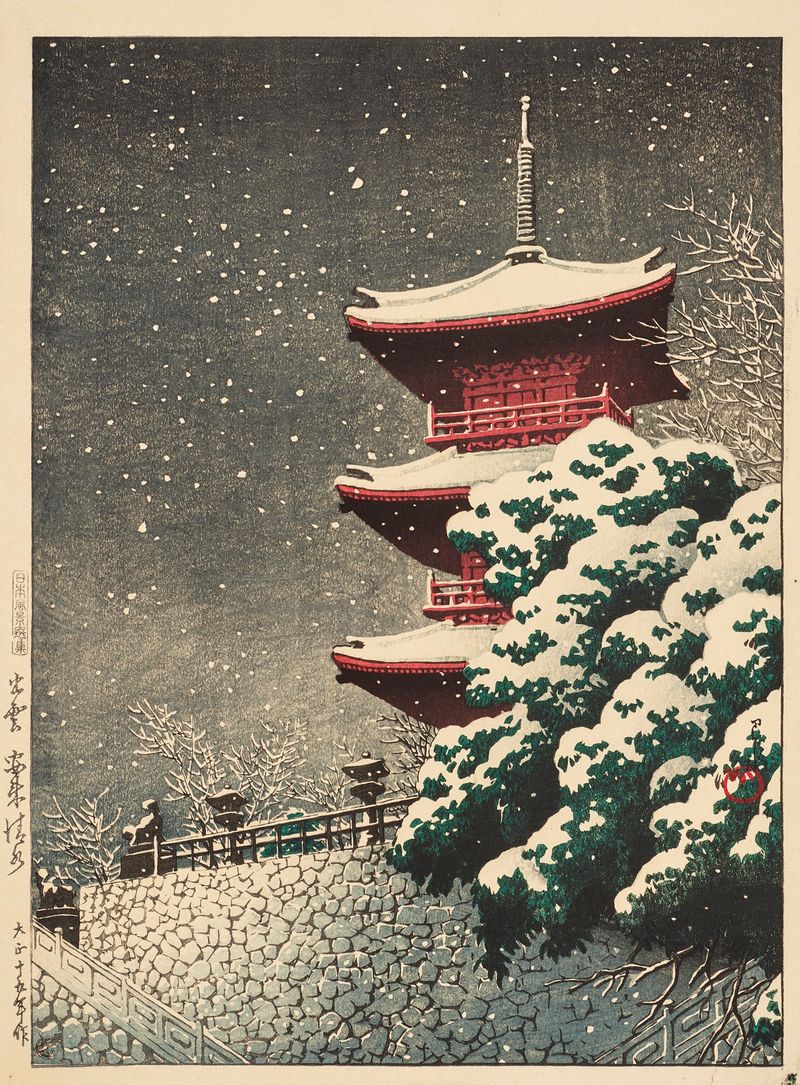
Izumo, Yasugi Kiyomizu (Yasugi Kiyomizu Temple at Izumo)
Kawase Hasui
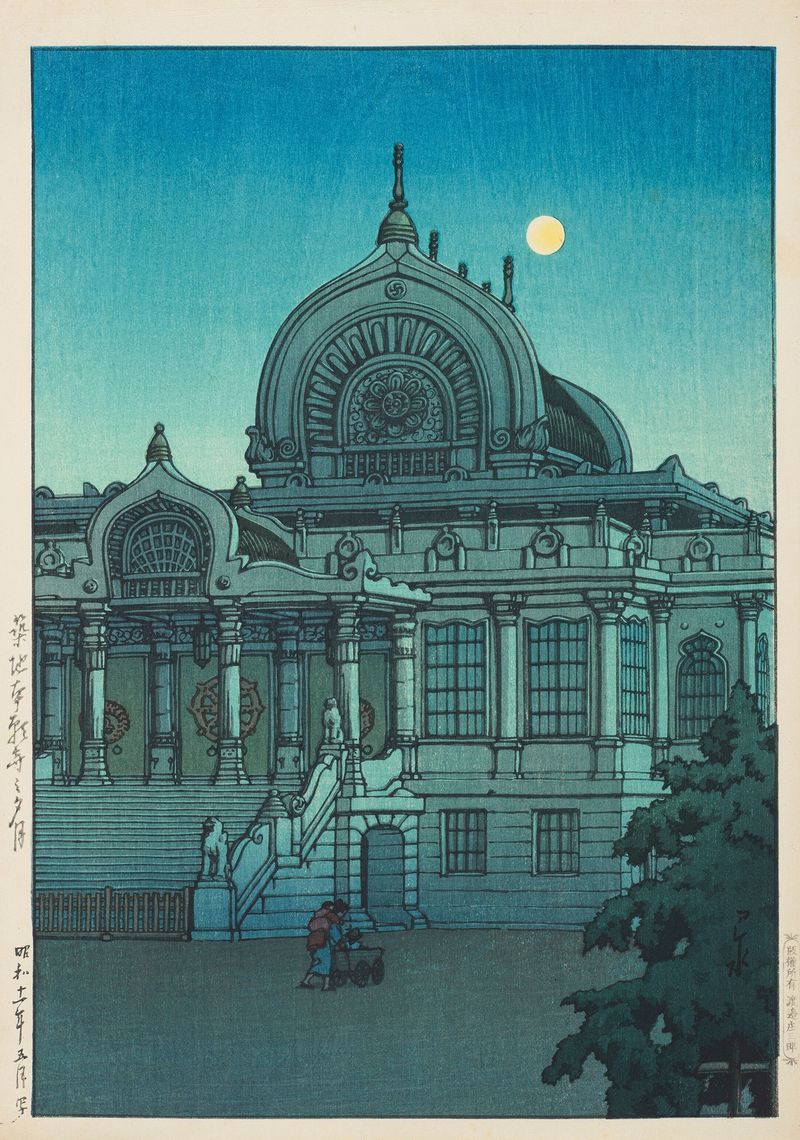
Tsukiji Honganji no yuzuki (Evening moon at Honganji Temple in Tsukiji)
Kawase Hasui
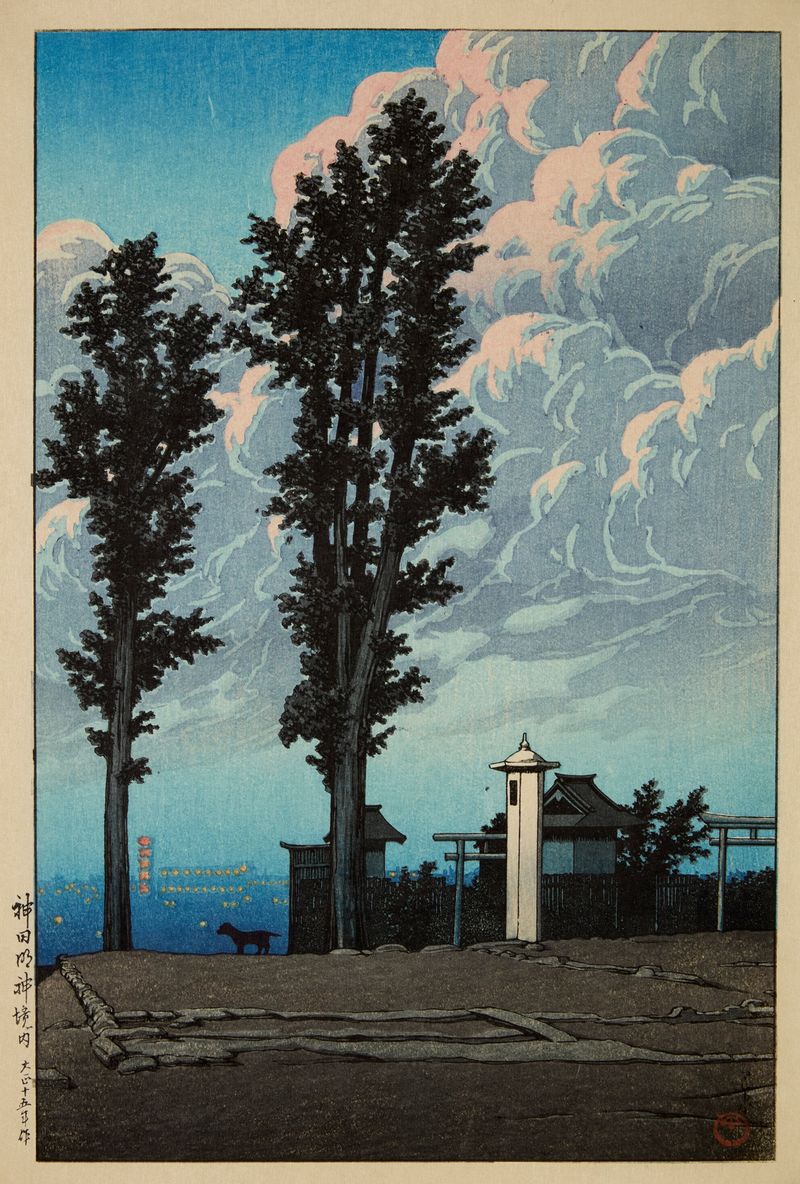
Kanda Myojin keidai (Kanda Myojin Shrine precent)
Kawase Hasui
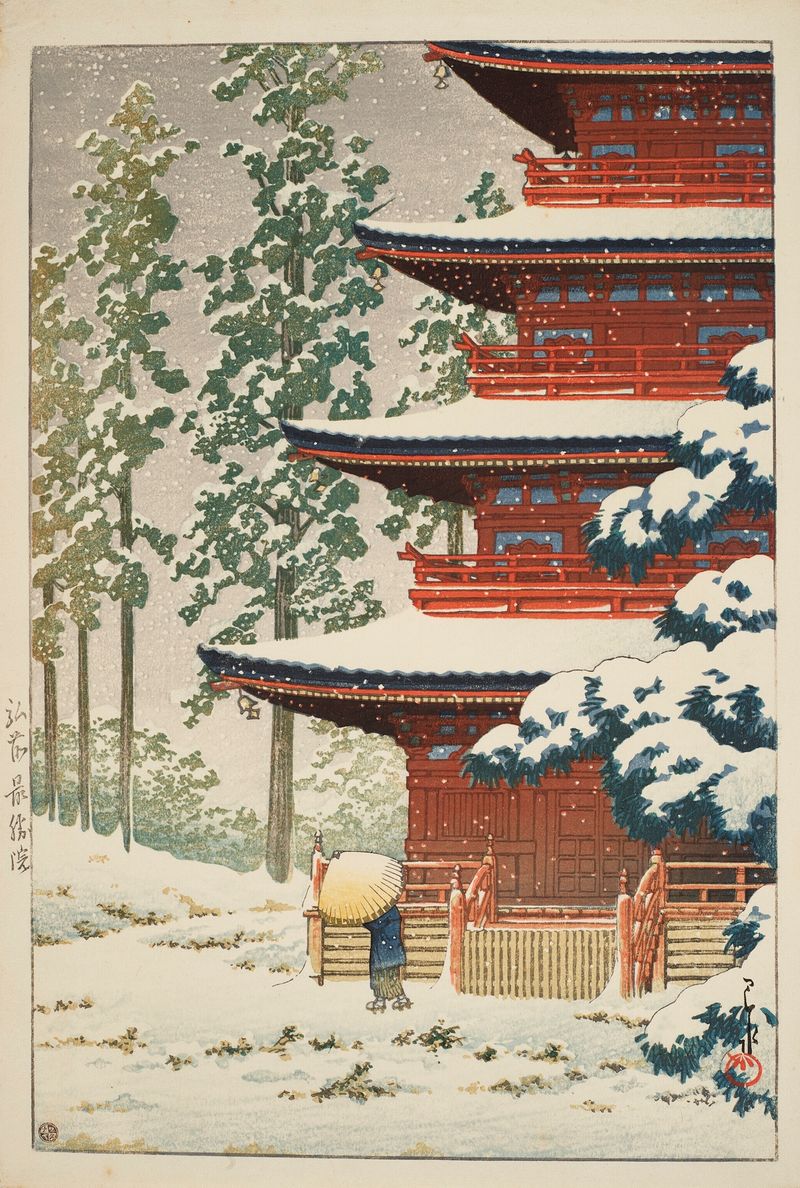
Saisho-in Temple, Hirosaki
Kawase Hasui
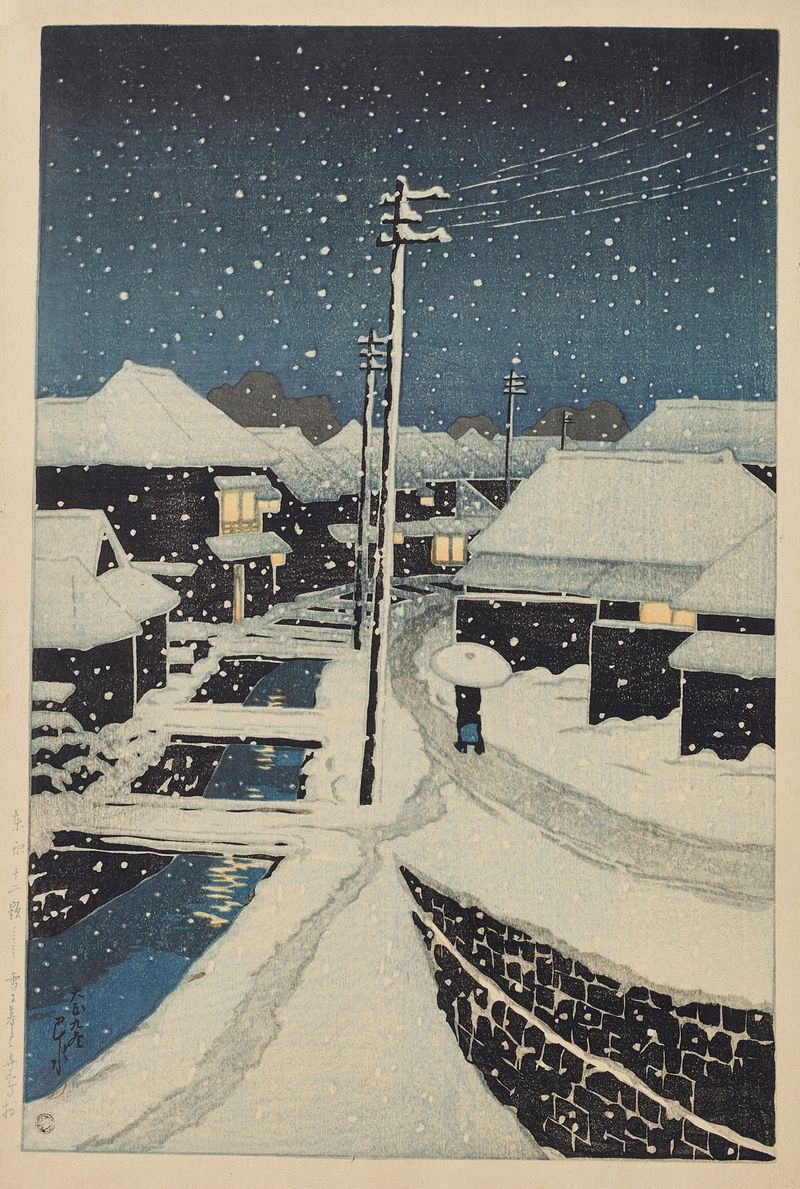
Yuki ni fururu Terajima mura (Evening snow at Terajima Village)
Kawase Hasui
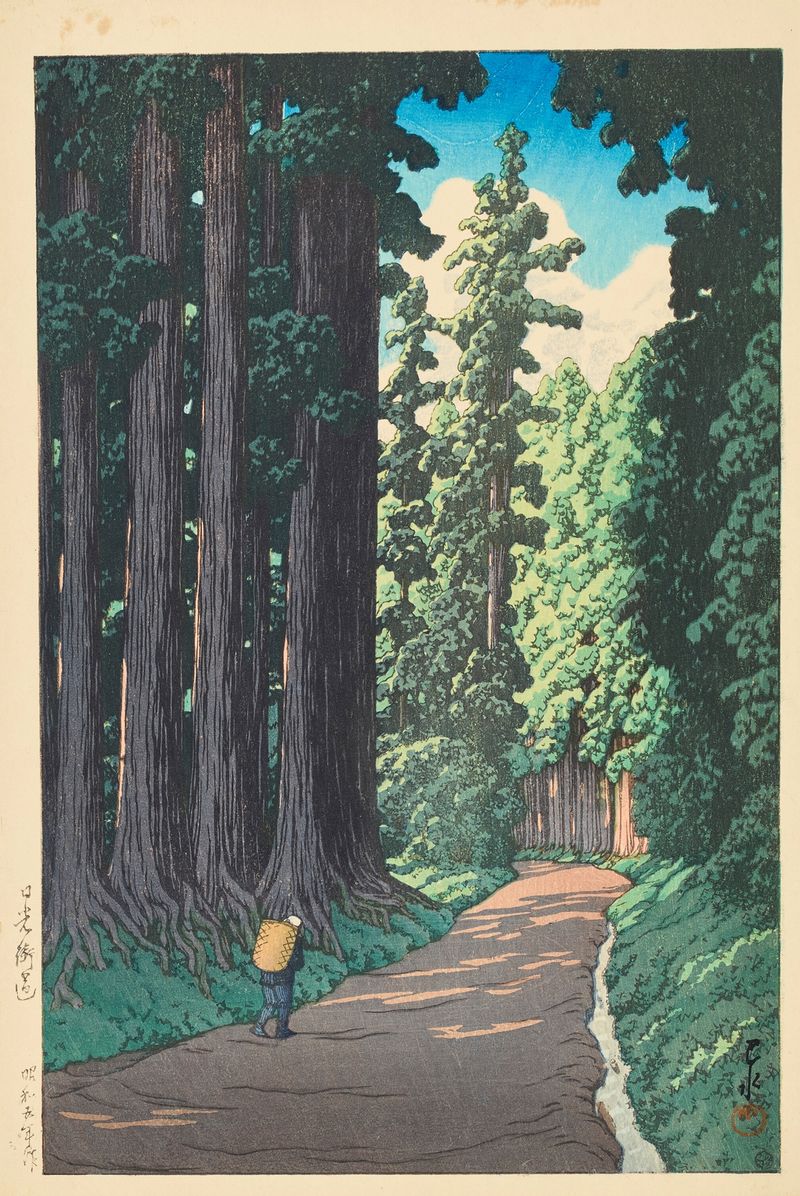
Nikko gaido (The Road to Nikko)
Kawase Hasui
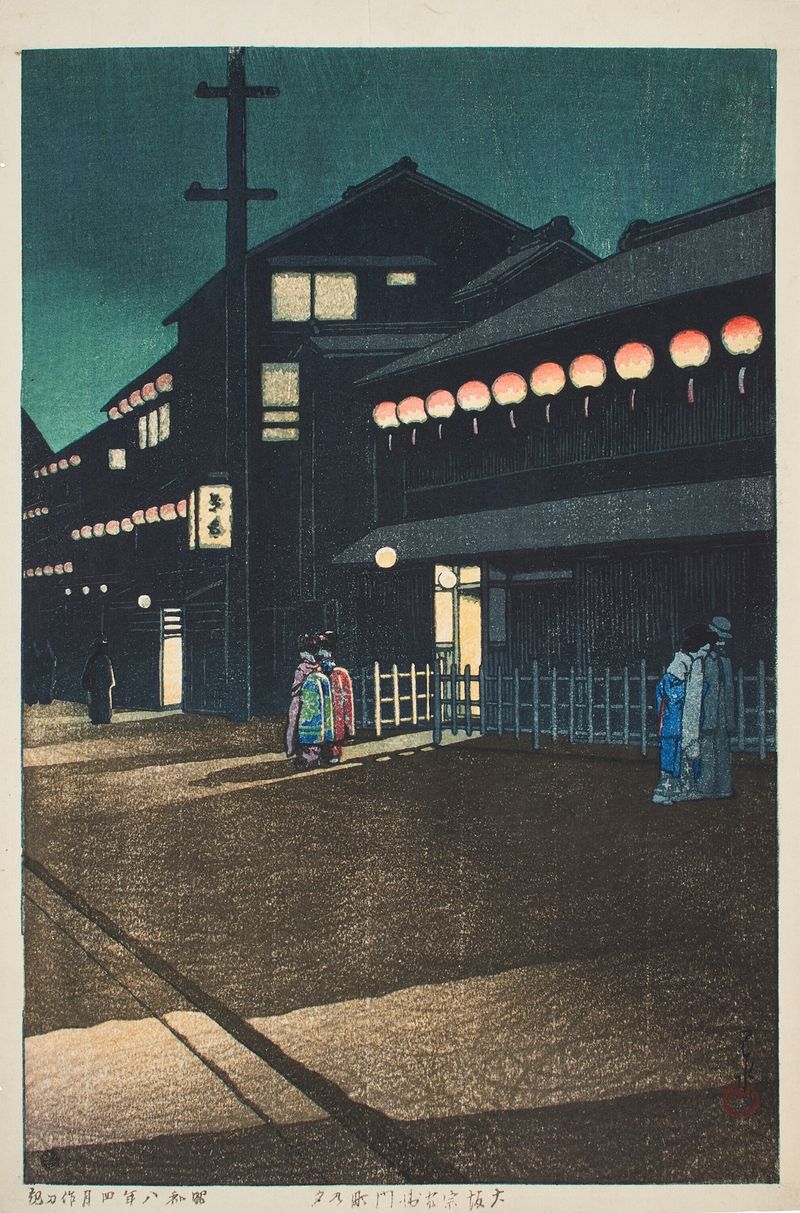
Osaka Soemon-cho no yu (Evening in Soemon-cho, Osaka)
Kawase Hasui
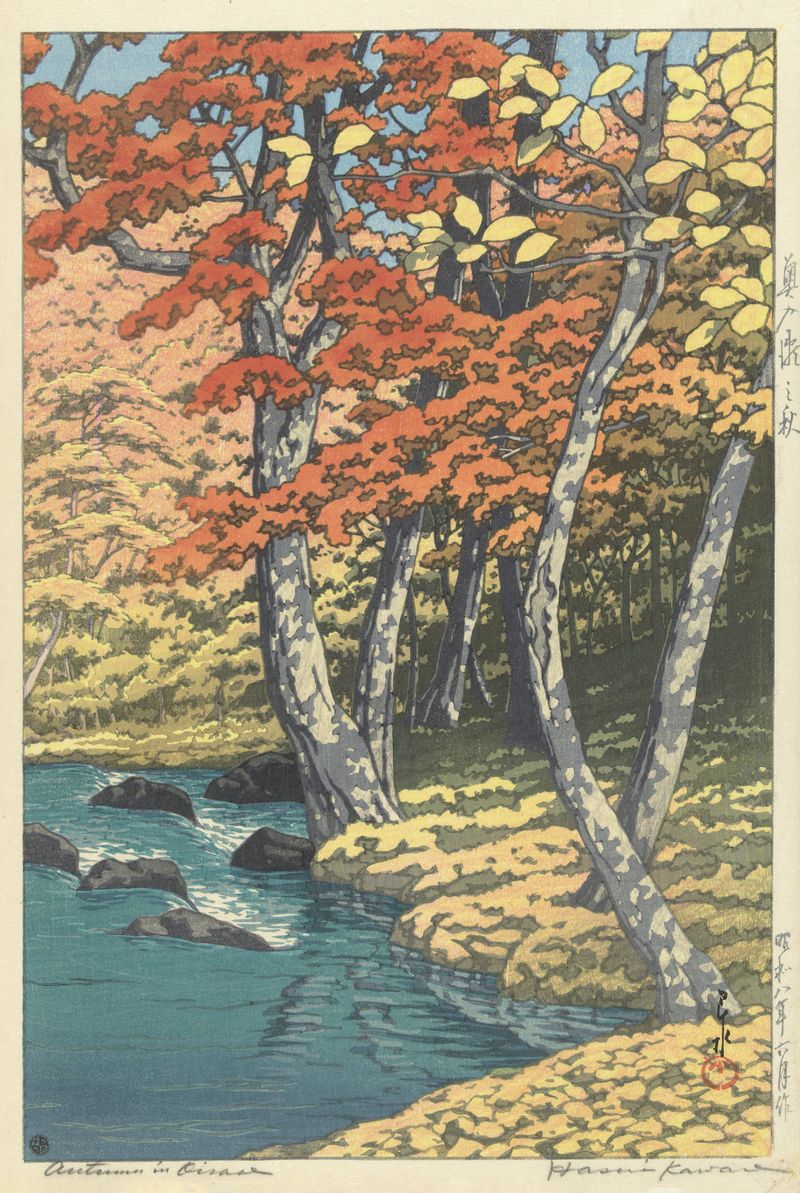
Autumn In Oirase
Kawase Hasui
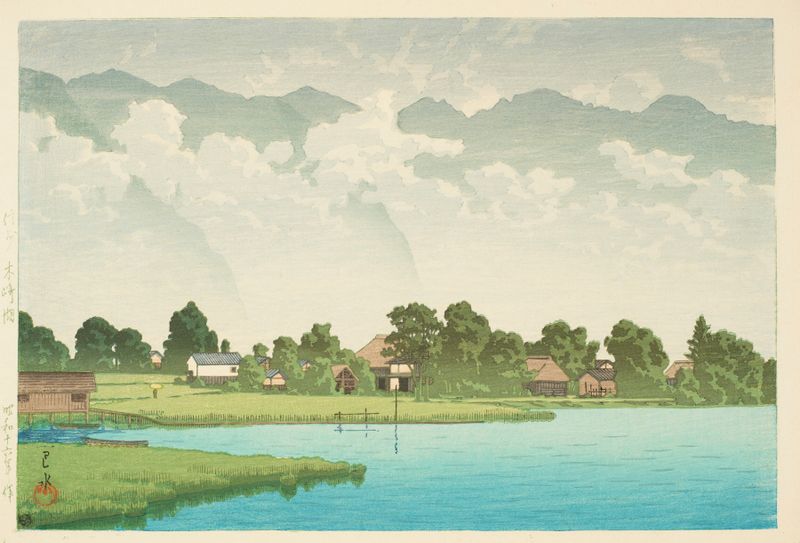
Shinshu Kizakiko (Kizaki Lake in Shinshu)
Kawase Hasui





