
Zeegezicht bij nacht — History & Facts
Could beauty survive in a century of chaos? In Zeegezicht bij nacht, Reinier Nooms invites us to ponder this question as the darkness envelops the scene, cloaking it in mystery and allure. The shimmering water reflects a hauntingly beautiful moonlight, and in the distance, boats drift like specters, suggesting a fragile tranquility amidst the tumult of 17th-century Europe. Look to the lower right where the gentle waves lap against the hull of a small vessel. The muted blues and silvers create an ethereal atmosphere, contrasting sharply with the deep blacks of the night sky, which is punctuated by twinkling stars.
The subtle brushstrokes evoke movement in the water, drawing the eye along the path of the moon's glow, leading away from the chaos that lies beyond the canvas. The interplay of light and shadow reveals a meticulous attention to detail, inviting viewers to linger in this tranquil moment. Yet, within this serene portrayal lies an undercurrent of unease. The darkness hints at uncertainty, as if the calmness of the scene could be shattered at any moment.
The solitary boats suggest isolation and the fragility of human existence, while the vastness of the water emphasizes the insignificance of man against nature. This juxtaposition serves as a reminder of the madness brewing beyond the horizon, reinforcing the tension between beauty and chaos. Reinier Nooms painted Zeegezicht bij nacht between 1651 and 1652, a time when the Dutch Republic was grappling with social and political upheaval. As an artist, Nooms was known for his maritime scenes, reflecting both the glory and turmoil of the era.
During this period, the art world was transitioning, witnessing the rise of realism and the exploration of light in painting, elements that Nooms masterfully employed to capture the essence of his time.
More Artworks by Reinier Nooms
Browse all →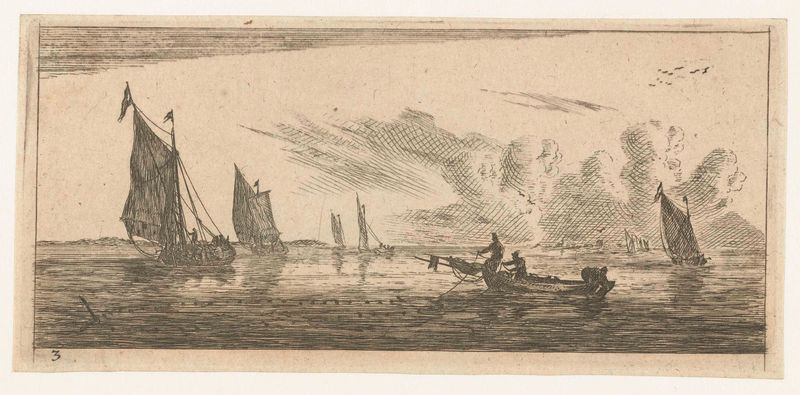
Zeegezicht met verschillende zeilschepen
Reinier Nooms
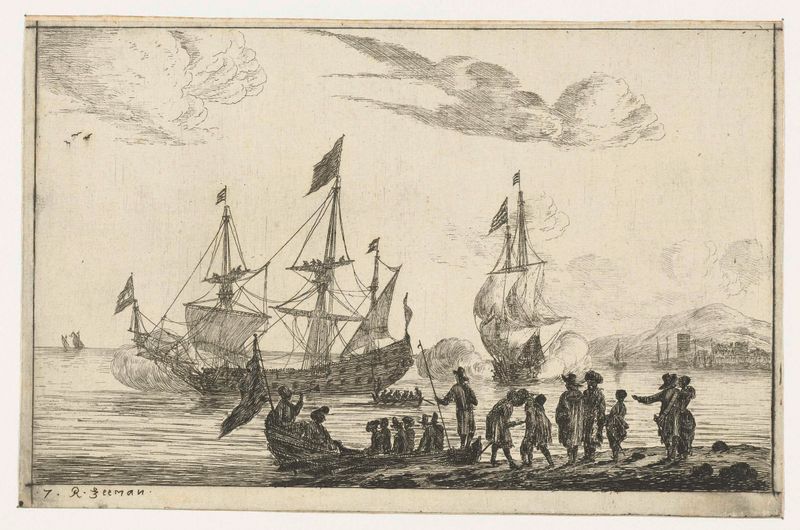
Havenscène met een spiegelsloep
Reinier Nooms
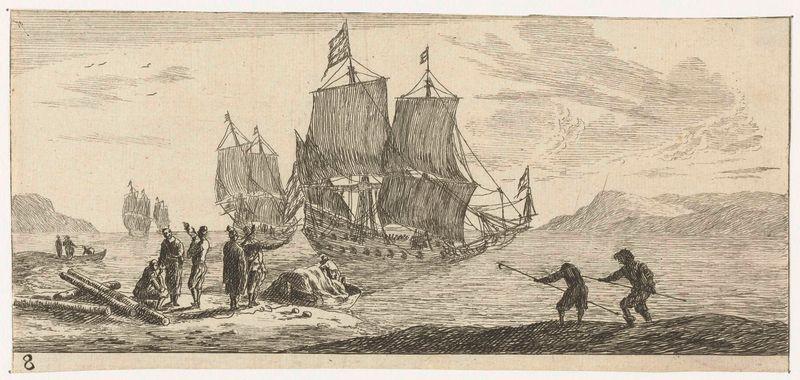
Vier grote zeilschepen in een baai
Reinier Nooms
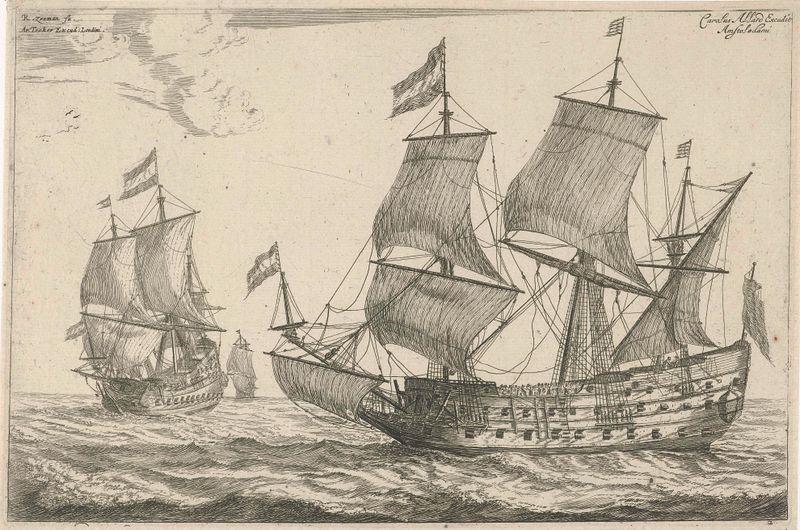
Twee grote oorlogsschepen
Reinier Nooms
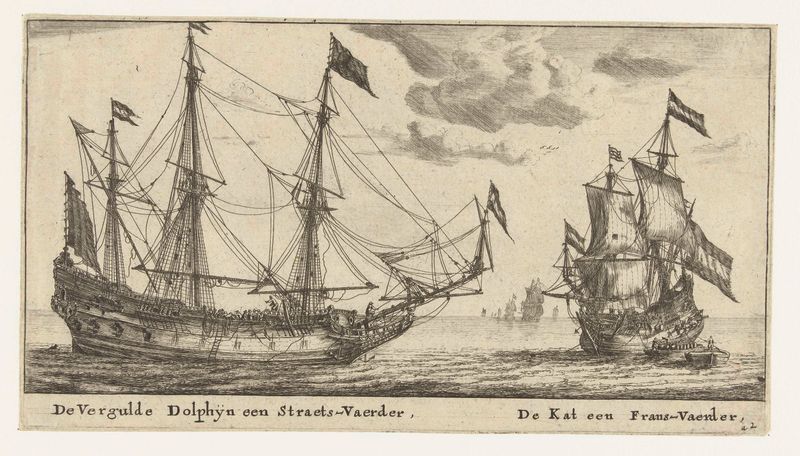
De schepen De Vergulde Dolfijn en De Kat
Reinier Nooms
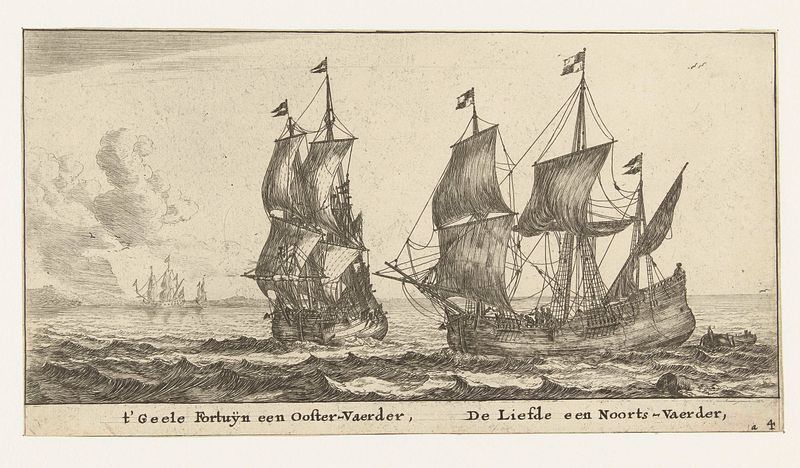
De schepen 't Gele Fortuin en De Liefde
Reinier Nooms
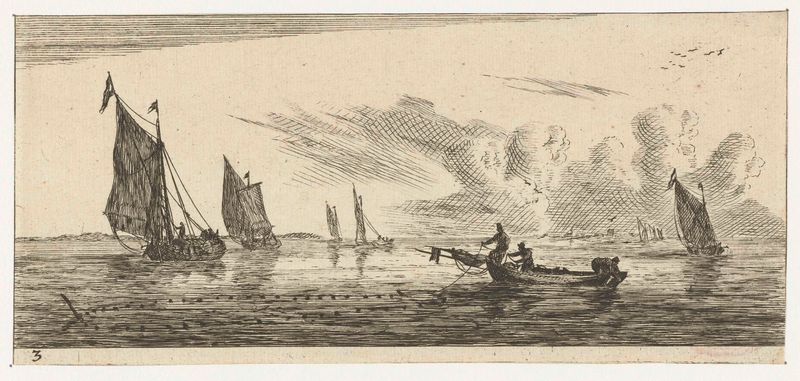
Zeegezicht met verschillende zeilschepen
Reinier Nooms
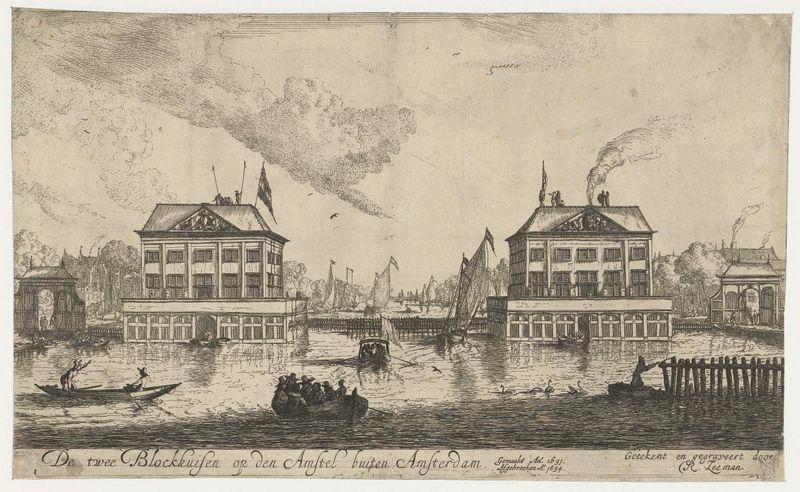
Gezicht op de twee Blokhuizen in de Amstel
Reinier Nooms
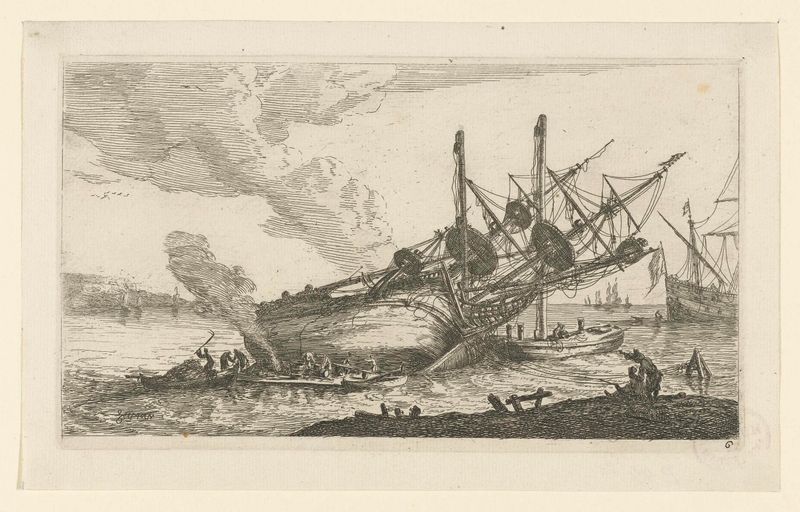
Reparaties aan de romp van een schip
Reinier Nooms
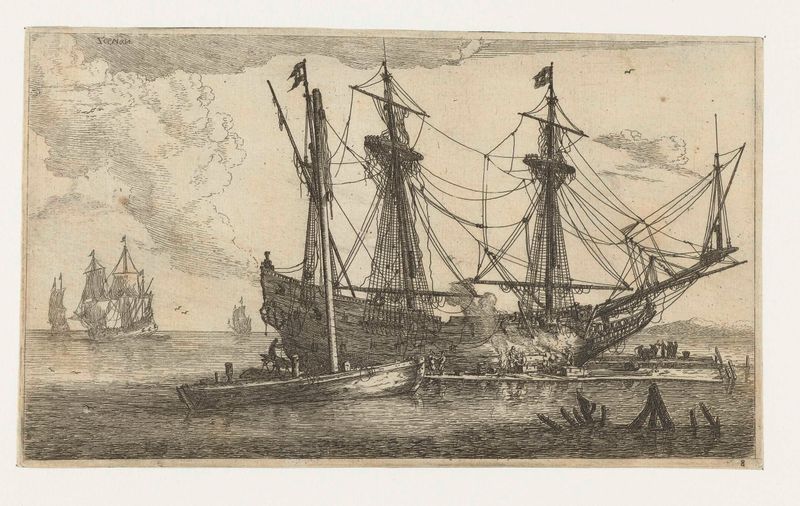
Reparaties aan de romp van een schip
Reinier Nooms





