
Zeehaven — History & Facts
Did the painter know this moment would outlive them? In Zeehaven, a haunting stillness captures the intersection of human ambition and the vast, chaotic sea, evoking a sense of madness that lingers long after the brushstrokes have dried. Focus on the left side, where boats are moored quietly, their sails in a state of disarray. The muted palette of blues and grays, punctuated by the occasional warm hue of ochre, reflects the tumultuous waters, evoking the unpredictable nature of maritime life. Notice how the figures, small and almost ghostly, seem dwarfed by the expansive sky, their gestures hinting at both labor and leisure—a juxtaposition that invites contemplation of their true purpose within this bustling port. Delve into the quiet tension between nature and humanity, captured by the turbulent waves crashing against the dock.
The flickering light dances across the water's surface, imbuing the scene with a sense of transience and fragility. Each element of the painting—be it the disorder of the boats or the distant horizon—whispers of a madness that teeters at the edge of civilization, where the allure of the sea beckons yet threatens to consume. Created between 1652 and 1654, during a period marked by the Dutch Golden Age of painting, Reinier Nooms found himself amidst an ever-evolving maritime culture. As a sailor turned artist, his experiences at sea informed his work, blending the vibrant life of the harbor with a deep-seated understanding of its capricious nature.
In a world on the brink of exploration and commerce, Zeehaven stands as a testament to the delicate balance between human endeavor and the wild beauty of the ocean.
More Artworks by Reinier Nooms
Browse all →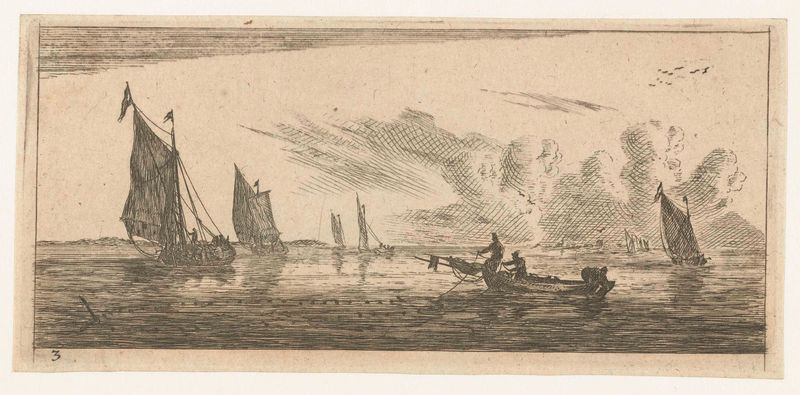
Zeegezicht met verschillende zeilschepen
Reinier Nooms
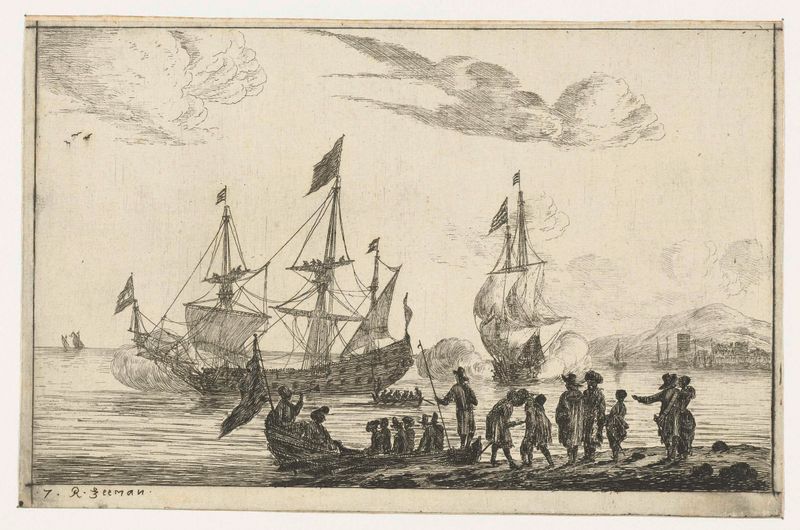
Havenscène met een spiegelsloep
Reinier Nooms
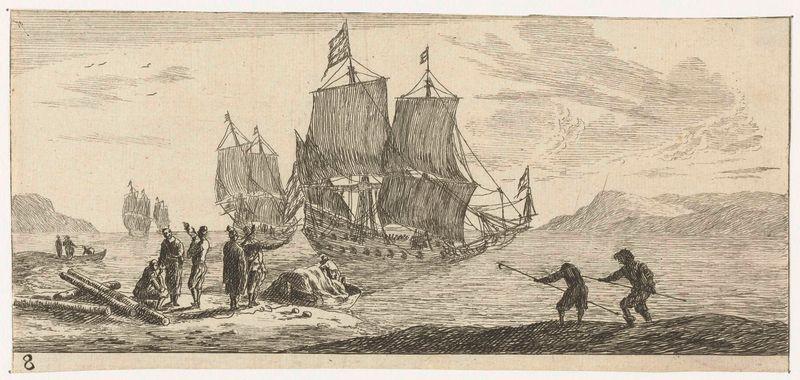
Vier grote zeilschepen in een baai
Reinier Nooms
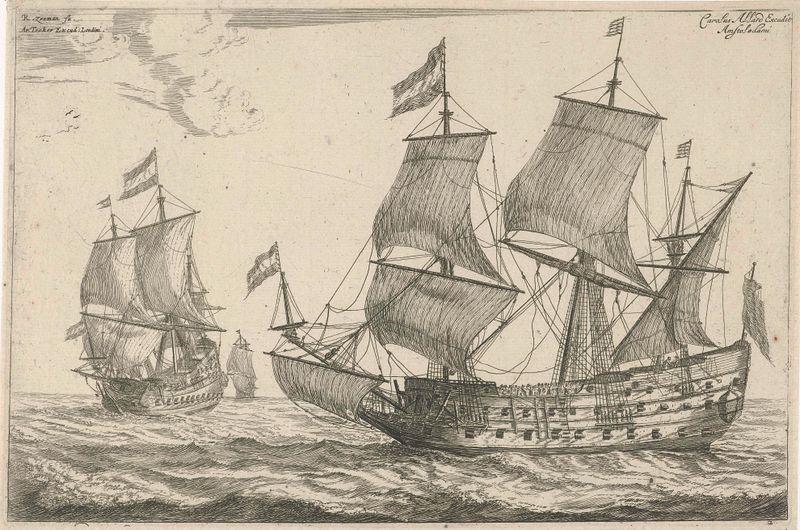
Twee grote oorlogsschepen
Reinier Nooms
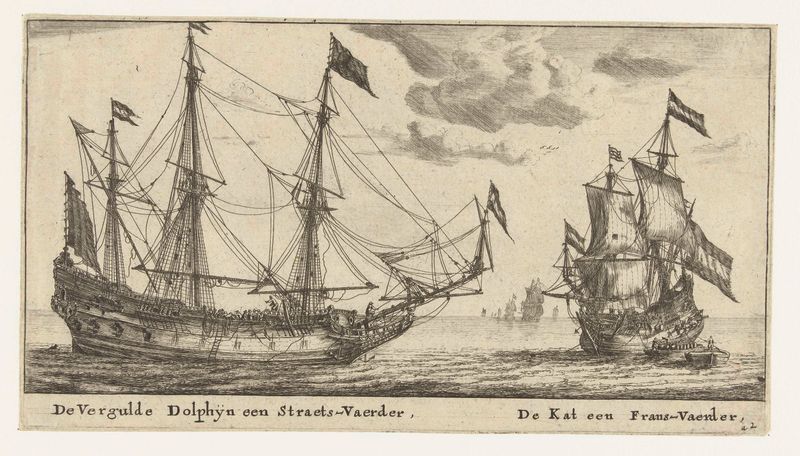
De schepen De Vergulde Dolfijn en De Kat
Reinier Nooms
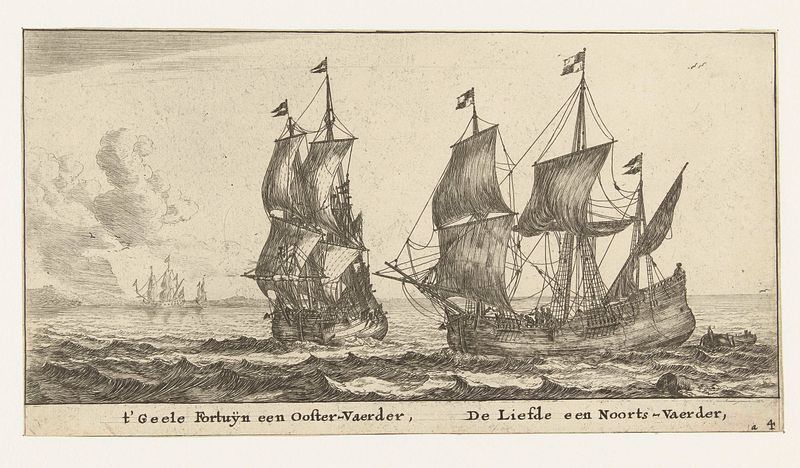
De schepen 't Gele Fortuin en De Liefde
Reinier Nooms
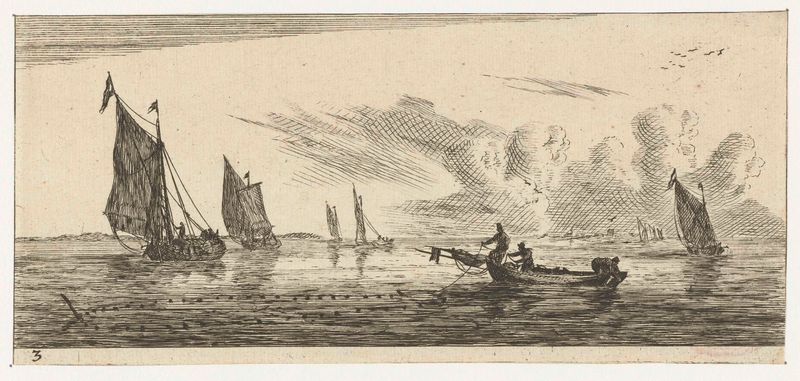
Zeegezicht met verschillende zeilschepen
Reinier Nooms
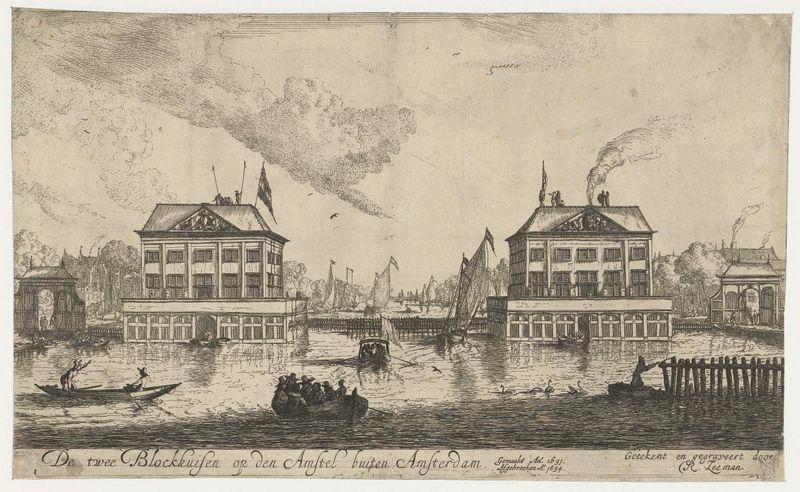
Gezicht op de twee Blokhuizen in de Amstel
Reinier Nooms
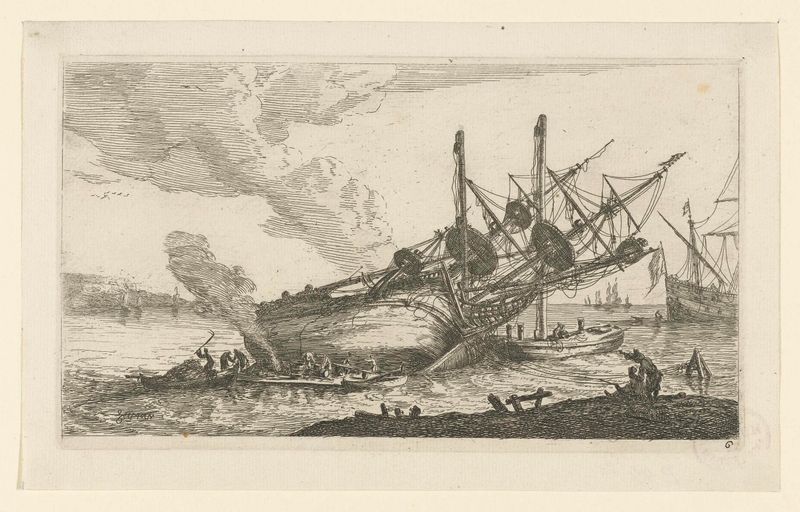
Reparaties aan de romp van een schip
Reinier Nooms
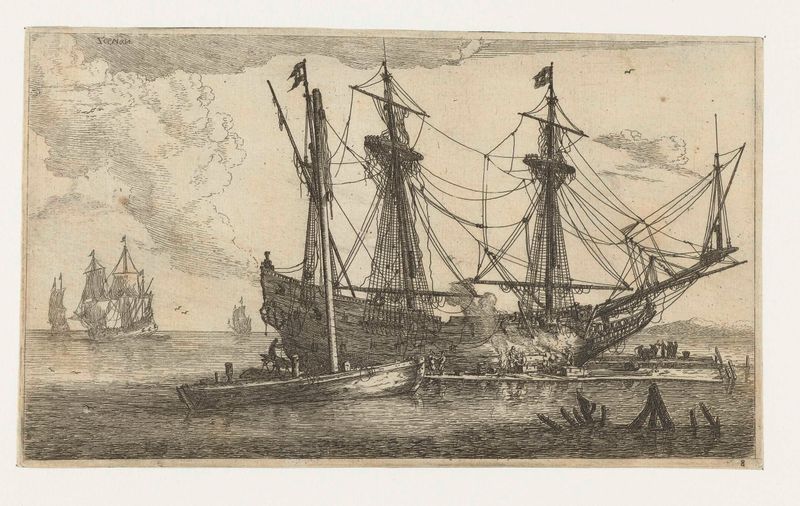
Reparaties aan de romp van een schip
Reinier Nooms





