
Zeeslag — History & Facts
What secret hides in the quiet of the canvas? In Zeeslag, a battle unfolds—a haunting encounter between loss and valor, captured in the stillness of time. Look to the foreground, where the ships, caught in a frenzied clash, anchor your gaze. Their billowing sails, painted with deft strokes, contrast sharply against the billowing clouds above—an interplay of chaos and calm. Notice how the sunlight breaks through the clouds, illuminating the splashes of water as they crash against the hulls, reflecting a palette of muted blues and grays that evoke a sense of melancholy.
Each vessel, though poised for combat, seems to carry the weight of unspoken farewells. Delve deeper into the sea’s surface, where the ripples hold a tension that suggests more than mere movement. The contrast between the vibrant energy of battle and the somber hues hints at the fragility of triumph; victory in war is often laced with sacrifice. The distant shoreline, blurred and almost ghostly, serves as a reminder of what is lost—those left behind, those who never returned.
Here, the canvas breathes a narrative of conflict intertwined with resignation, painting not just a scene of action but an echo of grief. Painted between 1652 and 1656, this work emerged during a period of naval conflicts in the Dutch Republic, where maritime power was both a source of pride and peril. Nooms, like many artists of his time, found himself navigating the turbulent waters of a rapidly changing society, capturing the spirit of his era while reflecting on the profound cost of warfare. In Zeeslag, he immortalized the battles of the sea, yet beneath the tumult lies a poignant recognition of the heart's quiet losses.
More Artworks by Reinier Nooms
Browse all →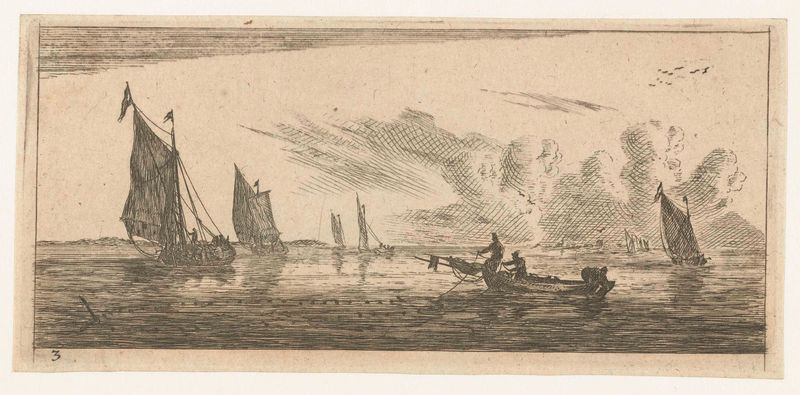
Zeegezicht met verschillende zeilschepen
Reinier Nooms
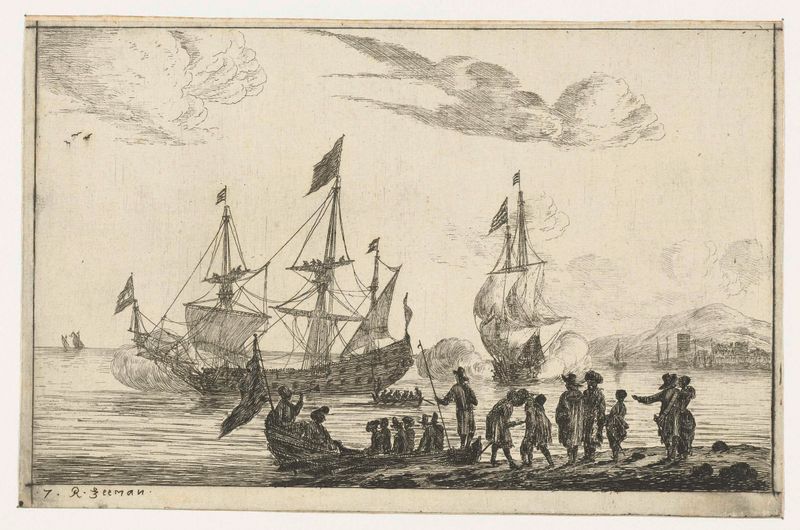
Havenscène met een spiegelsloep
Reinier Nooms
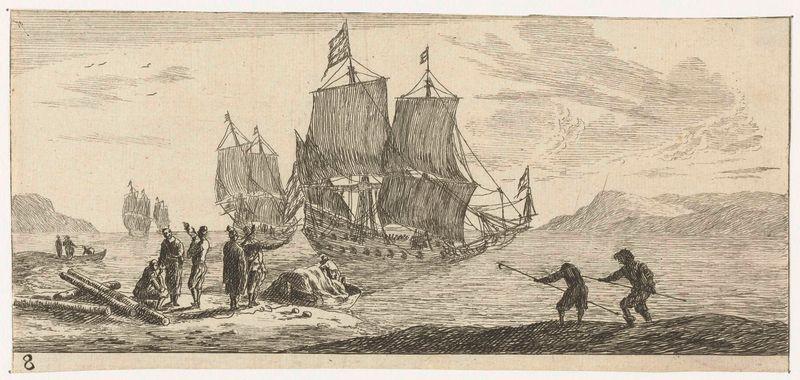
Vier grote zeilschepen in een baai
Reinier Nooms
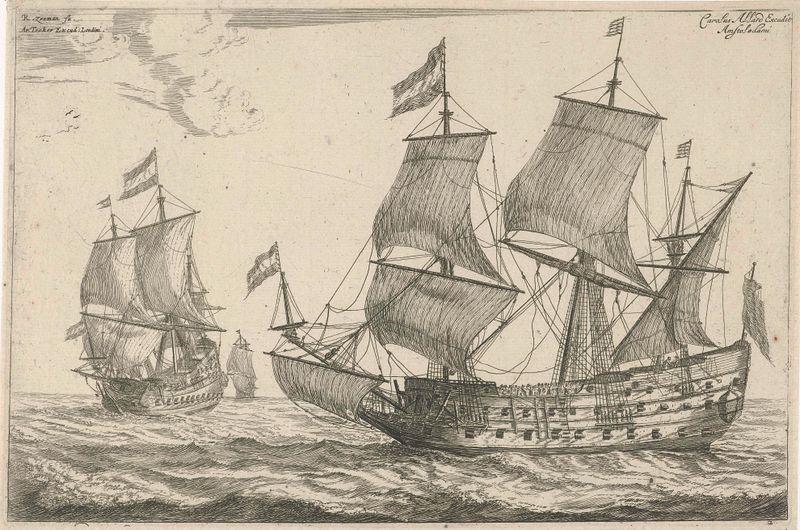
Twee grote oorlogsschepen
Reinier Nooms
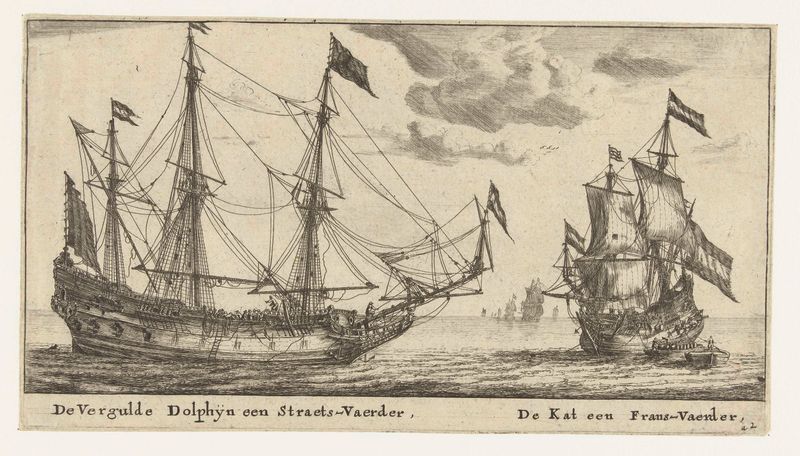
De schepen De Vergulde Dolfijn en De Kat
Reinier Nooms
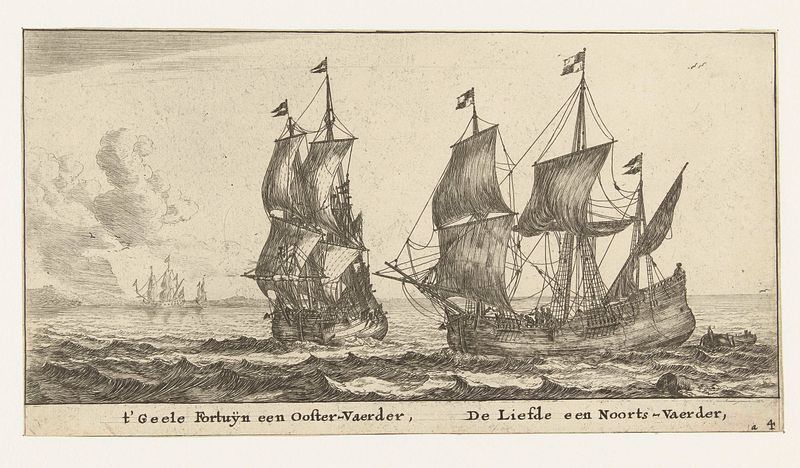
De schepen 't Gele Fortuin en De Liefde
Reinier Nooms
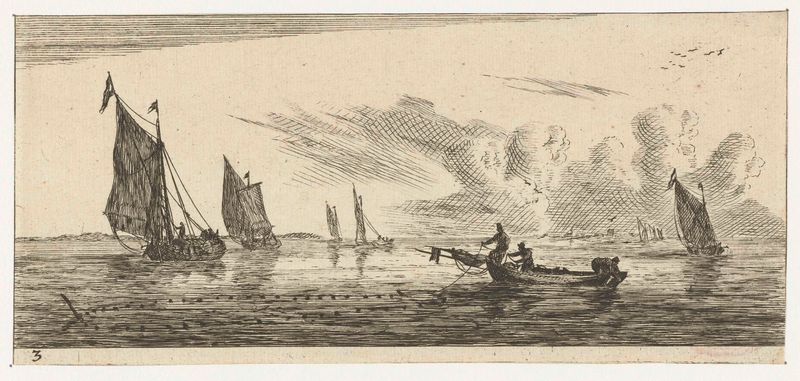
Zeegezicht met verschillende zeilschepen
Reinier Nooms
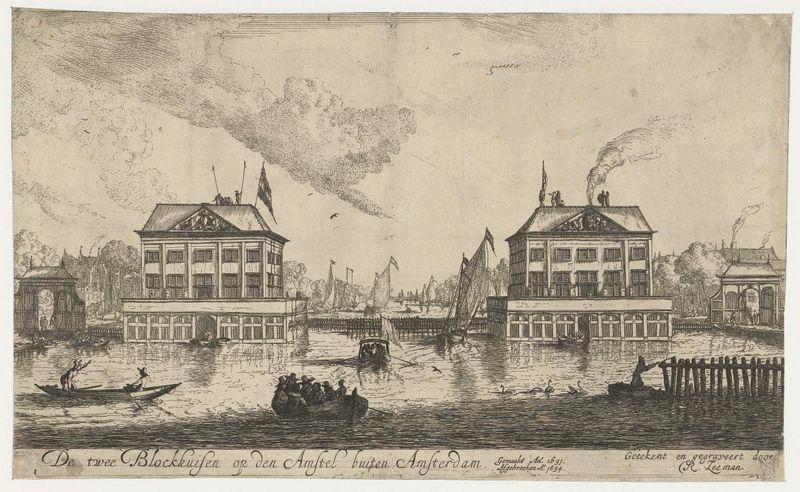
Gezicht op de twee Blokhuizen in de Amstel
Reinier Nooms
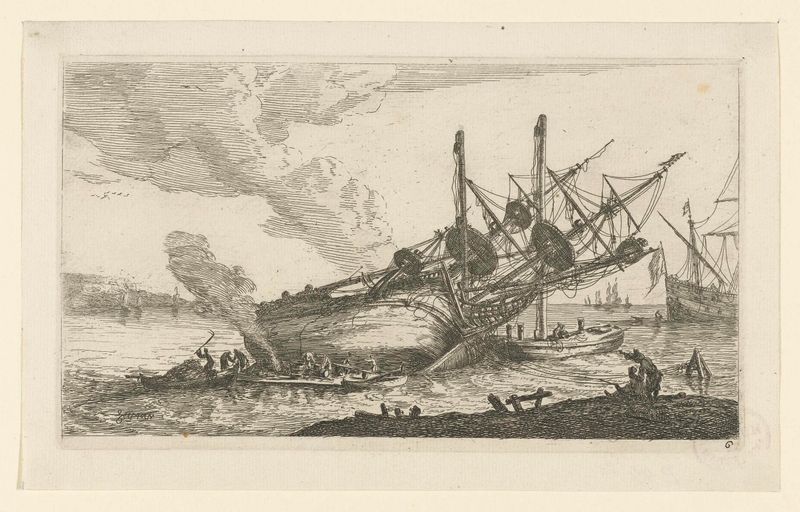
Reparaties aan de romp van een schip
Reinier Nooms
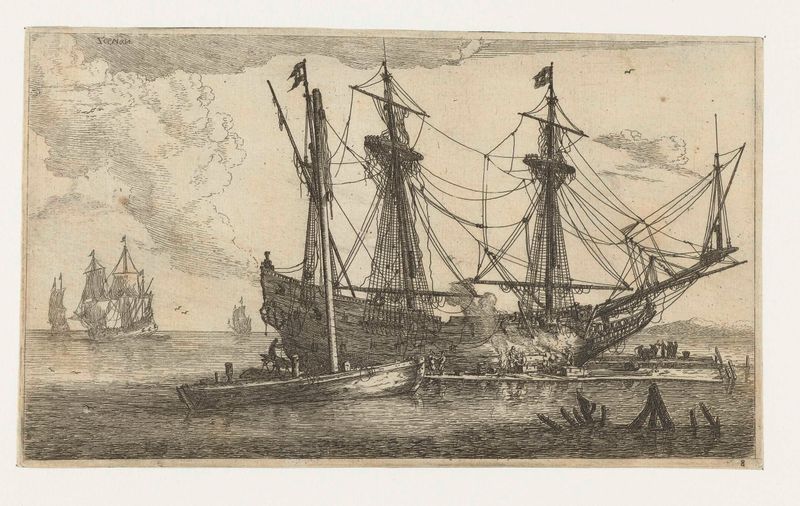
Reparaties aan de romp van een schip
Reinier Nooms





