
Zeeslag — History & Facts
In the world of maritime art, the weight of every brushstroke carries the secrets of the sea and the heart of humanity. Look closely at the vibrant blues and greens swirling through the water, where ships glide gracefully across the canvas. Focus on the illuminated sails, their tautness suggesting motion and purpose, contrasting with the stillness of the surrounding waves. Notice how the light captures the clouds, their soft edges framing an expansive sky that hints at both calmness and impending storms, drawing the viewer into a dialogue with nature. The interplay of light and shadow serves not only to enhance the beauty of the nautical scene but also to evoke emotion.
The ships, with their distinct forms, represent both ambition and fragility, constantly at the mercy of the open sea. Each vessel carries within it a sense of adventure, yet the threat of the unknown looms, reflecting the duality of human aspiration and vulnerability. Here, the horizon symbolizes both freedom and isolation, challenging the notion of truth in the pursuit of prosperity. During the years between 1652 and 1726, the artist was immersed in a burgeoning Dutch maritime tradition, capturing the essence of naval power and trade.
This period was marked by significant historical developments, including the rise of the Dutch East India Company and the exploration of new trade routes. Nooms produced Zeeslag amidst this vibrant backdrop, a time when the sea was more than just a setting; it was a canvas for the complexities of life, ambition, and the pursuit of truth.
More Artworks by Reinier Nooms
Browse all →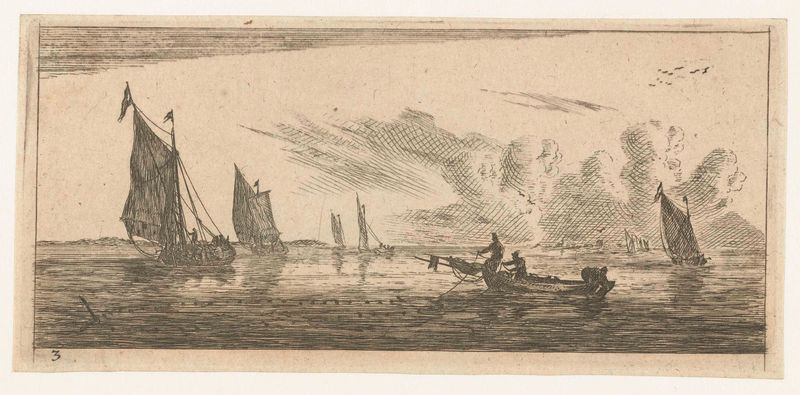
Zeegezicht met verschillende zeilschepen
Reinier Nooms
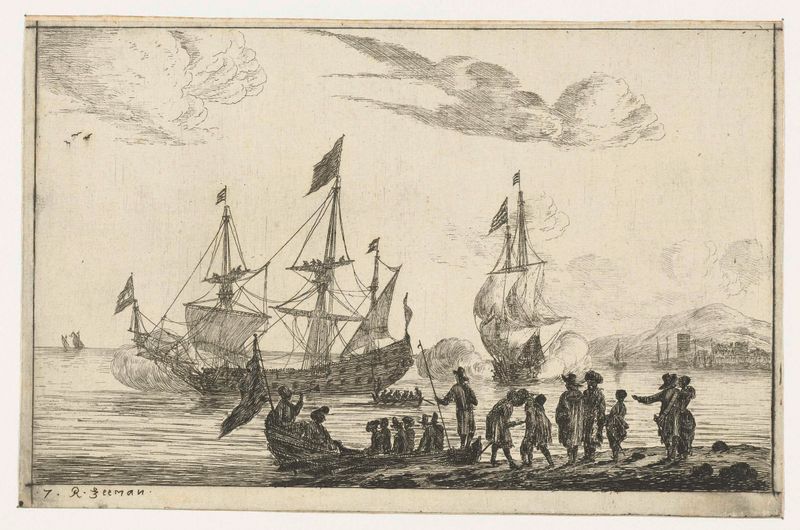
Havenscène met een spiegelsloep
Reinier Nooms
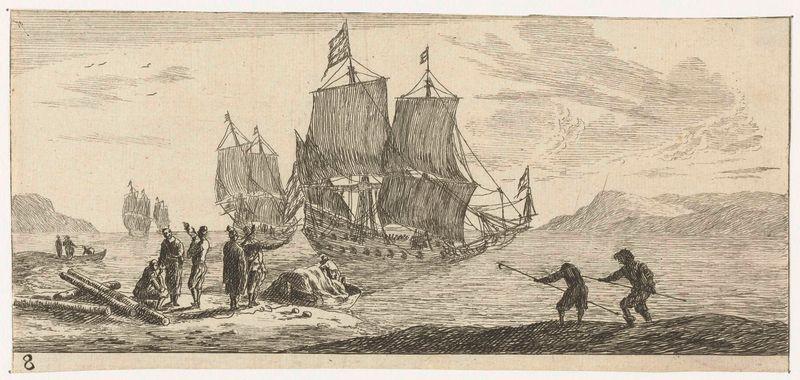
Vier grote zeilschepen in een baai
Reinier Nooms
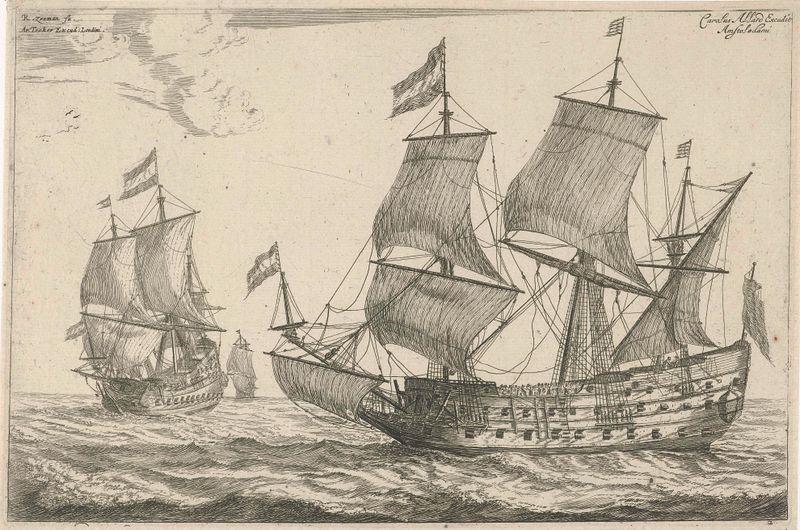
Twee grote oorlogsschepen
Reinier Nooms
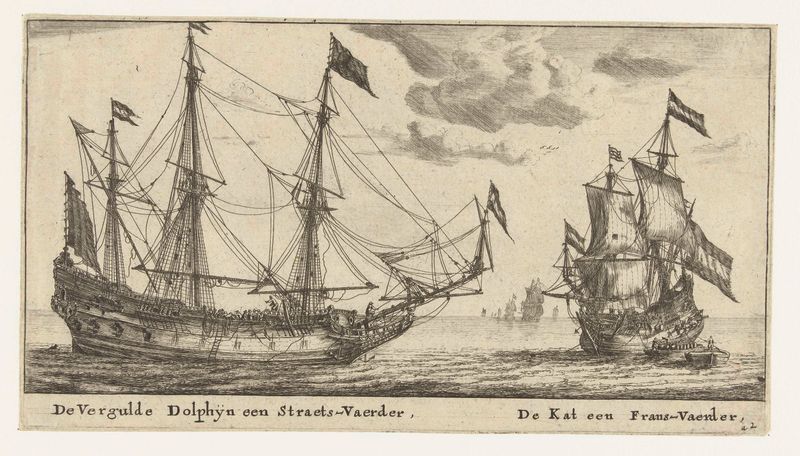
De schepen De Vergulde Dolfijn en De Kat
Reinier Nooms
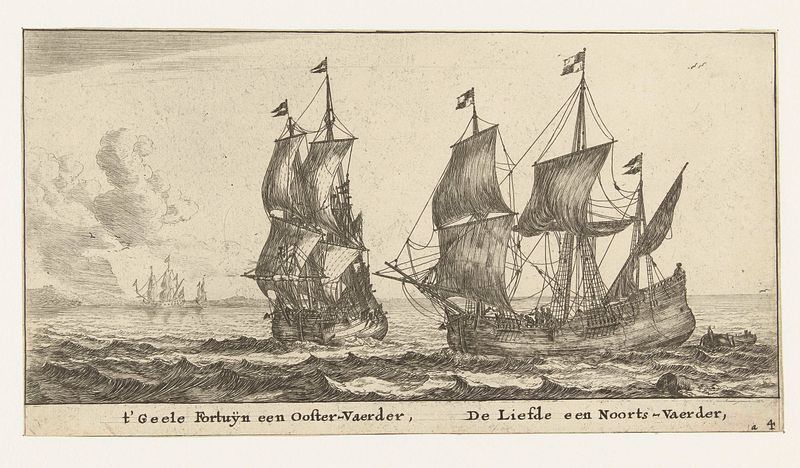
De schepen 't Gele Fortuin en De Liefde
Reinier Nooms
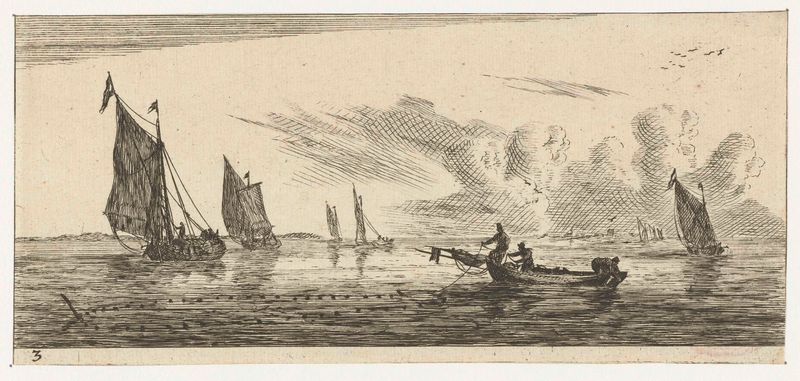
Zeegezicht met verschillende zeilschepen
Reinier Nooms
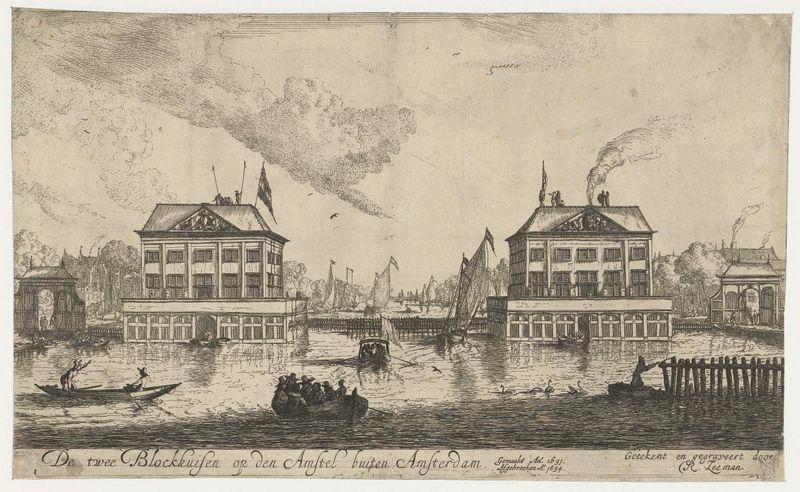
Gezicht op de twee Blokhuizen in de Amstel
Reinier Nooms
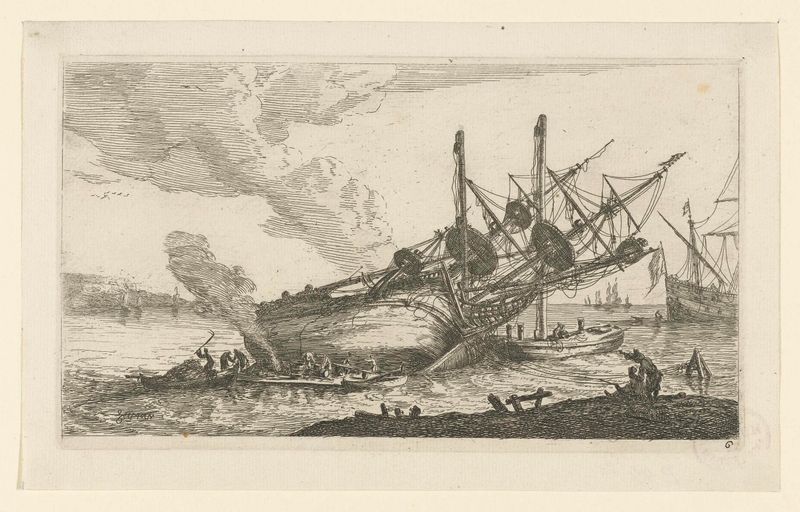
Reparaties aan de romp van een schip
Reinier Nooms
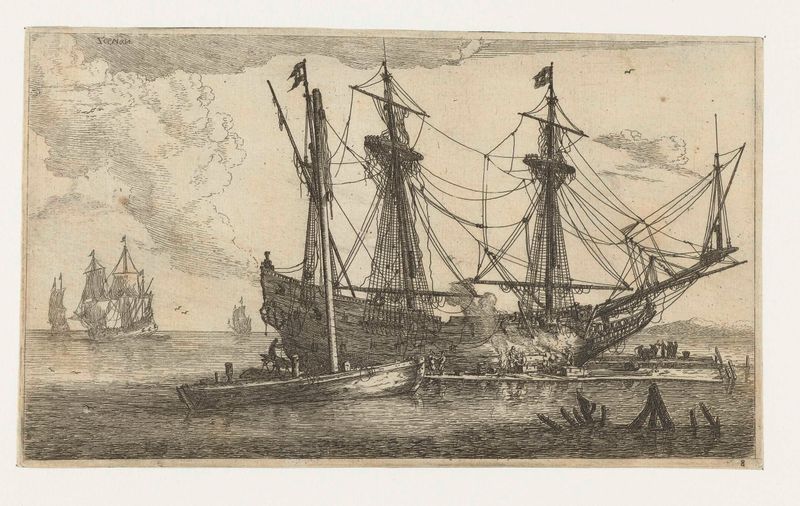
Reparaties aan de romp van een schip
Reinier Nooms





