
Zelfportret met schedel en schaal — History & Facts
Could beauty survive in a century of chaos? In Zelfportret met schedel en schaal, Jacob Binck confronts the duality of existence, revealing both the brilliance and fragility of life through the lens of his introspective artistry. Look to the left at the artist's gaze, a penetrating stare that seems to traverse time, inviting the viewer into his inner world. Binck’s meticulous attention to detail is evident in the interplay between light and shadow, crafted with delicate lines and a rich, muted palette. The skull beside him serves as a stark reminder of mortality, while the elegant bowl suggests the fleeting nature of pleasure.
Each element is placed deliberately, enhancing the overall composition with a sense of balance and tension. Delve deeper, and you'll find an emotional tapestry woven into the smallest details—the delicate highlights on the bowl contrasting sharply with the somber tones of the skull. This juxtaposition not only signifies the transient nature of beauty but also the existential questions that haunt humanity: how do we reconcile our pursuit of pleasure with the inevitability of death? The serene expression and well-groomed appearance of Binck further contrast with the morbid symbolism, hinting at a layered introspection of the self. Jacob Binck painted this self-portrait in an era of artistic transition during the Northern Renaissance, specifically in the mid-16th century. Living in Antwerp, he was influenced by the burgeoning humanist movement and the increasing importance of individualism in art.
At this time, artists were beginning to explore their identities through works that reflected personal introspection rather than mere religious devotion, making this piece a significant marker of both his personal journey and the era's evolving landscape.
More Artworks by Jacob Binck
Browse all →
Portret van Christiaan II, koning van Denemarken
Jacob Binck

Christus en de Samaritaanse vrouw
Jacob Binck
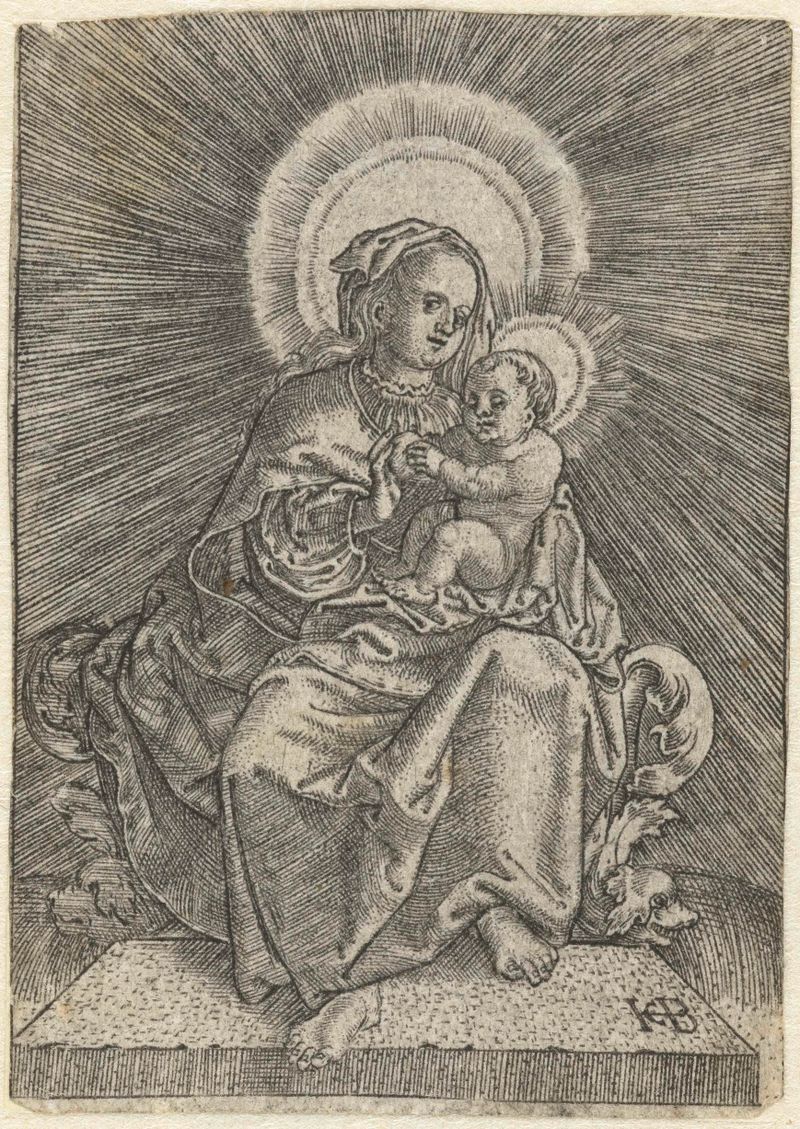
Tronende Maria met kind en appel in stralenkrans
Jacob Binck

Christus op de koude steen
Jacob Binck

Ornament met twee putti op dolfijnen onder een vaas
Jacob Binck
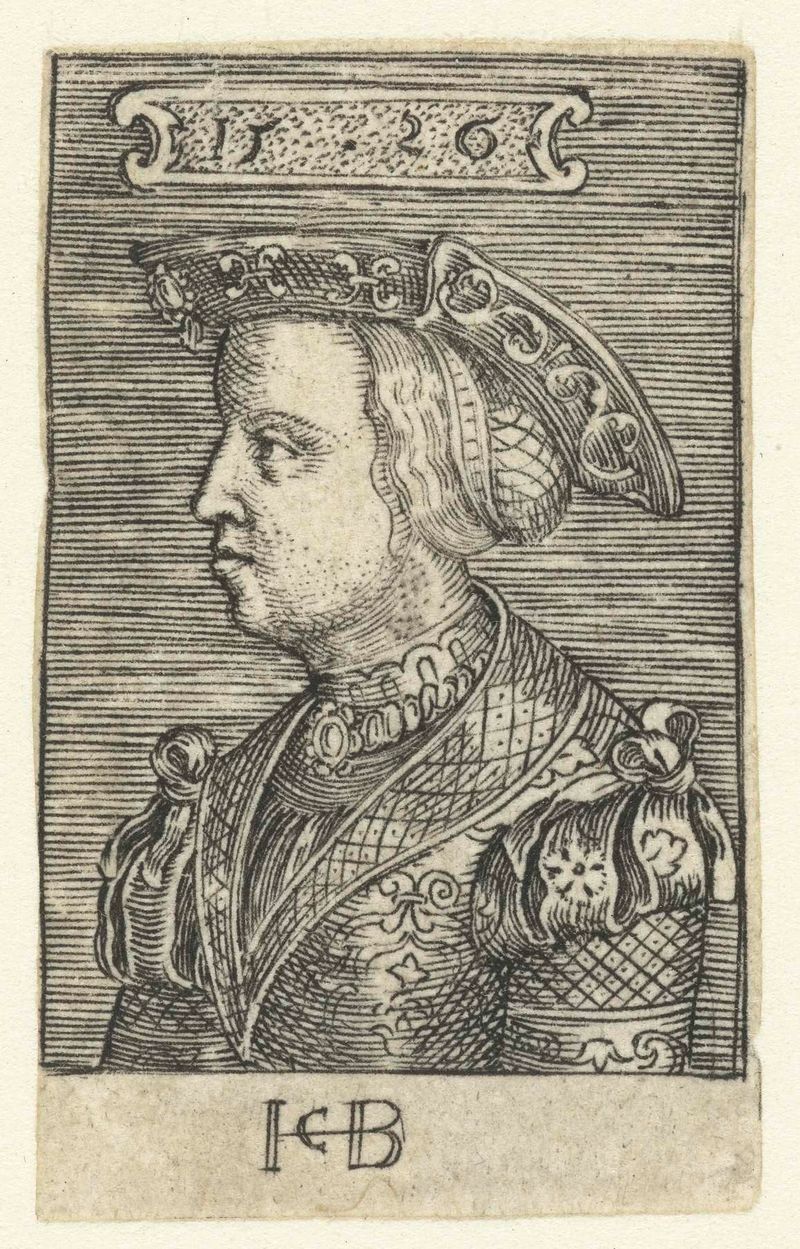
Portret van Claudia van Valois, echtgenote van Frans I
Jacob Binck

Ceres met kroon van korenaren, sikkel, brandende toorts en tweekoppige slang
Jacob Binck
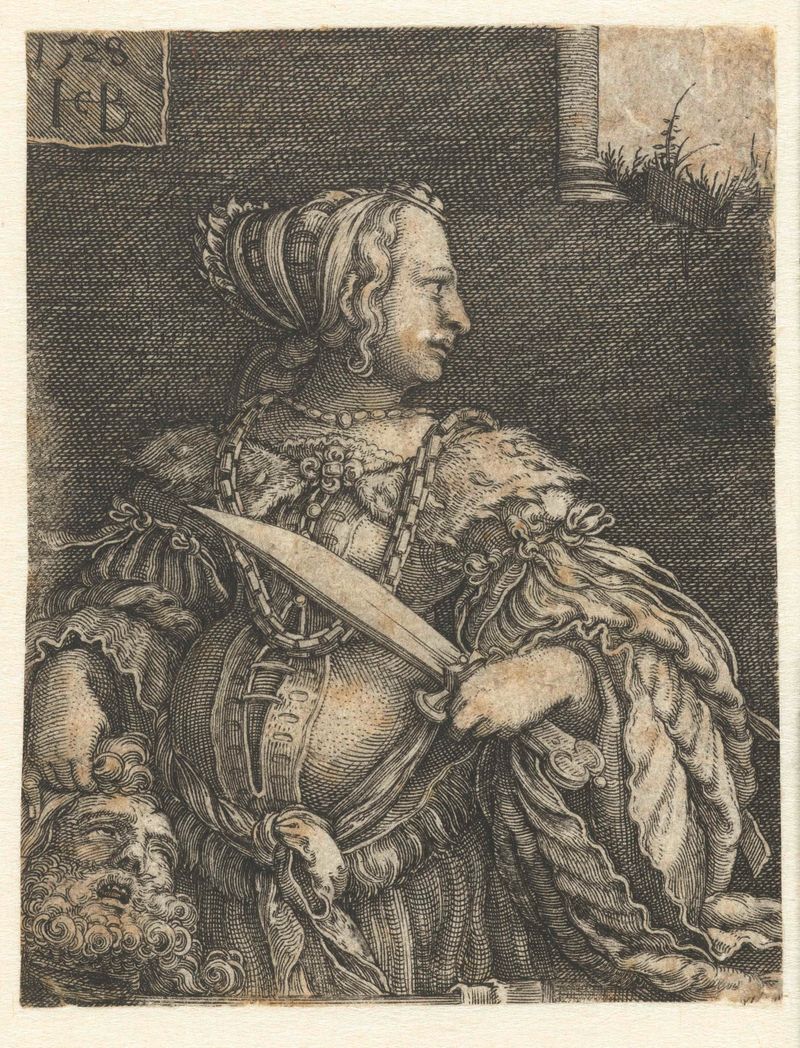
Judith met het hoofd van Holofernes
Jacob Binck
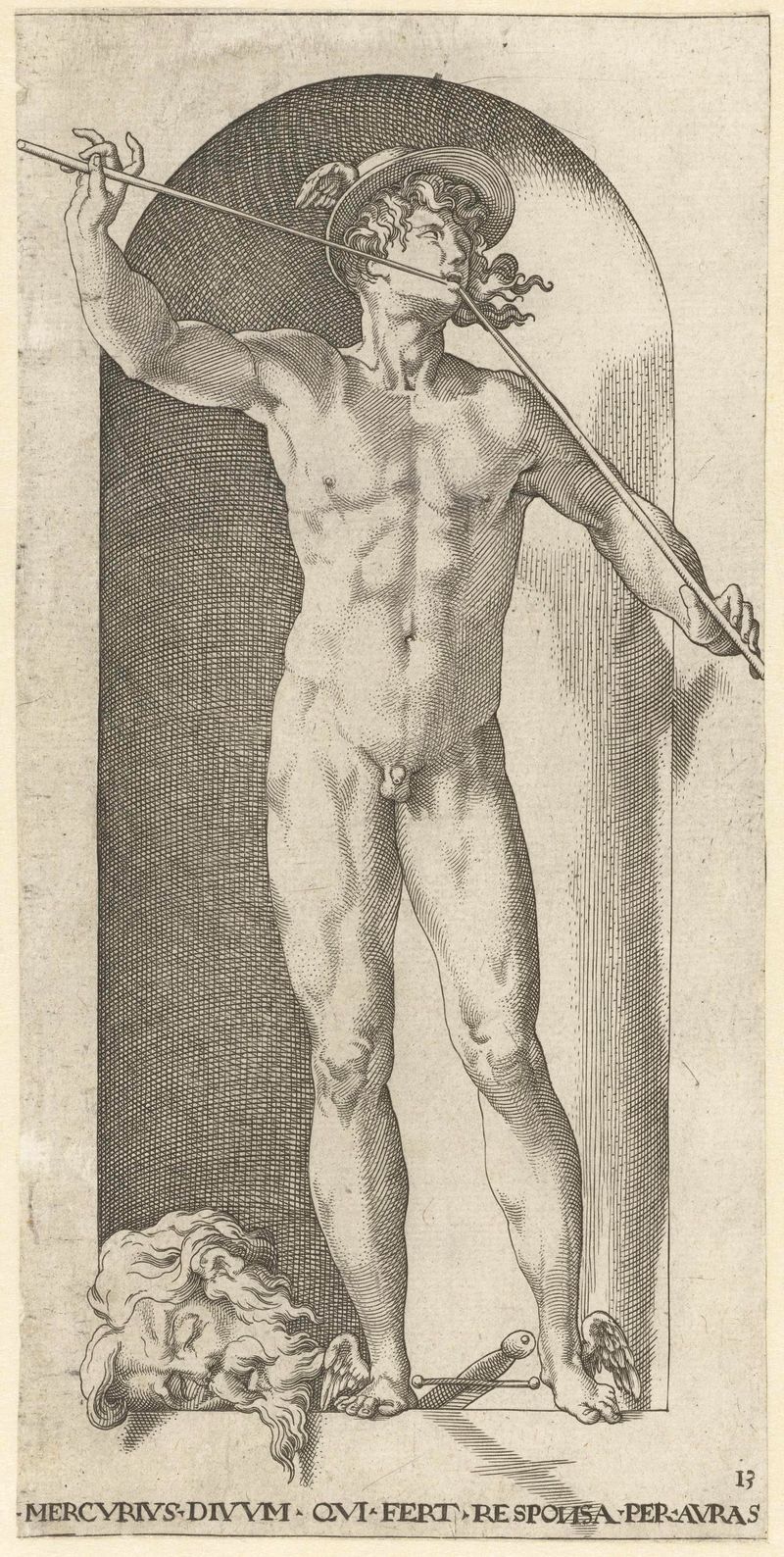
Mercurius met het hoofd van Argus
Jacob Binck

Minerva (Pallas Athena) met Medusahoofd op schild
Jacob Binck
More Portrait Art
Browse all →
Las meninas
Diego Velázquez

Self-portrait with a Bandaged Ear and Pipe
Unidentified artist

Girl with a Pearl Earring
Johannes Vermeer

The Sampling Officials of the Amsterdam Drapers’ Guild, Known as ‘The Syndics’
Rembrandt van Rijn

The Hundred Guilder Print: the man seen on the back in the lower left corner
Rembrandt van Rijn

Portrait of Dr Gachet
Vincent van Gogh