
Zelfportret van Wenzel Hollar — History & Facts
In the delicate strokes of this self-portrait, the artist confronts the transient nature of existence, laying bare his internal landscape of grief. Begin by observing the somber expression that rests on his face, where every line etches the weight of introspection. Focus on the eyes, which appear almost luminous against the muted tones of his attire, capturing both vulnerability and defiance. The chiaroscuro technique creates a soft play of light and shadow, inviting the viewer into a realm where memory and emotion intertwine, revealing the artist’s deep contemplation of his own legacy. Hidden within this artwork are layers of meaning.
The stark background contrasts with Hollar’s detailed features, suggesting a tension between presence and absence, life and loss. The way his fingers gently cradle the edges of the canvas hints at a yearning to grasp fleeting moments, while the wrinkles on his brow narrate the stories of sorrow and resilience that formed him. Each brushstroke serves as a meditation on mortality, reflecting the artist's struggle to find permanence in a world that constantly dissolves into remembrance. Wenceslaus Hollar created this work between 1733 and 1741, during a period marked by personal loss and a quest for artistic recognition in England.
He had faced tumultuous changes in his life, having fled his homeland and navigated the complexities of the art world. This self-portrait encapsulates both a moment of introspection and a profound connection to the cycle of life, grounding his identity within the larger narrative of 18th-century art.
More Artworks by Wenceslaus Hollar
Browse all →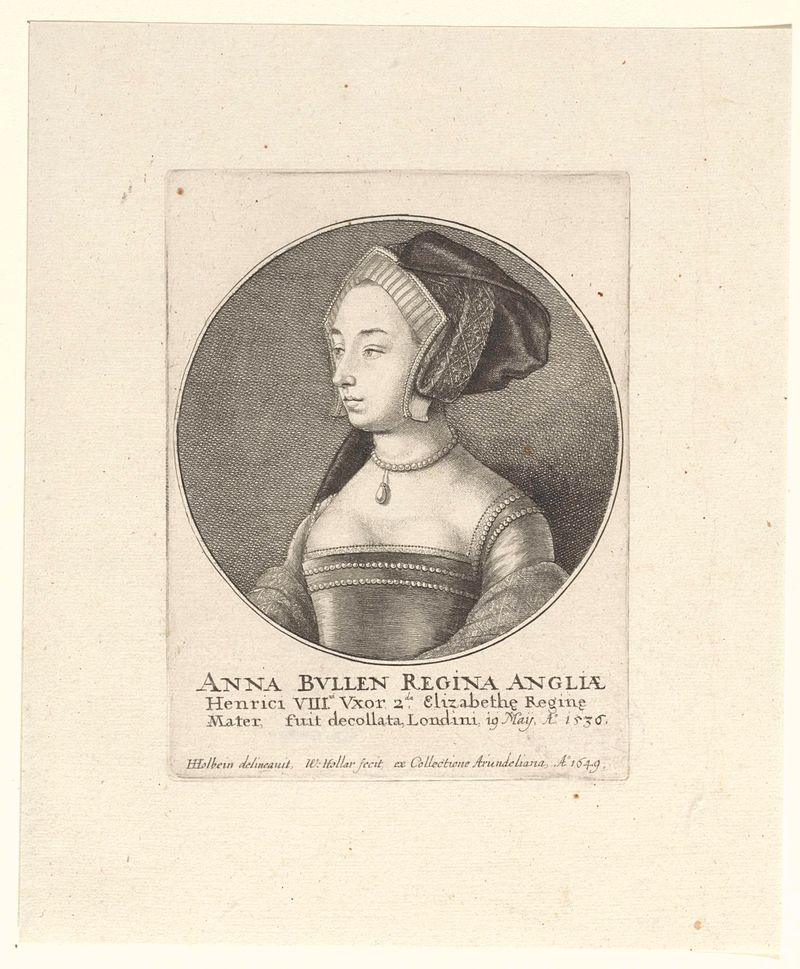
Portret van Anna Boleyn, koningin van Engeland
Wenceslaus Hollar
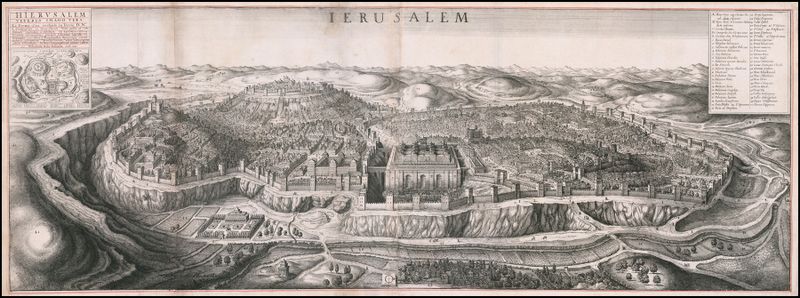
Bird’s eye view of Jerusalem
Wenceslaus Hollar
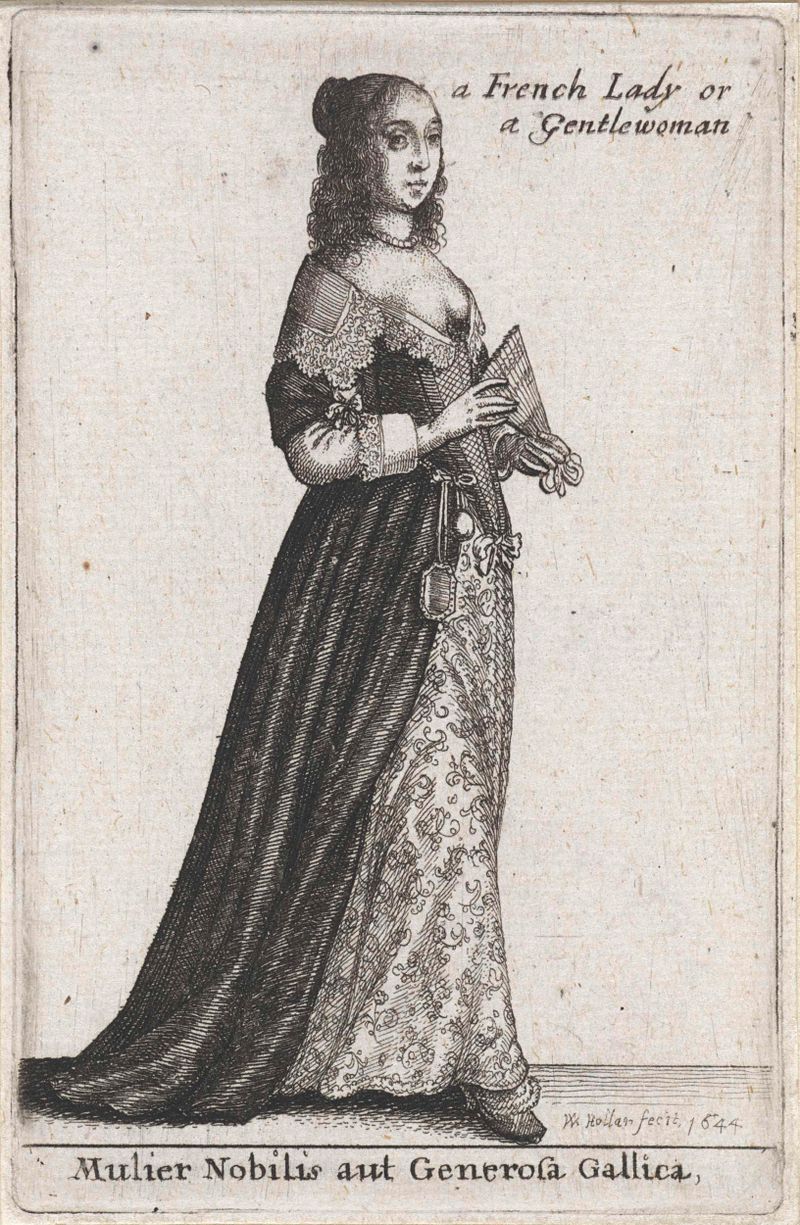
Mulier Nobilis aut Generosa Gallica / a French Lady or Gentlewoman
Wenceslaus Hollar
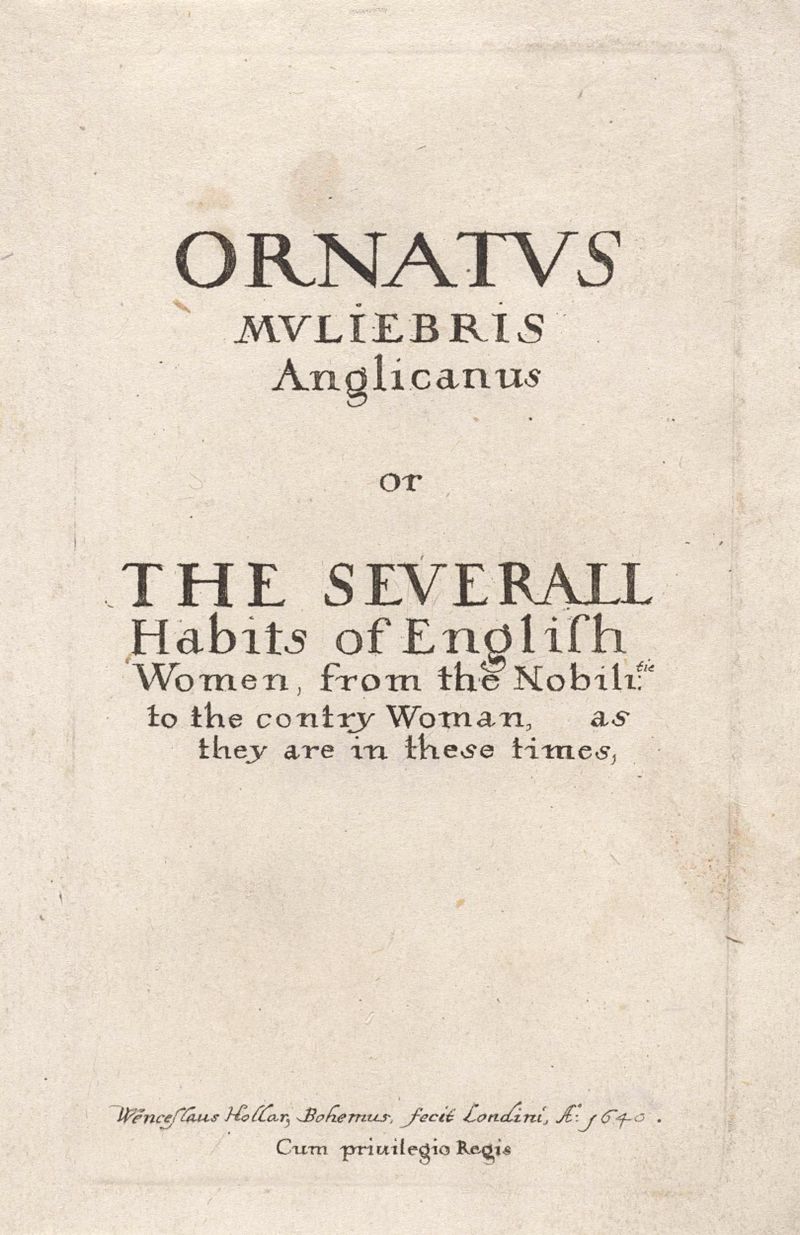
Titelprent voor: Ornatus Muliebris Anglicanus
Wenceslaus Hollar
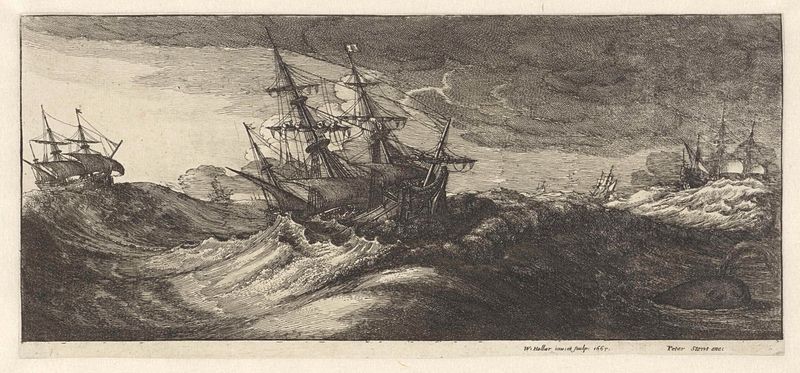
Oorlogsschepen en een walvis in een zeestorm
Wenceslaus Hollar
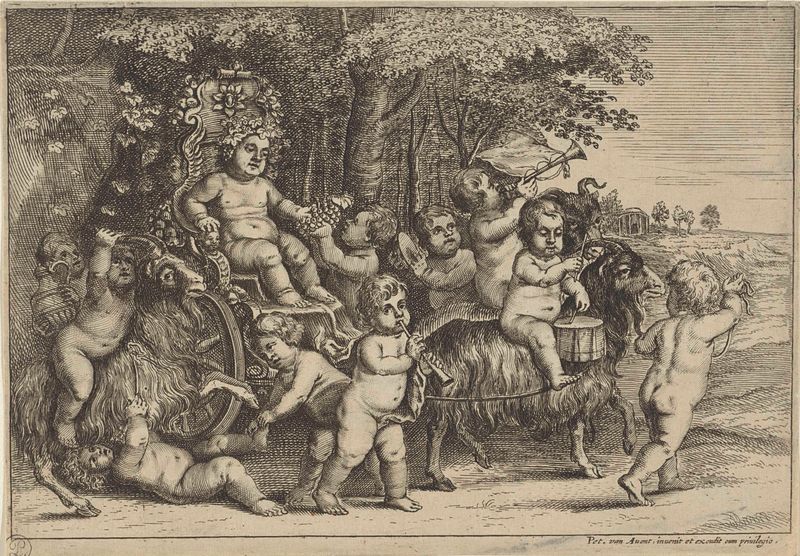
Optocht van bacchant en jongetjes op geiten
Wenceslaus Hollar
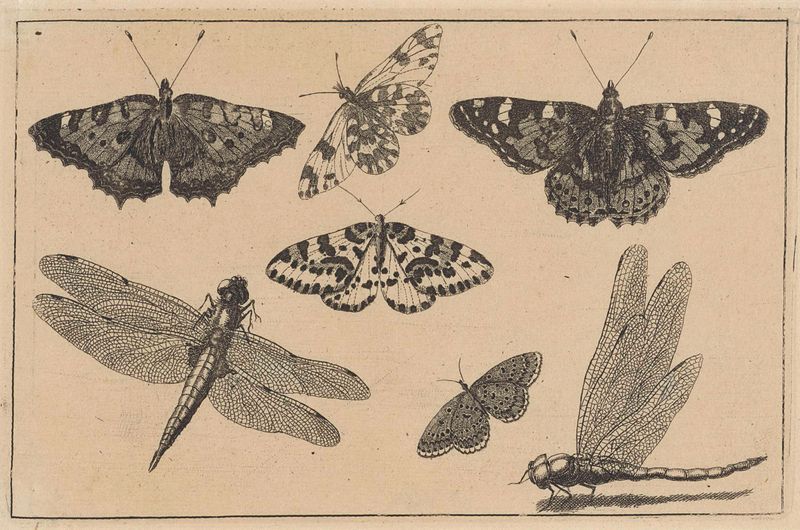
Twee libellen en vijf vlinders
Wenceslaus Hollar
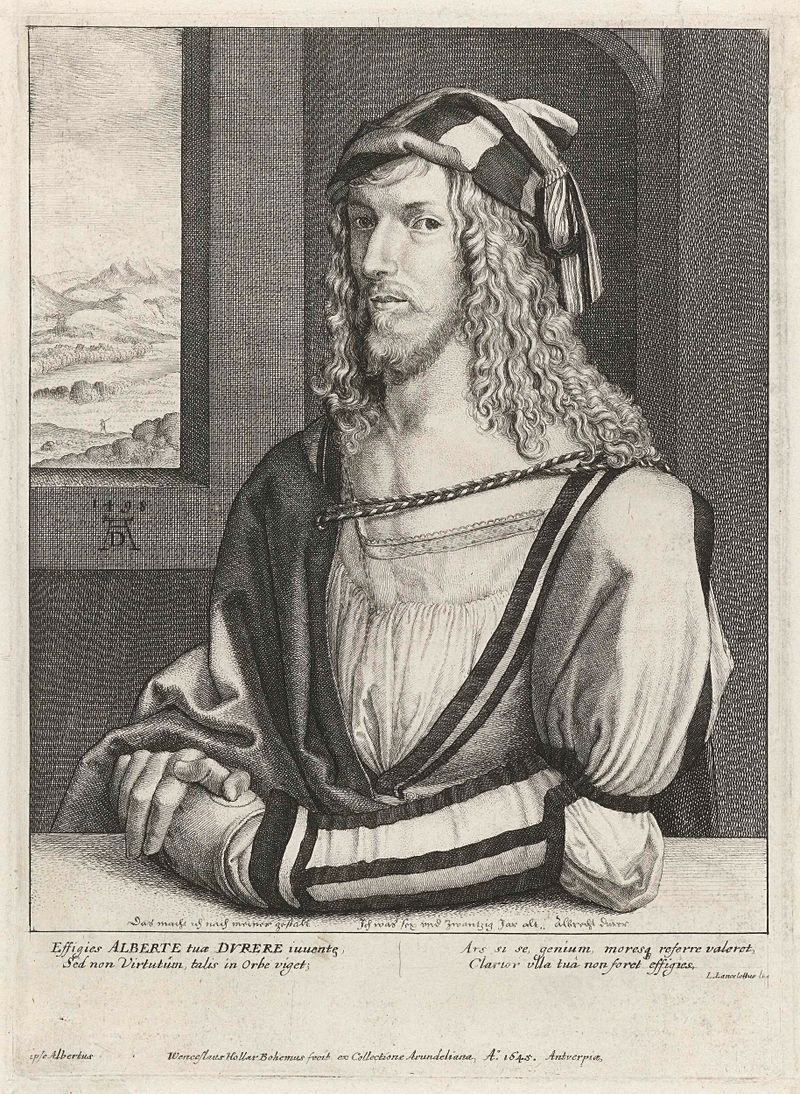
Portret van Albrecht Dürer
Wenceslaus Hollar
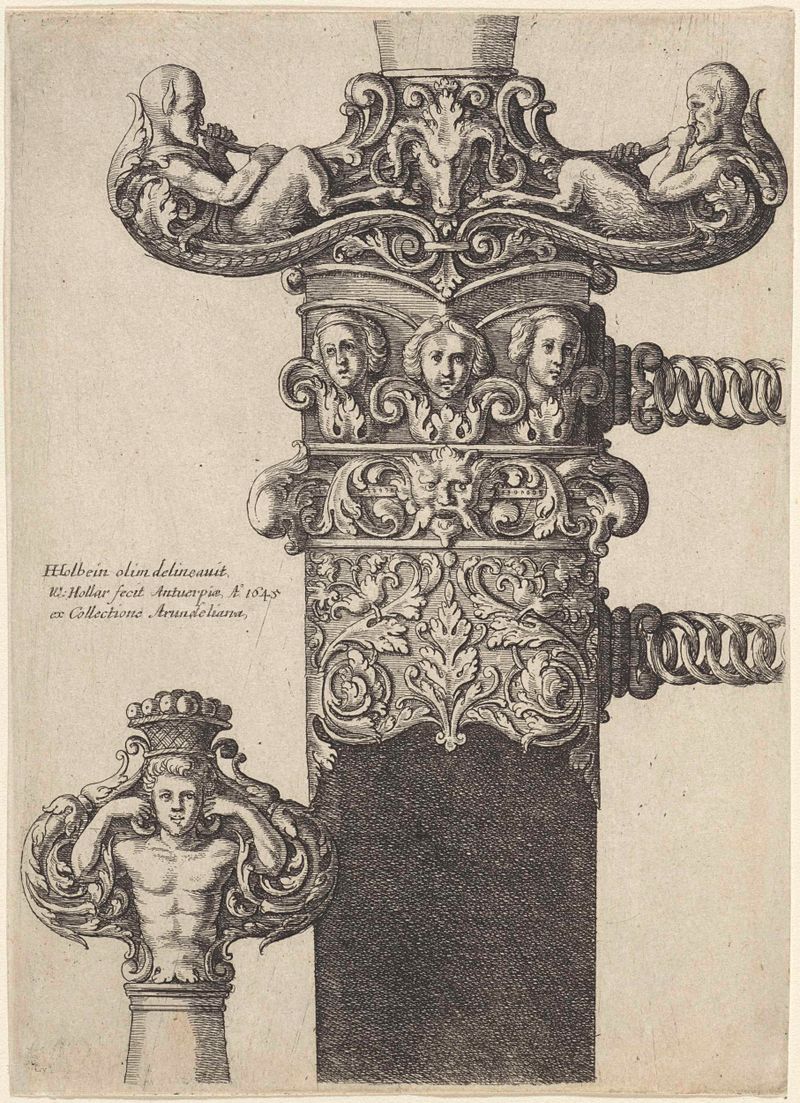
Ornamenteel ontwerp voor een dolk
Wenceslaus Hollar
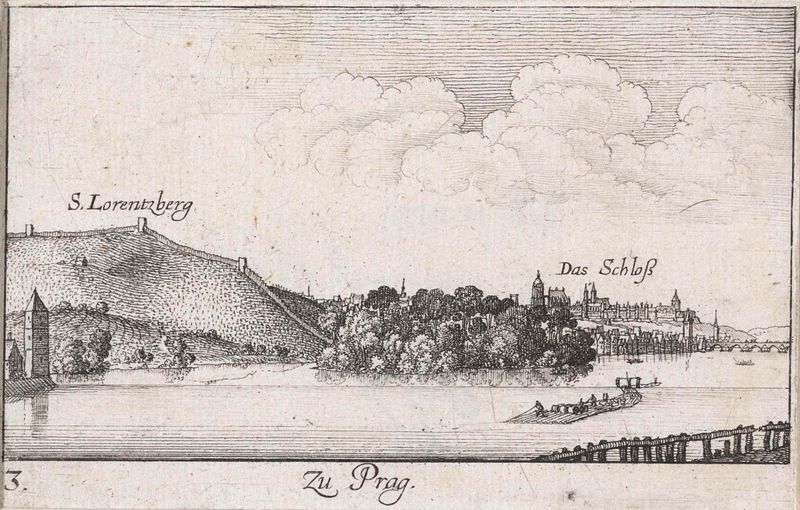
Gezicht op Praag vanaf de Moldau
Wenceslaus Hollar
More Portrait Art
Browse all →
Las meninas
Diego Velázquez

Self-portrait with a Bandaged Ear and Pipe
Unidentified artist

Girl with a Pearl Earring
Johannes Vermeer

The Sampling Officials of the Amsterdam Drapers’ Guild, Known as ‘The Syndics’
Rembrandt van Rijn

The Hundred Guilder Print: the man seen on the back in the lower left corner
Rembrandt van Rijn

Portrait of Dr Gachet
Vincent van Gogh