
Zelfportret van Wenzel Hollar — History & Facts
Within the delicate strokes of a self-portrait lies a powerful exploration of identity—an illusion captured on canvas that beckons viewers to peer beyond the surface. Look closely at the somber gaze of the artist, directed just off the canvas. Notice how the subtle use of chiaroscuro carves his features from darkness, highlighting the contours of his face while leaving the background shrouded in shadow. The muted palette, dominated by earthy tones and gentle grays, invites contemplation while the texture of the brushwork lends an almost tactile quality to his skin, making it feel alive and present.
Each stroke seems to echo the artist’s innermost thoughts, creating a connection that transcends time. As you explore the composition, consider the duality of Hollar’s expression—pride mingled with vulnerability. The apparent calm contrasts with a palpable tension, suggesting an artist’s inner struggle between self-assertion and self-doubt. The simplicity of the setting belies the complexity of his emotional landscape, where the illusion of control hovers precariously over the reality of uncertainty.
This self-portrait becomes not just a reflection of Hollar’s physical appearance but a window into his psyche, inviting viewers to confront their own illusions. Created between 1649 and 1670, this self-portrait emerged during a tumultuous period in Hollar's life, as he navigated the shifting landscapes of art and politics in Europe. Living in London after fleeing his native Prague, he aligned himself with the burgeoning English art scene. At this time, the interplay of personal and artistic identity was becoming increasingly significant, making his exploration of the self all the more poignant and relevant.
More Artworks by Wenceslaus Hollar
Browse all →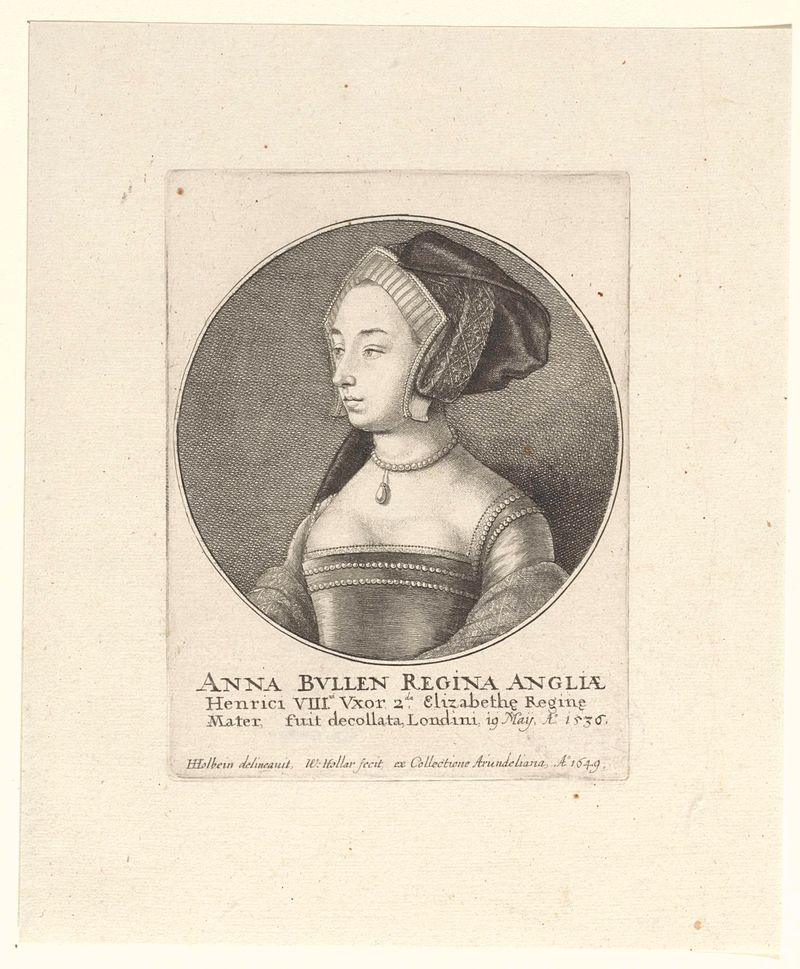
Portret van Anna Boleyn, koningin van Engeland
Wenceslaus Hollar
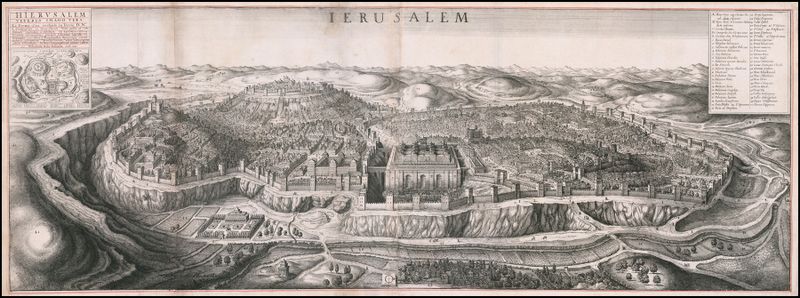
Bird’s eye view of Jerusalem
Wenceslaus Hollar
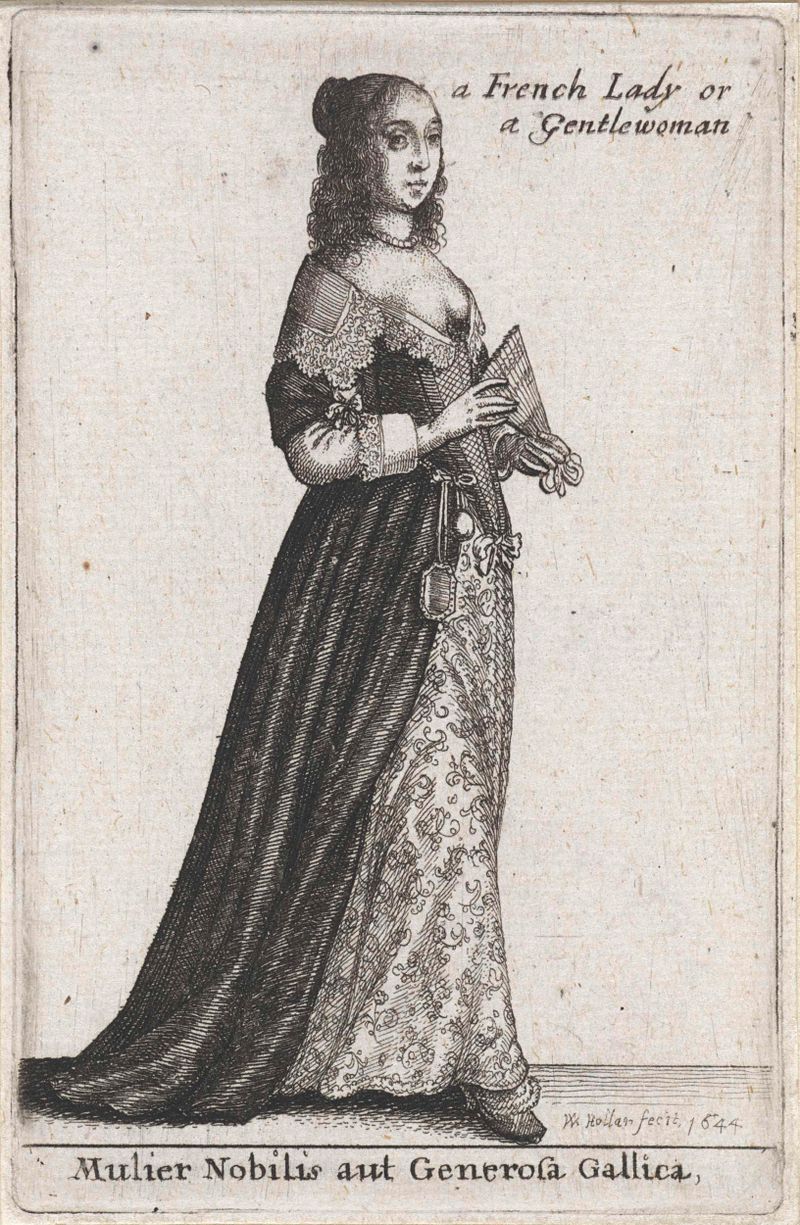
Mulier Nobilis aut Generosa Gallica / a French Lady or Gentlewoman
Wenceslaus Hollar
Titelprent voor: Ornatus Muliebris Anglicanus
Wenceslaus Hollar
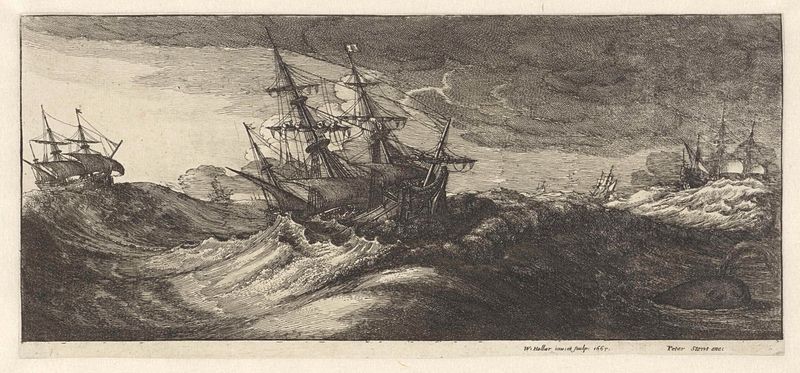
Oorlogsschepen en een walvis in een zeestorm
Wenceslaus Hollar
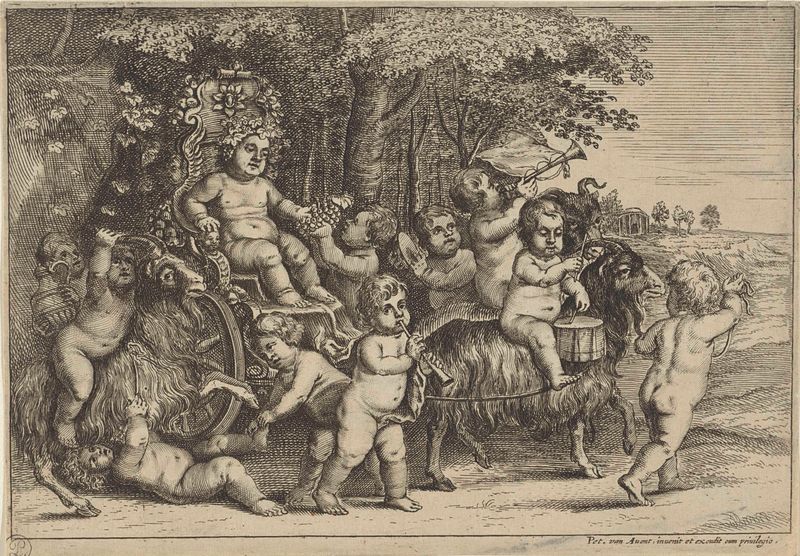
Optocht van bacchant en jongetjes op geiten
Wenceslaus Hollar
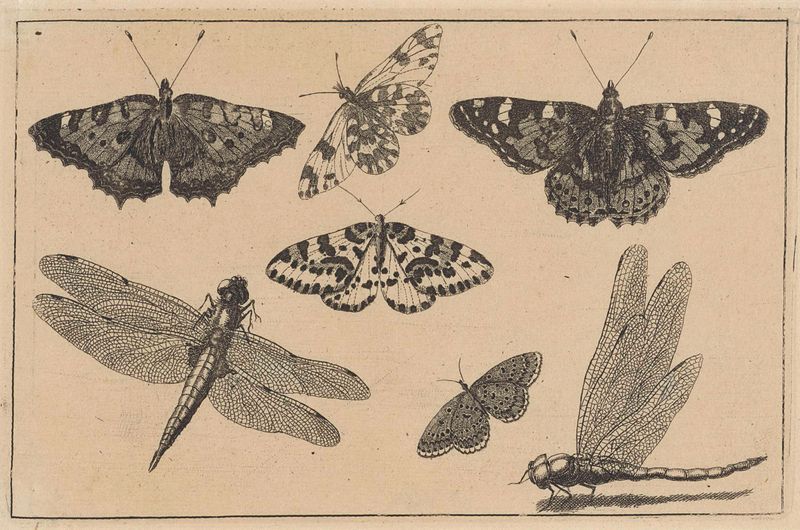
Twee libellen en vijf vlinders
Wenceslaus Hollar
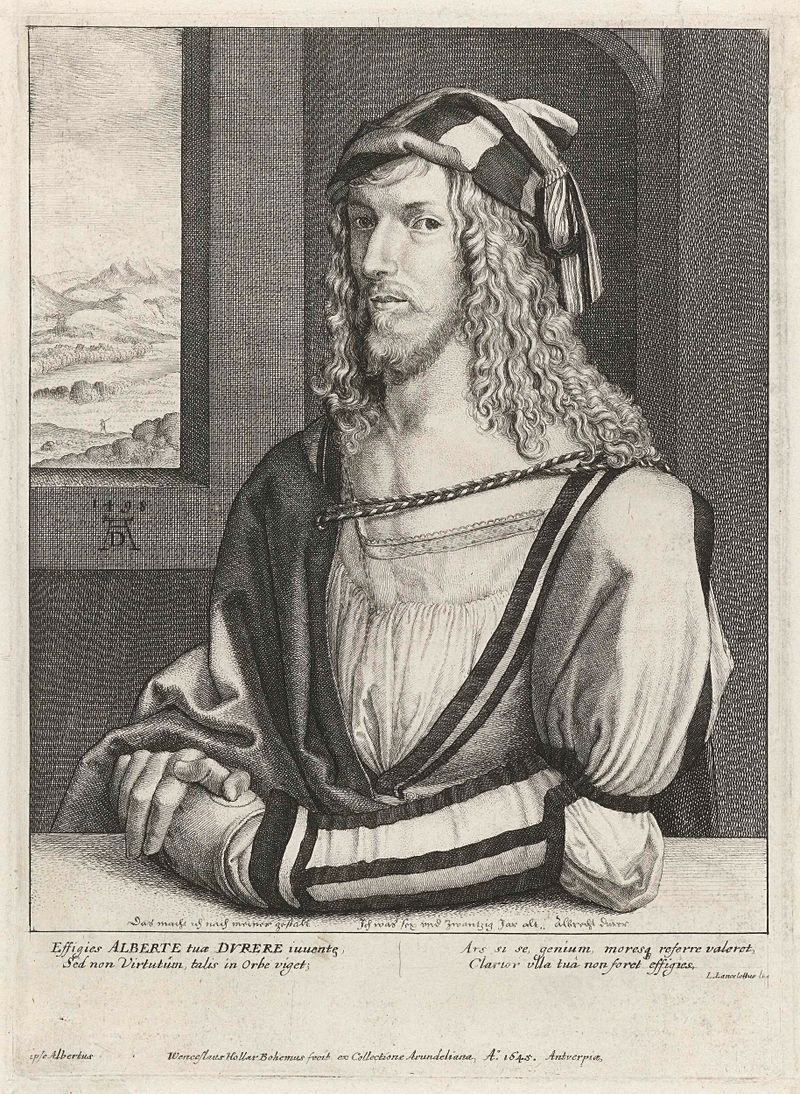
Portret van Albrecht Dürer
Wenceslaus Hollar
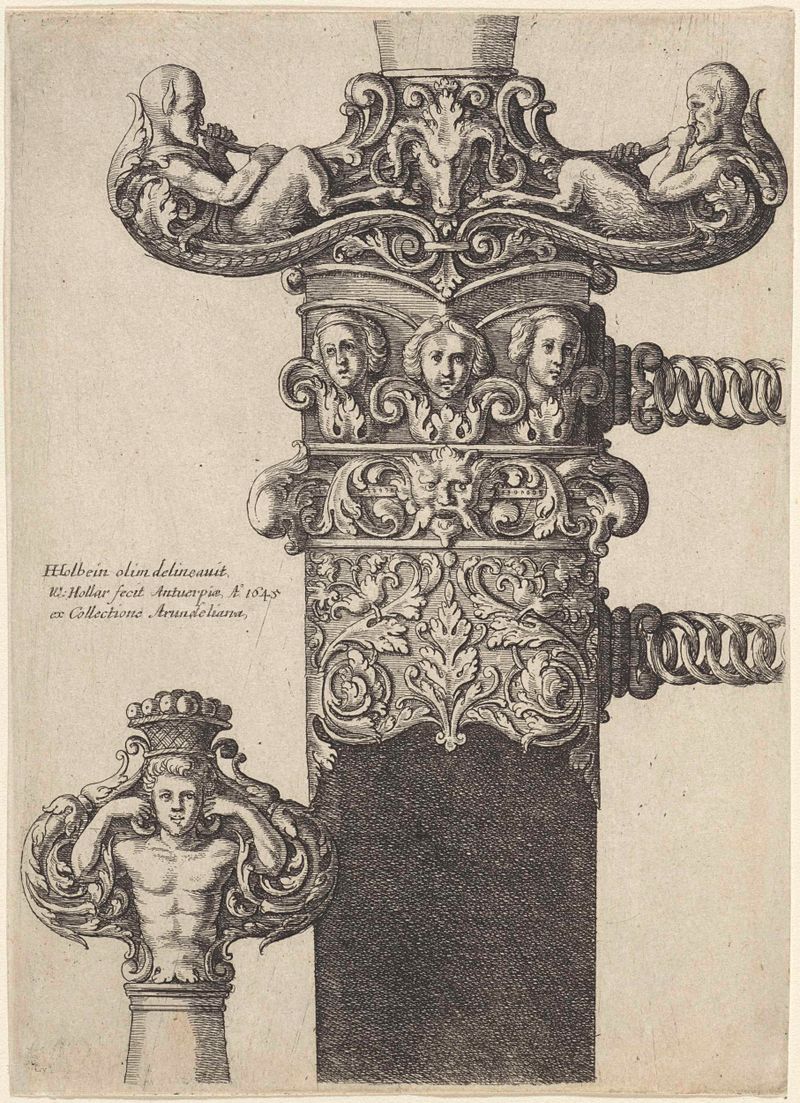
Ornamenteel ontwerp voor een dolk
Wenceslaus Hollar
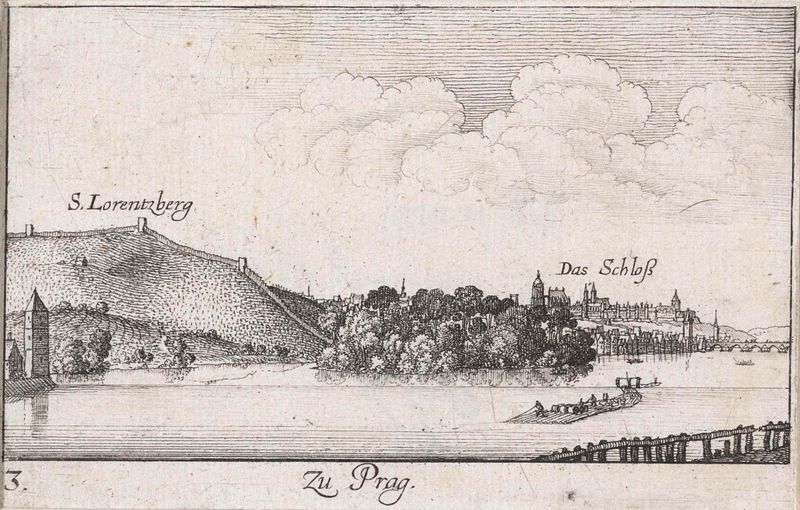
Gezicht op Praag vanaf de Moldau
Wenceslaus Hollar
More Portrait Art
Browse all →
Las meninas
Diego Velázquez

Self-portrait with a Bandaged Ear and Pipe
Unidentified artist

Girl with a Pearl Earring
Johannes Vermeer

The Sampling Officials of the Amsterdam Drapers’ Guild, Known as ‘The Syndics’
Rembrandt van Rijn

The Hundred Guilder Print: the man seen on the back in the lower left corner
Rembrandt van Rijn

Portrait of Dr Gachet
Vincent van Gogh