
Zelfportret van Wenzel Hollar — History & Facts
Who listens when art speaks of silence? In the quietude of a solitary moment, the self-portrait resonates with a profound ecstasy, inviting us into the depths of introspection. Look closely at the gaze of the figure, a deliberate and contemplative expression that draws you in. Notice how the artist employs soft, muted tones, allowing the chiaroscuro technique to create depth and shadow around the contours of the face. The fine lines etched into the skin tell stories of experience, while the subtle highlights on the forehead and cheekbones evoke a sense of illumination, suggesting inner thoughts and unspoken dialogues.
The background remains indistinct, almost ethereal, enhancing the subject's isolation and focusing our attention on the intricate details of the portrait. Within this stillness lies a tension between the self and the world. The tranquil expression suggests a moment of profound understanding or perhaps a denial of the chaos outside the frame. The careful rendering of textures, from the delicate hair to the fabric of the clothing, juxtaposes the artist's mastery with the vulnerability of the human experience.
Each stroke reveals layers of emotion, urging us to ponder the dichotomy between public persona and private identity. During the years 1649 to 1670, Wenceslaus Hollar was living in London after fleeing the Thirty Years' War in his native Bohemia. This period was marked by a shift in European art, where personal expression began to gain prominence. The artist, known for his intricate engravings, turned to self-portraiture as a means of exploring his identity amid the tumultuous changes around him, reflecting both the inner struggles and triumphs of a life steeped in the art of observation.
More Artworks by Wenceslaus Hollar
Browse all →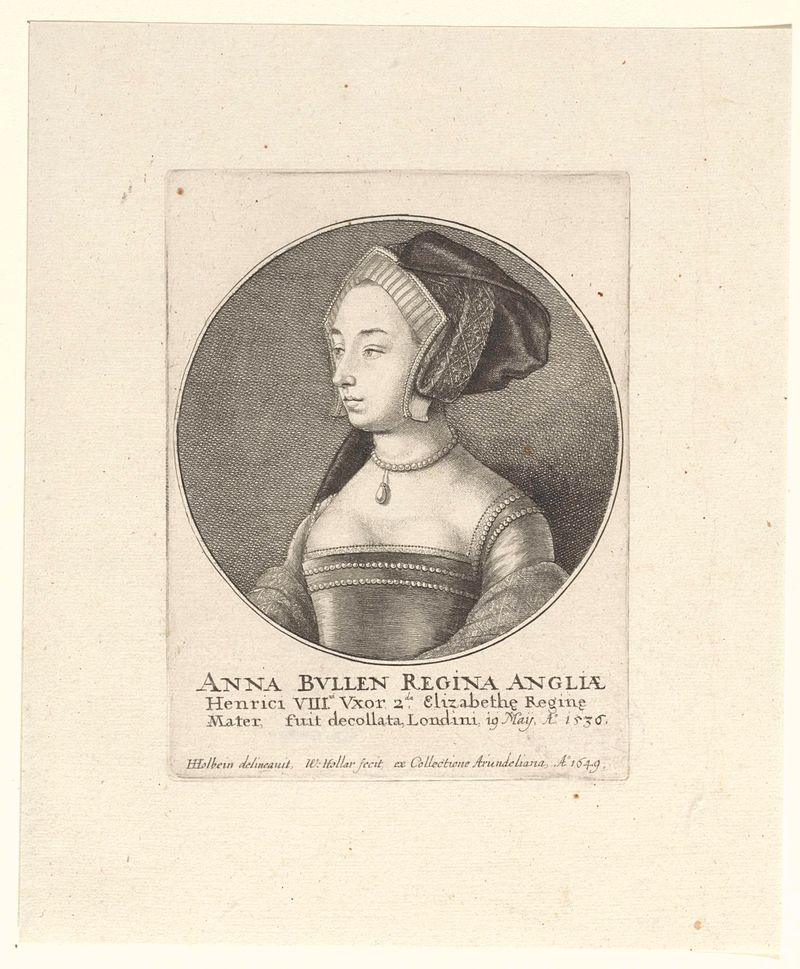
Portret van Anna Boleyn, koningin van Engeland
Wenceslaus Hollar
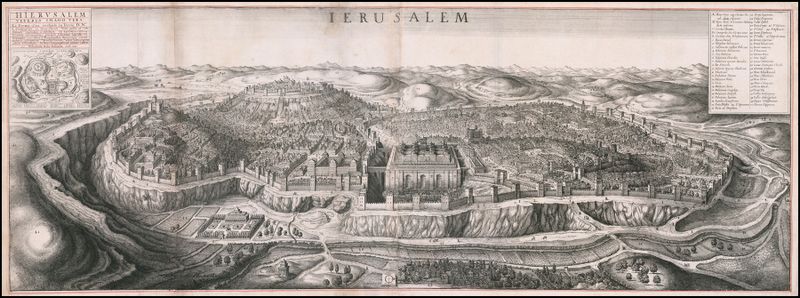
Bird’s eye view of Jerusalem
Wenceslaus Hollar
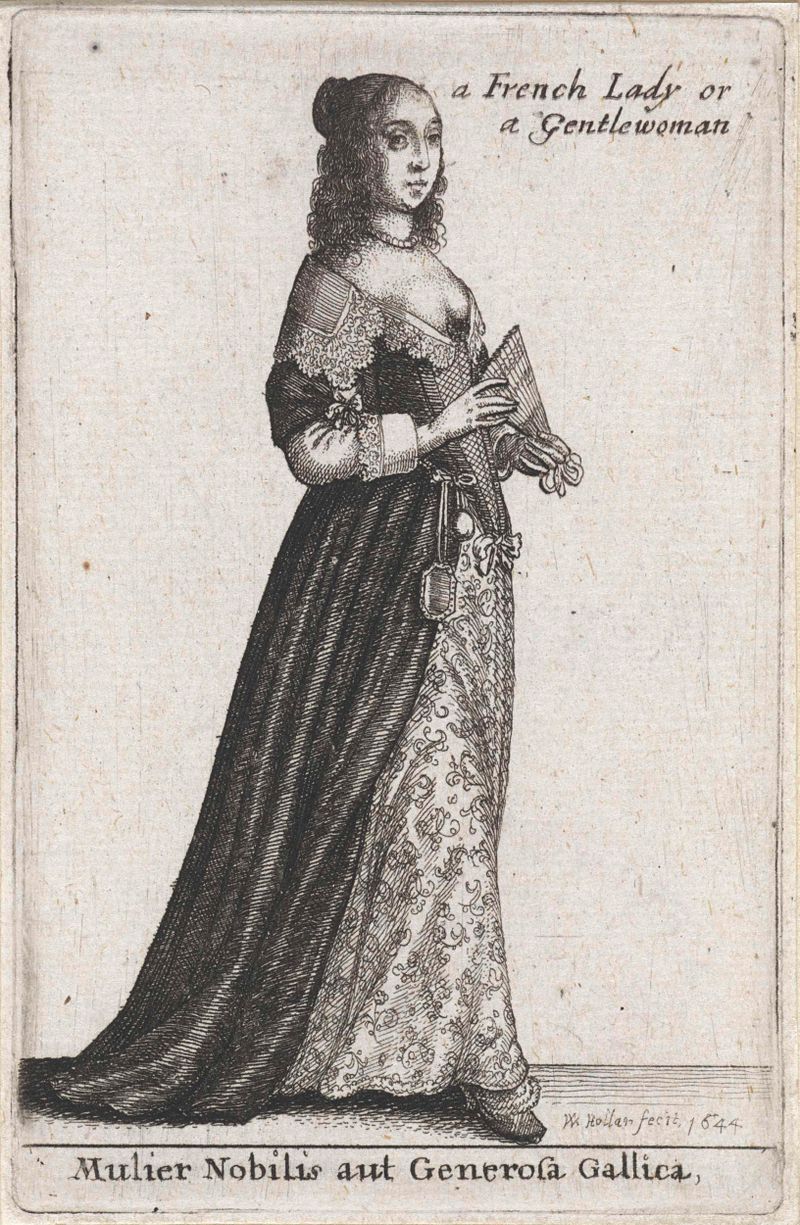
Mulier Nobilis aut Generosa Gallica / a French Lady or Gentlewoman
Wenceslaus Hollar
Titelprent voor: Ornatus Muliebris Anglicanus
Wenceslaus Hollar
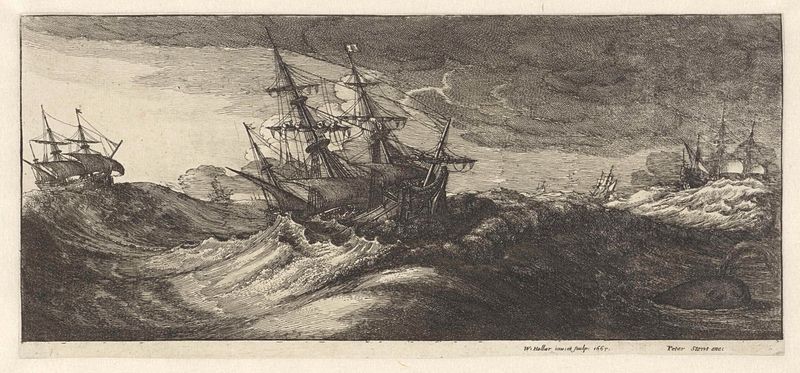
Oorlogsschepen en een walvis in een zeestorm
Wenceslaus Hollar
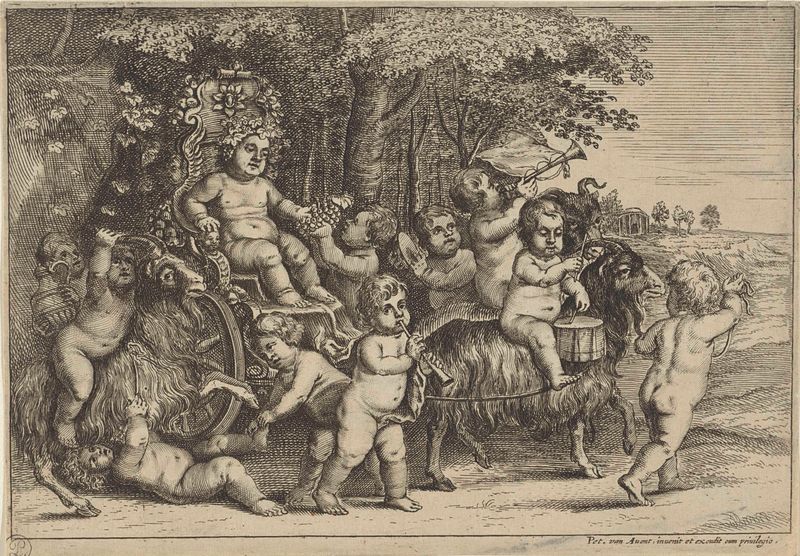
Optocht van bacchant en jongetjes op geiten
Wenceslaus Hollar
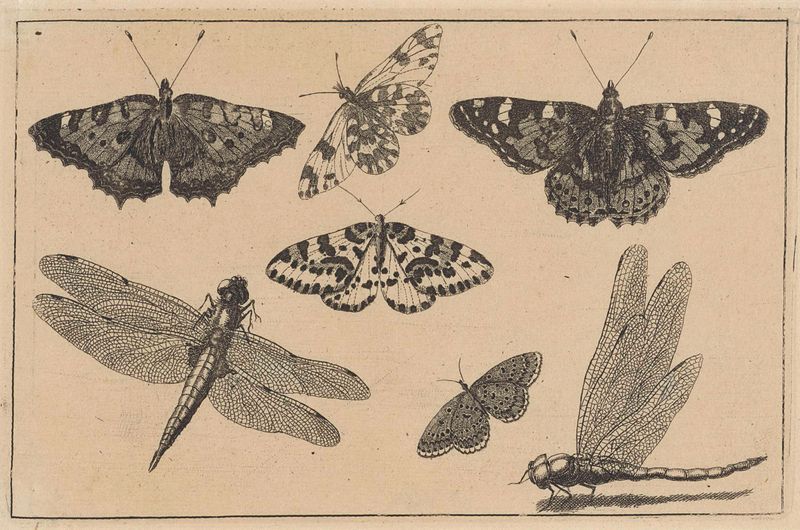
Twee libellen en vijf vlinders
Wenceslaus Hollar
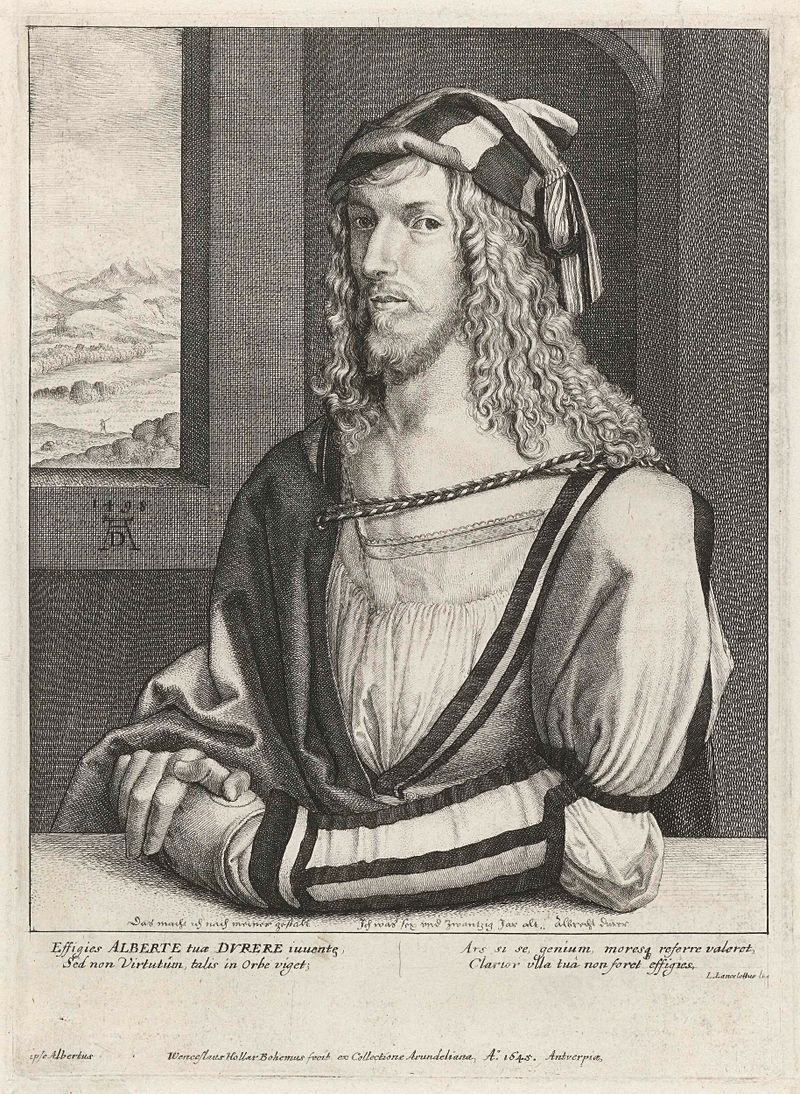
Portret van Albrecht Dürer
Wenceslaus Hollar
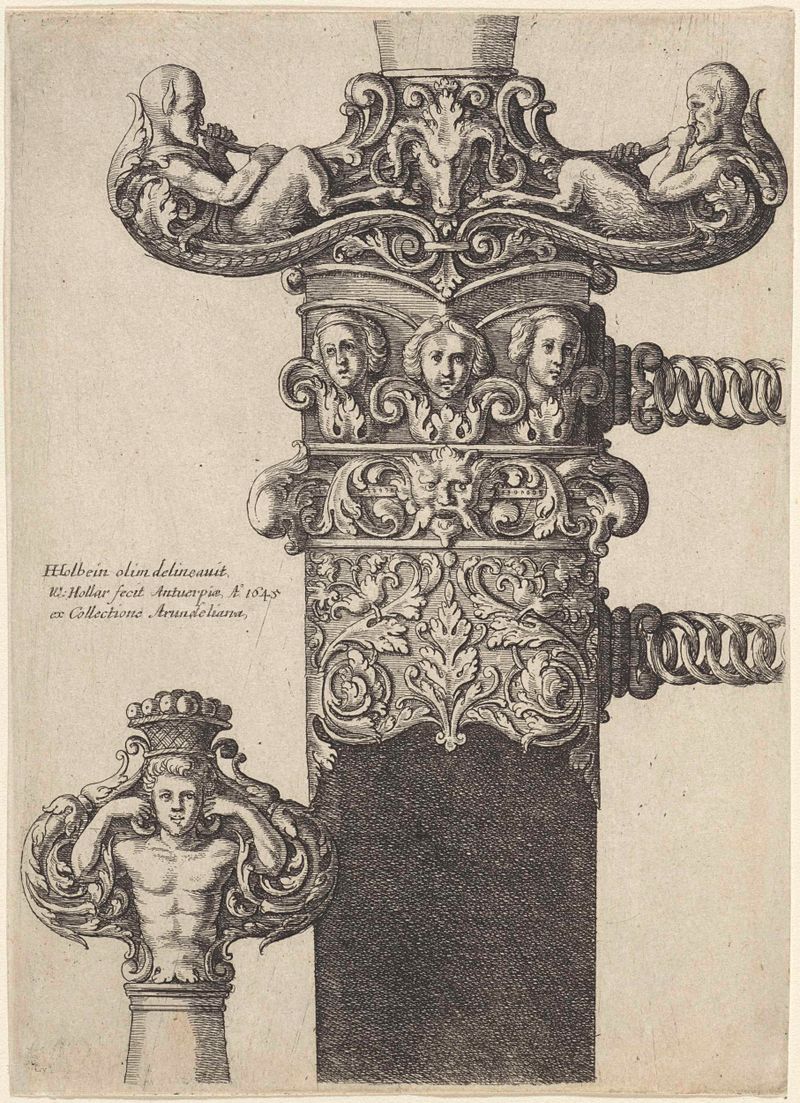
Ornamenteel ontwerp voor een dolk
Wenceslaus Hollar
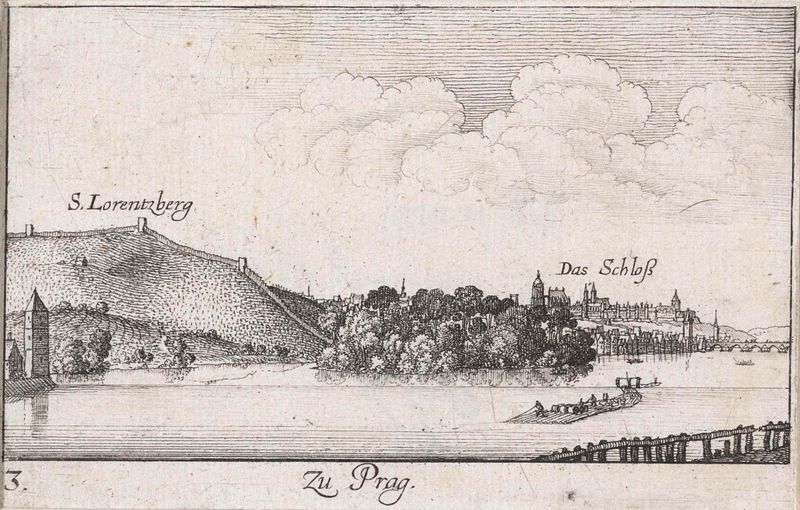
Gezicht op Praag vanaf de Moldau
Wenceslaus Hollar
More Portrait Art
Browse all →
Las meninas
Diego Velázquez

Self-portrait with a Bandaged Ear and Pipe
Unidentified artist

Girl with a Pearl Earring
Johannes Vermeer

The Sampling Officials of the Amsterdam Drapers’ Guild, Known as ‘The Syndics’
Rembrandt van Rijn

The Hundred Guilder Print: the man seen on the back in the lower left corner
Rembrandt van Rijn

Portrait of Dr Gachet
Vincent van Gogh