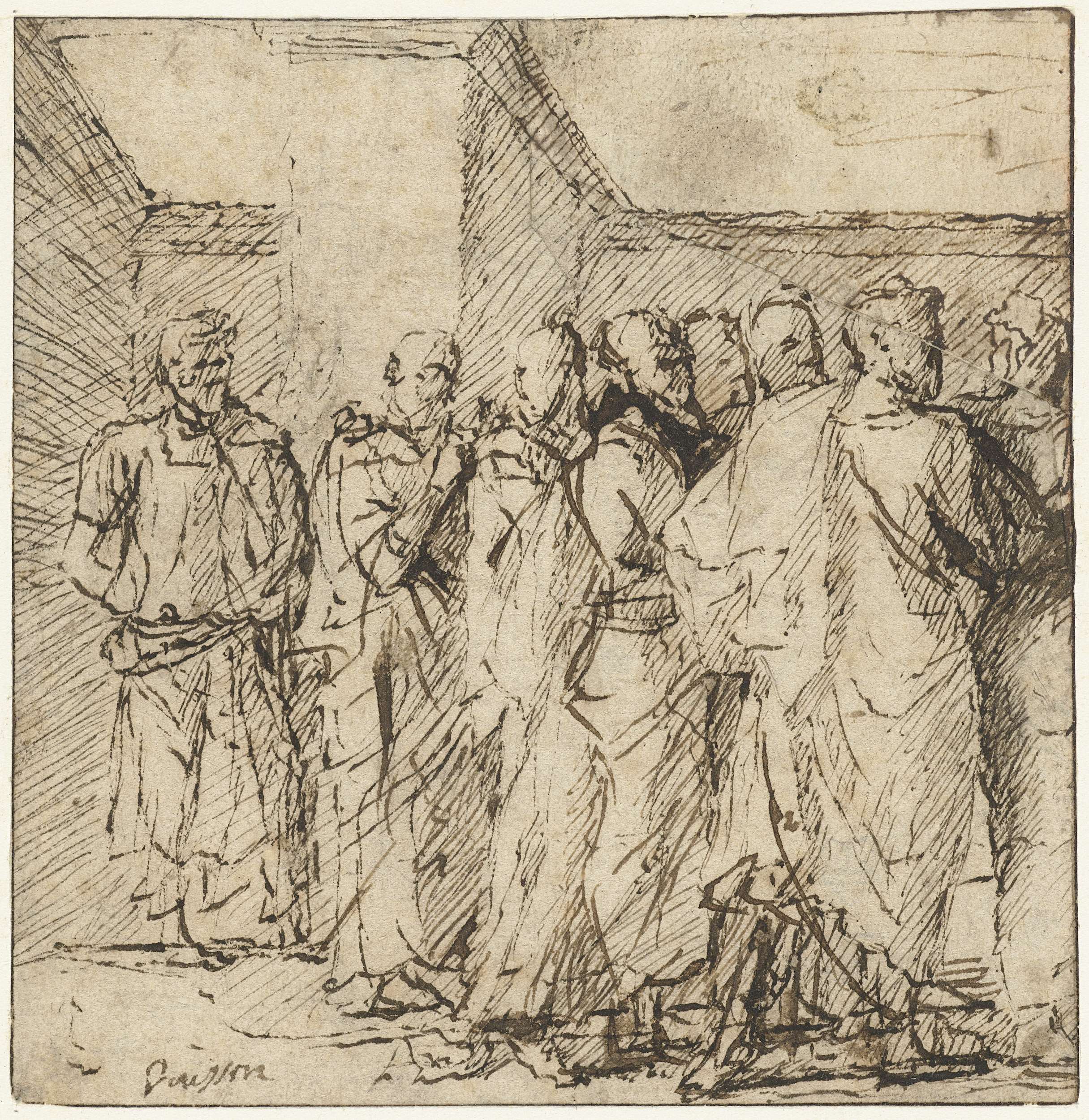
Zittende vrouwenfiguur — History & Analysis
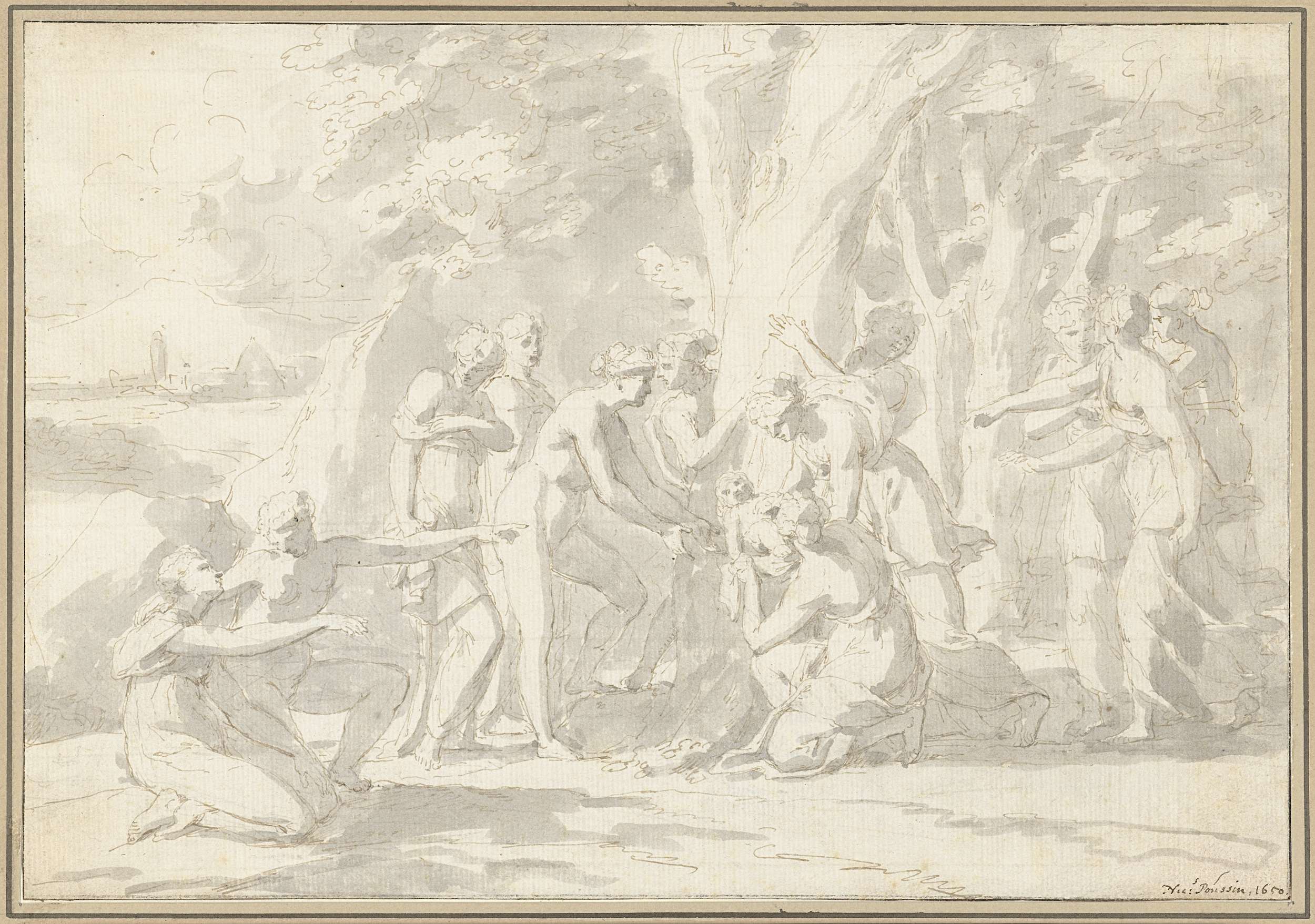
What secret hides in the quiet of the canvas? Within the stillness of Zittende vrouwenfiguur, a sense of profound contemplation echoes silently, inviting viewers into a world where the unsaid speaks volumes. Look to the left at the seated figure, draped in flowing garments that cascade with grace. The rich, muted palette of ochres and soft greens envelops her, while the subtle interplay of light and shadow creates a three-dimensional fullness, emphasizing her serene posture.
The background remains vague yet textured, a soft contrast that pushes the figure into focus, inviting exploration of her thoughtful expression and the intricate folds of her attire. Delve deeper into the painting’s emotional layers; the woman's placid demeanor belies a world of feelings beneath. Her slightly turned head suggests she is engaged in inner dialogue, perhaps grappling with thoughts of longing or sorrow. The void around her amplifies the solitude, hinting at deep existential themes of isolation and the weight of unspoken narratives.
Poussin masterfully captures a moment that feels both tender and heavy, creating a tension that lingers in the air. Created between 1642 and 1644 during a time of tumultuous change in Europe, this piece reflects Nicolas Poussin's evolving exploration of human emotion through classical forms. Living in Rome, he was deeply influenced by the Baroque movement while seeking to infuse his works with a sense of order and clarity. This painting represents a pivotal moment in his career as he sought to balance emotion with reason, echoing the philosophical inquiries of his time.