
Zojoji no yuki (Snow at Zojoji temple) — History & Facts
What secret hides in the quiet of the canvas? Beneath the surface of serene snow, chaos hums, waiting to be uncovered. Look to the gentle swirls of snowflakes as they tumble from the sky, their delicate descent captured in exquisite detail. The soft white blankets the ground, while the dark silhouettes of the temple roof and trees create a striking contrast, drawing your eye to the central structure of Zojoji. Notice how the artist employs subtle shades of blue and gray, infusing the scene with a sense of tranquility, yet the brushstrokes pulse with an underlying energy that suggests the tension of a world momentarily silenced by winter’s embrace. Hidden within the calm beauty of this winter scene is a reflection on the chaos of life.
The temple, a symbol of permanence, stands resilient against the fleeting nature of snow, which can melt away at any moment. This contrast speaks to the ephemeral and the eternal, inviting viewers to ponder the balance between serenity and disorder. The pathway, covered yet visible, suggests a journey taken through the chaos of existence, urging contemplation of the paths we choose. In 1953, when this piece was created, Kawase Hasui, a prominent figure in the shin-hanga movement, sought to revive traditional Japanese woodblock print techniques.
Living in a post-war Japan, Hasui faced a society in flux, balancing modernity with a deep appreciation for nature and culture. Zojoji no yuki reflects not only the artist’s technical mastery but also his profound understanding of the interplay between tranquility and turmoil in a rapidly changing world.
More Artworks by Kawase Hasui
Browse all →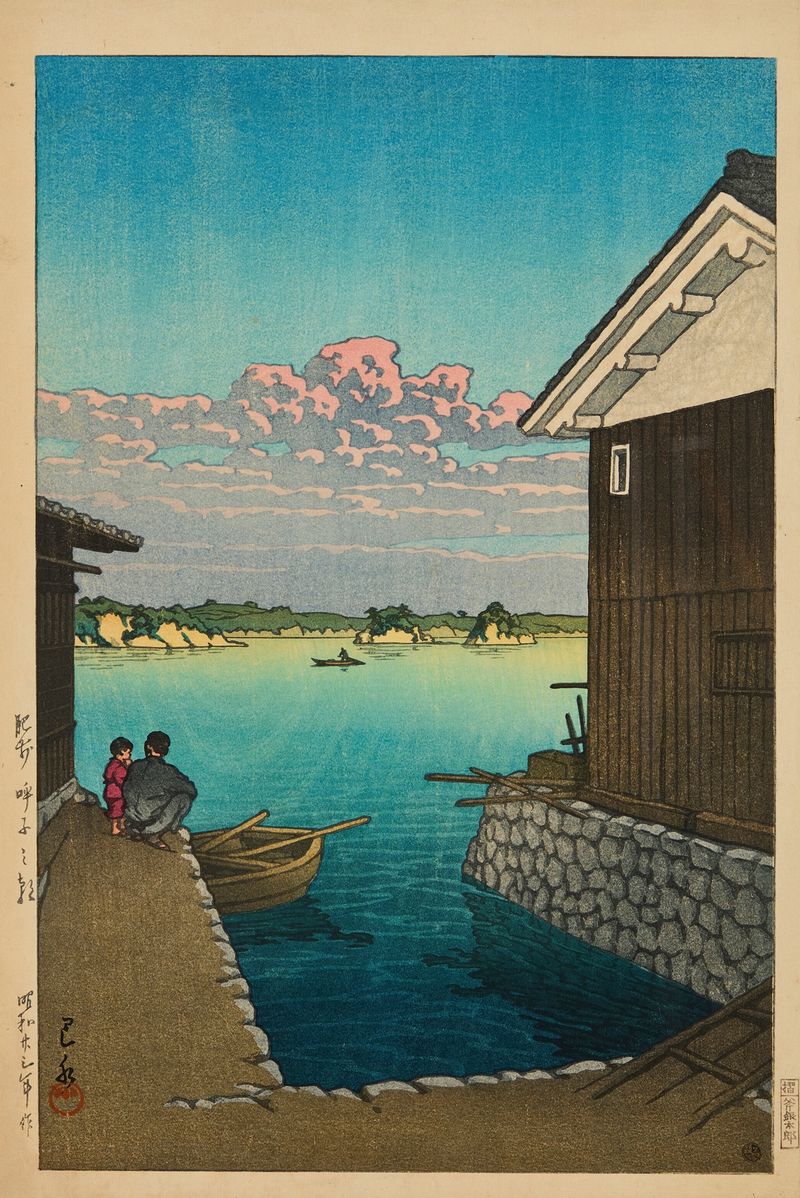
Hizen Yobuko no asa (Morning in Yobuko, Hizen)
Kawase Hasui
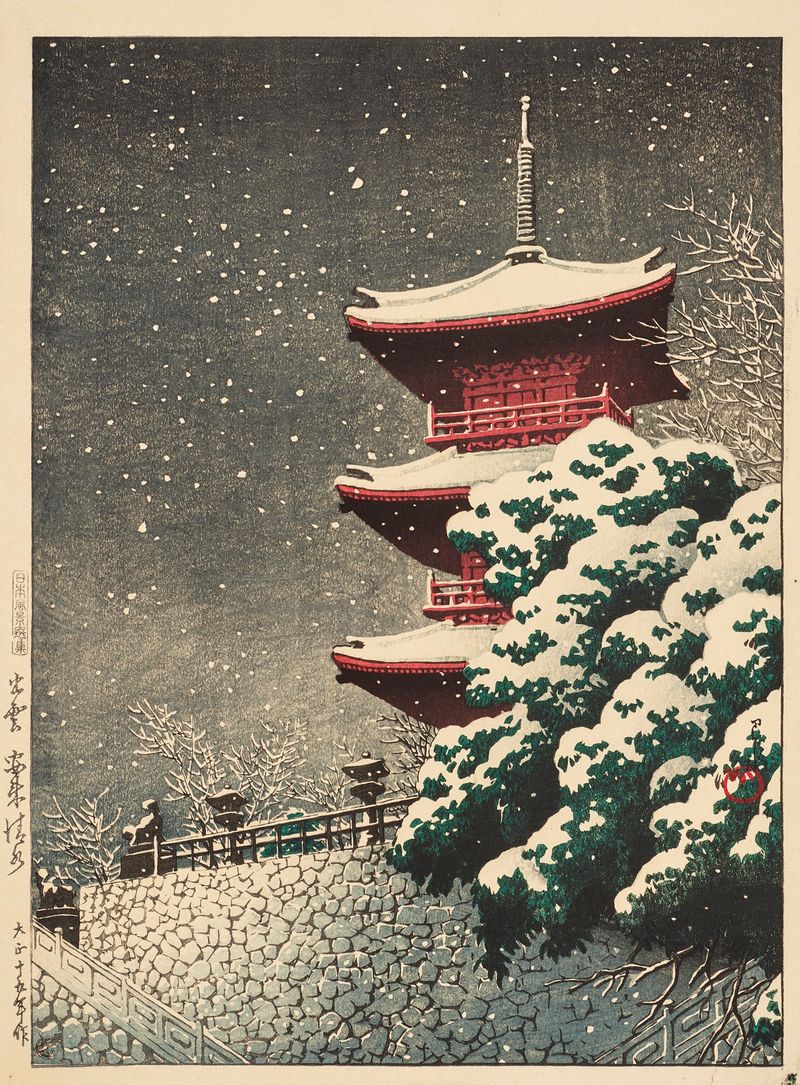
Izumo, Yasugi Kiyomizu (Yasugi Kiyomizu Temple at Izumo)
Kawase Hasui
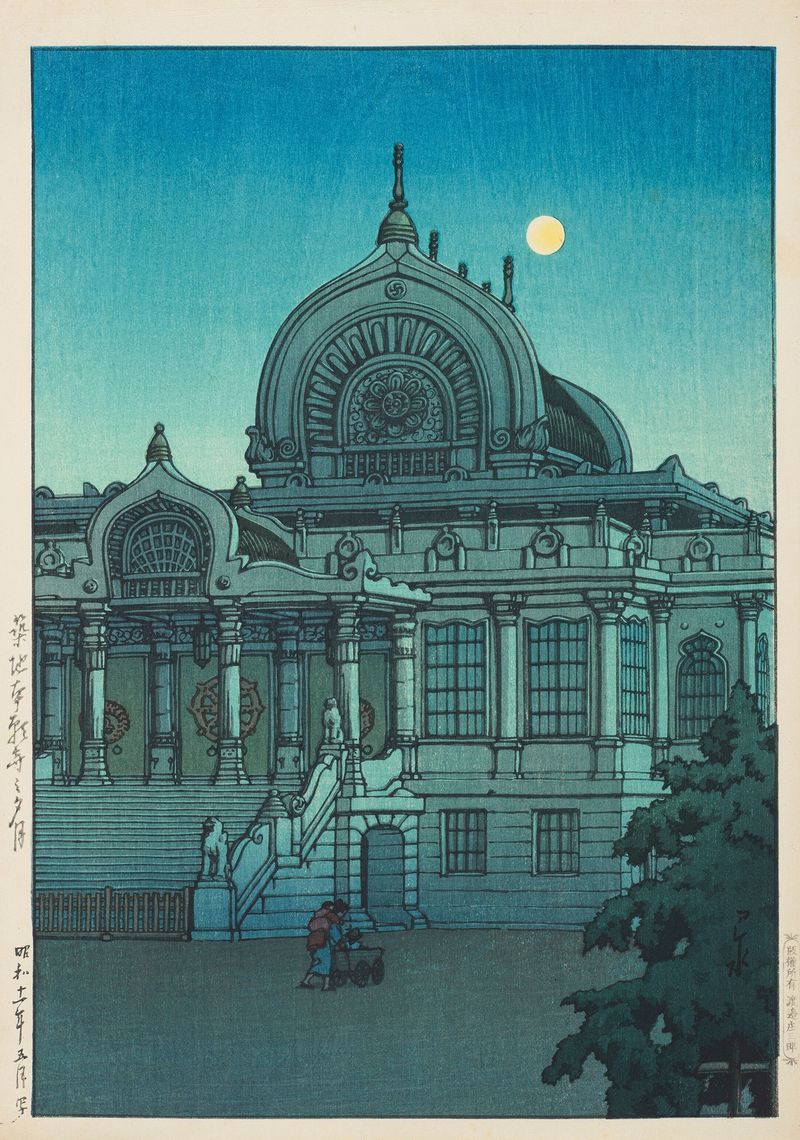
Tsukiji Honganji no yuzuki (Evening moon at Honganji Temple in Tsukiji)
Kawase Hasui
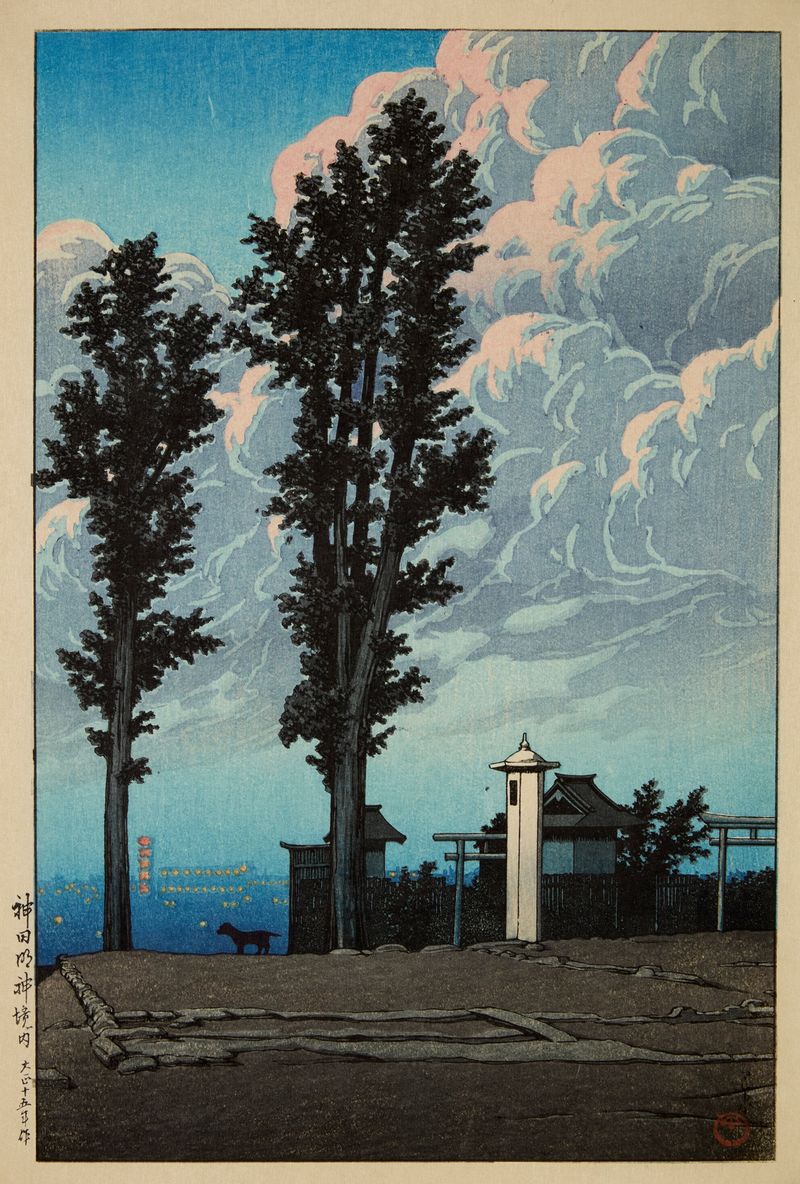
Kanda Myojin keidai (Kanda Myojin Shrine precent)
Kawase Hasui
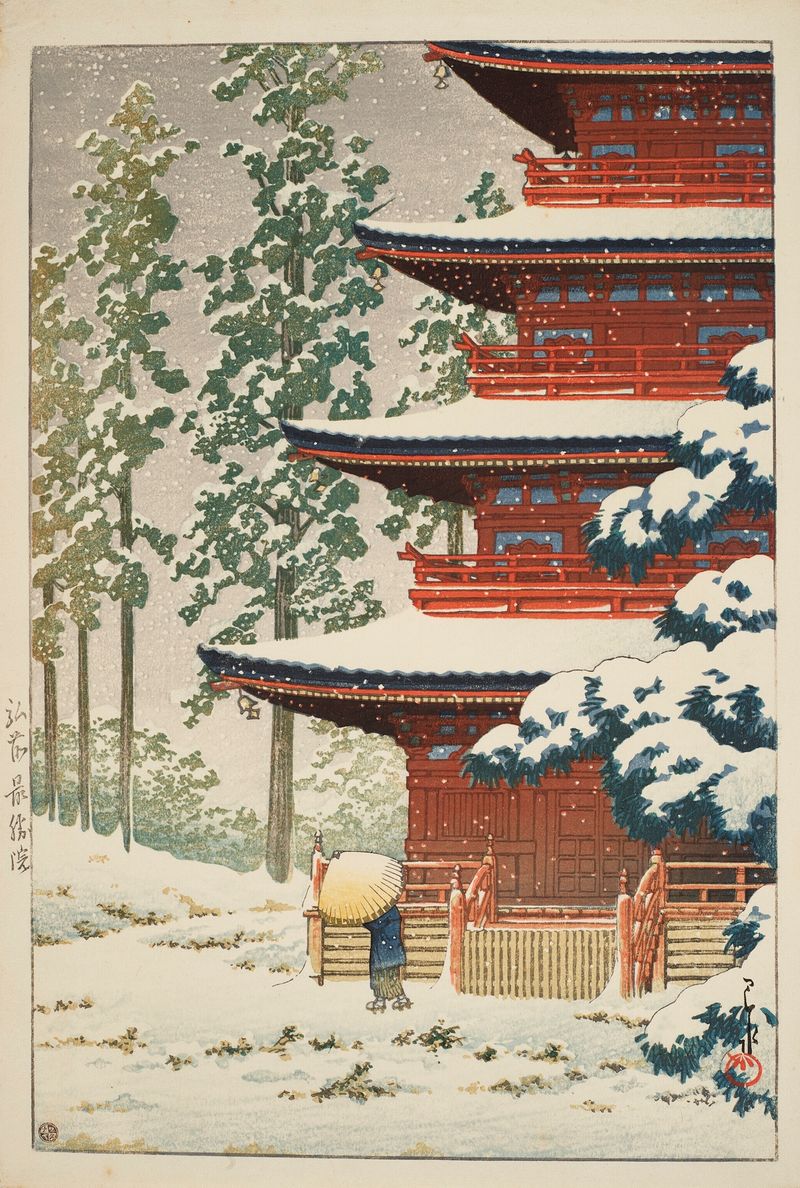
Saisho-in Temple, Hirosaki
Kawase Hasui
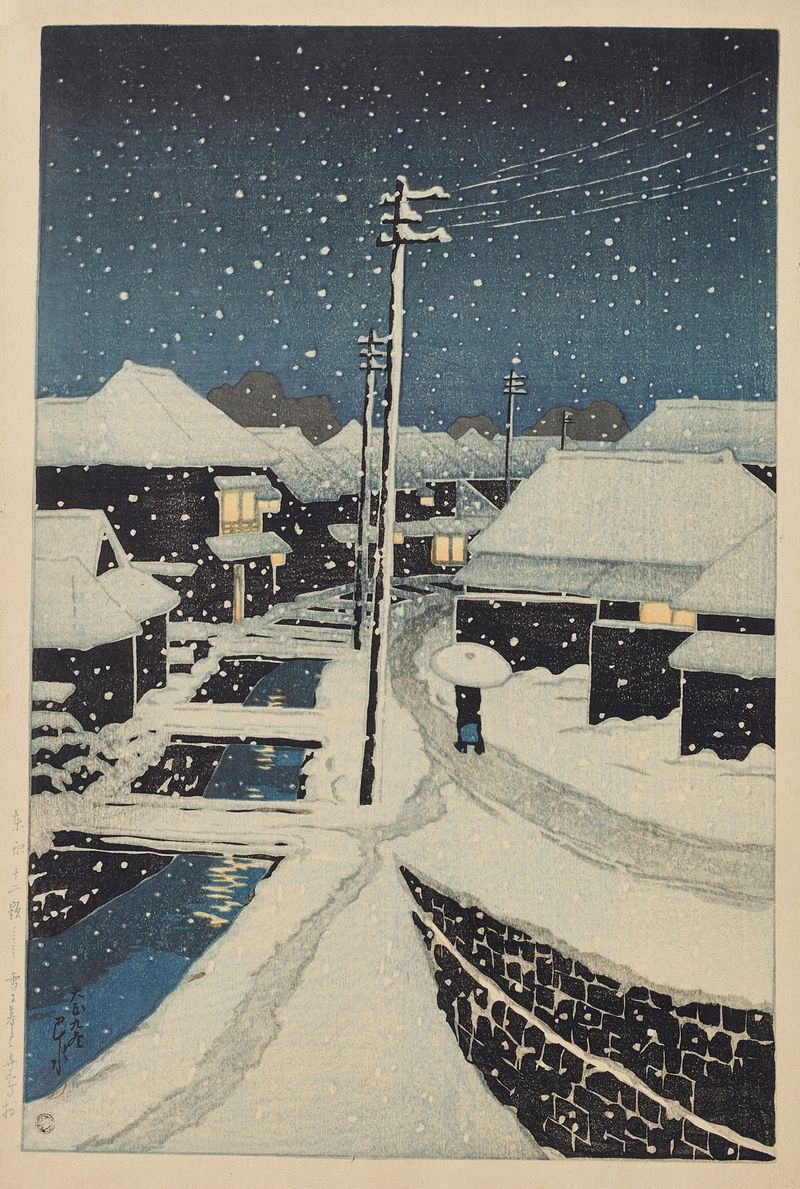
Yuki ni fururu Terajima mura (Evening snow at Terajima Village)
Kawase Hasui
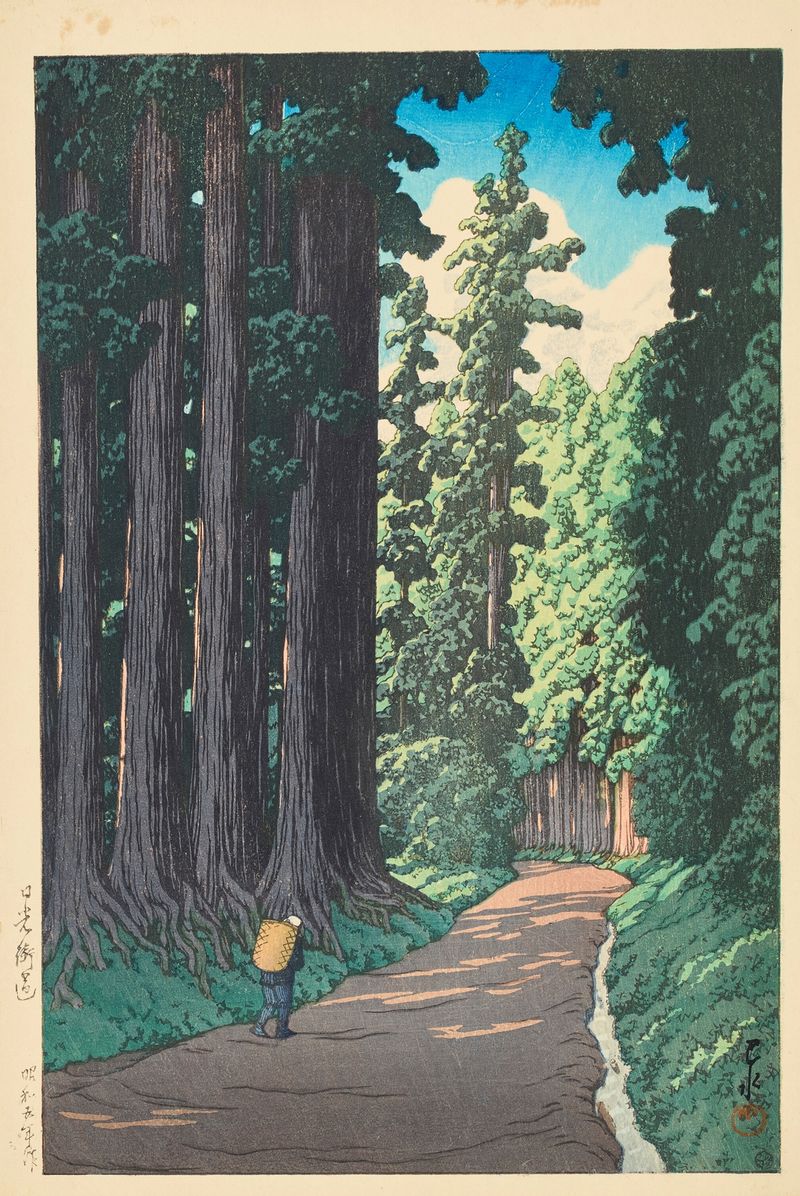
Nikko gaido (The Road to Nikko)
Kawase Hasui
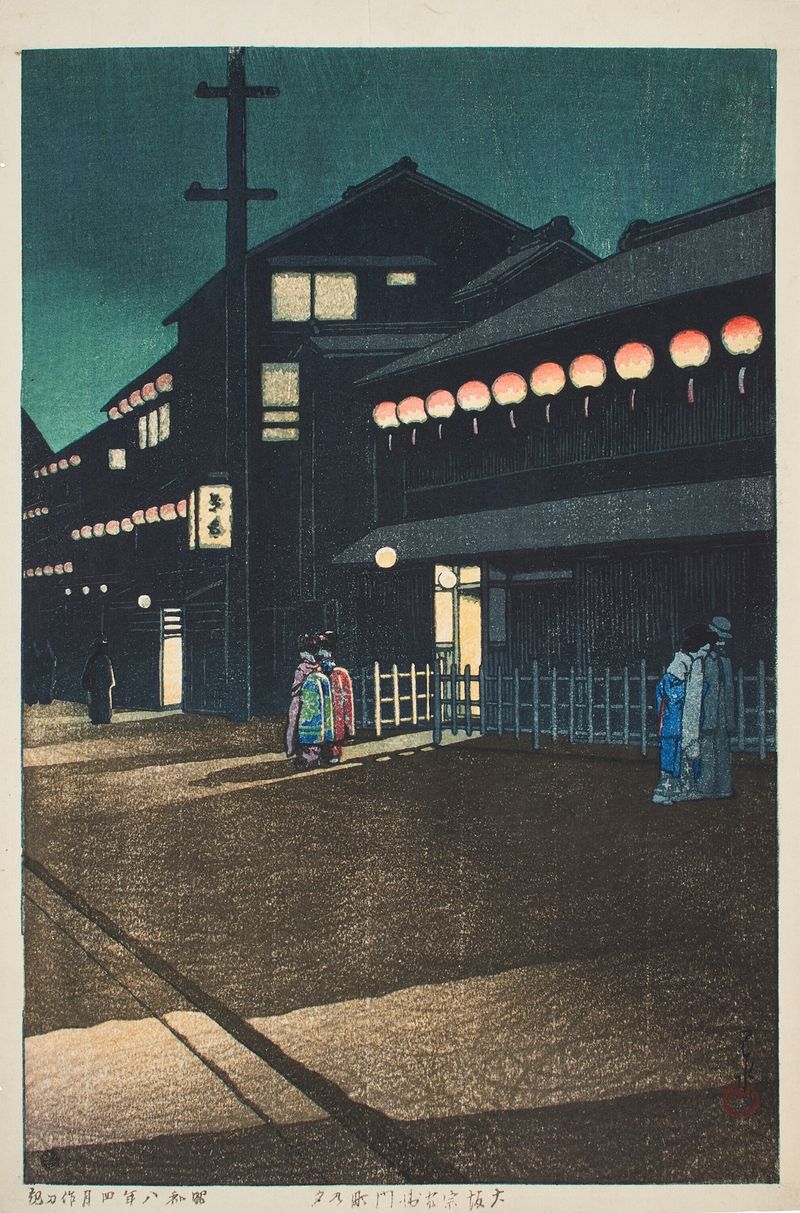
Osaka Soemon-cho no yu (Evening in Soemon-cho, Osaka)
Kawase Hasui
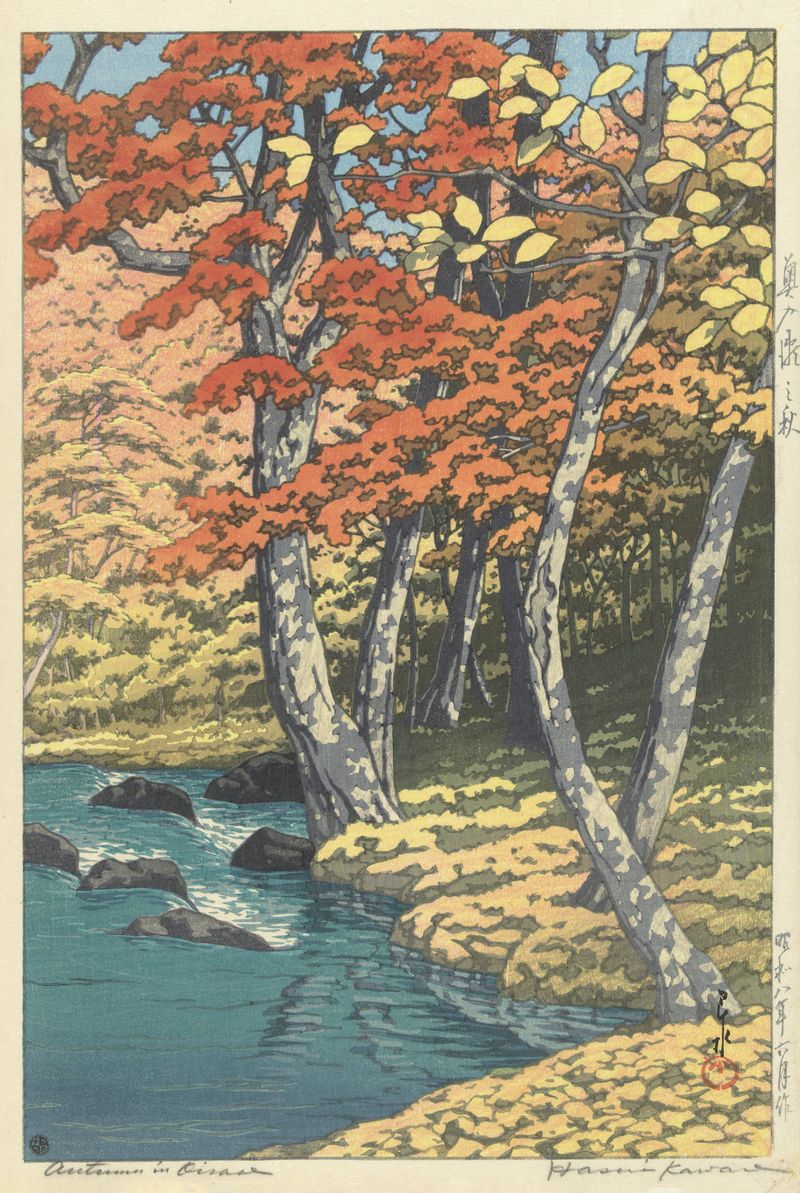
Autumn In Oirase
Kawase Hasui
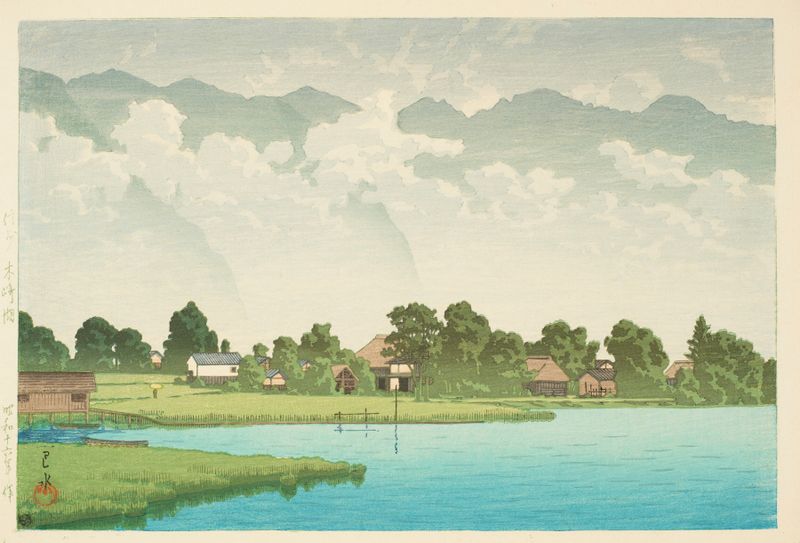
Shinshu Kizakiko (Kizaki Lake in Shinshu)
Kawase Hasui





