
Zonen leggen mantel over dronken Noach — History & Facts
In the stillness of our shared human experience, there lies the quiet hope for redemption, as represented in this striking work from the Renaissance era. Look closely at the figure of Noah, sprawled in a state of vulnerability, his draped mantle an invitation to ponder the fragility of humanity. The muted palette of earthy tones enhances the solemnity of the moment, while the subtle play of light accentuates the contours of his body, creating a striking contrast against the soft drapery that envelops him. Notice how the Zonen, his sons, stand at the edges, their expressions a mixture of concern and duty, as they cover their father's exposed state with compassion. Within this intimate tableau, the emotional tension unfolds.
The mantle acts not only as a protective barrier but symbolizes the complexities of familial love, where shame and honor intertwine. The act of covering is profound; it speaks to the instinctive urge to shield those we love, even when they falter. There’s also a hint of the biblical narrative — the consequences of excess and the promise of grace, suggesting that hope can emerge from even the darkest of moments. During the years 1528 to 1554, when this piece was created, Lucas Cranach (I) was deeply entrenched in the Reformation's turmoil.
As a court painter in Wittenberg, he navigated the shifting tides of religious thought and artistic expression. This painting reflects not only his personal beliefs but also the broader human condition in a time of change, encapsulating the delicate balance between personal failure and the possibility of redemption.
More Artworks by Lucas Cranach (I)
Browse all →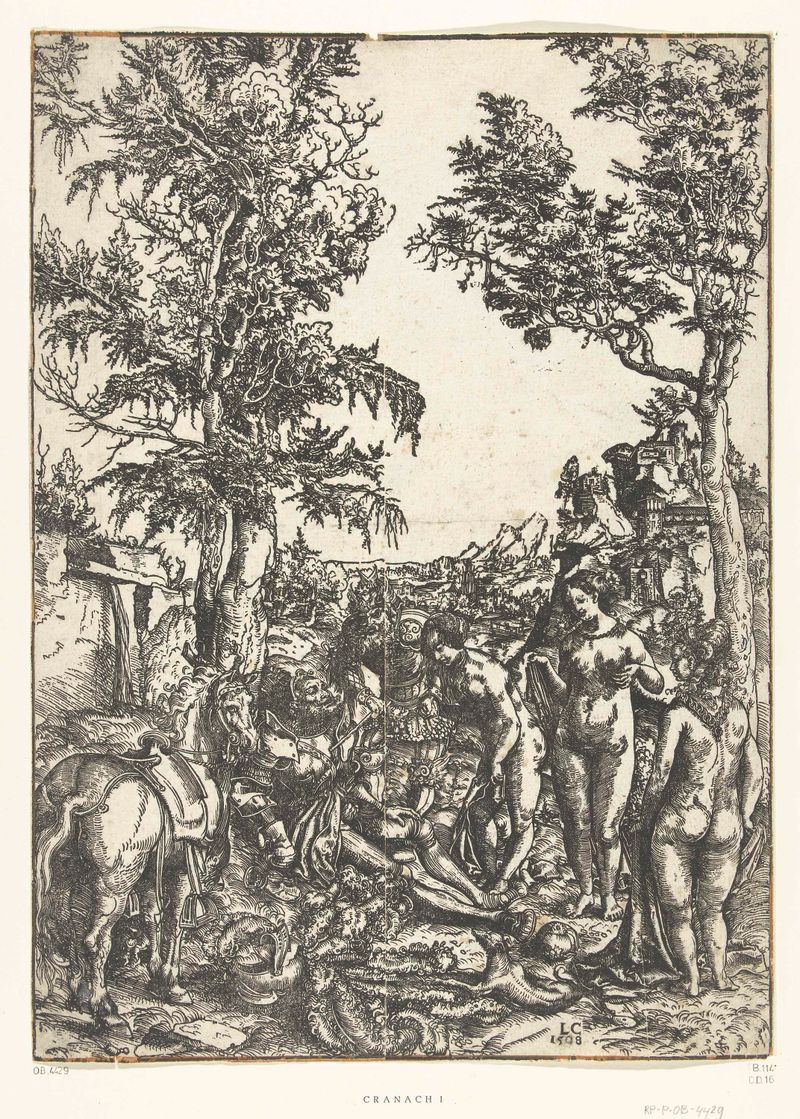
Oordeel van Paris
Lucas Cranach (I)
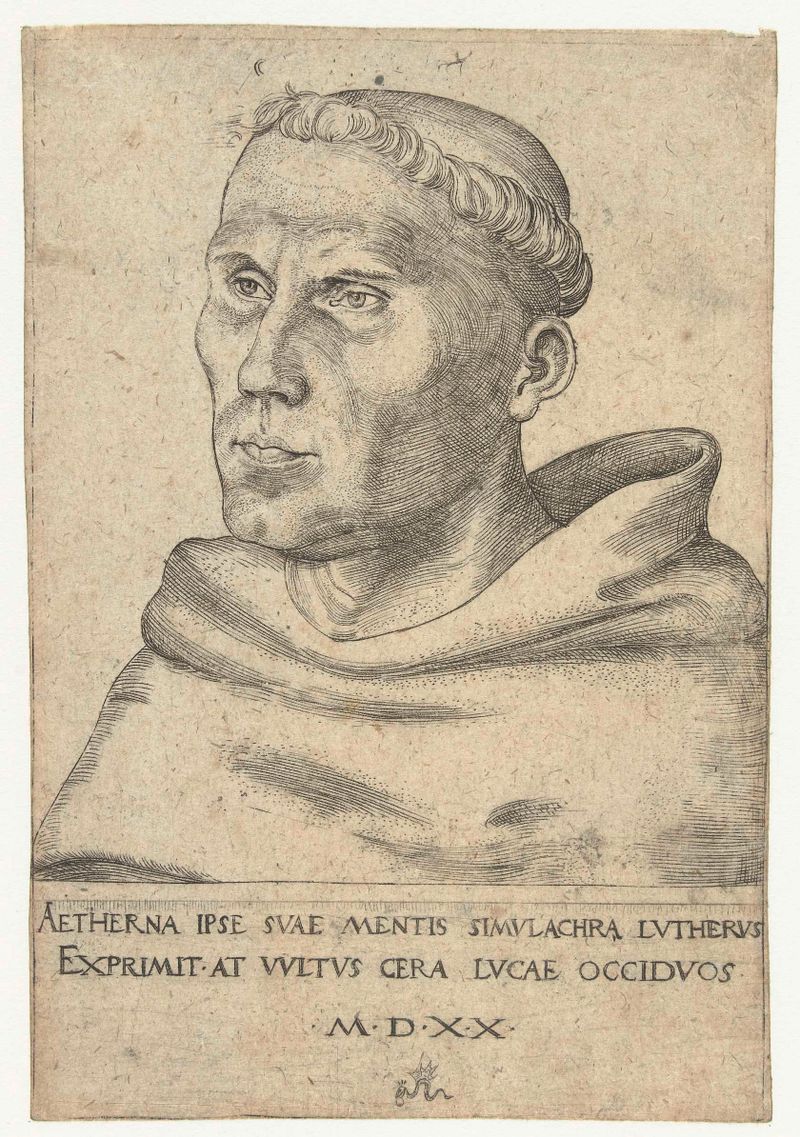
Portret van Martin Luther als Augustijner monnik
Lucas Cranach (I)
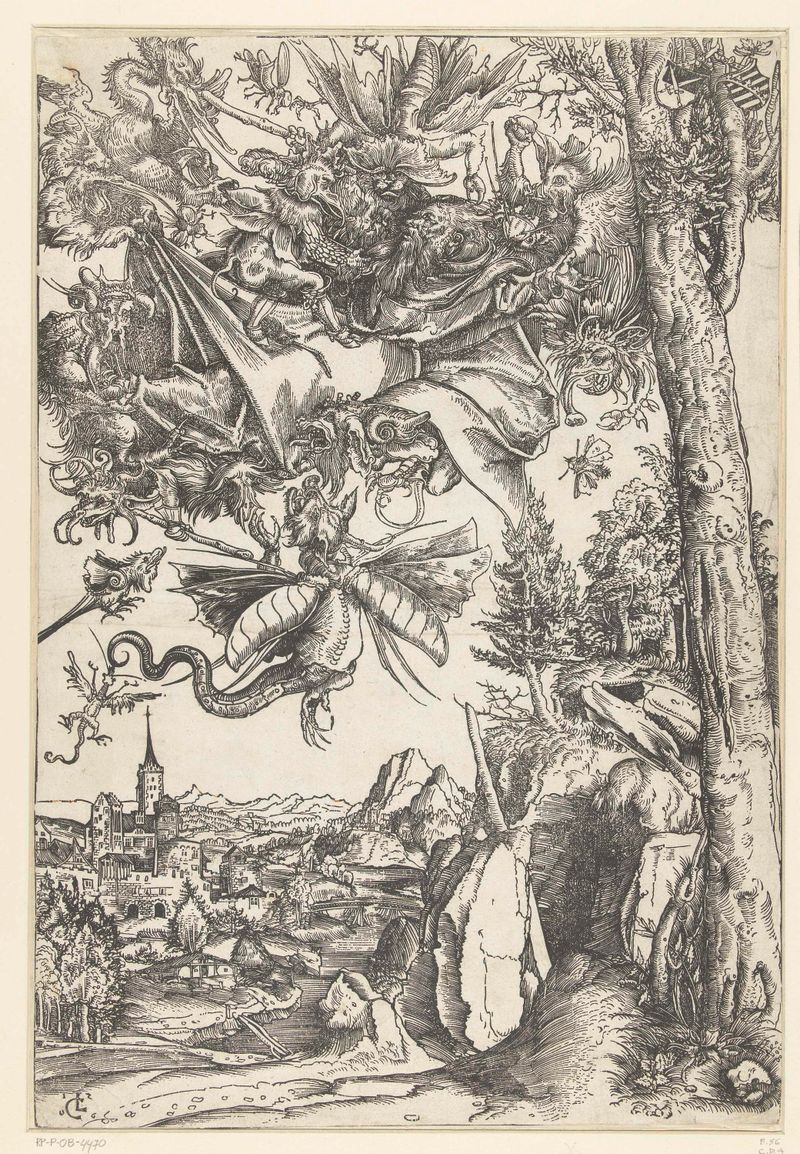
Verzoeking van Antonius met aanval door demonen
Lucas Cranach (I)

Christus en de Samaritaanse vrouw
Lucas Cranach (I)

Duits toernooi met twee edelmannen als ridders te paard
Lucas Cranach (I)
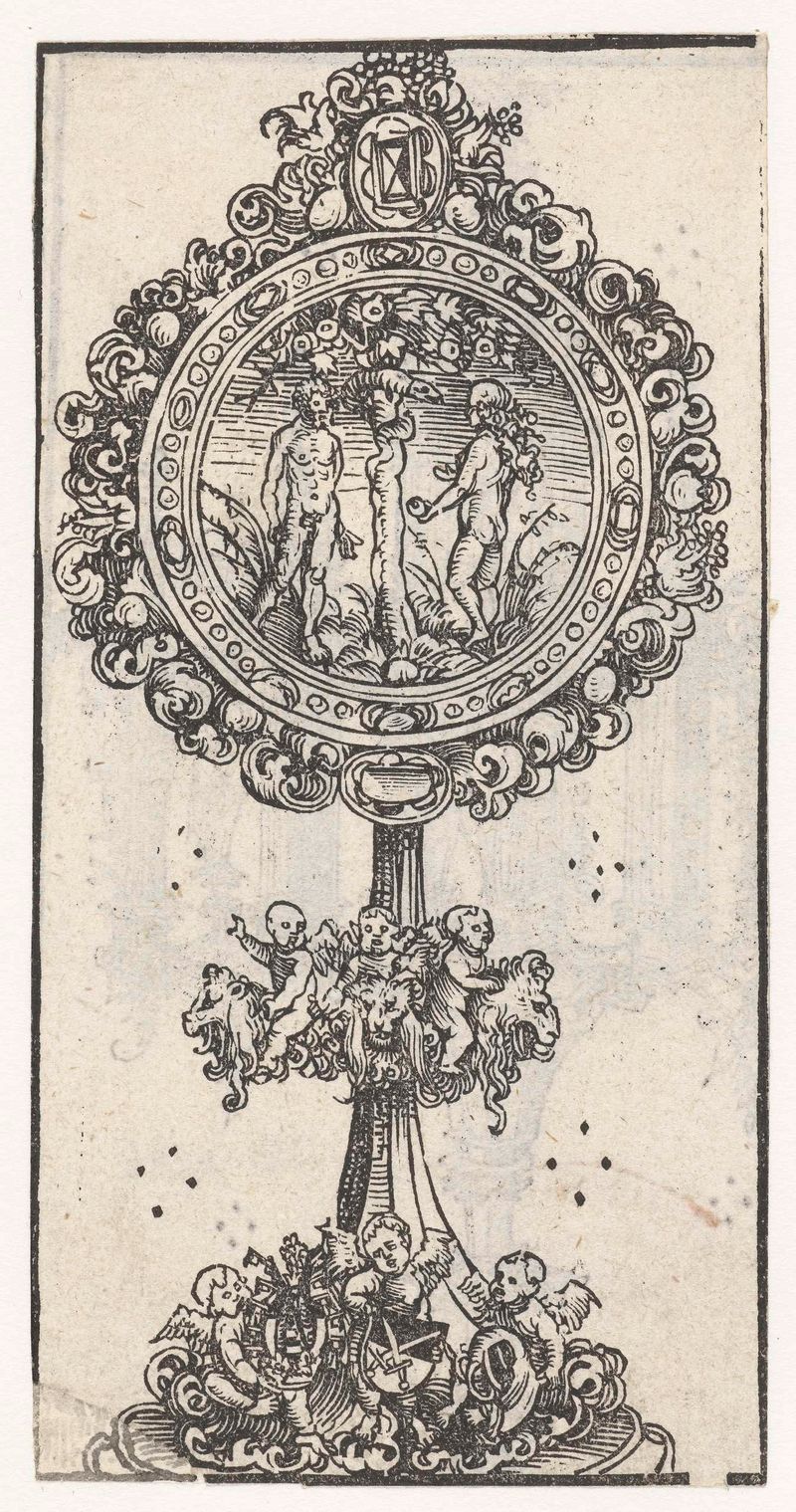
Reliekhouder met de verzoeking van Adam en Eva
Lucas Cranach (I)

Intocht van Christus in Jerusalem
Lucas Cranach (I)
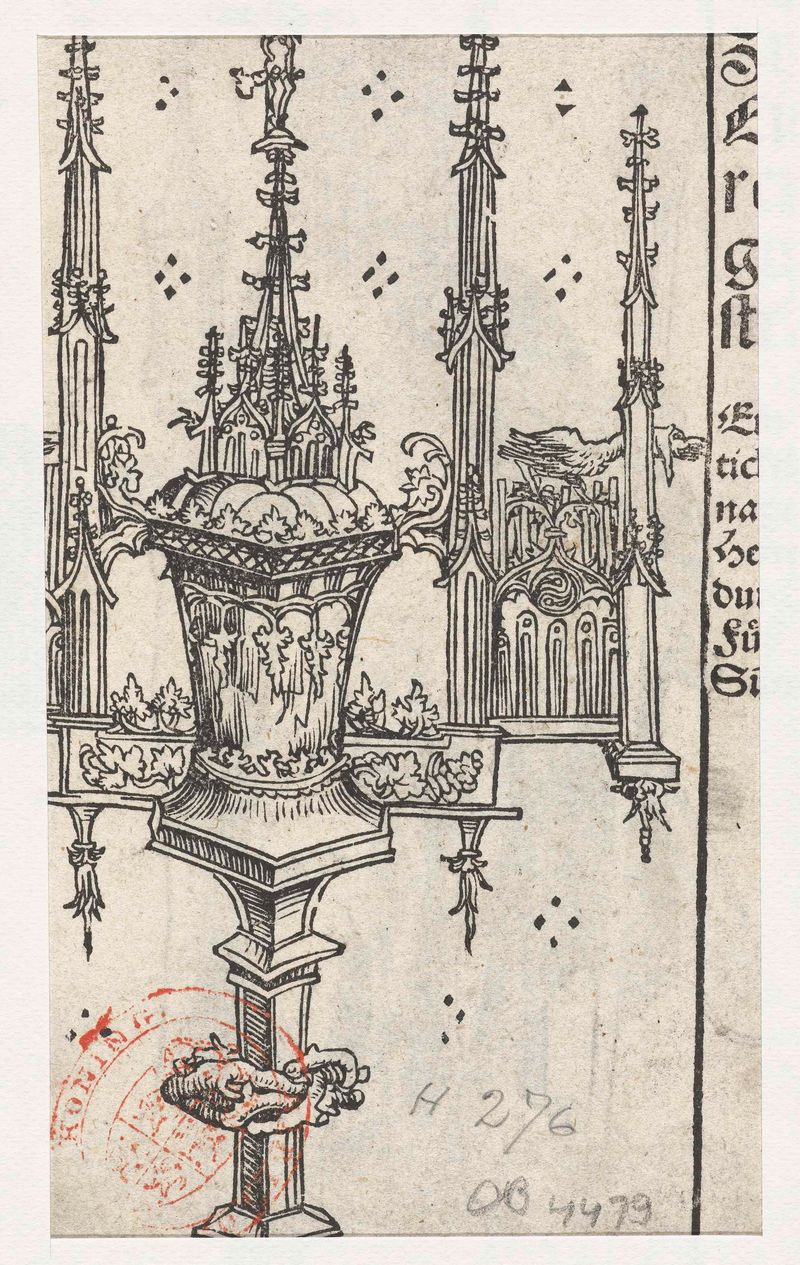
Monstrans met vogel (pelikaan)
Lucas Cranach (I)
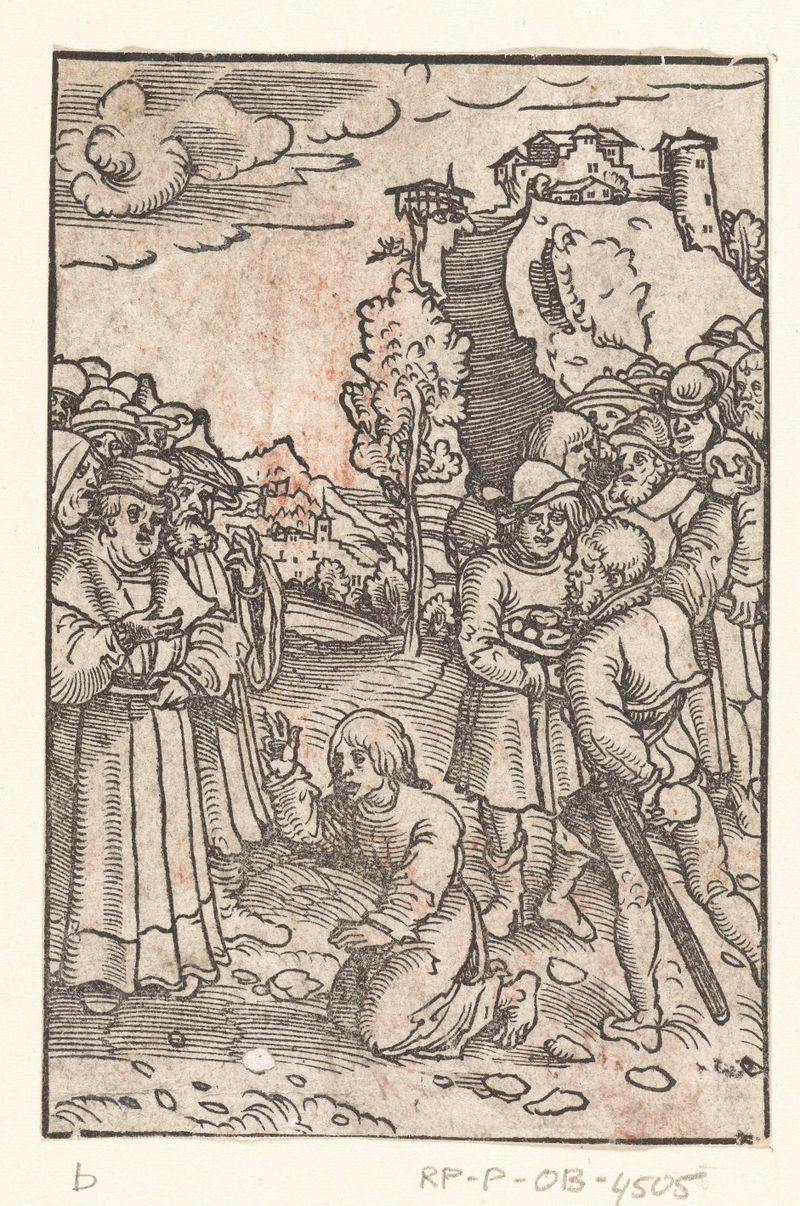
Steniging van Stefanus
Lucas Cranach (I)
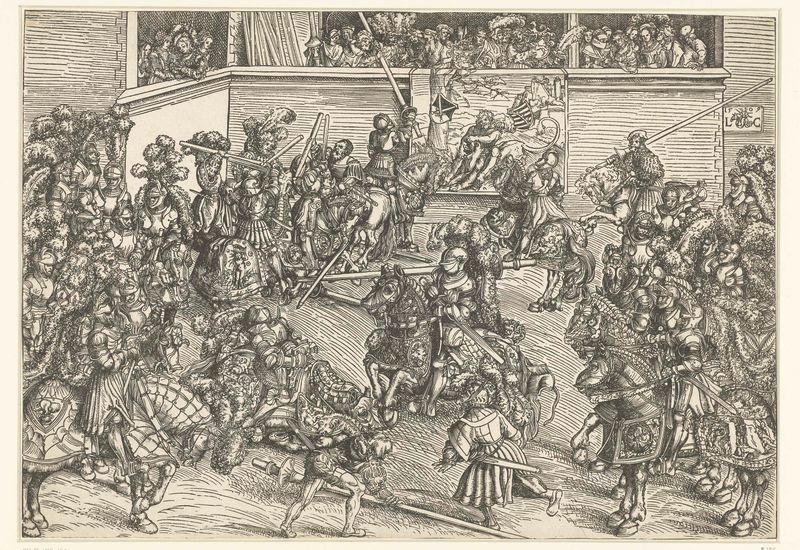
Toernooi van het keurvorstelijk hof van Saksen met wandtapijt Simson doodt de leeuw
Lucas Cranach (I)
More Religious Art
Browse all →
The Return of the Prodigal Son
Rembrandt van Rijn

The Garden of Earthly Delights
El Bosco

Count Orgaz’ funeral
El Greco

The Hundred Guilder Print: the central piece with Christ preaching, the plate arched
Rembrandt van Rijn

The Descent from the Cross
Rogier van der Weyden

The return of the prodigal son
Rembrandt van Rijn