
The Artist in His Museum — History & Facts
The Artist in His Museum was painted in 1822 by Charles Willson Peale, a prominent American artist and naturalist, as a self-portrait set within the Philadelphia Museum he founded. This work was completed late in Peale’s career and reflects his dual roles as both painter and curator, capturing a moment of personal and professional significance. The painting was created in oil on canvas and is recognized as an important document of early American museum culture. The composition centers on Peale himself, standing in the foreground and lifting a large red curtain to reveal the interior of his museum.
Behind him, glass-fronted cabinets display taxidermied birds and other specimens, while visitors explore the gallery in the background. The light is carefully controlled, illuminating both the artist and the specimens, while a wild turkey, painter’s palette, and fossil bones are arranged in the foreground, signifying Peale’s interests in art and natural history. The meticulous detail and clarity of the painting emphasize the educational mission of the museum and Peale’s pride in his achievements. This painting was created for display in Peale’s own museum, which was located in Independence Hall, Philadelphia.
It has been widely exhibited and reproduced as a symbol of American Enlightenment ideals and the intersection of art and science in the early United States. The work is held today in a public collection and is frequently cited in scholarship on American art and museum history.
More Artworks by Charles Willson Peale
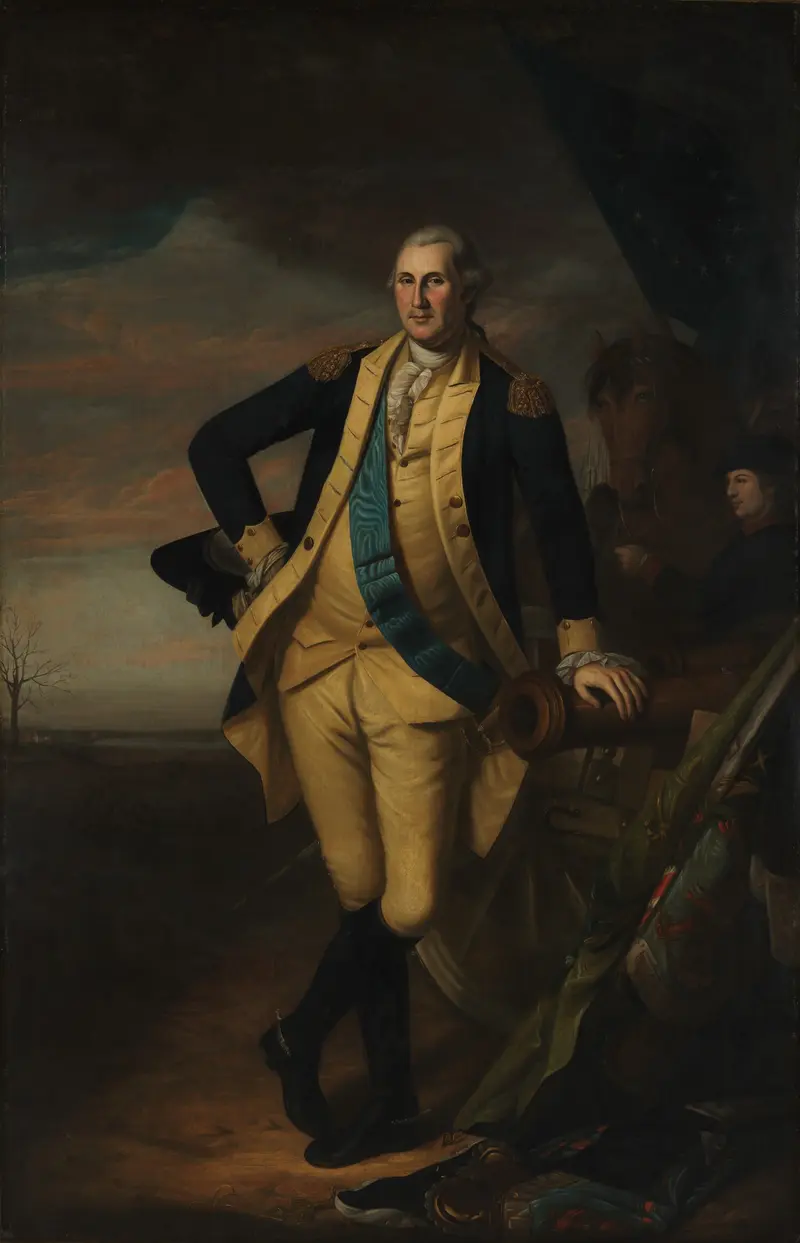
George Washington
Charles Willson Peale
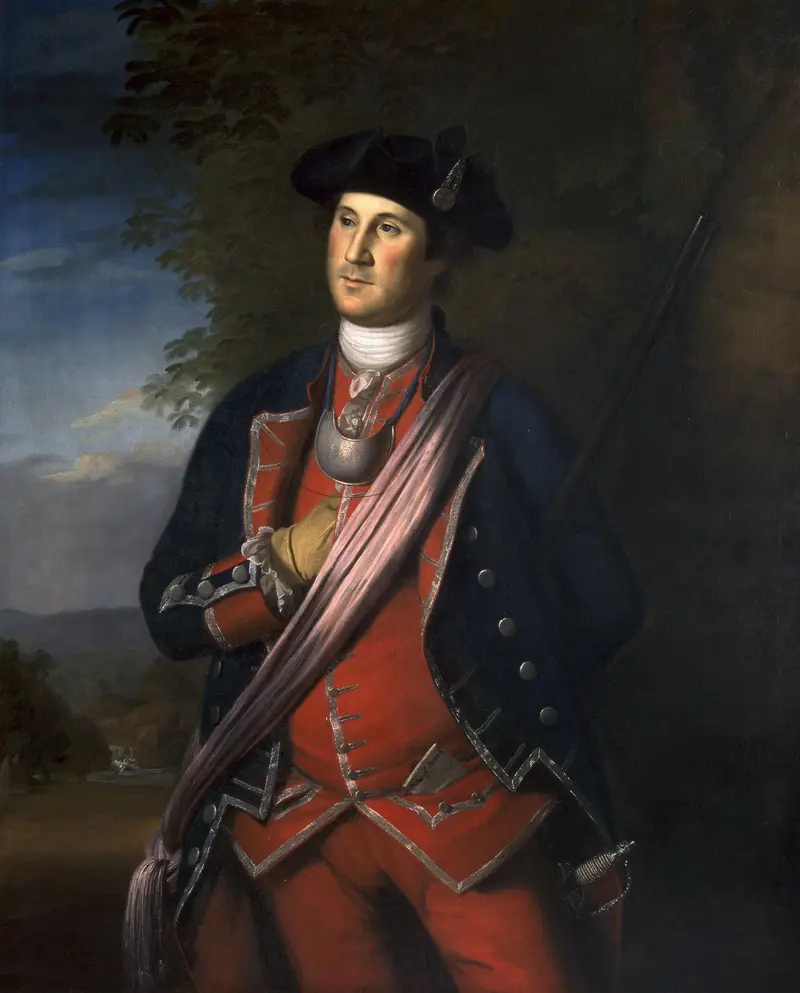
Washington in the Uniform of a British Colonial Colonel
Charles Willson Peale

George Washington (1732-1799)
Charles Willson Peale
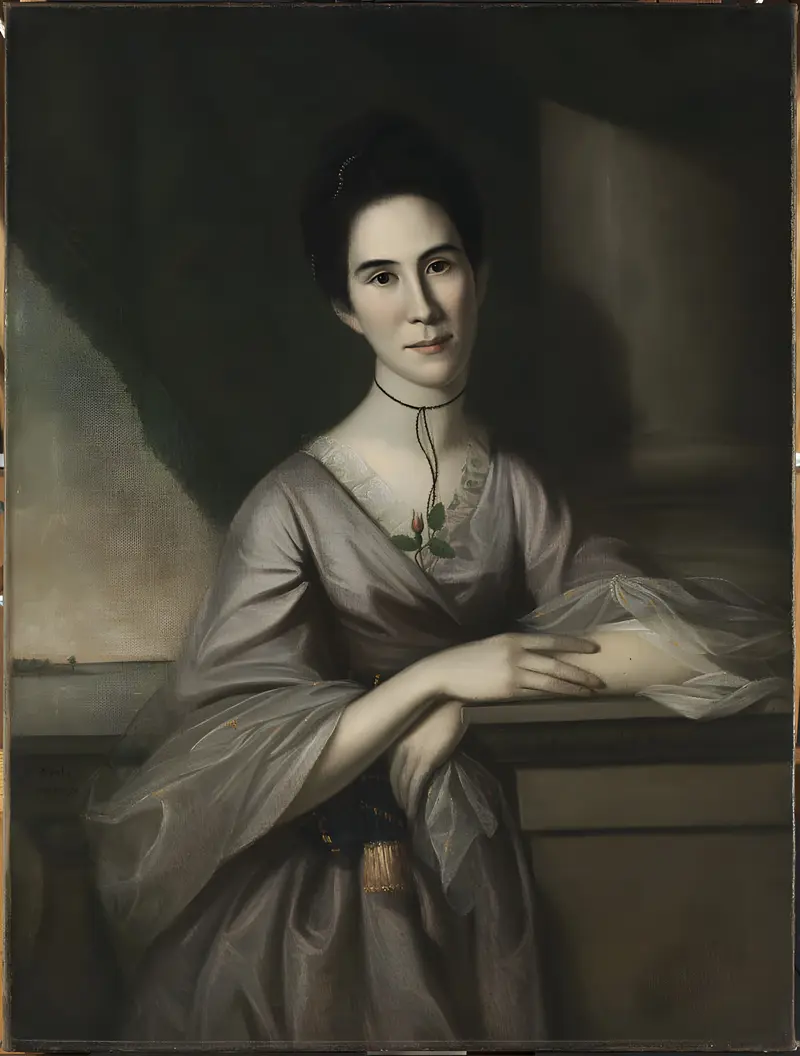
Susanna Steuart Tilghman (Mrs. James Tilghman) (1749-1774)
Charles Willson Peale
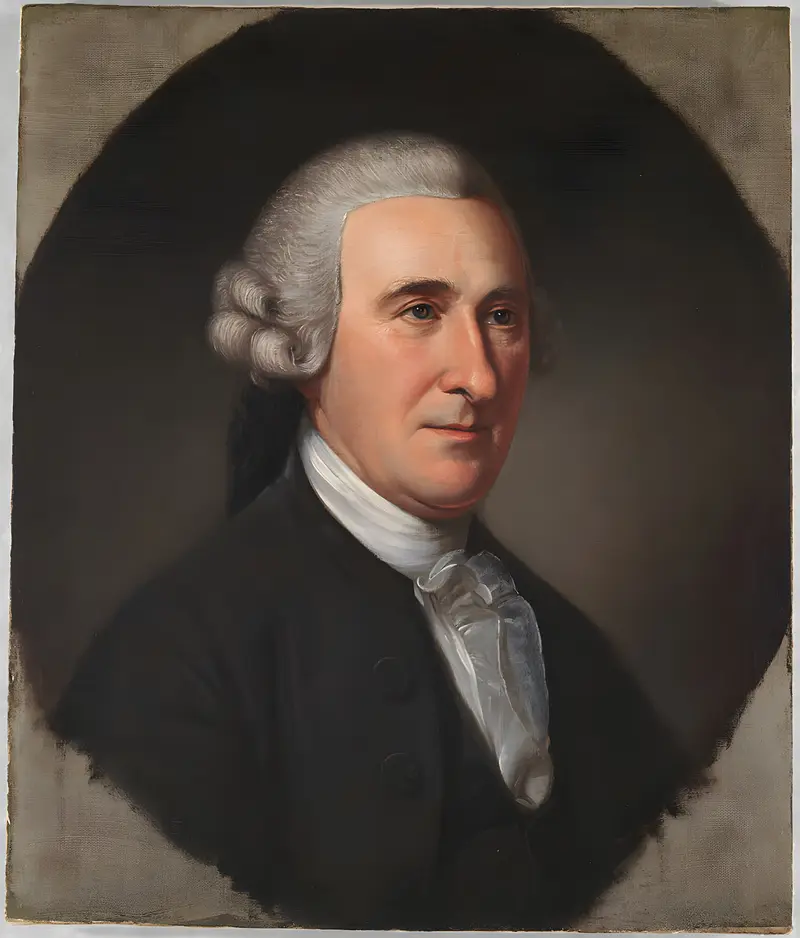
Thomas McKean (1735-1817)
Charles Willson Peale
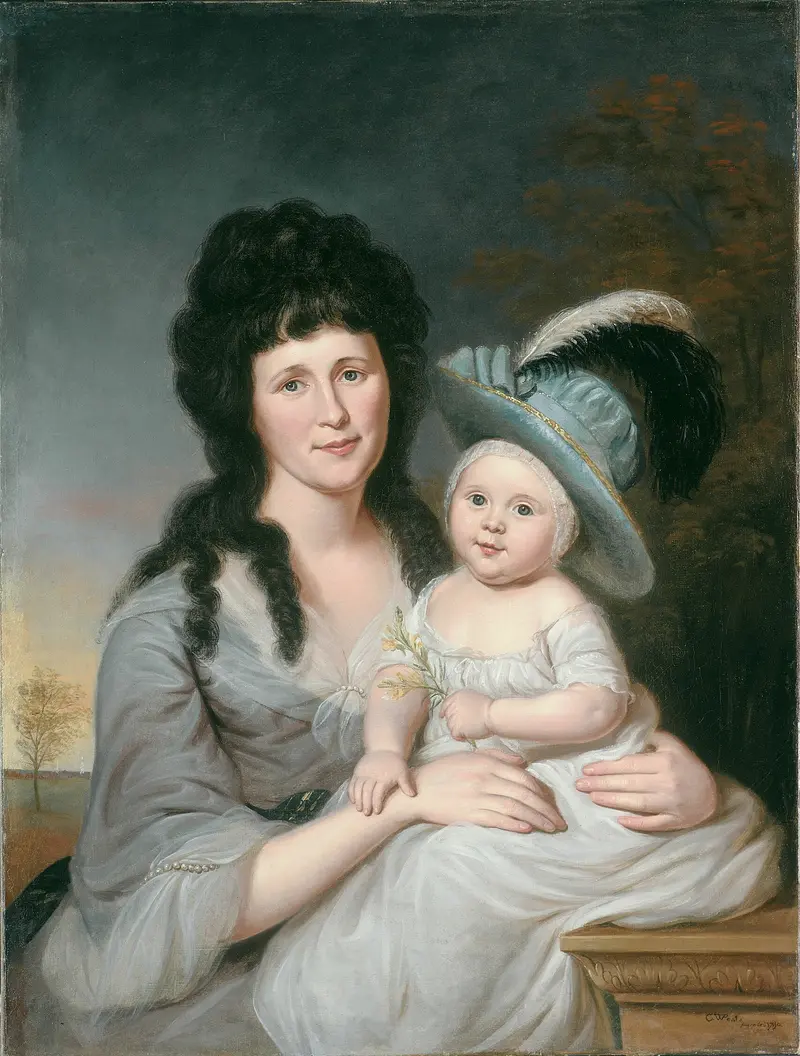
Mrs. John Nicholson (Hannah Duncan) and John Nicholson, Jr.
Charles Willson Peale
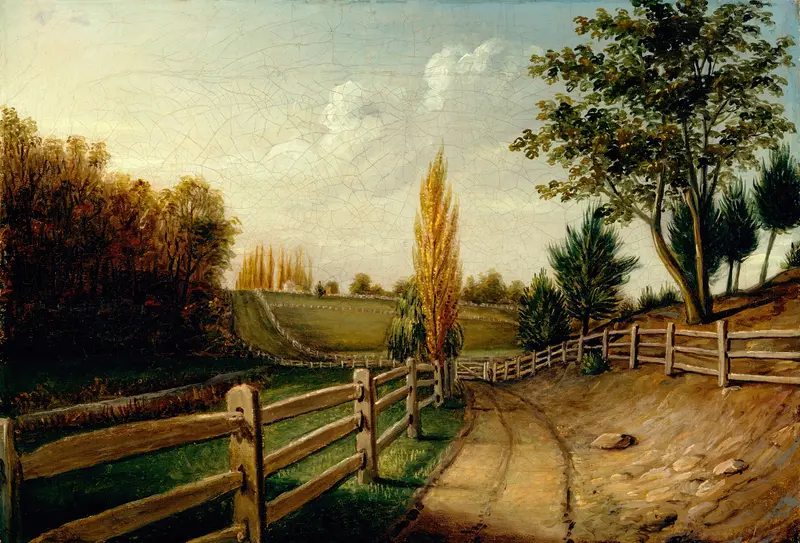
Belfield Farm
Charles Willson Peale
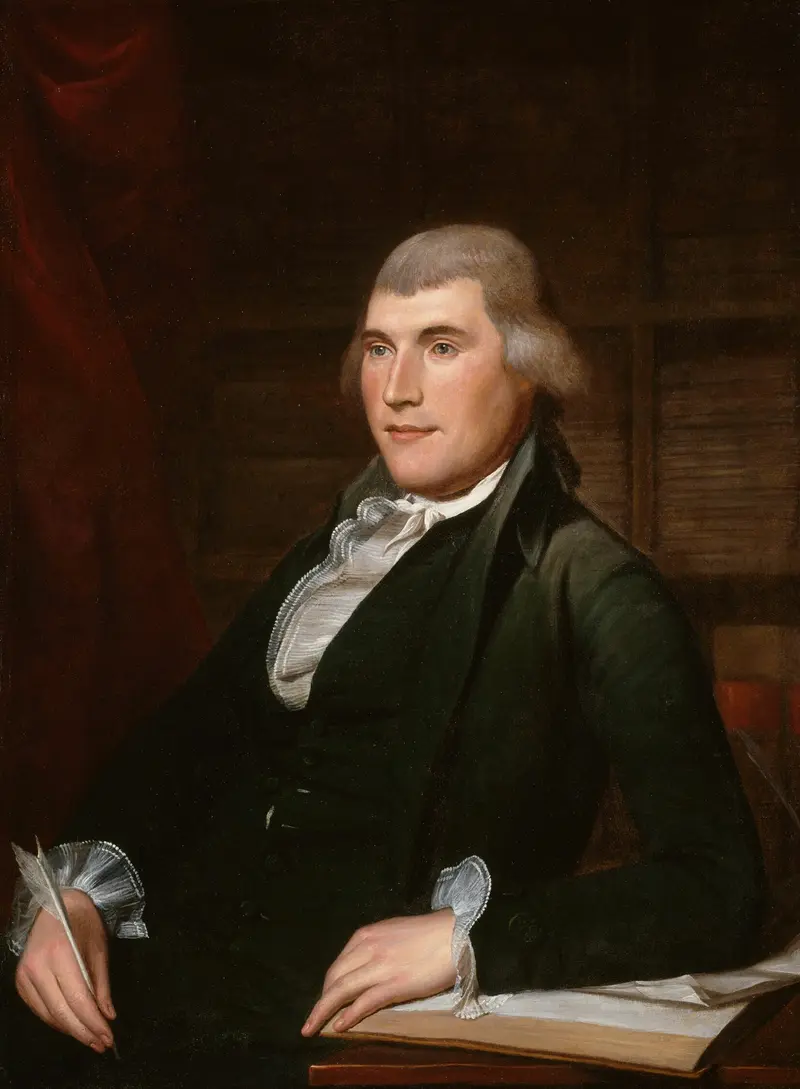
John Nicholson
Charles Willson Peale
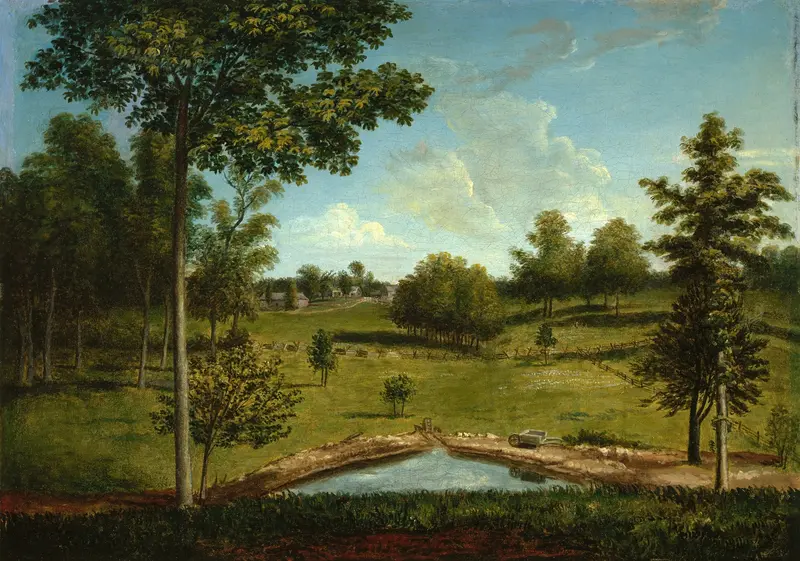
Landscape Looking Toward Sellers Hall from Mill Bank
Charles Willson Peale





