
1848 Bilia vohnu — History & Facts
The first thing that seizes the eye in 1848 Bilia vohnu is the way firelight carves out two human presences from the surrounding gloom, as if the world itself has shrunk to the circle of warmth they share. The nearest figure, back turned, is rendered with a sculptor’s attention to muscle and drapery, his head wrapped in cloth, his bare shoulder catching the glow. Across the fire, another man gestures, his features animated in conversation or perhaps in the telling of a tale.
The pitcher in the left foreground is not just a still-life detail—it anchors the scene in lived reality, hinting at hospitality, at the rituals of rest and survival. The palette, all ochres and browns, lets the light do the storytelling: here, warmth is both literal and symbolic, a fragile defense against the vast, dark steppe. Works like this, made in 1848 by Taras Shevchenko, belong to a world in flux—the Russian Empire’s borderlands, where Kazakh nomads and Ukrainian intellectuals crossed paths. Artists of this era often recorded the customs and daily life of peoples on the empire’s edge, sometimes on commission, sometimes from personal fascination.
The source notes simply: “Kazakhs warming up by the fire,” and history has kept few traces of the work’s journey since. Yet the drawing’s intimacy, its focus on gesture and light, speaks to a broader nineteenth-century urge to document, to witness, to preserve moments that might otherwise vanish. The longer you look, the more the fire’s glow seems to draw you in, inviting you to imagine the stories exchanged in its flickering circle.
Sources: Wikidata Q123163863 · Image source (Wikimedia Commons)
More Artworks by Taras Shevchenko
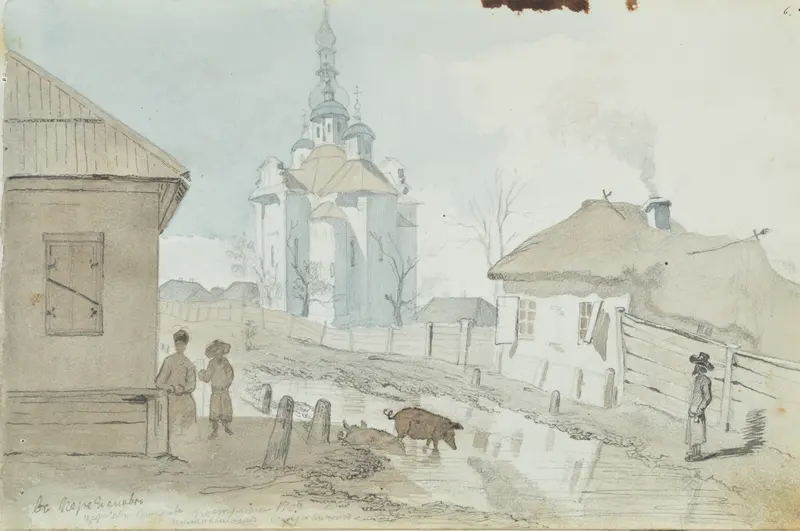
1845 Sh Sketchbook f.06r
Taras Shevchenko

1845 Sh Sketchbook f.04r
Taras Shevchenko
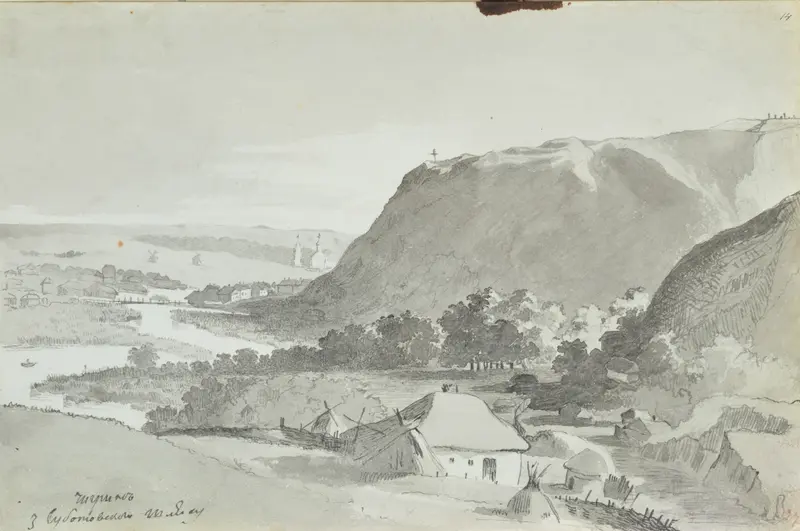
1845 Sh Sketchbook f.14r
Taras Shevchenko
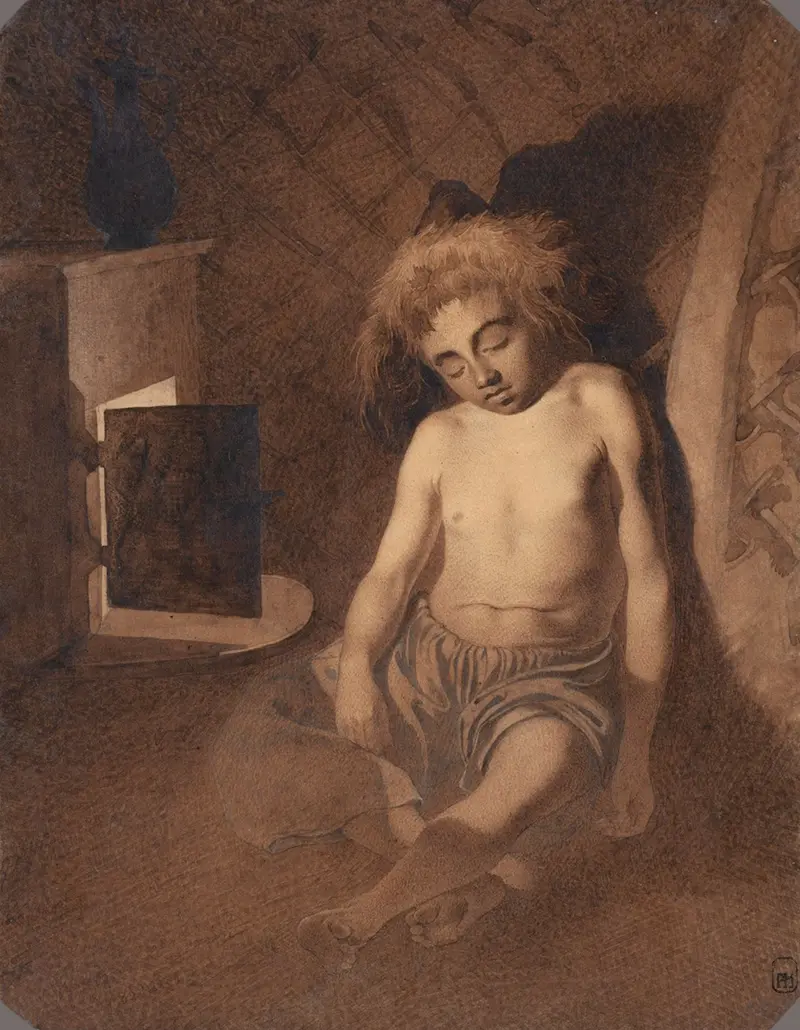
1848 Hlopcyk zasnuv
Taras Shevchenko
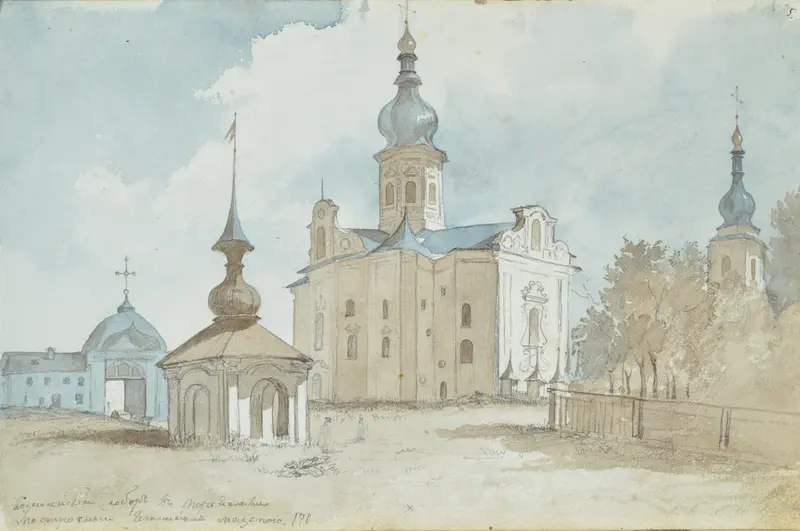
1845 Sh Sketchbook f.05r
Taras Shevchenko
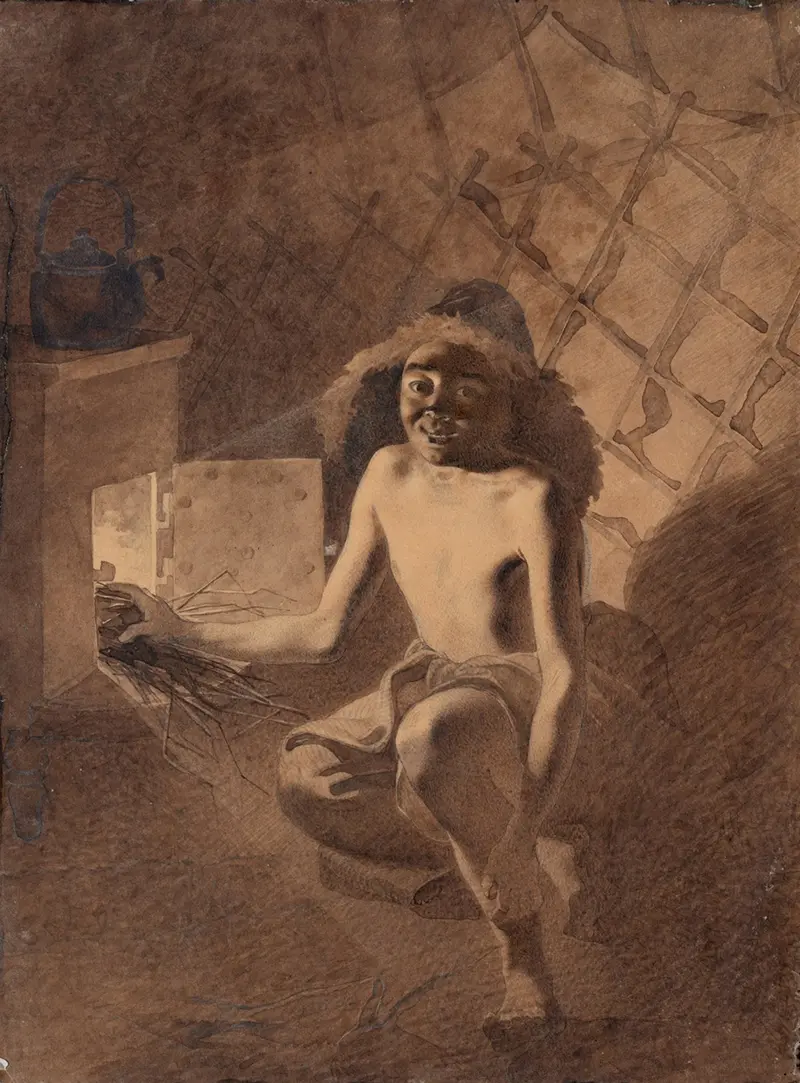
1848 Hlopcyk rozpalije
Taras Shevchenko
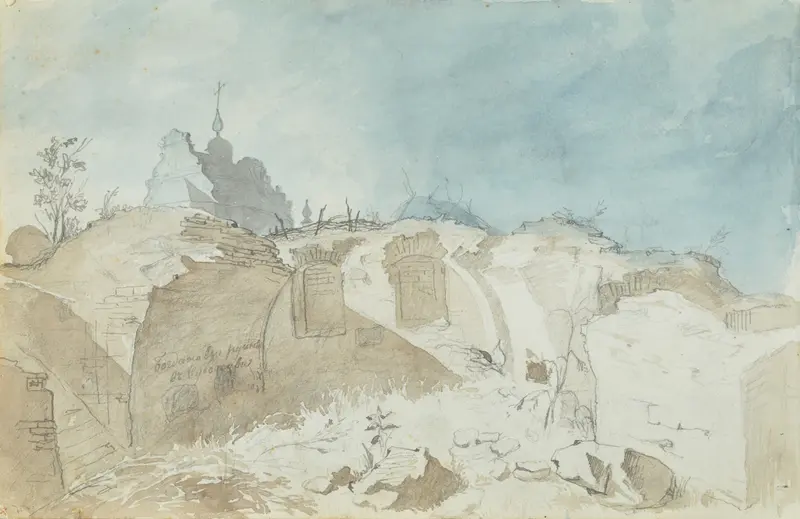
1845 Sh Sketchbook f.12v
Taras Shevchenko
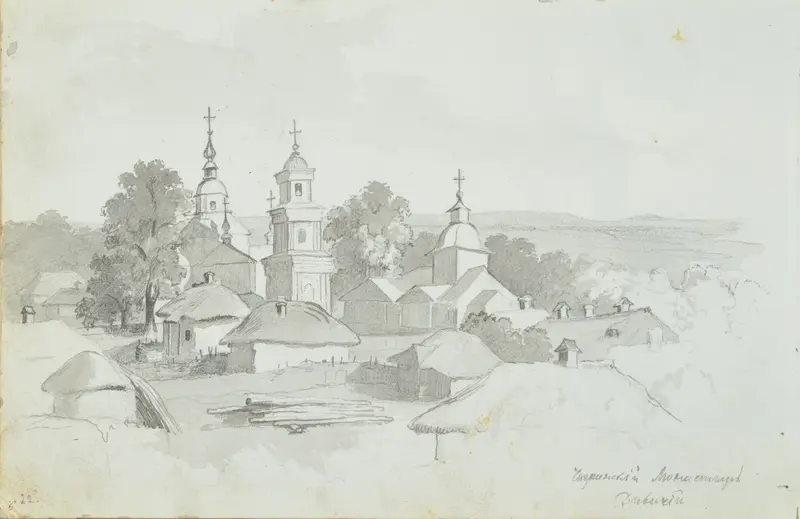
1845 Sh Sketchbook zz f.11v
Taras Shevchenko
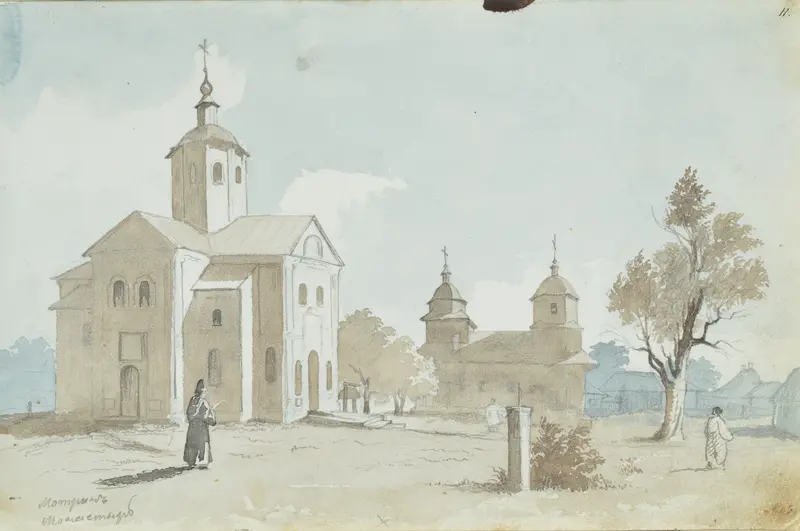
1845 Sh Sketchbook f.11r
Taras Shevchenko
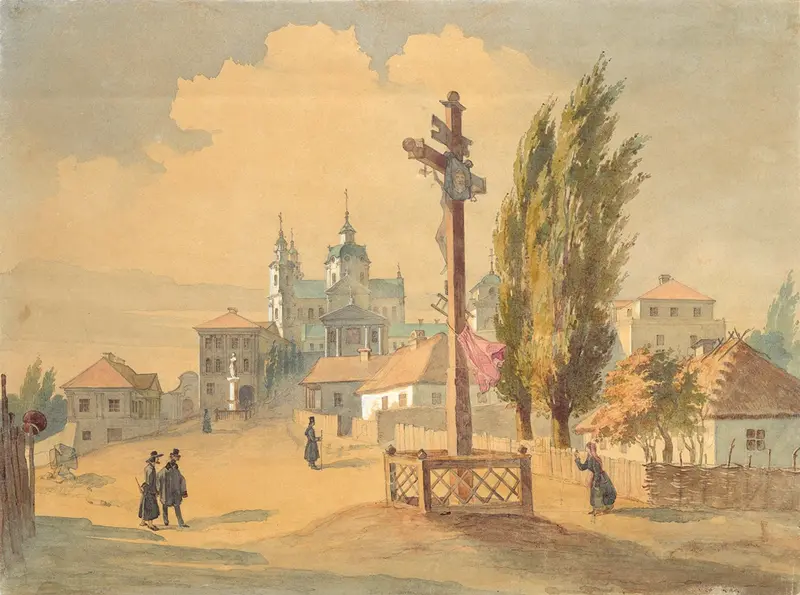
1846 10 20 Taras Shevcenko Pochaiv to West
Taras Shevchenko
More Genre Scene Art

Banquet of the Officers of the St George Civic Guard
Frans Hals

Rembrandt and Saskia in the Scene of the Prodigal Son
Rembrandt van Rijn

Bal du moulin de la Galette
Pierre-Auguste Renoir

Quadrille at the Moulin Rouge
Henri de Toulouse-Lautrec

A Burial at Ornans
Gustave Courbet

When Will You Marry?
Paul Gauguin