1902 calendar — History & Facts
In 1902 calendar, Alphonse Mucha presents a vibrant composition filled with intricate floral patterns and elegant figures. The colors are rich and varied, with deep greens, soft pastels, and golden accents that enhance the overall aesthetic. The central figure, a woman, embodies the spirit of the season, surrounded by decorative elements that suggest the passage of time.
This work exemplifies the Art Nouveau style, characterized by its organic forms and flowing lines. The artwork is a lithographic print, typical of Mucha's commercial work, which combines art and functionality. Viewers can observe the meticulous attention to detail in the patterns and the graceful poses of the figures. The dimensions are approximately 50 x 70 cm, making it a sizable piece that commands attention.
The use of color and line work is consistent with Mucha's signature style, which emphasizes beauty and harmony. Alphonse Mucha was a leading figure in the Art Nouveau movement, known for his decorative arts and illustrations. This particular work, created in 1902, reflects the popular culture of the time, as calendars were often used for both practical and decorative purposes. Mucha's designs often featured women in idealized forms, symbolizing beauty and nature.
Interestingly, this calendar was part of a series that showcased the changing seasons, making it not just an artwork but a celebration of time.
More Artworks by Alphonse Mucha

Bières de la Meuse
Alphonse Mucha

Abstract design based on flowers and leaves
Alphonse Mucha
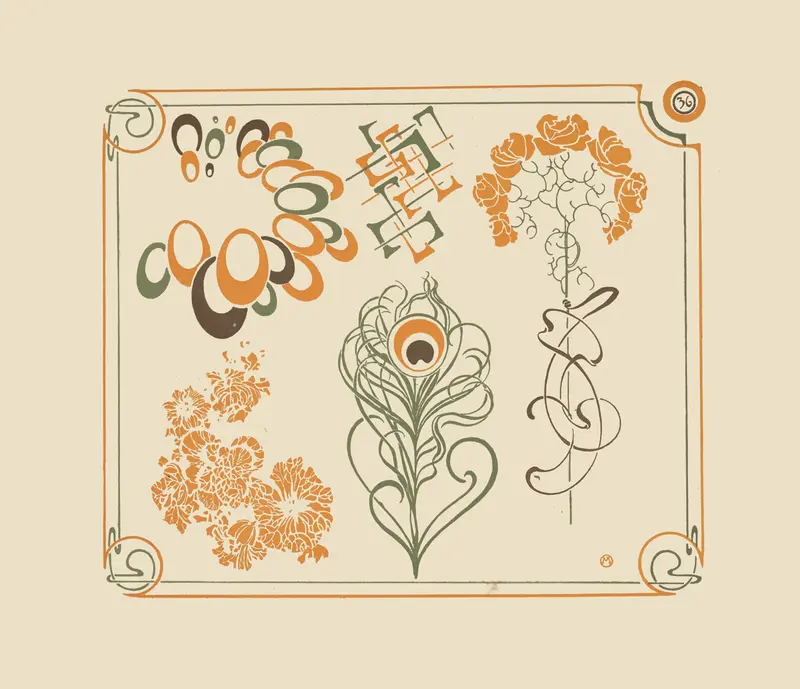
Abstract design based on flowers and curvilinear shapes.
Alphonse Mucha
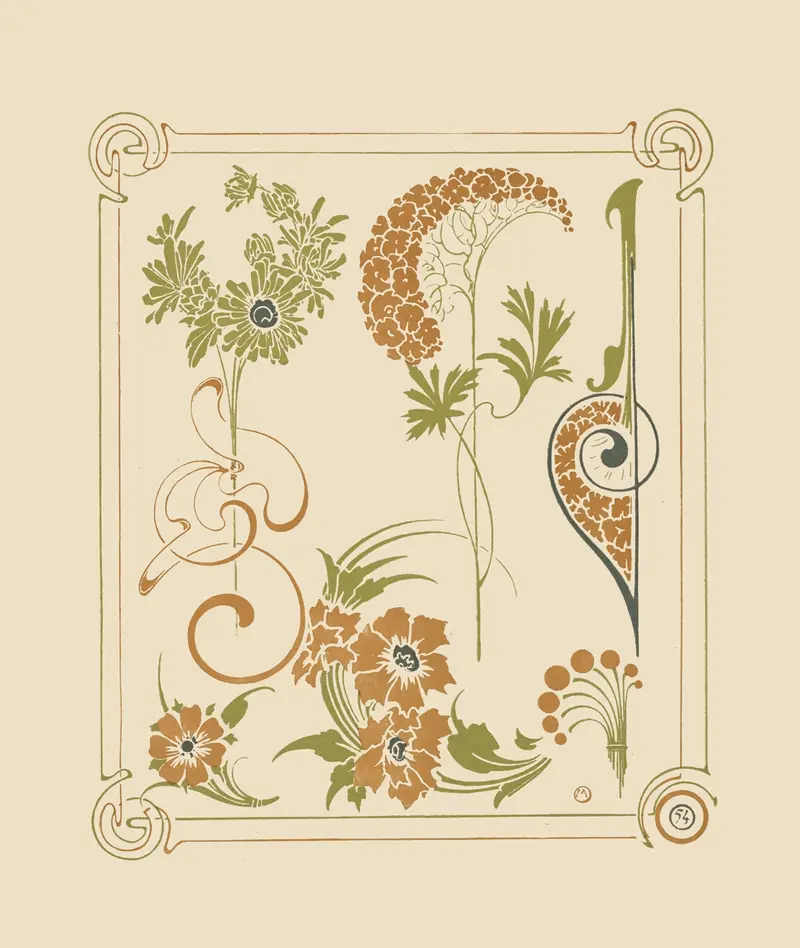
Abstract design based on flowers and arabesques.
Alphonse Mucha
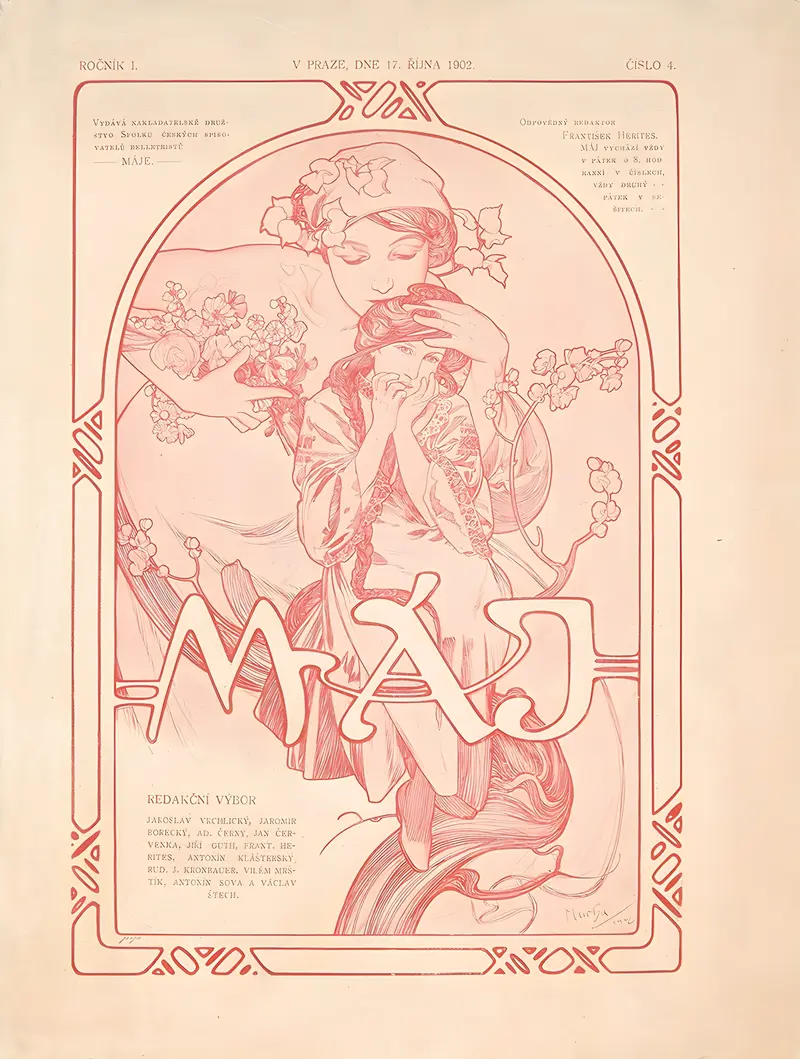
Máje
Alphonse Mucha
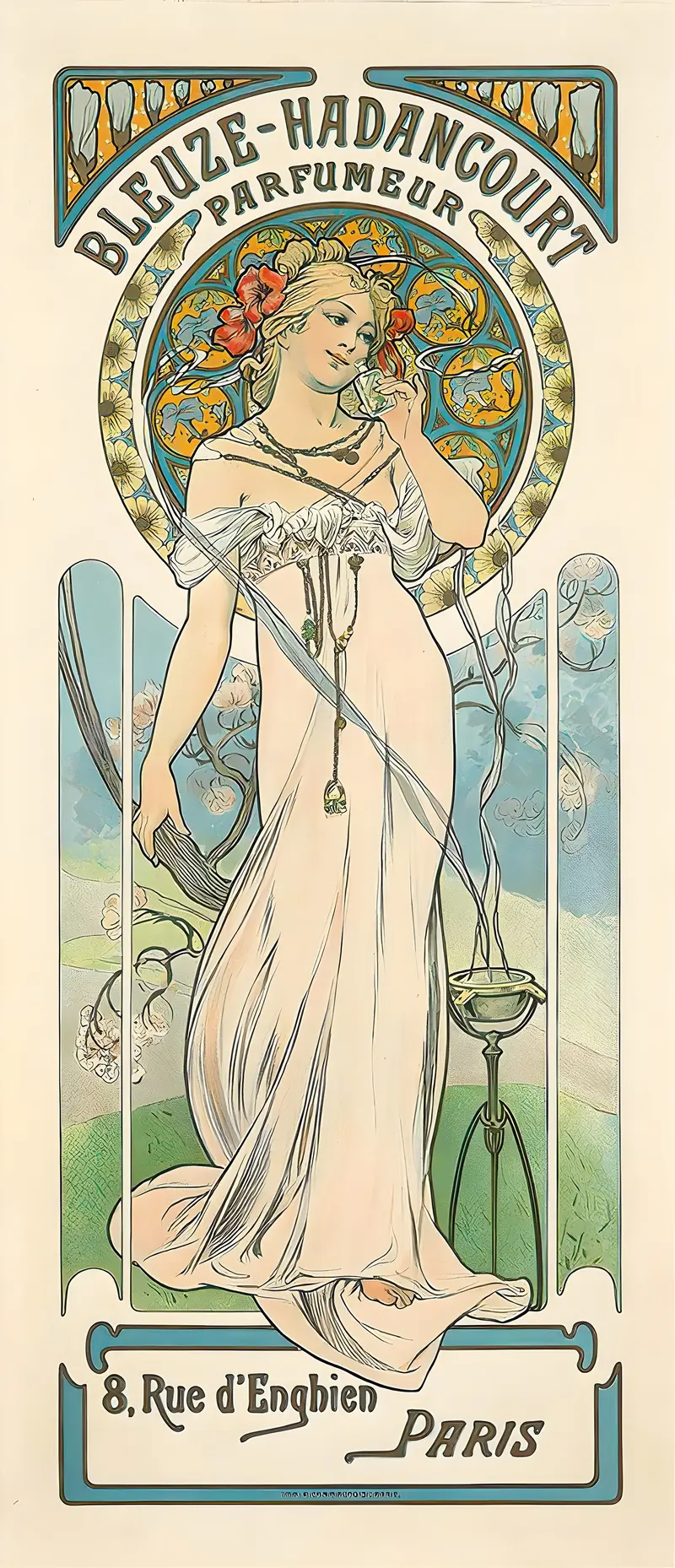
Bleuze-Hadancourt Parfumeur
Alphonse Mucha
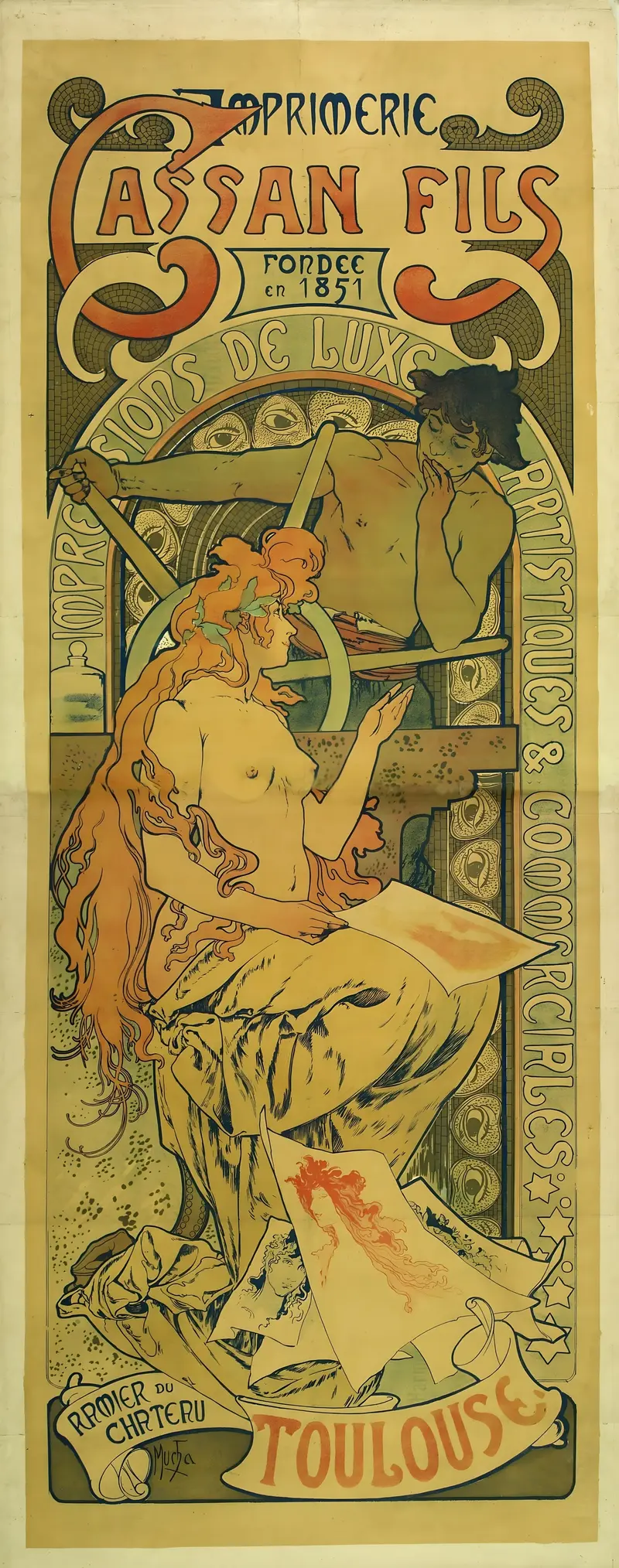
Imprimerie Cassan Fils Fondée en 1851 Impressions de Luxe Artistiques & Commerciales Ramier du Chateau Toulouse
Alphonse Mucha
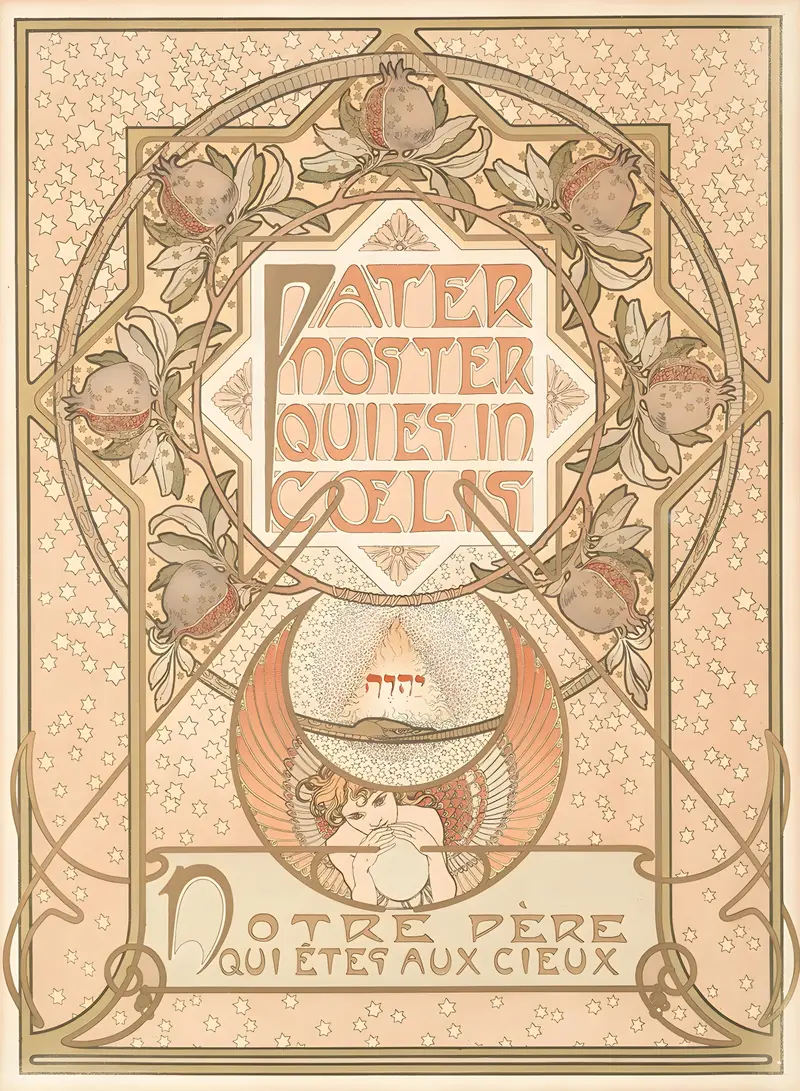
Pater Noster
Alphonse Mucha
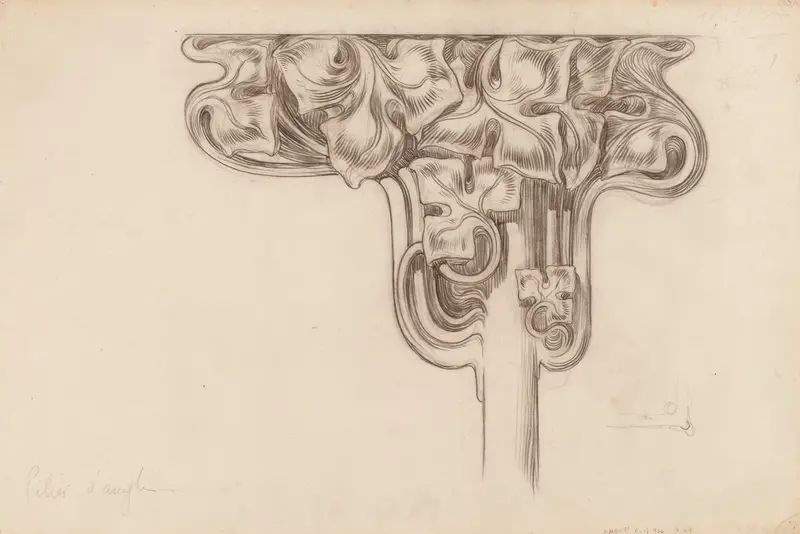
Projet de chapiteau de bronze pour un pilier de la boutique Fouquet
Alphonse Mucha
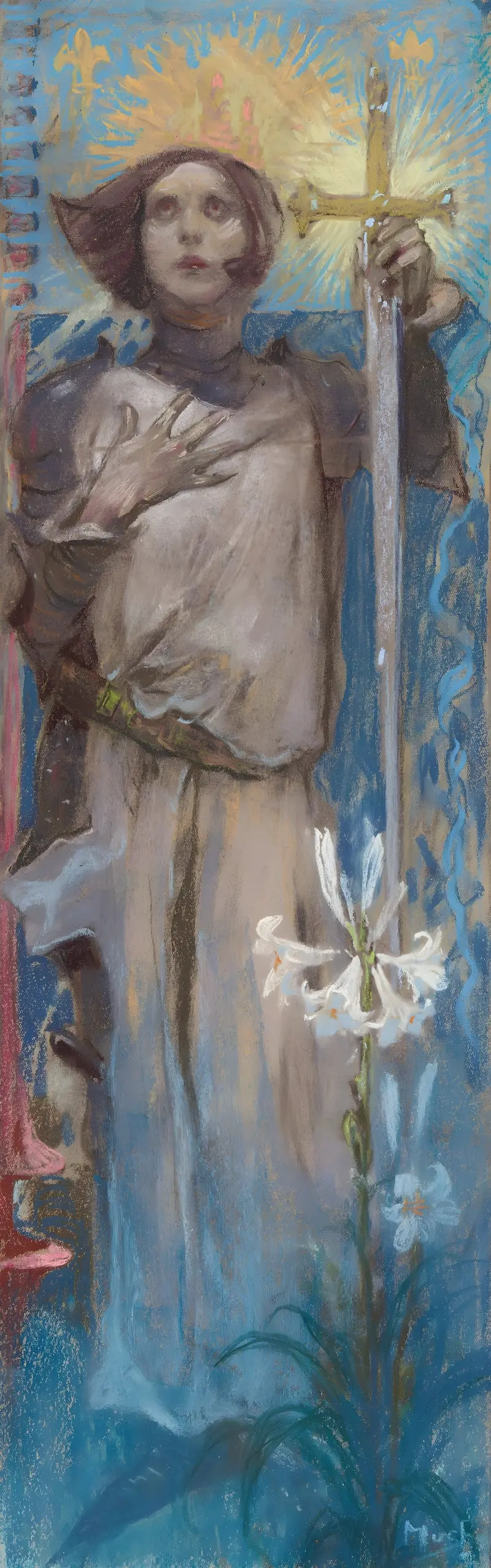
Joan of Arc. Apparition
Alphonse Mucha