
77 Rue Richelieu 5 fev. 1884 — History & Facts
Could beauty survive in a century of chaos? In the heart of 1884, as Paris stood on the brink of modernity, a legacy was being etched into canvas, one that captures the essence of human resilience amidst turmoil. Look closely at the foreground, where the intricate details of the architecture almost breathe with life. Notice how the artist skillfully employs light and shadow to emphasize the texture of the building’s façade, drawing the viewer's eye upward. The warm palette evokes a sense of nostalgia, while the contrasting deep blues in the shadows create a harmony that is both comforting and melancholic.
This interplay suggests not only the physical space of the scene but also a deeper emotional landscape, inviting contemplation. As you explore further, subtle elements reveal themselves. The inclusion of figures framed in doorways hints at stories untold — their expressions and postures echo a shared experience of the bustling city, hinting at both connection and solitude. The delicate play of colors and light symbolizes the fragility of beauty amid the encroaching chaos of urban life, raising questions about the permanence of artistic legacy.
In this piece, the very architecture serves as a metaphor for human aspirations and the inevitability of change. Léon-Auguste Ottin painted 77 Rue Richelieu during a time of rapid transformation in Paris, reflecting the tensions of the era. The late 19th century was marked by industrial expansion and social upheaval, yet Ottin’s work captures a moment of stillness and grace. This painting stands as a testament to his artistic vision and the enduring power of beauty, reminding us that even in the face of chaos, there lies a sanctuary of legacy in art.
More Artworks by Léon-Auguste Ottin
Browse all →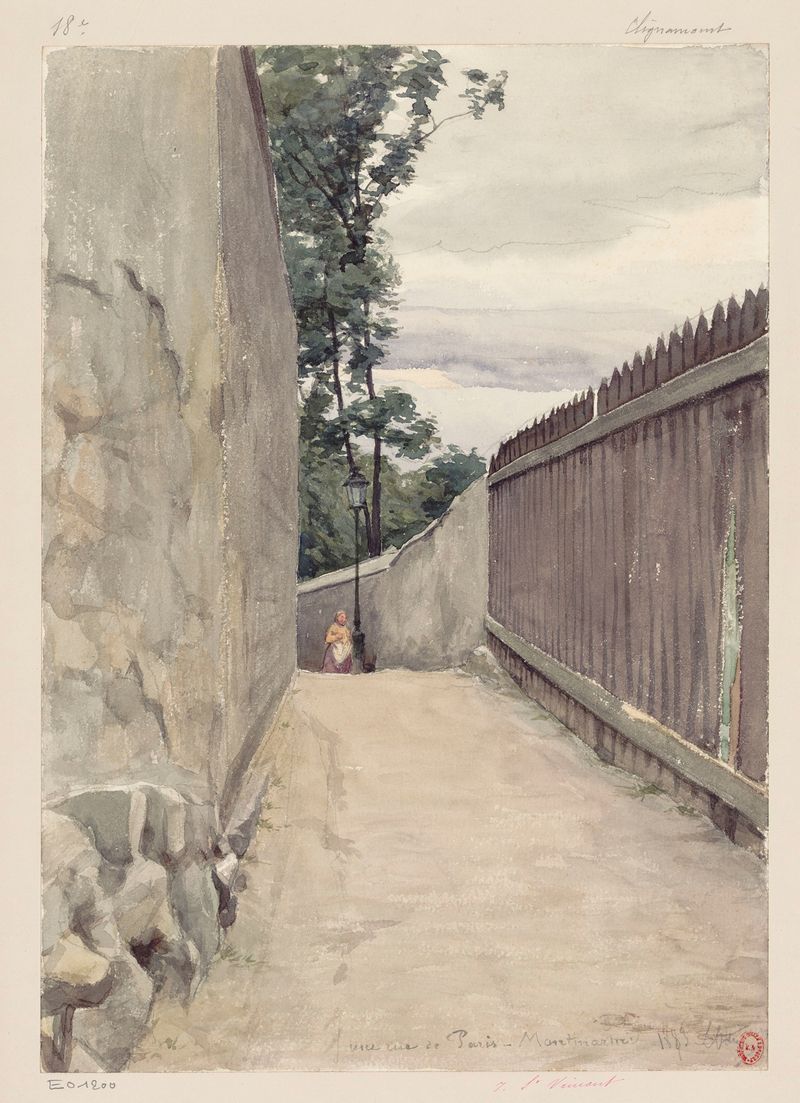
Une rue de Paris – Montmartre – 18è Clignancourt
Léon-Auguste Ottin

Ile St Louis – démoli vers 1840
Léon-Auguste Ottin
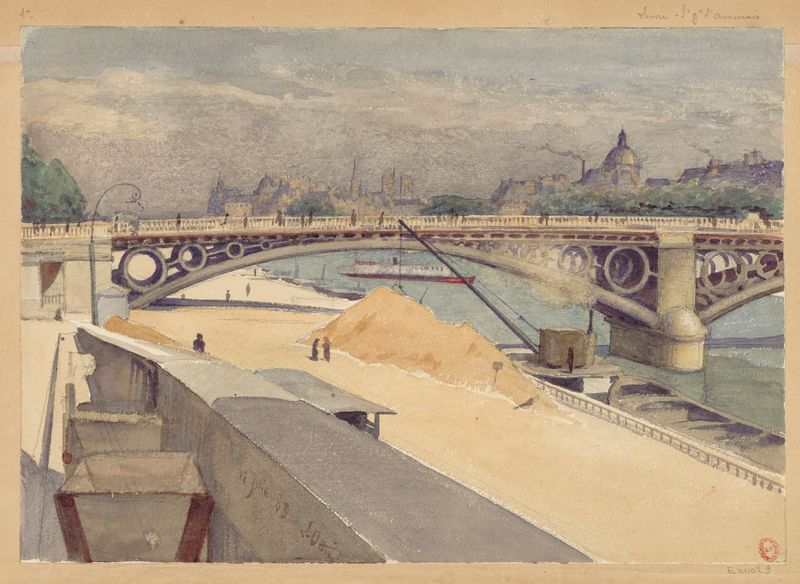
Sablière Port du Louvre, en arrière plan le Pont des Saints-Pères, l’Institut et la Cité
Léon-Auguste Ottin

Montmartre – 18è Montmartre Clignancourt
Léon-Auguste Ottin

Escalier du passage Radziwill
Léon-Auguste Ottin
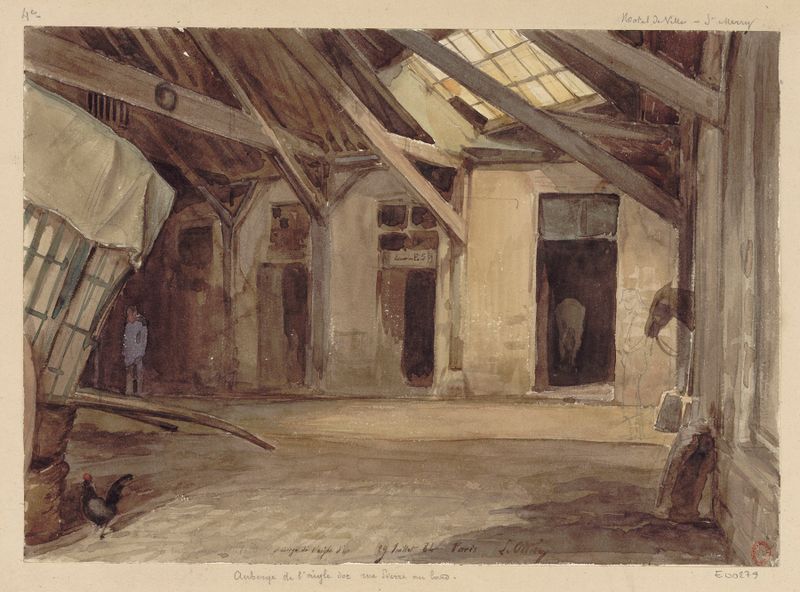
Auberge de l’aigle d’or – 3e Arrondissement
Léon-Auguste Ottin

Aux Tuilleries
Léon-Auguste Ottin
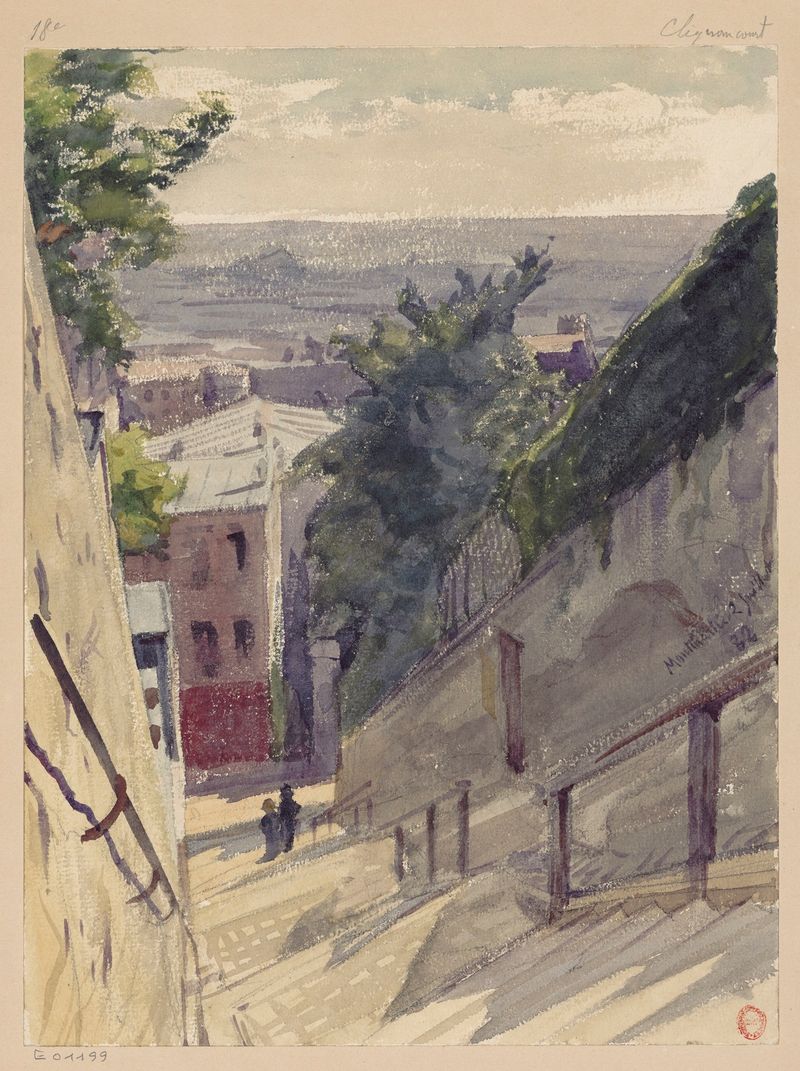
Escalier de la rue du Calvaire – 18è Clignancourt
Léon-Auguste Ottin

Fête des (Porcherons) aux Thuileries
Léon-Auguste Ottin
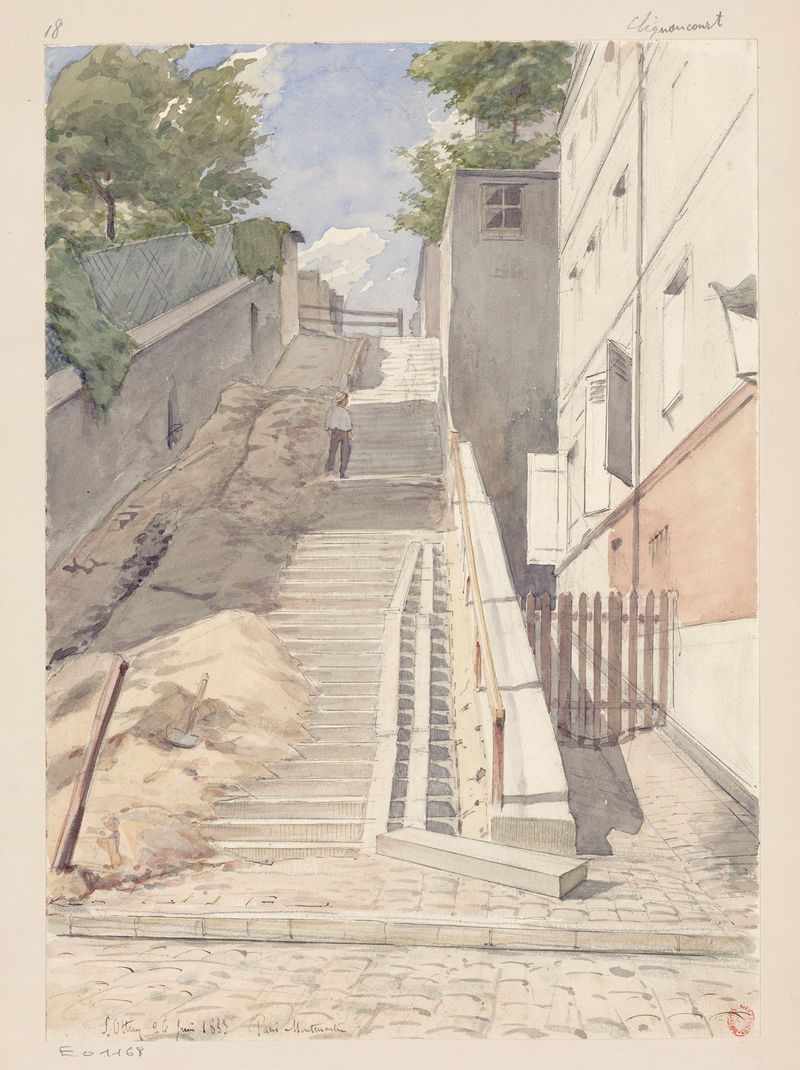
Paris Montmartre – 18è Clignancourt
Léon-Auguste Ottin
More Architecture Art
Browse all →
The statue of Liberty
Frédéric Auguste Bartholdi

View of Houses in Delft, Known as ‘The Little Street’
Johannes Vermeer

View of Houses in Delft, Known as ‘The Little Street’
Johannes Vermeer

The Cathedral in Rouen. The portal, Grey Weather
Claude Monet

The yellow house
Vincent van Gogh

The Church in Auvers-sur-Oise, View from the Chevet
Vincent van Gogh