
Paris Montmartre – 18è Clignancourt — History & Facts
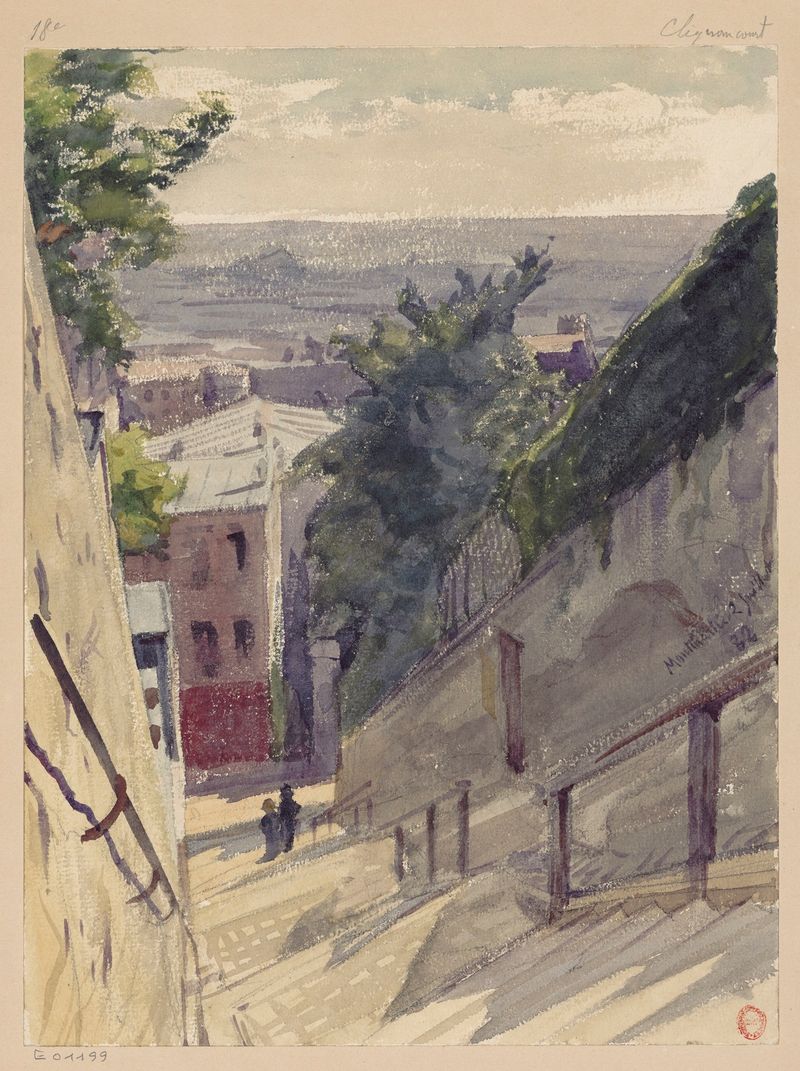
When did color learn to lie? In a world of shifting shadows and vibrant hues, serenity emerges as both a refuge and a riddle. Look to the center of the canvas, where a calm street unfolds, inviting the eye to wander. The gentle pastel palette bathes the scene in tranquil light, while soft brushstrokes suggest the warm embrace of twilight. Notice how the buildings line the street, their facades whispering stories of daily life, yet rendered with an almost dreamlike quality.
The composition draws you inward, as if urging you to join the inhabitants of this peaceful Parisian moment. Amidst the serenity, there lies an undercurrent of nostalgia. The stillness of the scene conceals the bustling world outside the frame — an era on the cusp of modernity. The juxtaposition of the quaint street against the distant horizon hints at change, perhaps a longing for a simpler time.
Moreover, the absence of figures creates a poignant solitude, inviting a reflection on the fleeting nature of both life and art. Created in 1883, this work emerged during a period of artistic exploration for its creator. Léon-Auguste Ottin was influenced by the impressionist movement, capturing the essence of a moment rather than its literal form. His life in Paris, a center of cultural and artistic development, provided a backdrop that was ripe with innovation and experimentation, reflecting the broader movements that were reshaping the art world.
More Artworks by Léon-Auguste Ottin
Browse all →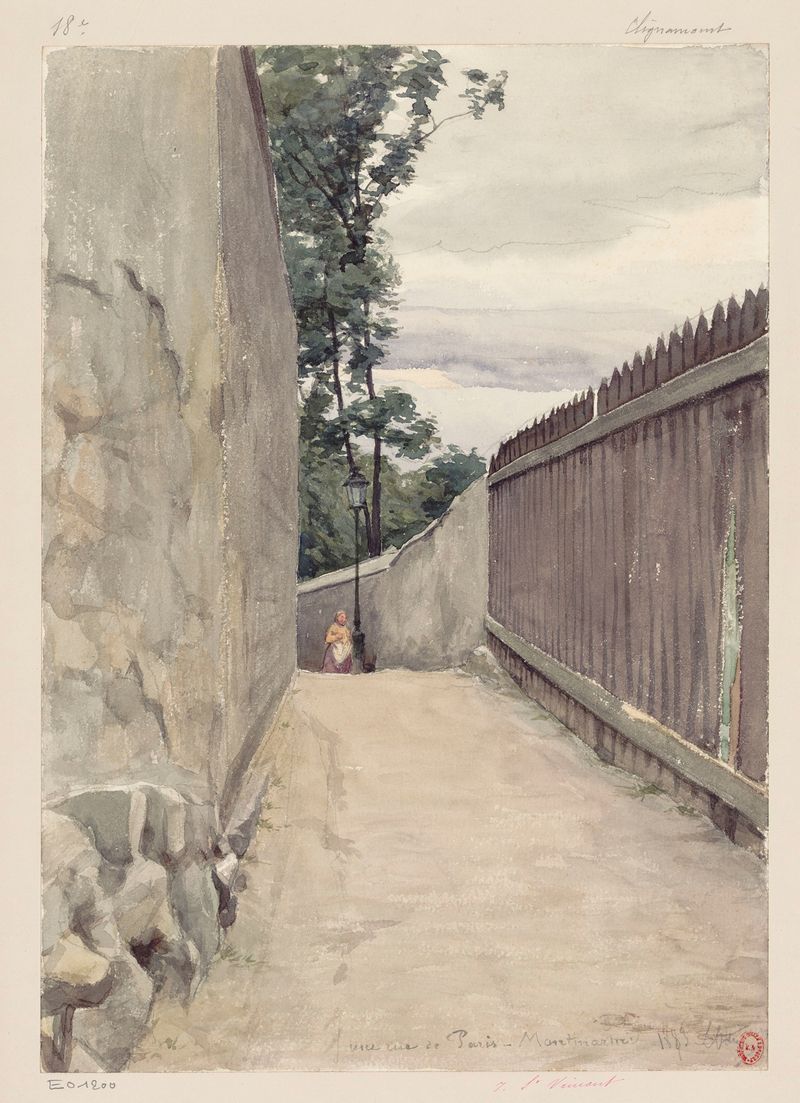
Une rue de Paris – Montmartre – 18è Clignancourt
Léon-Auguste Ottin

Ile St Louis – démoli vers 1840
Léon-Auguste Ottin
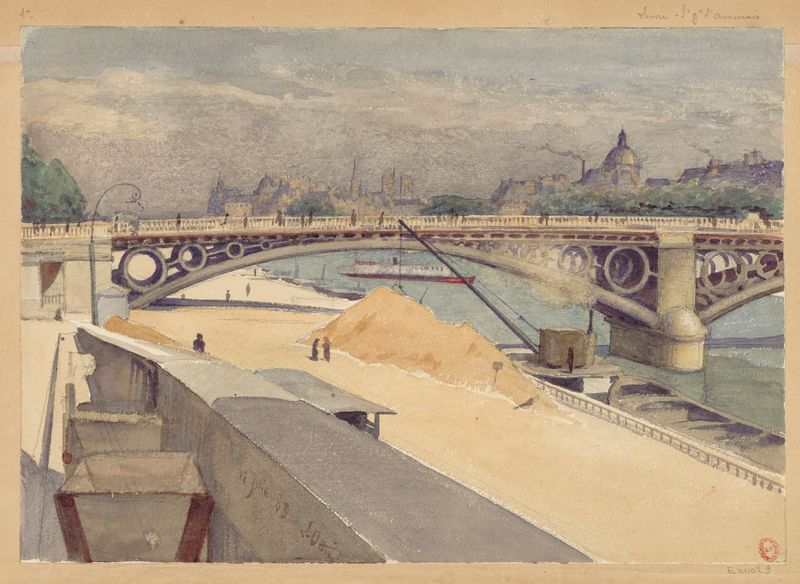
Sablière Port du Louvre, en arrière plan le Pont des Saints-Pères, l’Institut et la Cité
Léon-Auguste Ottin

Montmartre – 18è Montmartre Clignancourt
Léon-Auguste Ottin

Escalier du passage Radziwill
Léon-Auguste Ottin
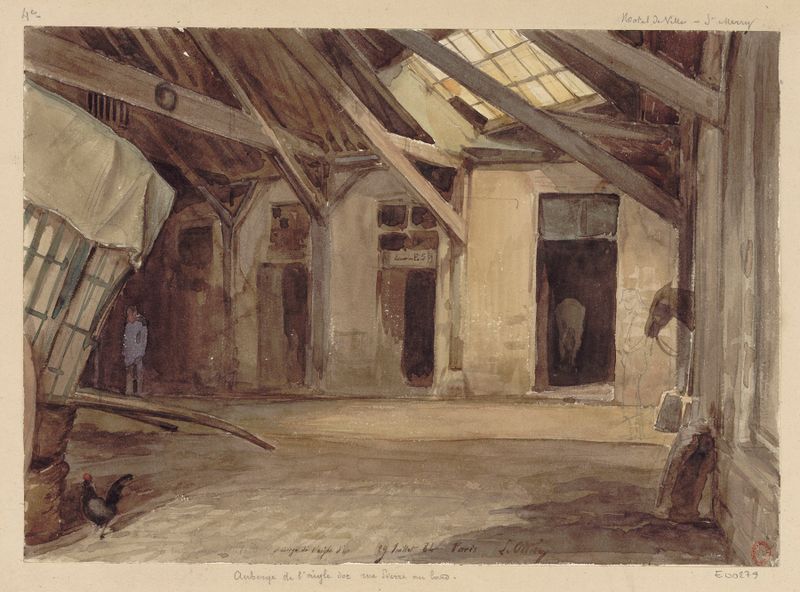
Auberge de l’aigle d’or – 3e Arrondissement
Léon-Auguste Ottin

Aux Tuilleries
Léon-Auguste Ottin
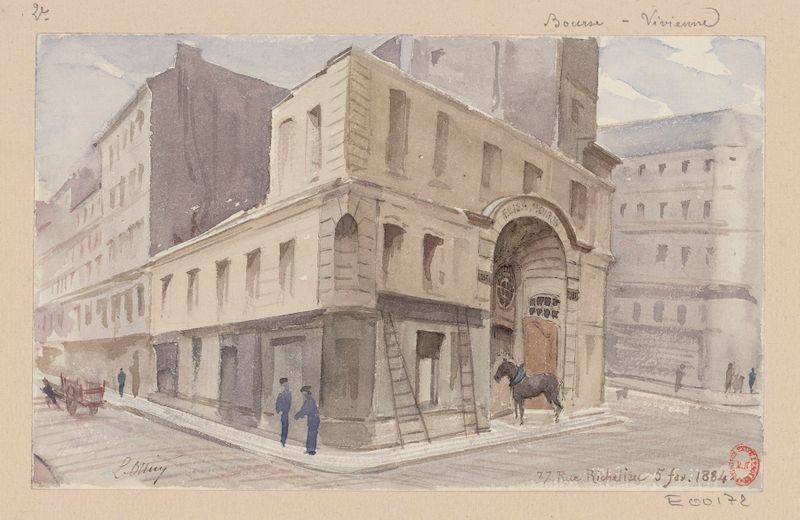
77 Rue Richelieu 5 fev. 1884
Léon-Auguste Ottin
Escalier de la rue du Calvaire – 18è Clignancourt
Léon-Auguste Ottin

Fête des (Porcherons) aux Thuileries
Léon-Auguste Ottin





