
Ile St Louis – démoli vers 1840 — History & Facts
Could beauty survive in a century of chaos? In Ile St Louis – démoli vers 1840, Léon-Auguste Ottin captures a moment steeped in both nostalgia and transience, inviting us to ponder the fragility of human creations amidst the relentless passage of time. Look to the left at the remnants of the once-vibrant structures, where the outlines of buildings emerge against a tender watercolor sky. The soft hues of blues and pinks juxtapose the crumbling facades, illustrating the delicate balance between decay and beauty. Notice the meticulous brushwork that breathes life into the ruins, as if the artist is both mourning and celebrating what has been lost, evoking an atmosphere filled with bittersweet reflection. Beneath the surface of this serene depiction lies a profound commentary on loss and memory.
The crumbling architecture serves as a metaphor for the ephemeral nature of existence, suggesting that beauty is inherently linked to its impermanence. Additionally, the juxtaposition of light and shadow highlights the tension between past glory and present decay, echoing the fragility of human endeavors. Ottin’s choice to immortalize this moment captures the essence of a fleeting time, creating a poignant dialogue with the viewer that endures beyond the canvas. In 1882, Ottin was immersed in a period of artistic exploration and change, deeply influenced by the evolving dynamics of urban Paris.
This particular work reflects both the nostalgia for the architectural heritage of the Île St Louis and the burgeoning modernity that threatened to erase it. As the city transformed, Ottin’s poignant portrayal stands as a testament to a lost era, resonating with collective memories that continue to haunt contemporary society today.
More Artworks by Léon-Auguste Ottin
Browse all →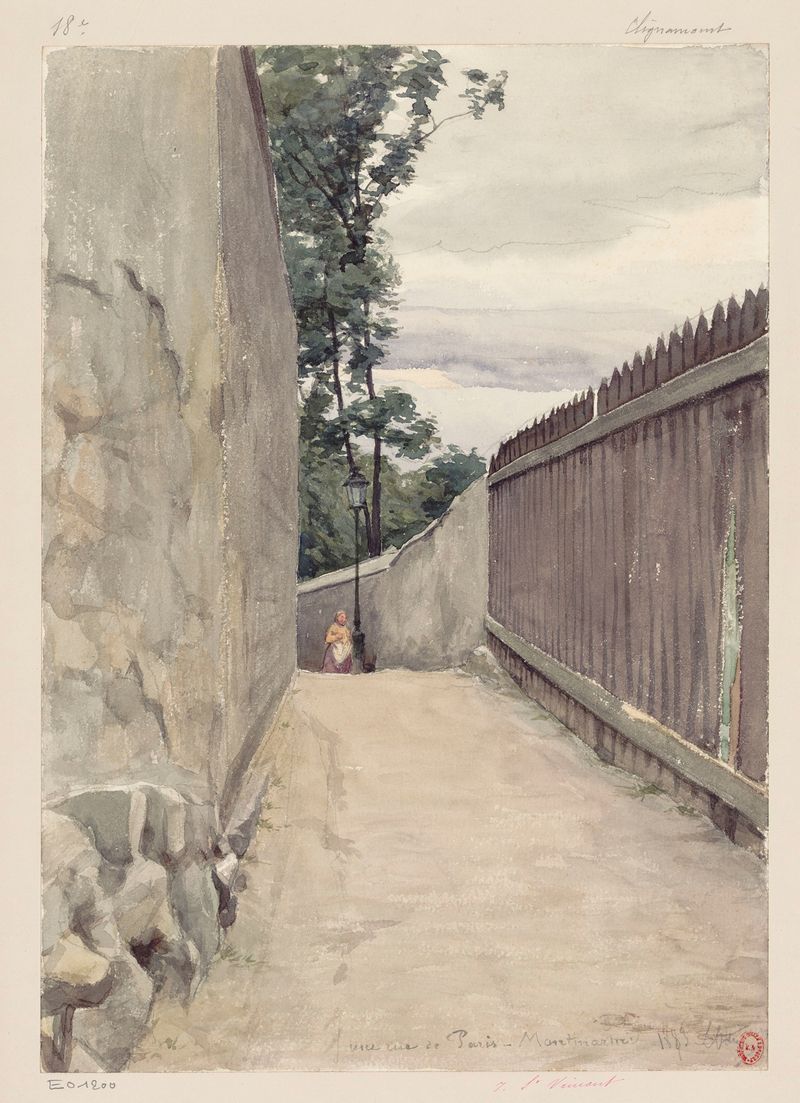
Une rue de Paris – Montmartre – 18è Clignancourt
Léon-Auguste Ottin
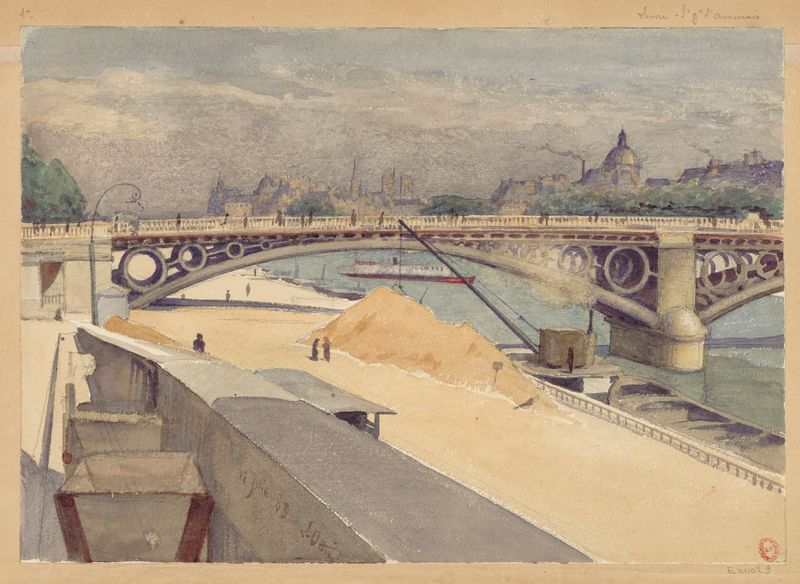
Sablière Port du Louvre, en arrière plan le Pont des Saints-Pères, l’Institut et la Cité
Léon-Auguste Ottin

Montmartre – 18è Montmartre Clignancourt
Léon-Auguste Ottin

Escalier du passage Radziwill
Léon-Auguste Ottin
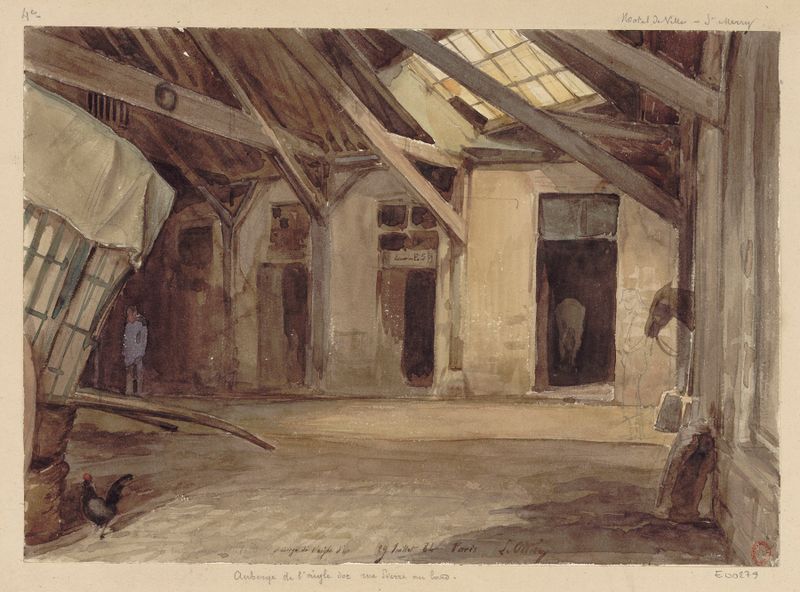
Auberge de l’aigle d’or – 3e Arrondissement
Léon-Auguste Ottin

Aux Tuilleries
Léon-Auguste Ottin
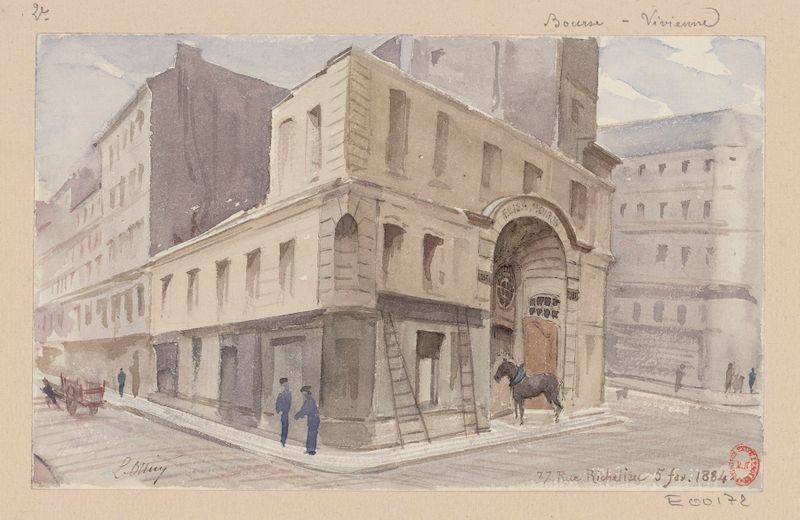
77 Rue Richelieu 5 fev. 1884
Léon-Auguste Ottin
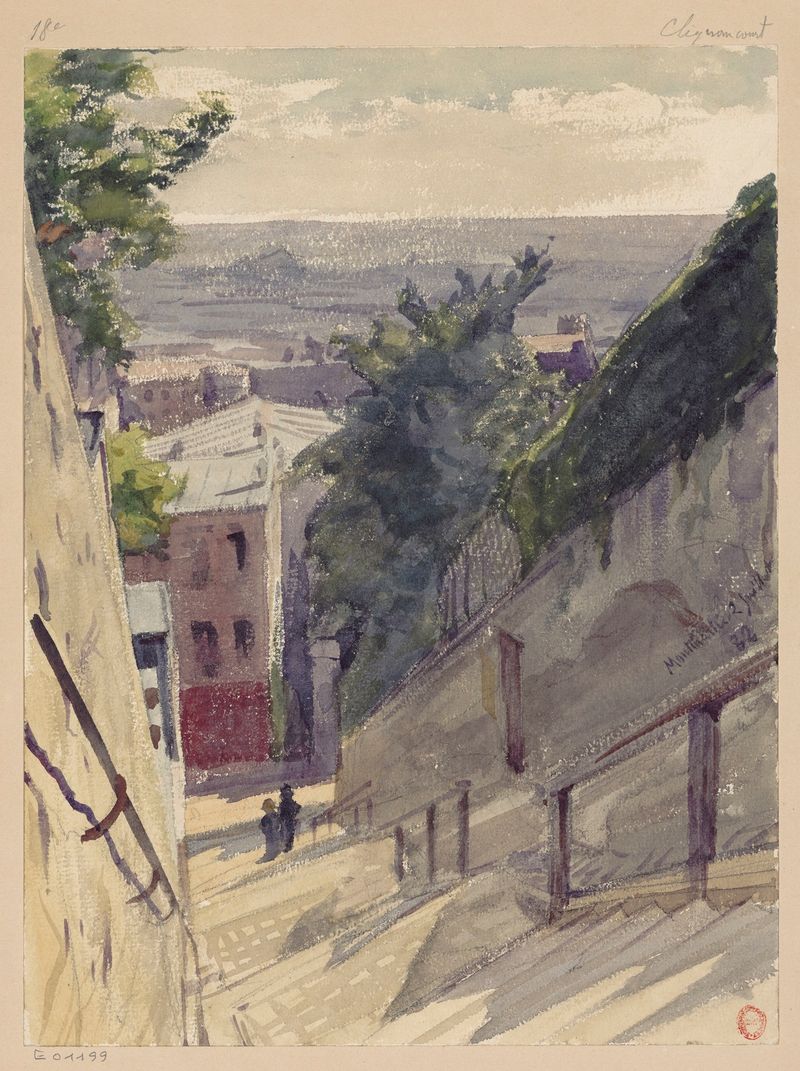
Escalier de la rue du Calvaire – 18è Clignancourt
Léon-Auguste Ottin

Fête des (Porcherons) aux Thuileries
Léon-Auguste Ottin
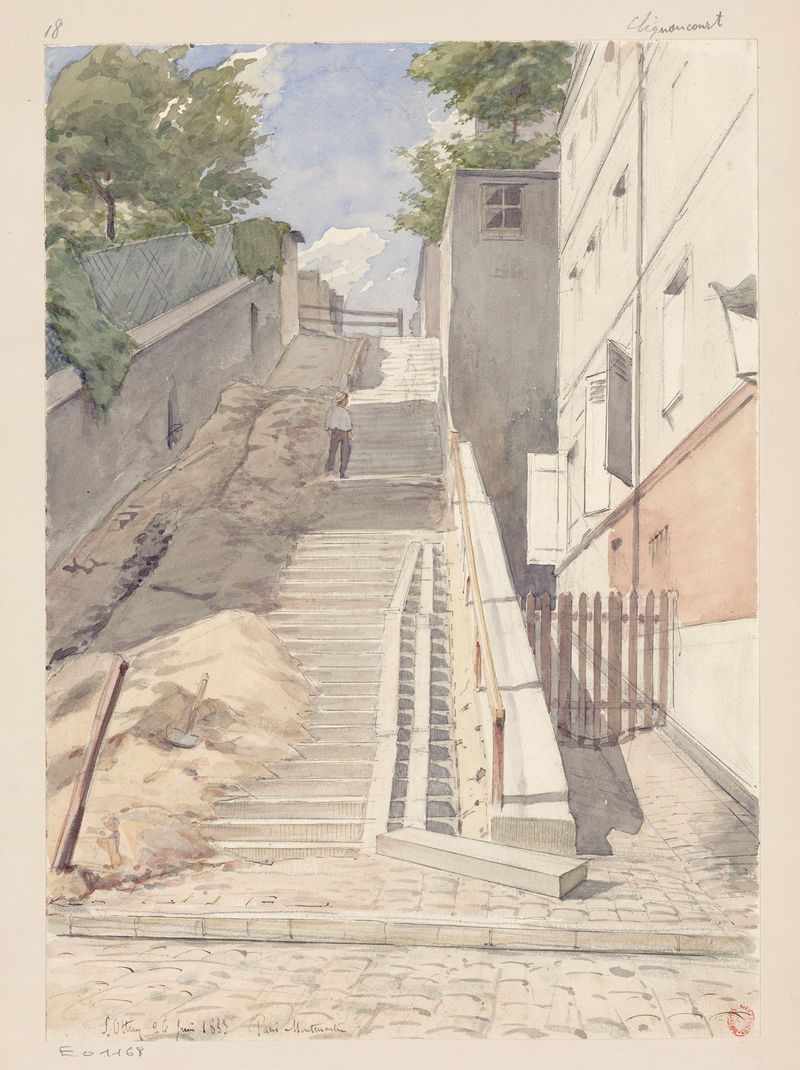
Paris Montmartre – 18è Clignancourt
Léon-Auguste Ottin





