
Fête des (Porcherons) aux Thuileries — History & Facts
What secret hides in the quiet of the canvas? Beneath the vibrant colors and festive atmosphere lies an intricate web of reflections, both literal and metaphorical, merging joy with the passage of time. Look to the left at the clusters of elegantly dressed figures, their attire a kaleidoscope of hues that dance across the canvas. The artist employs soft brush strokes to capture the play of light across their faces, imbuing each character with a sense of individuality. Notice how the sunlight filters through the trees, creating patches of warmth that illuminate the scene, while other areas linger in cool shadows—a delicate balance that mirrors the event’s exuberance and underlying melancholy. As you explore further, consider the juxtaposition between the carefree spirit of the fête and the subtle hints of introspection.
The children playing to the right embody innocence, yet their fleeting joy poses a stark contrast against the adults, whose expressions often veer into contemplation. This tension suggests an unspoken narrative: the fleeting nature of happiness and the inevitable return to reality. In 1886, Léon-Auguste Ottin painted this work during a period rich in artistic exploration in Paris. The city was bustling with the Impressionist movement, which sought to capture the ephemeral moments of daily life.
Ottin, known for both his sculptures and paintings, created Fête des (Porcherons) aux Thuileries as a reflection of societal joy amidst changing times, drawing upon the vibrant cultural scene that surrounded him.
More Artworks by Léon-Auguste Ottin
Browse all →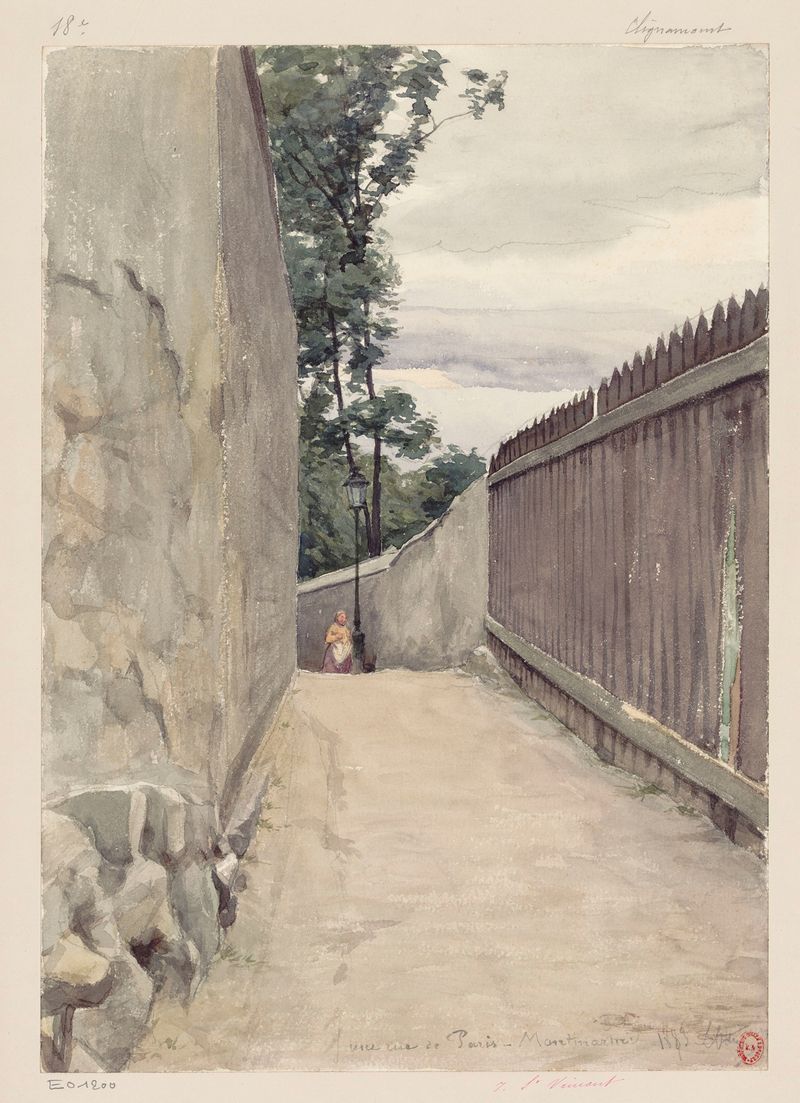
Une rue de Paris – Montmartre – 18è Clignancourt
Léon-Auguste Ottin

Ile St Louis – démoli vers 1840
Léon-Auguste Ottin
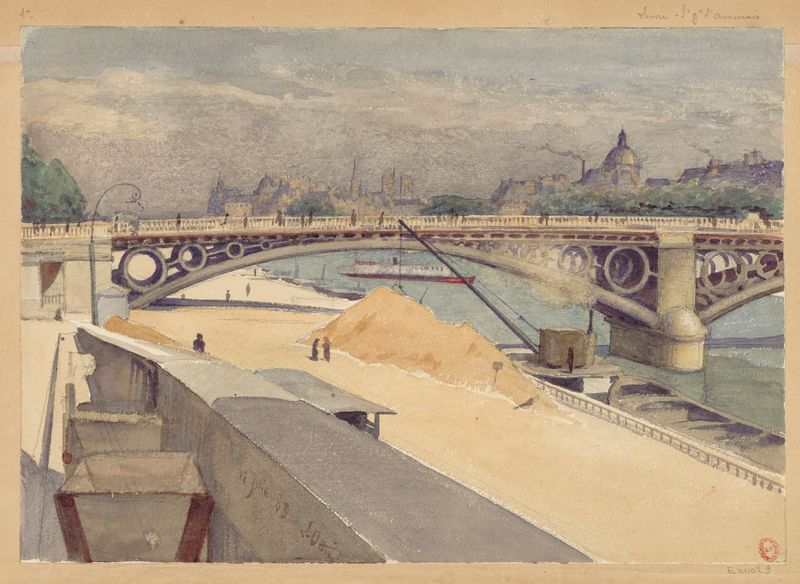
Sablière Port du Louvre, en arrière plan le Pont des Saints-Pères, l’Institut et la Cité
Léon-Auguste Ottin

Montmartre – 18è Montmartre Clignancourt
Léon-Auguste Ottin

Escalier du passage Radziwill
Léon-Auguste Ottin
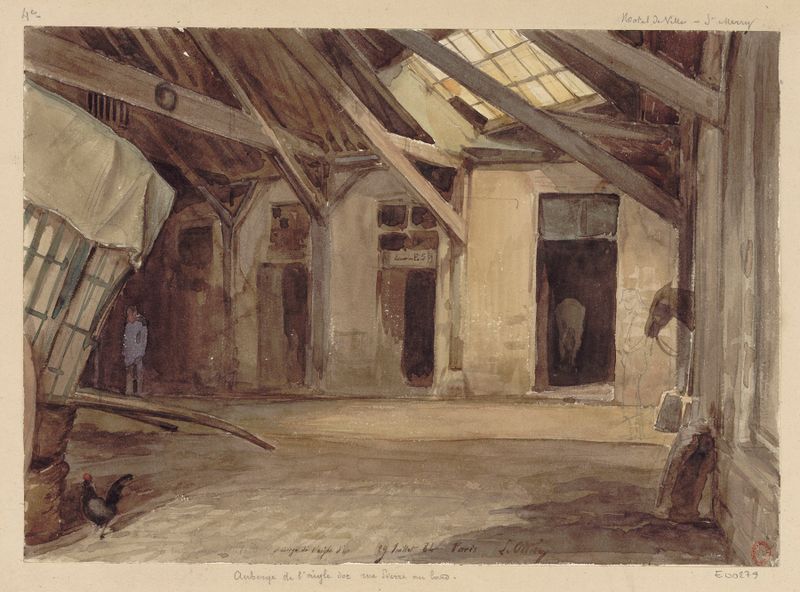
Auberge de l’aigle d’or – 3e Arrondissement
Léon-Auguste Ottin

Aux Tuilleries
Léon-Auguste Ottin
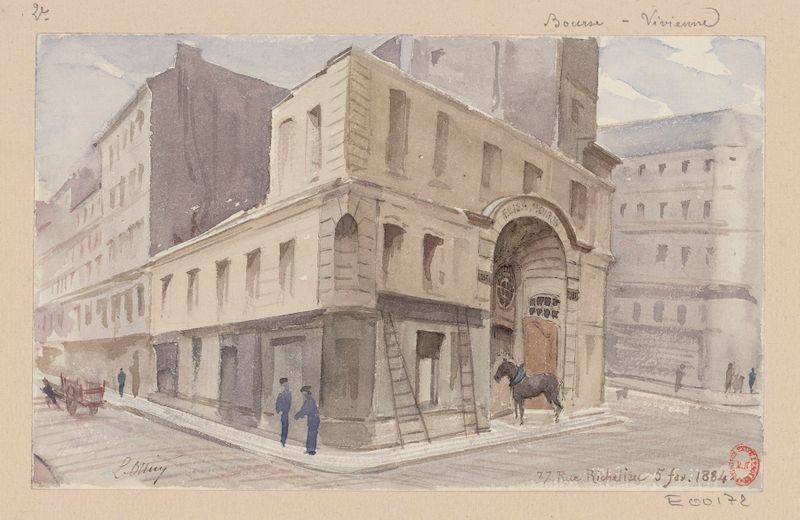
77 Rue Richelieu 5 fev. 1884
Léon-Auguste Ottin
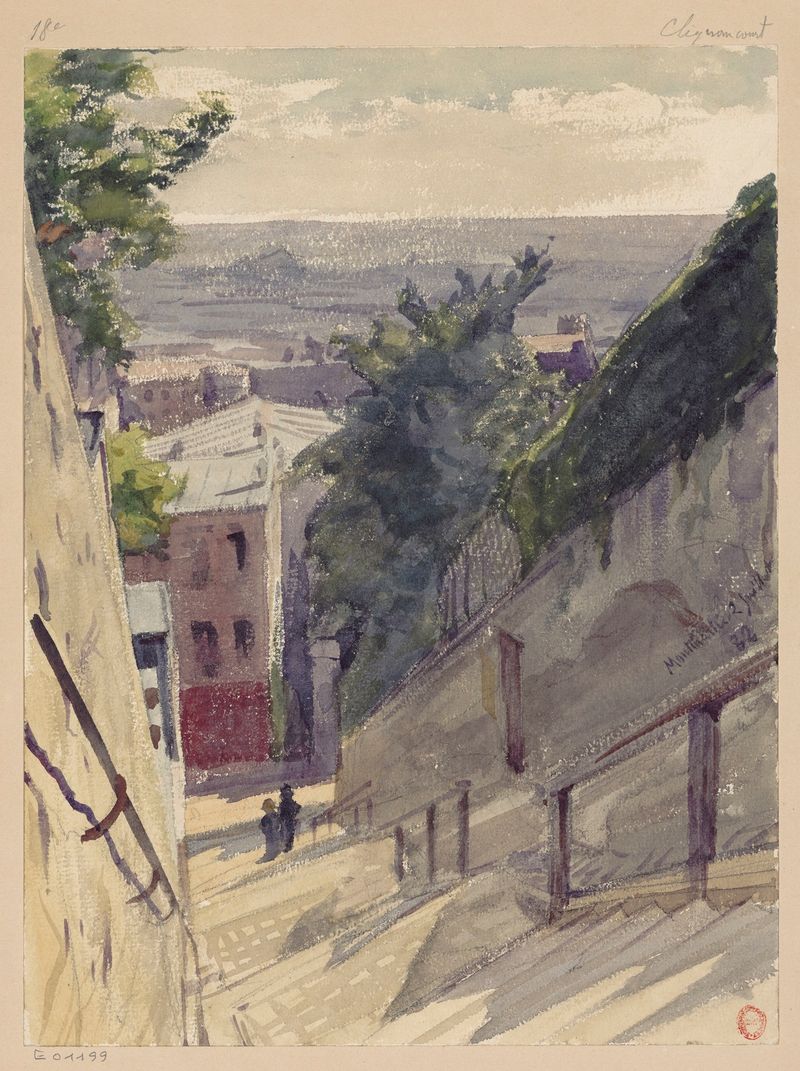
Escalier de la rue du Calvaire – 18è Clignancourt
Léon-Auguste Ottin
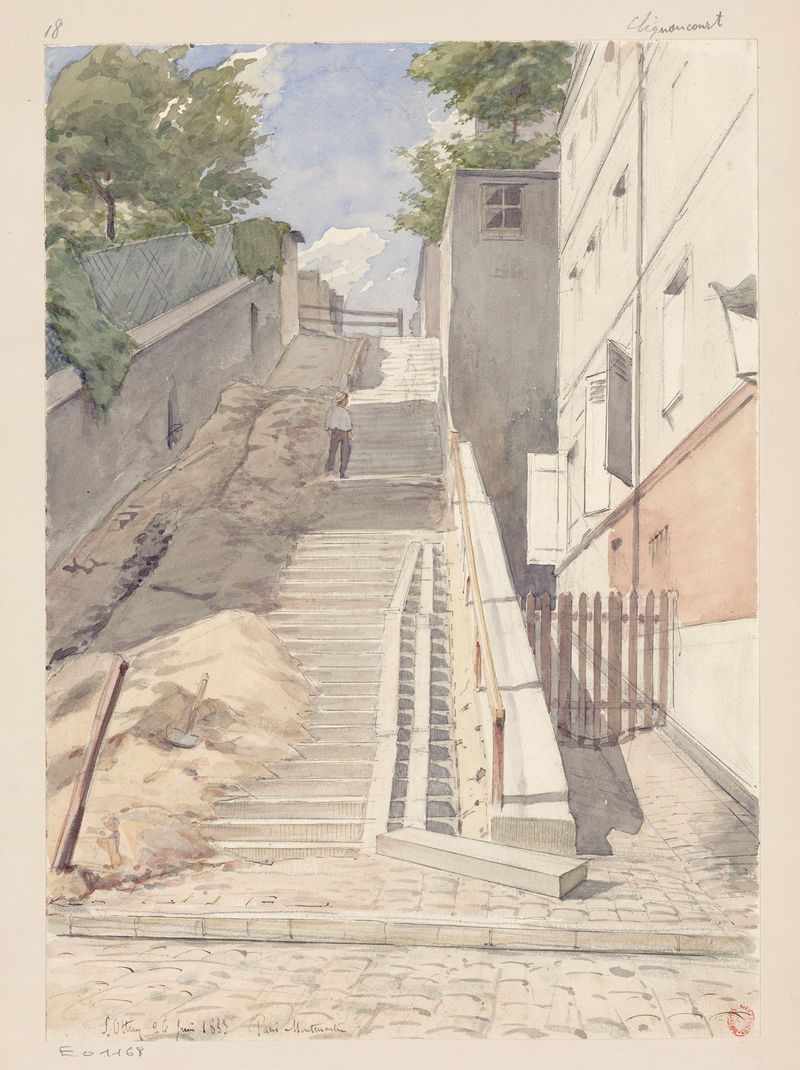
Paris Montmartre – 18è Clignancourt
Léon-Auguste Ottin





