
Aux Tuilleries — History & Facts
Could beauty survive in a century of chaos? As you gaze upon the enchanting scene, look to the left at the elegantly draped figures, their poses relaxed yet imbued with an undercurrent of tension. The soft hues of the painting create a gentle atmosphere, where pastel greens and pinks mingle seamlessly, inviting you into this serene moment. Notice the delicate brushstrokes that define the folds of the fabric and the shimmering highlights that dance across the figures' hair, revealing the artist’s deft hand and intimate understanding of texture and light. In the heart of this composition, the placement of the figures suggests a delicate balance between harmony and isolation.
While the lush gardens of the Tuileries frame them, there is an air of melancholy amidst the beauty. The casual encounters hint at unspoken stories; an exchange of glances, the soft laughter barely audible, yet filled with a sense of longing. Here, beauty becomes a fleeting moment, a respite from the encroaching madness of the 19th century, evoking the fragility of joy within a world fraught with turmoil. Léon-Auguste Ottin created this work during a tumultuous period in France, just after the Paris Commune and amidst the rise of Impressionism.
The gardens of the Tuileries, a symbol of Parisian elegance, served as a backdrop for both casual gatherings and political unrest. This duality resonates through the painting, reflecting a society striving for beauty and connection, even as chaos loomed in the shadows. The artist, through his focus on the human form and interaction, offers a poignant commentary on the resilience of beauty in turbulent times.
More Artworks by Léon-Auguste Ottin
Browse all →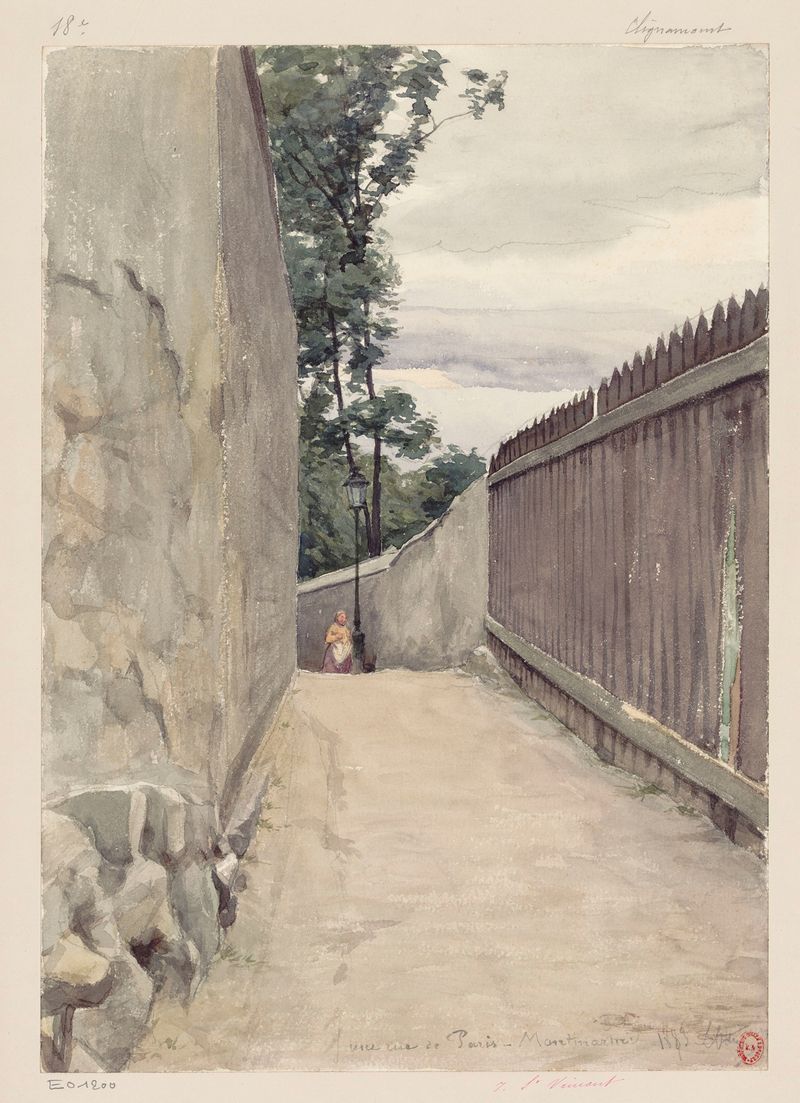
Une rue de Paris – Montmartre – 18è Clignancourt
Léon-Auguste Ottin

Ile St Louis – démoli vers 1840
Léon-Auguste Ottin
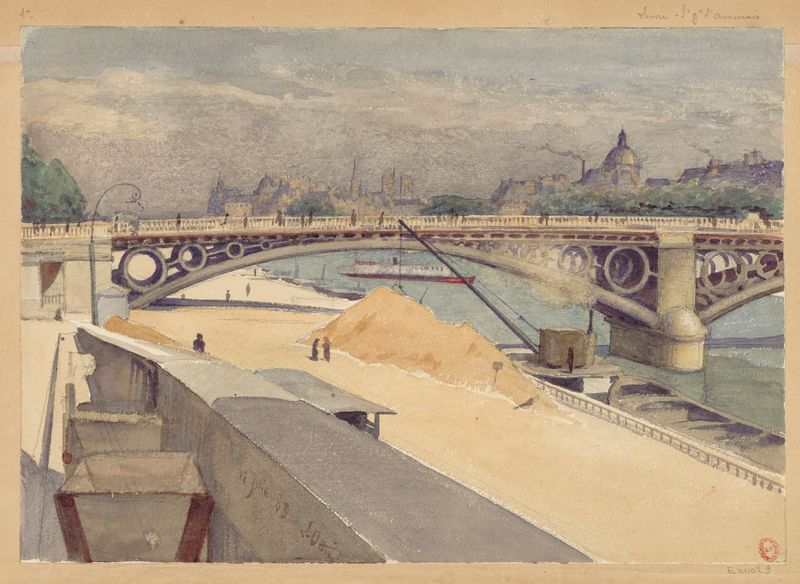
Sablière Port du Louvre, en arrière plan le Pont des Saints-Pères, l’Institut et la Cité
Léon-Auguste Ottin

Montmartre – 18è Montmartre Clignancourt
Léon-Auguste Ottin

Escalier du passage Radziwill
Léon-Auguste Ottin
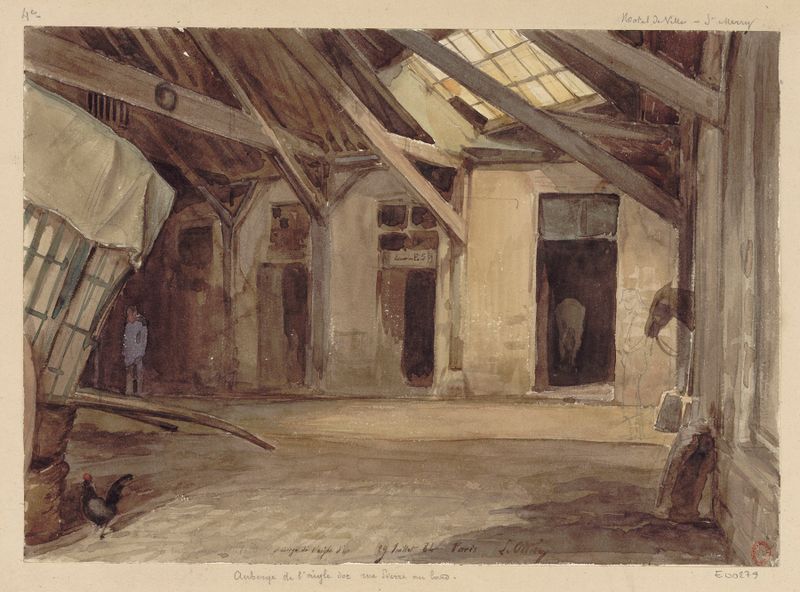
Auberge de l’aigle d’or – 3e Arrondissement
Léon-Auguste Ottin
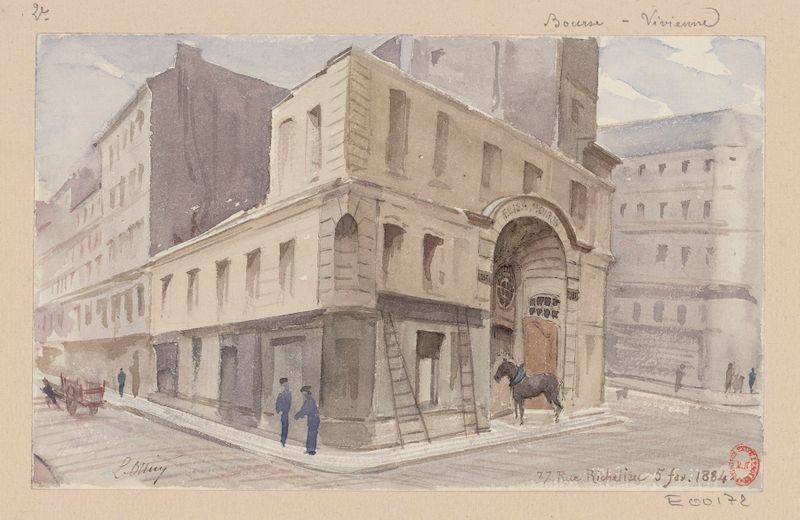
77 Rue Richelieu 5 fev. 1884
Léon-Auguste Ottin
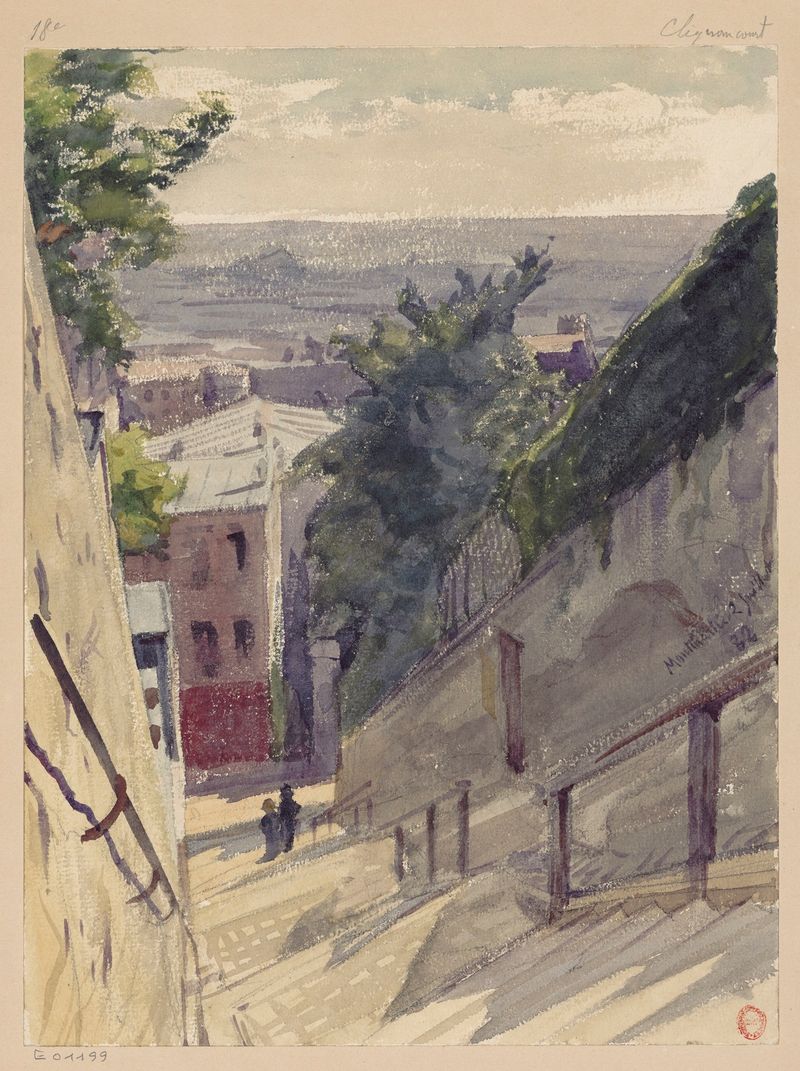
Escalier de la rue du Calvaire – 18è Clignancourt
Léon-Auguste Ottin

Fête des (Porcherons) aux Thuileries
Léon-Auguste Ottin
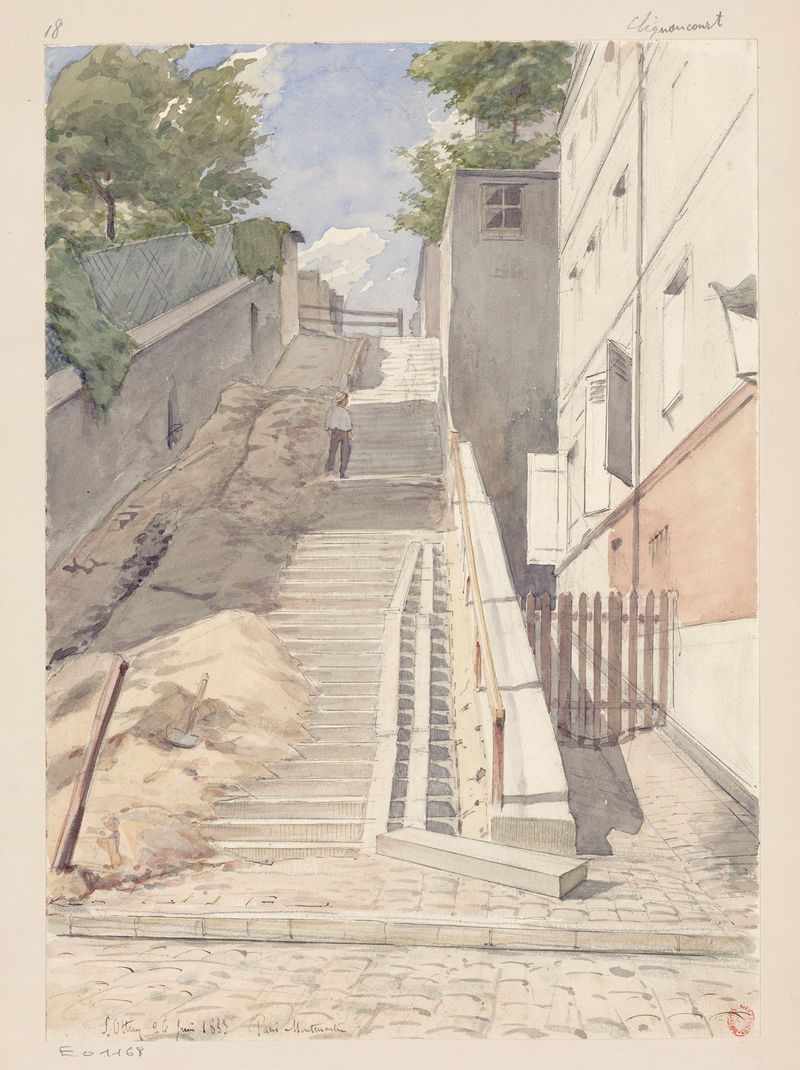
Paris Montmartre – 18è Clignancourt
Léon-Auguste Ottin





