A Bit of New Hope, Pennsylvania — History & Facts
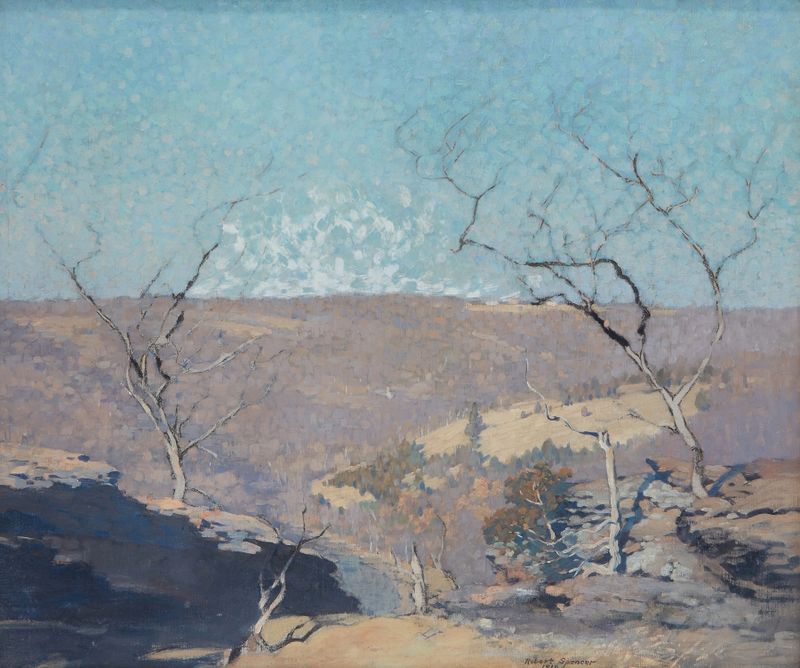
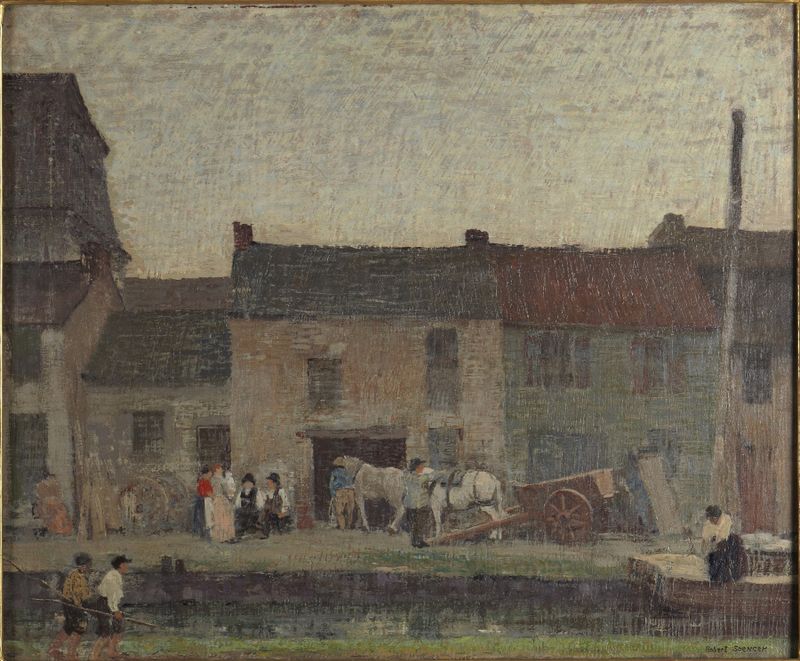
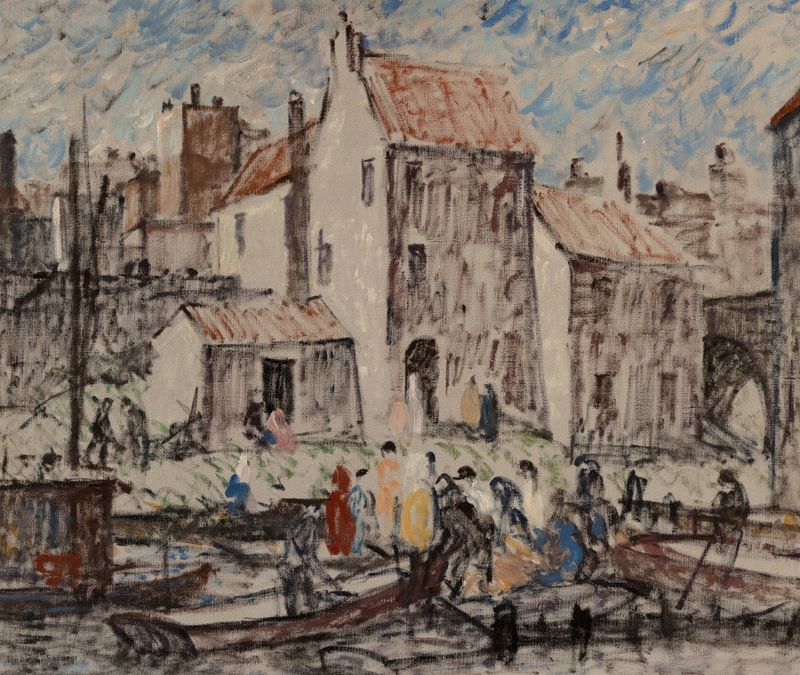
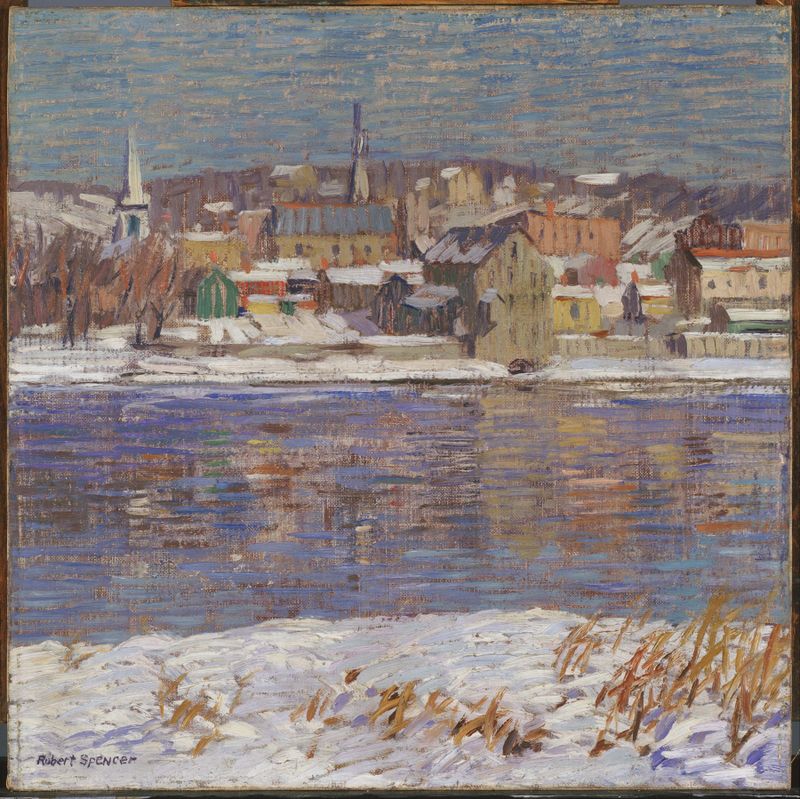
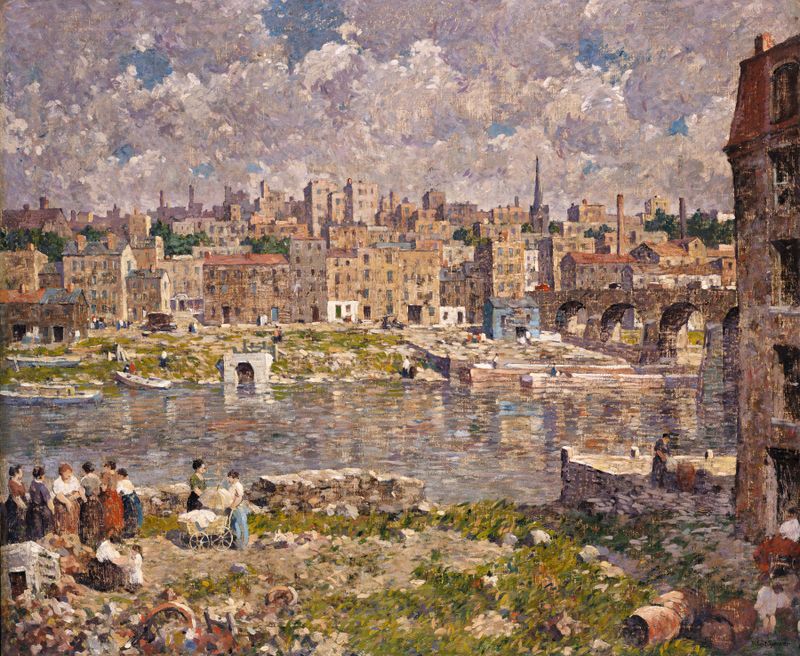
Can beauty exist without sorrow? In A Bit of New Hope, Pennsylvania, a stillness lingers, capturing an ephemeral moment where nature whispers its divine secrets to those who pause to listen. Look toward the center, where the warm embrace of sunlight spills across a peaceful rural landscape, illuminating the vibrant greens of the trees and the soft browns of the earth. The gentle brushwork brings a texture to life, blending hues that evoke a sense of serenity. Notice how the composition leads your eye from the foreground to a distant horizon, inviting contemplation of the expansive sky, where clouds drift like thoughts waiting to be formed. Within this pastoral haven, contrasts emerge — the interplay of light and shadow hints at the duality of existence.
The lively colors suggest vitality, while the quietude of the scene speaks to an underlying melancholy, perhaps a reminder of the fragility of hope. Every detail, from the delicate swaying of grasses to the sturdy presence of the trees, reflects a hidden struggle between joy and remembrance, a dance between what is and what could be. In 1918, Robert Spencer was deeply rooted in the American Impressionist movement, painting from his studio in New Hope, a haven for artists. This period marked the end of World War I, a time when many were seeking solace in nature’s beauty amidst the turmoil.
Spencer’s focus on light and color echoed the broader trends in art, striving to capture both the essence of his surroundings and the emotional currents flowing through a world awakening to new possibilities.