Across the Delaware — History & Facts
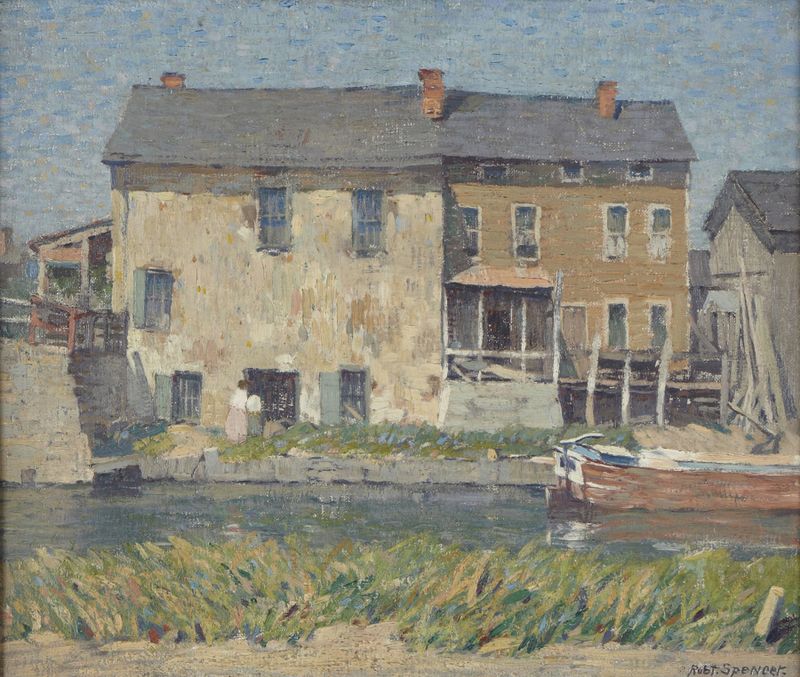
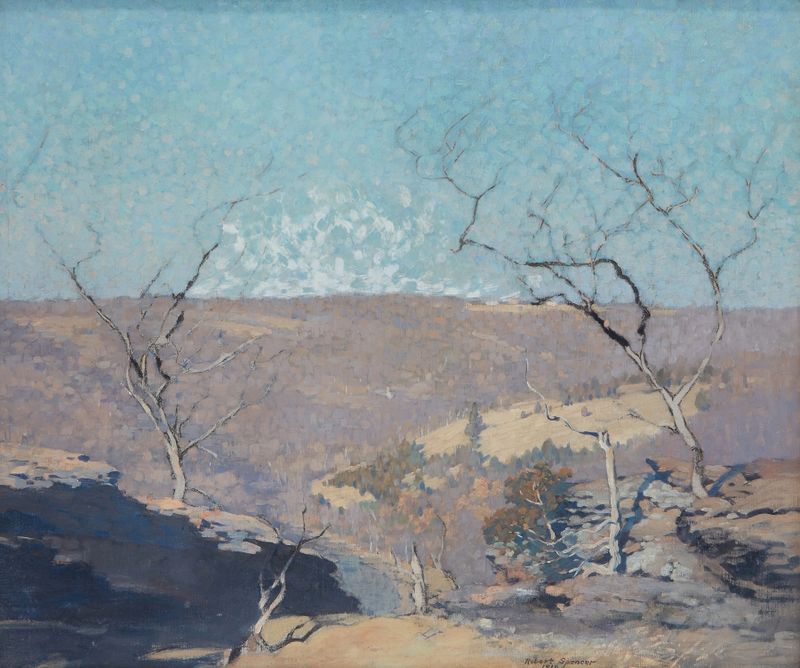
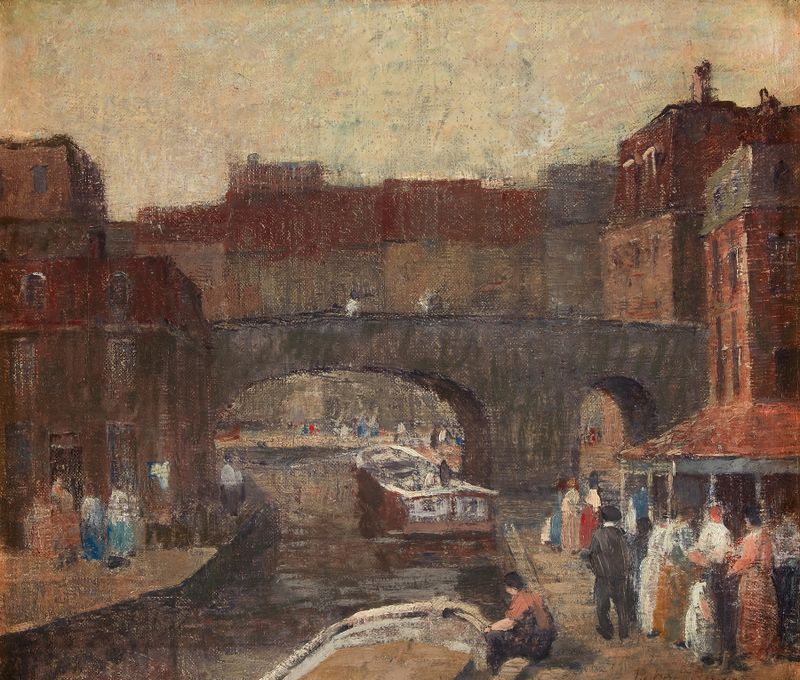
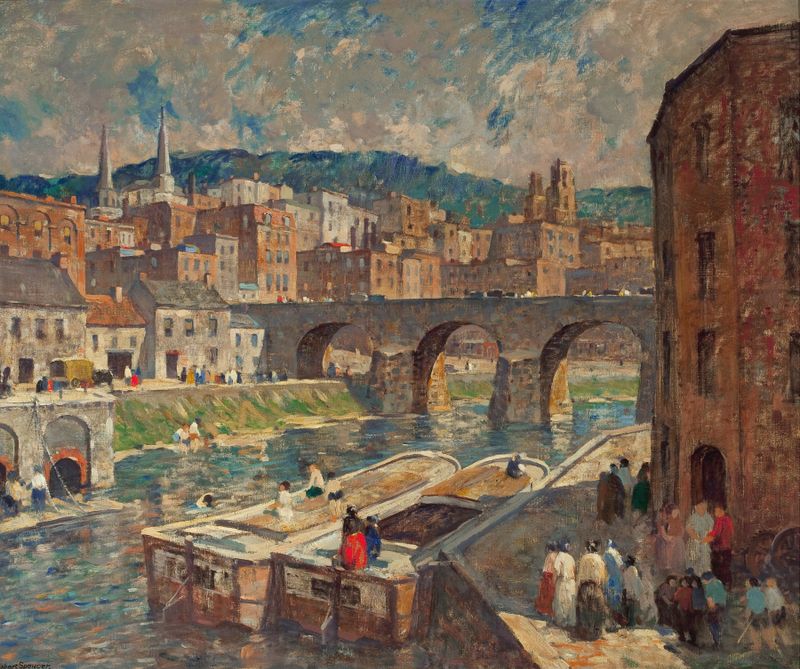
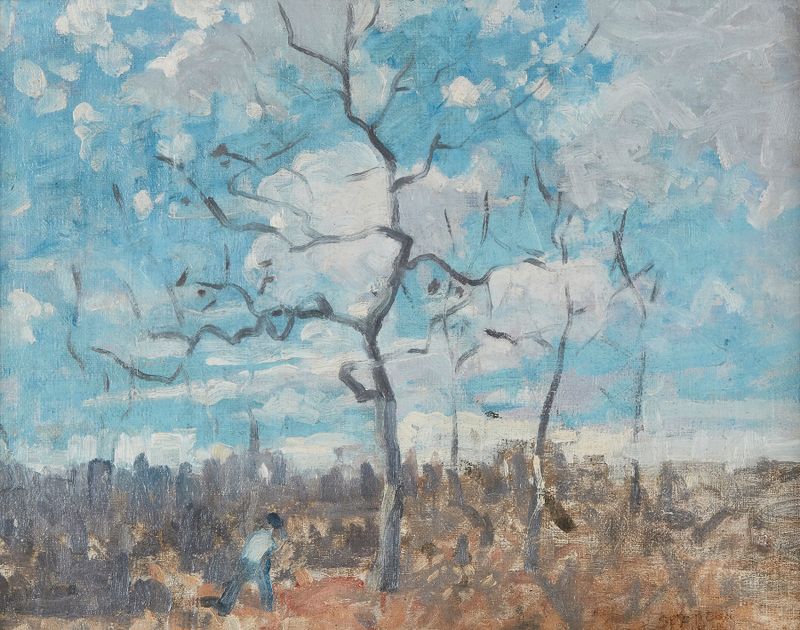
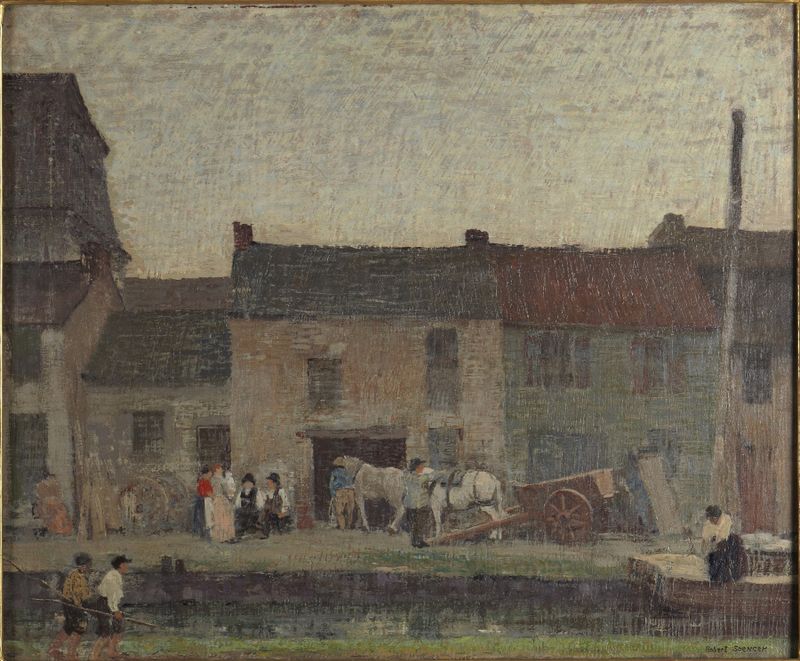
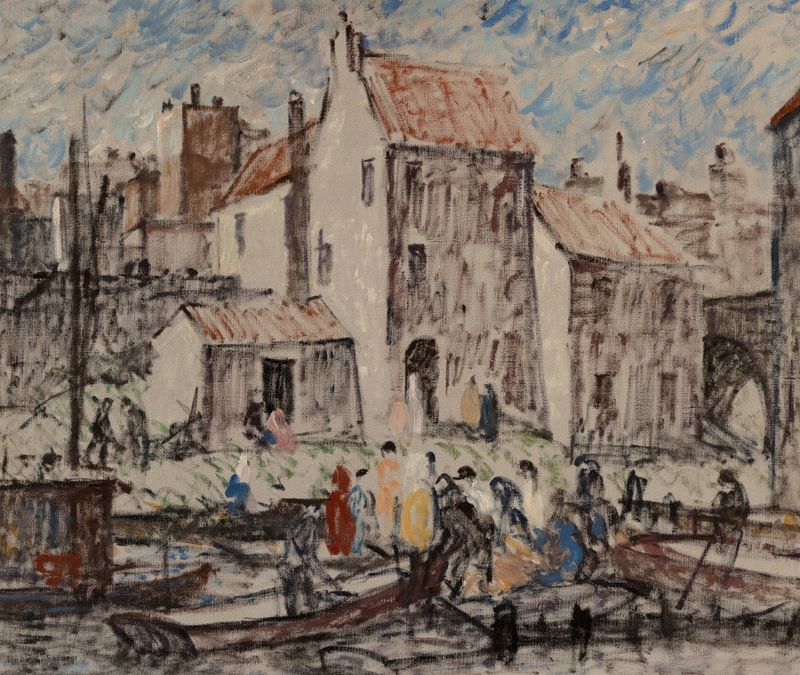
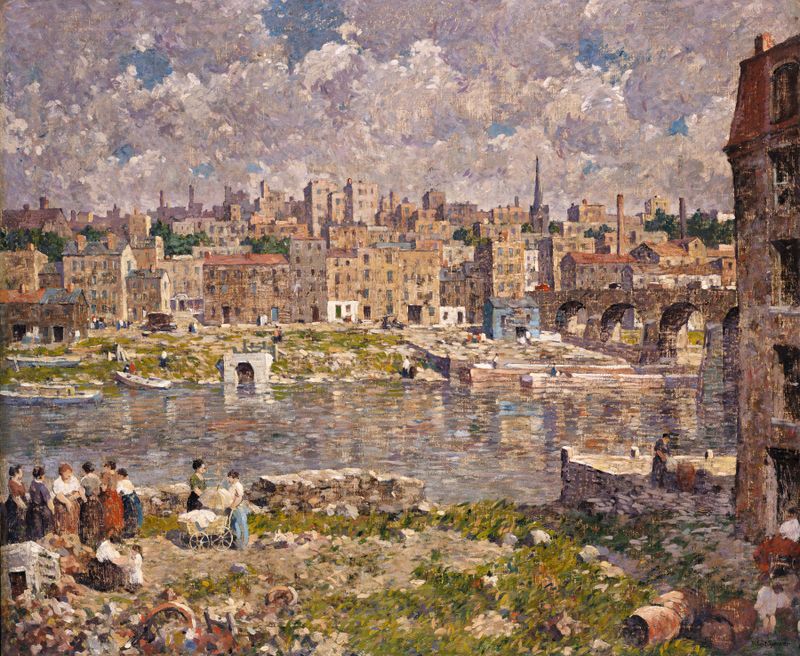
What if silence could speak through light? In the stillness of the moment captured here, chaos hovers just beyond the horizon, waiting to spill into the tranquility of the landscape. Look closely at the center of the canvas, where the soft hues of dawn break over the water, casting gentle reflections that ripple with an unsettling energy. The trees lining the riverbank, painted in dark greens and browns, cradle the scene, yet their shadows whisper tales of unease. Notice how the sky transitions from deep blue to the warm blush of morning — a reminder that even the most serene beginnings can conceal tumultuous undercurrents. The juxtaposition of light and shadow reveals an innate tension; it’s as if the calm river is holding its breath, anticipating the chaos of humanity’s undertakings.
Each brushstroke carries a weight of emotion, from the delicate play of light on the water’s surface to the way the horizon hints at an impending storm. This balance of stillness and chaos invites viewers to contemplate the fragility of peace, wrapped in the certainty that change is inevitable. Robert Spencer painted this piece during a period when American art was venturing away from the strictures of realism into explorations of emotion and mood. The date remains uncertain, but the tranquil yet charged atmosphere reflects the transition in his life as he sought to convey deeper meanings through landscapes.
This work embodies the evolving dialogue between nature and the human experience, finding beauty in the tension that exists between calm and chaos.