End of Day — History & Facts
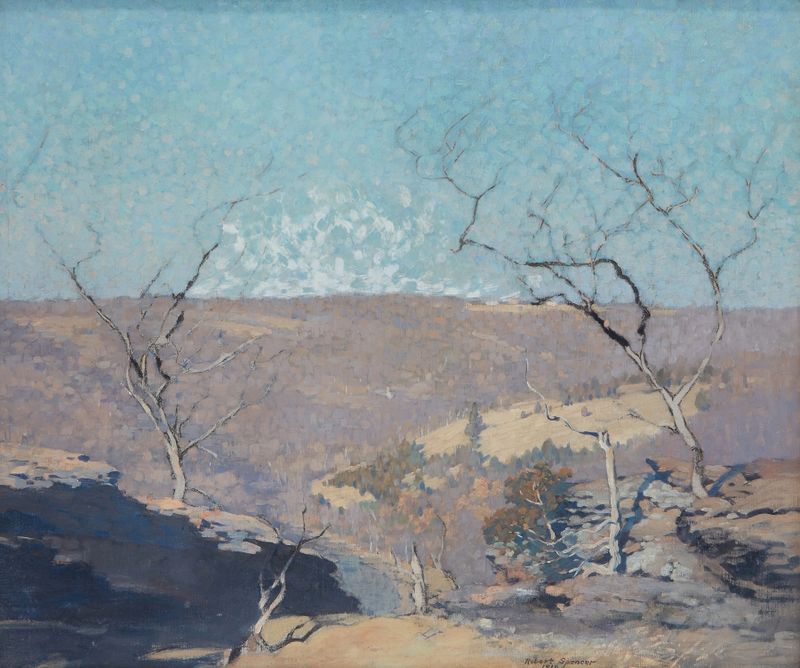
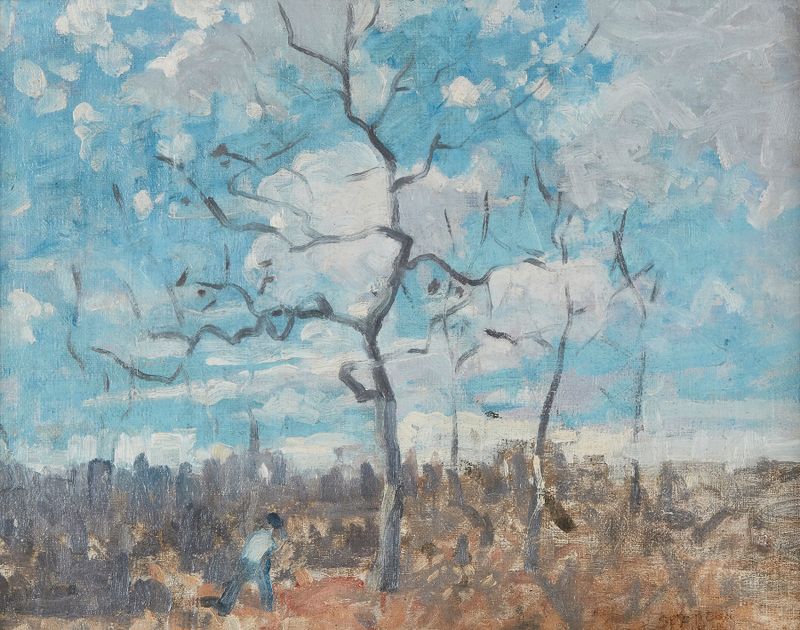
Could beauty survive in a century of chaos? In a world often overwhelmed by turmoil, the quiet moments of grace become a testament to the enduring spirit of life and destiny. Focus on the gentle gradient of colors that envelop the canvas, where the soft pastels of twilight blend into deeper blues. The horizon beckons, compelling the viewer’s eye to trace its line, leading us to the serene landscape that unfolds beneath the fading light. Notice how the figure in the foreground stands alone, casting a long shadow, symbolizing the weight of solitude amidst the vastness of nature.
The brushwork is both delicate and deliberate, capturing not just the scene but the fleeting essence of the day’s end. As day transitions to night, there is a palpable tension between the fading light and encroaching darkness, evoking a sense of introspection. The lone figure seems to embody the duality of hope and despair, caught in the liminal space where day meets night. Small details, like the wisps of clouds touched by the last rays of sun, suggest a fleeting beauty that mingles with the inevitability of dusk—a reminder of both transience and the possibility of renewal. During a period of artistic exploration in the early 20th century, the artist created this piece while reflecting on the shifting tides of society.
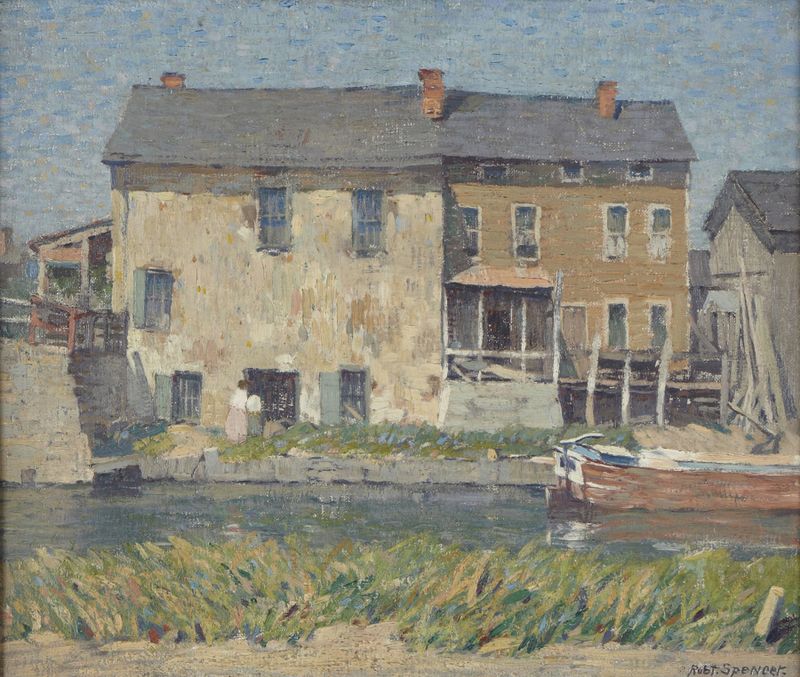
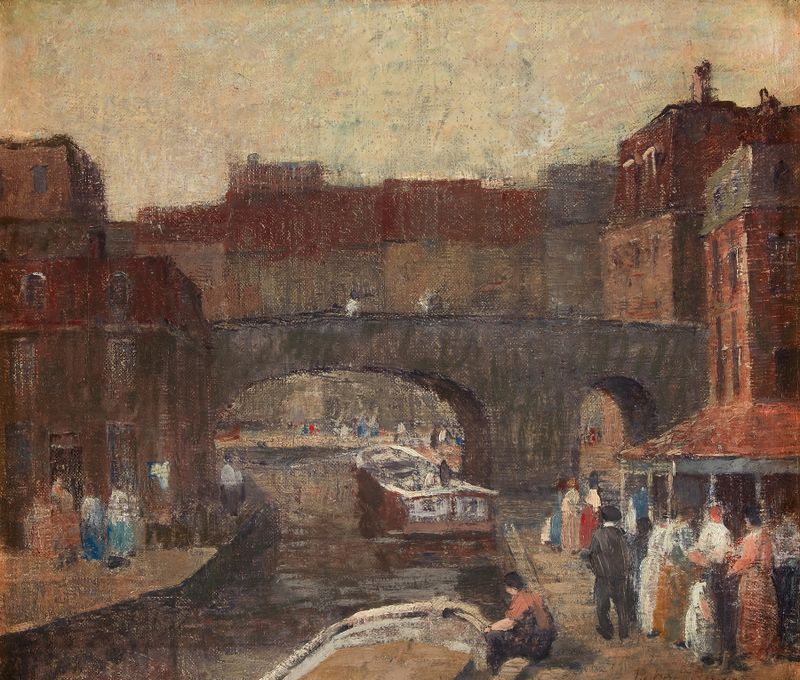
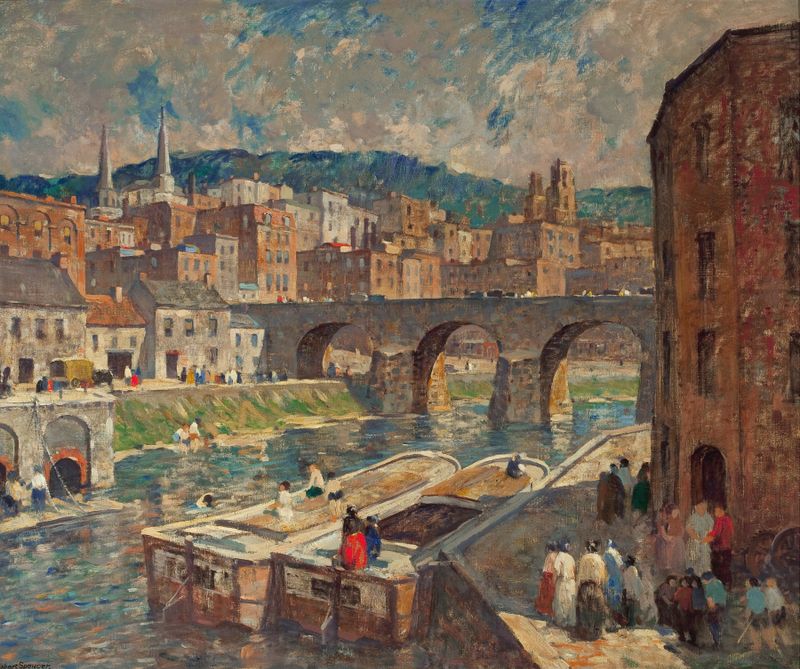
Robert Spencer found his voice amid the burgeoning American Impressionist movement, which sought to capture the beauty of the ordinary while responding to a world grappling with change. Though the exact date of this work remains uncertain, it echoes the artist's desire to reveal the profound serenity found in nature, even when chaos reigns beyond its borders.