A Blossoming Garden — History & Facts
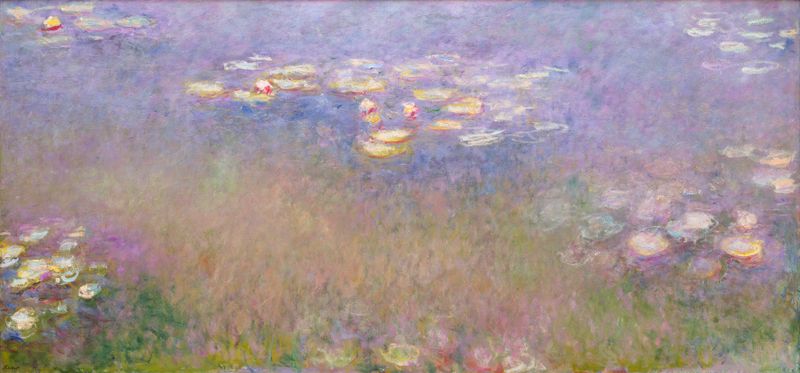
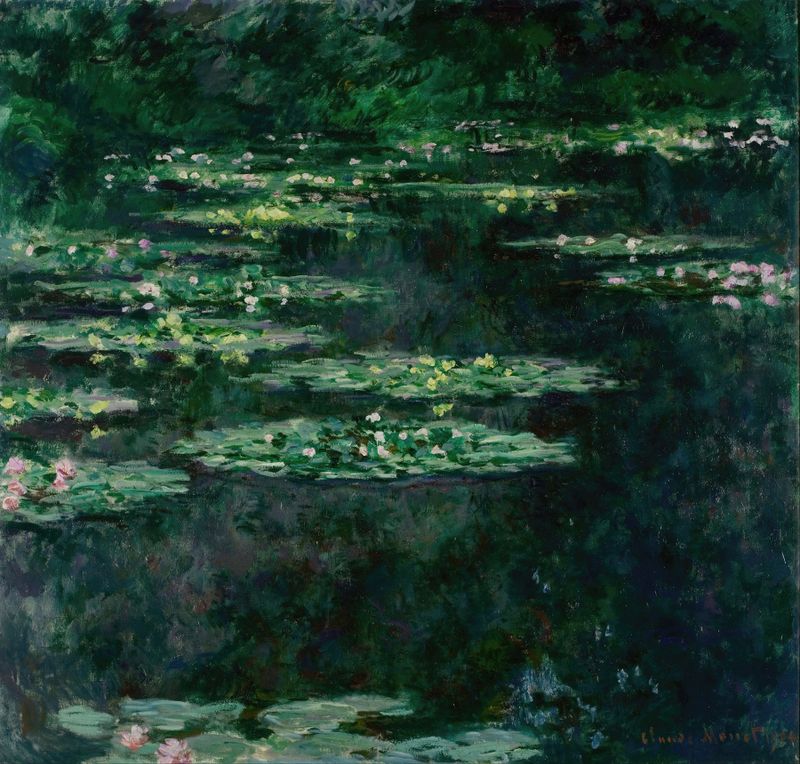
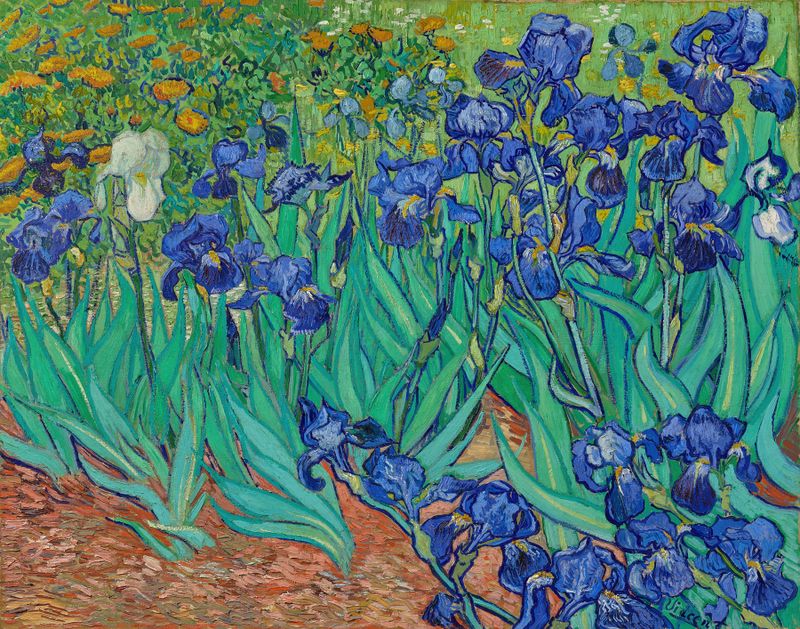
Amidst a serene expanse of lush greenery, a solitary figure kneels in a garden, fingers gently sifting through the earth. The fading light of dusk casts a golden hue over the blossoms, their vibrant colors momentarily alive against the encroaching shadows. Here, the stillness is palpable, as if the air itself holds its breath, allowing a bittersweet tension to bloom. Focus your gaze on the woman tending to the garden, her delicate posture suggesting both devotion and solitude.
Notice how the sunlight glimmers on the petals, each brushstroke a celebration of color—soft pinks and vivid whites intermingling with the fresh greens. The composition draws your eye towards her, yet the surrounding ambiance of nature—buzzing bees and whispering leaves—creates a sense of harmony and melancholy, inviting contemplation. As you observe the scene, the juxtaposition of flourishing life and the woman’s quiet labor reflects the transient nature of beauty and existence. The blossoms seem to yearn for the light, while her furrowed brow hints at an inner sorrow, perhaps a reflection of loss or longing.
This emotional undercurrent adds depth to the vibrant palette, creating a poignant balance between joy and grief. In 1884, Charlemont painted this work amidst a flourishing period of Impressionism, where artists sought to capture the ephemeral beauty of everyday moments. Living in Paris, he was influenced by the changing art scene and the emotional resonance of nature. The blossoming garden serves as a metaphor for life’s fleeting joys, embodying the artist's introspection during a time of personal and artistic exploration.
More Artworks by Hugo Charlemont
Browse all →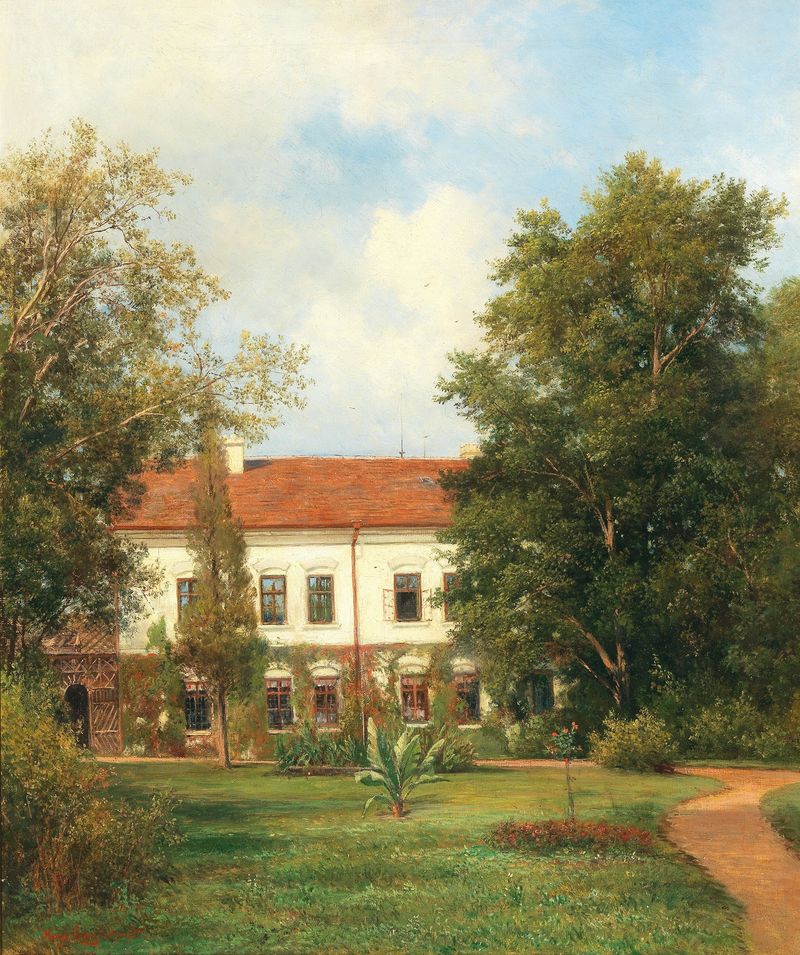
View of a Castle in Bohemia
Hugo Charlemont
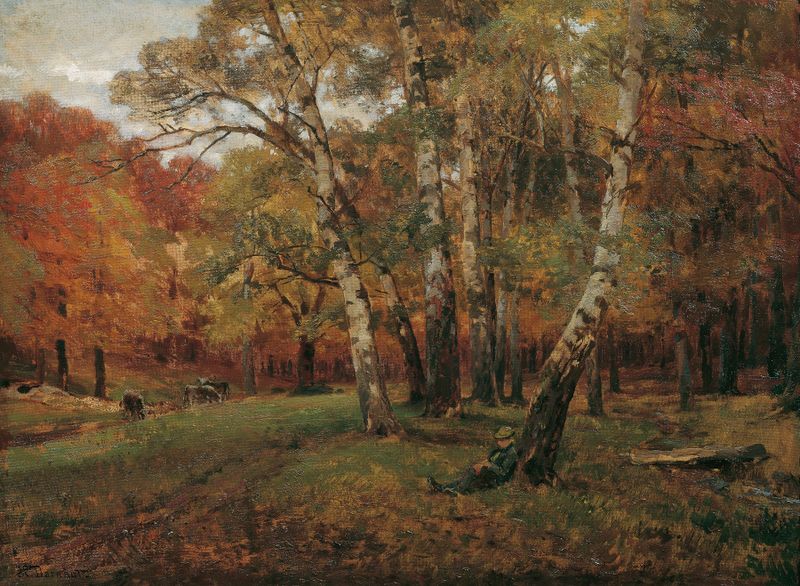
Die Ruine Starhemberg im Piestingtal
Hugo Charlemont
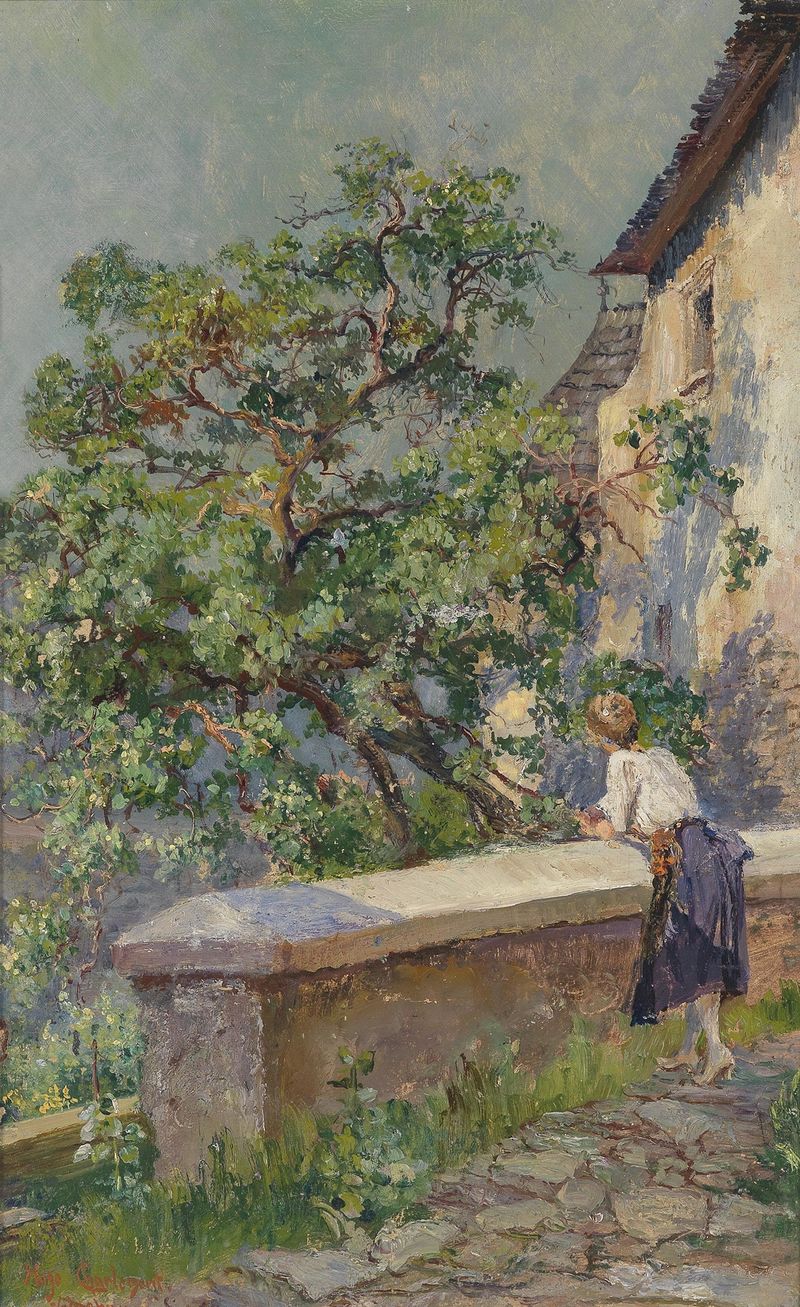
Aus der Wachau
Hugo Charlemont
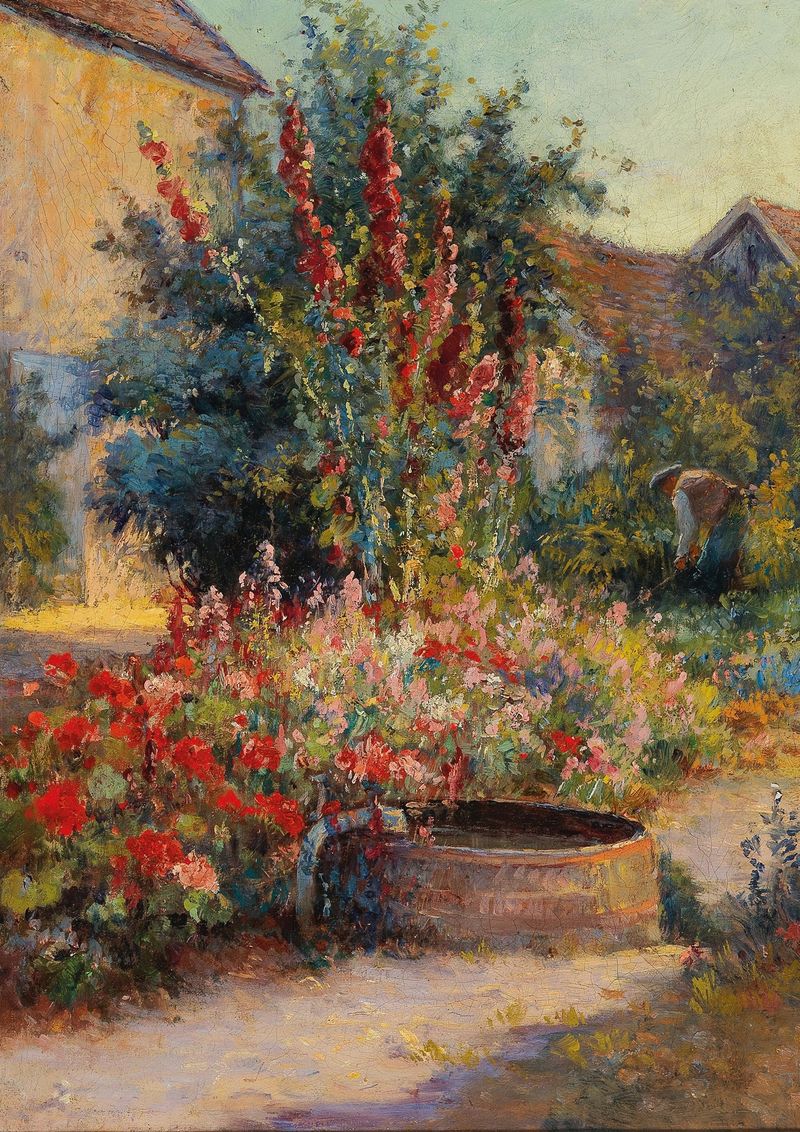
Garten in Brioni
Hugo Charlemont
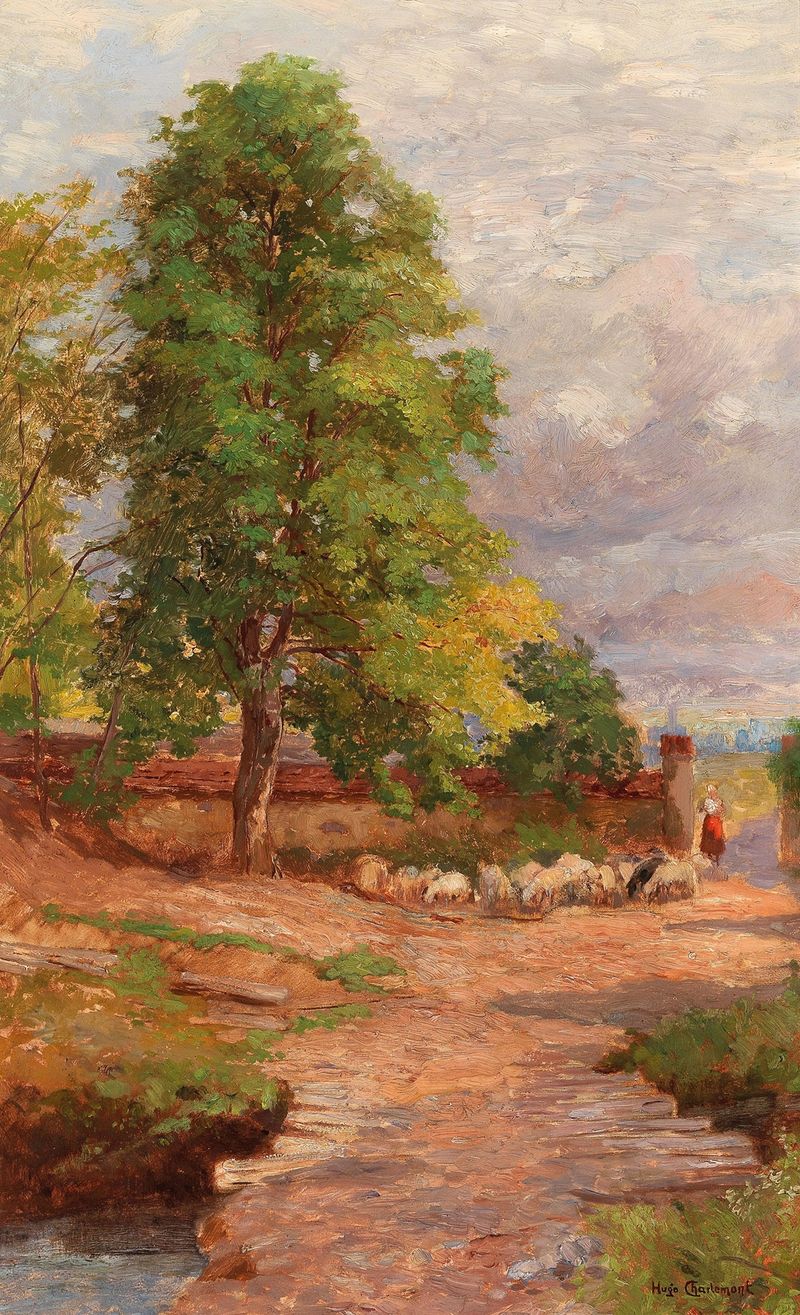
Old Chestnut Tree
Hugo Charlemont
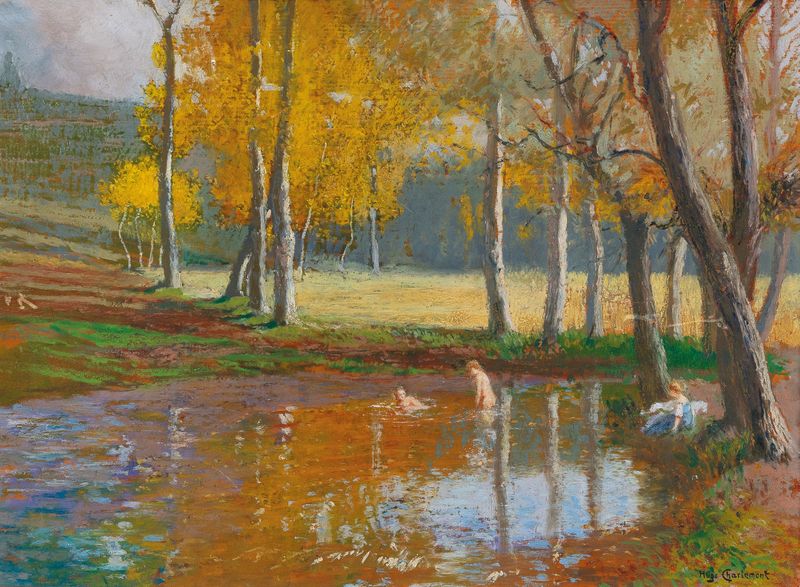
Bathers In A Woodland Pond
Hugo Charlemont
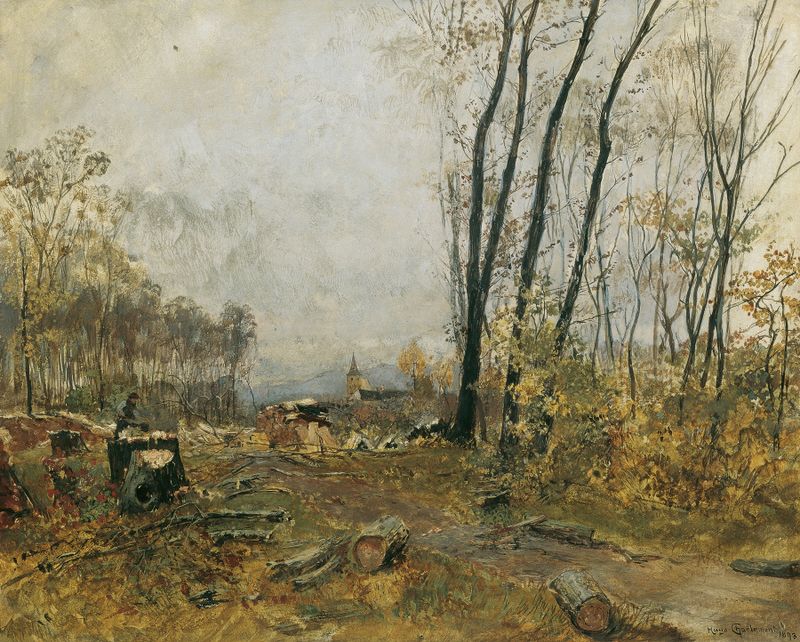
Au bei Klosterneuburg
Hugo Charlemont
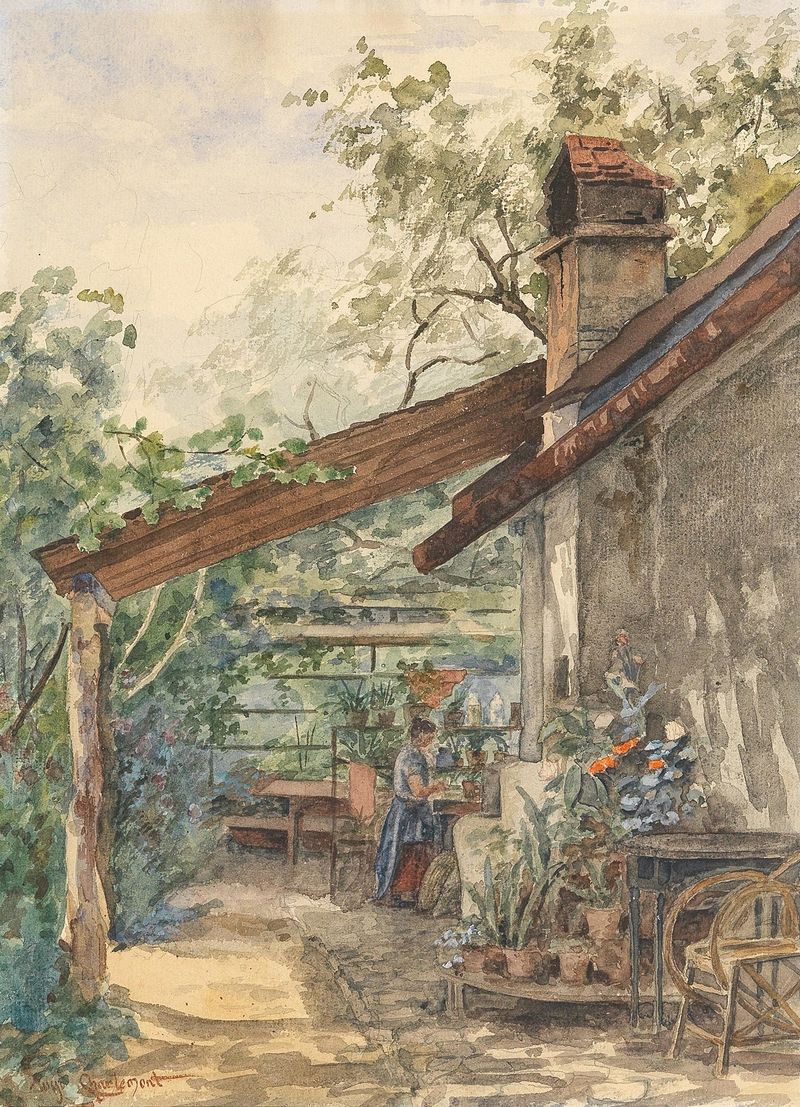
Pflanzendepot
Hugo Charlemont
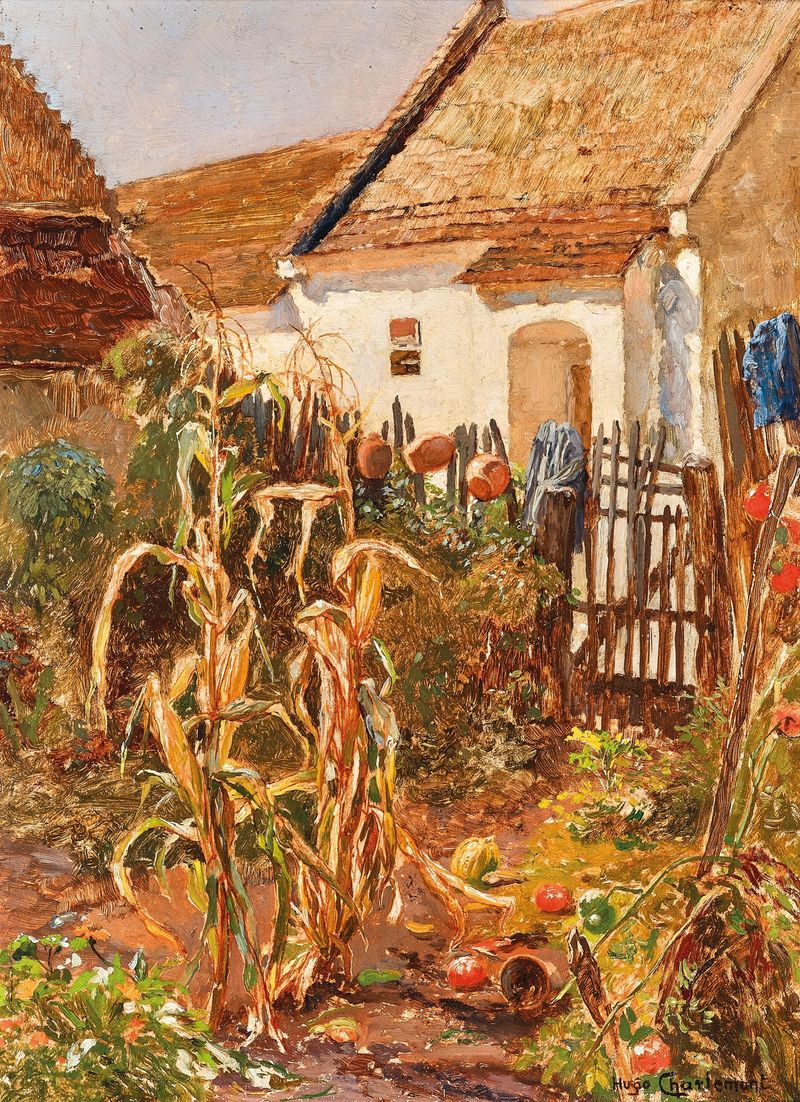
A rustic garden in the Wachau region
Hugo Charlemont
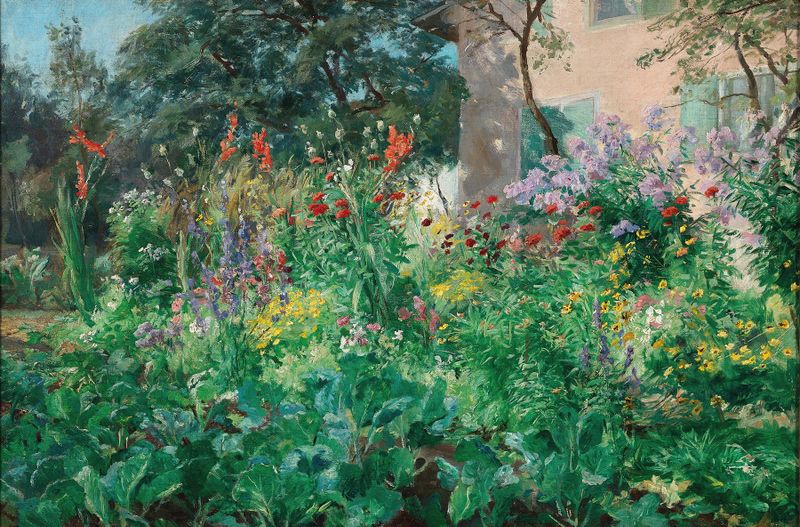
Bauerngarten
Hugo Charlemont