A canal in Dordrecht — History & Analysis
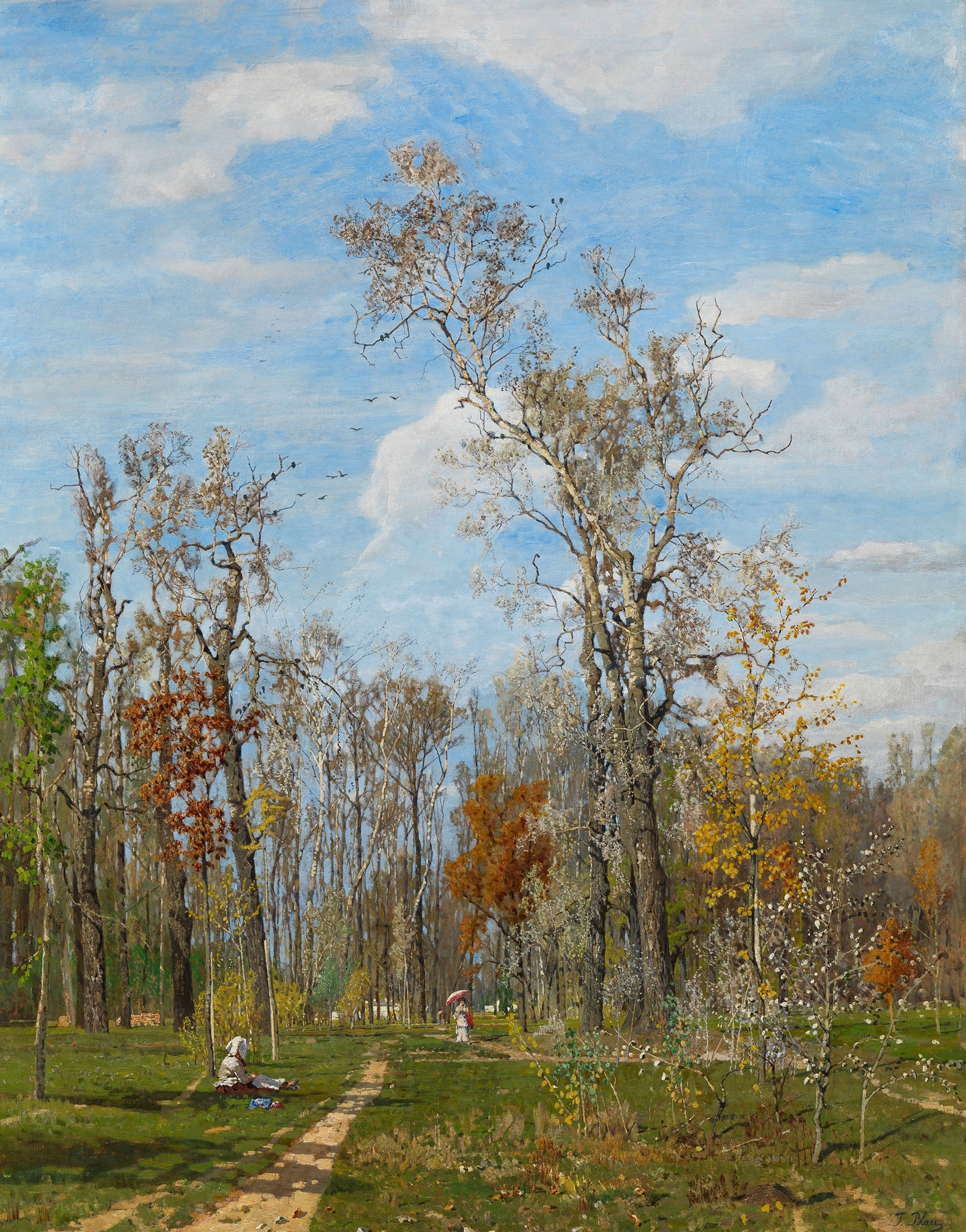
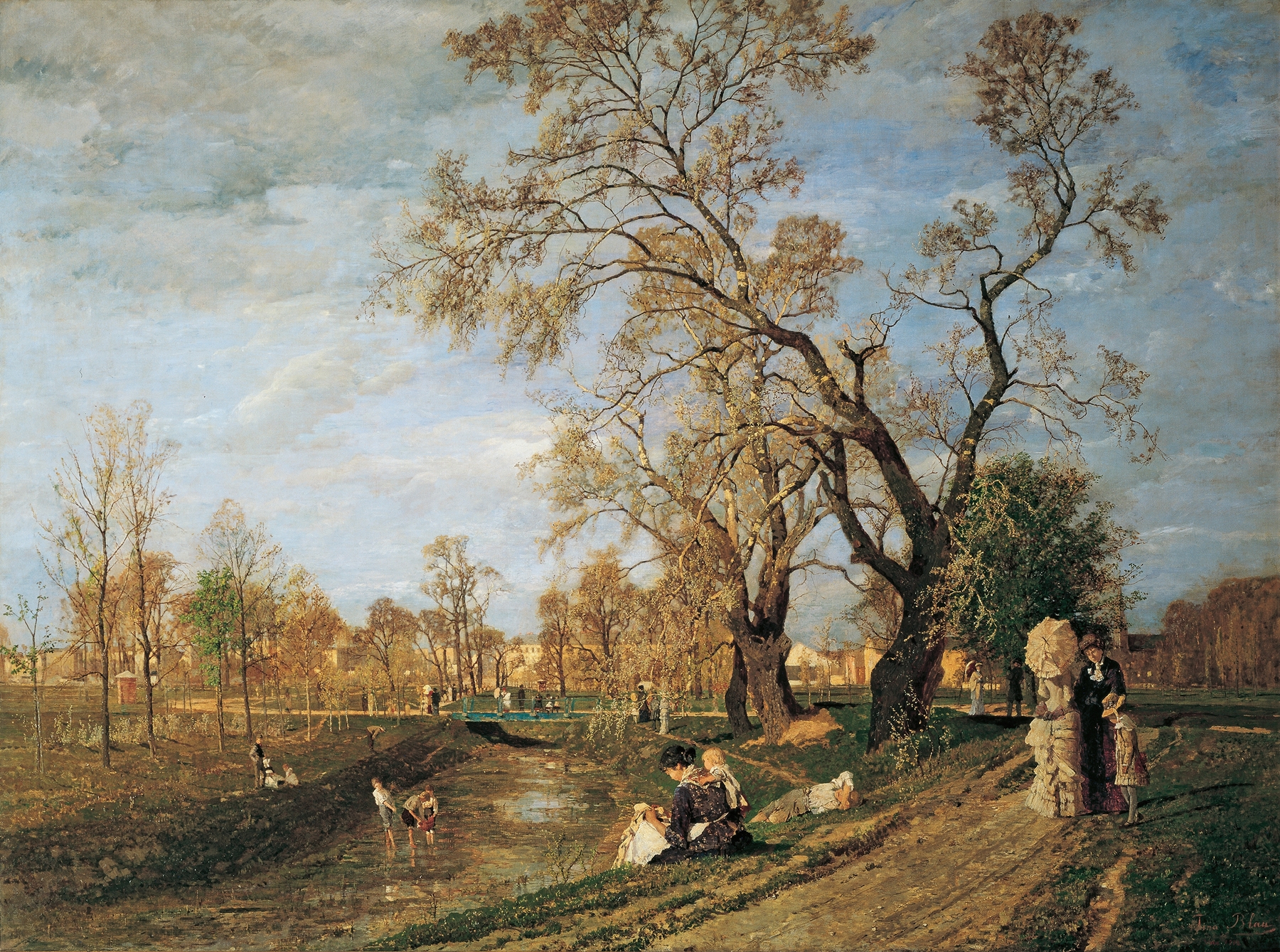
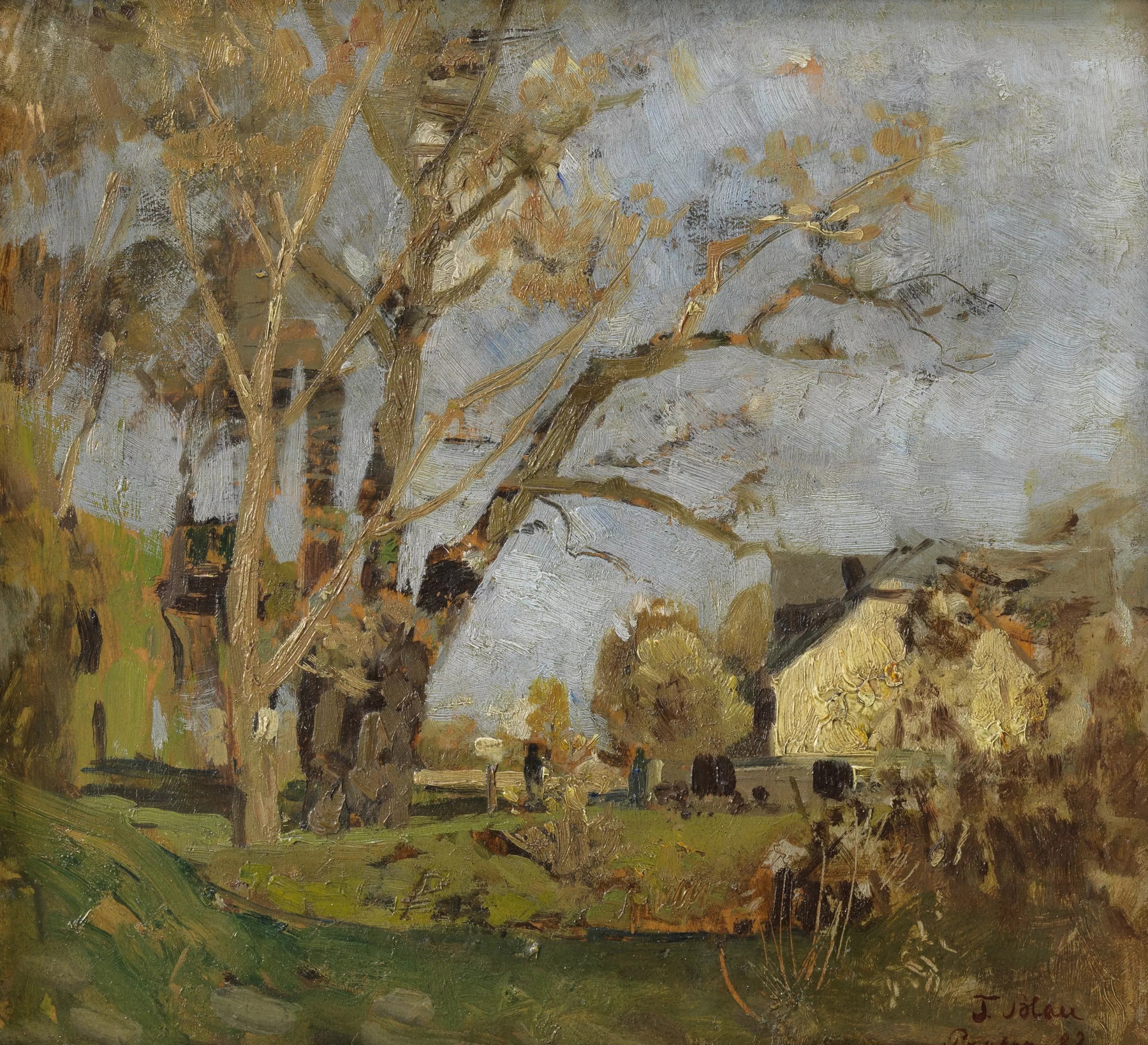
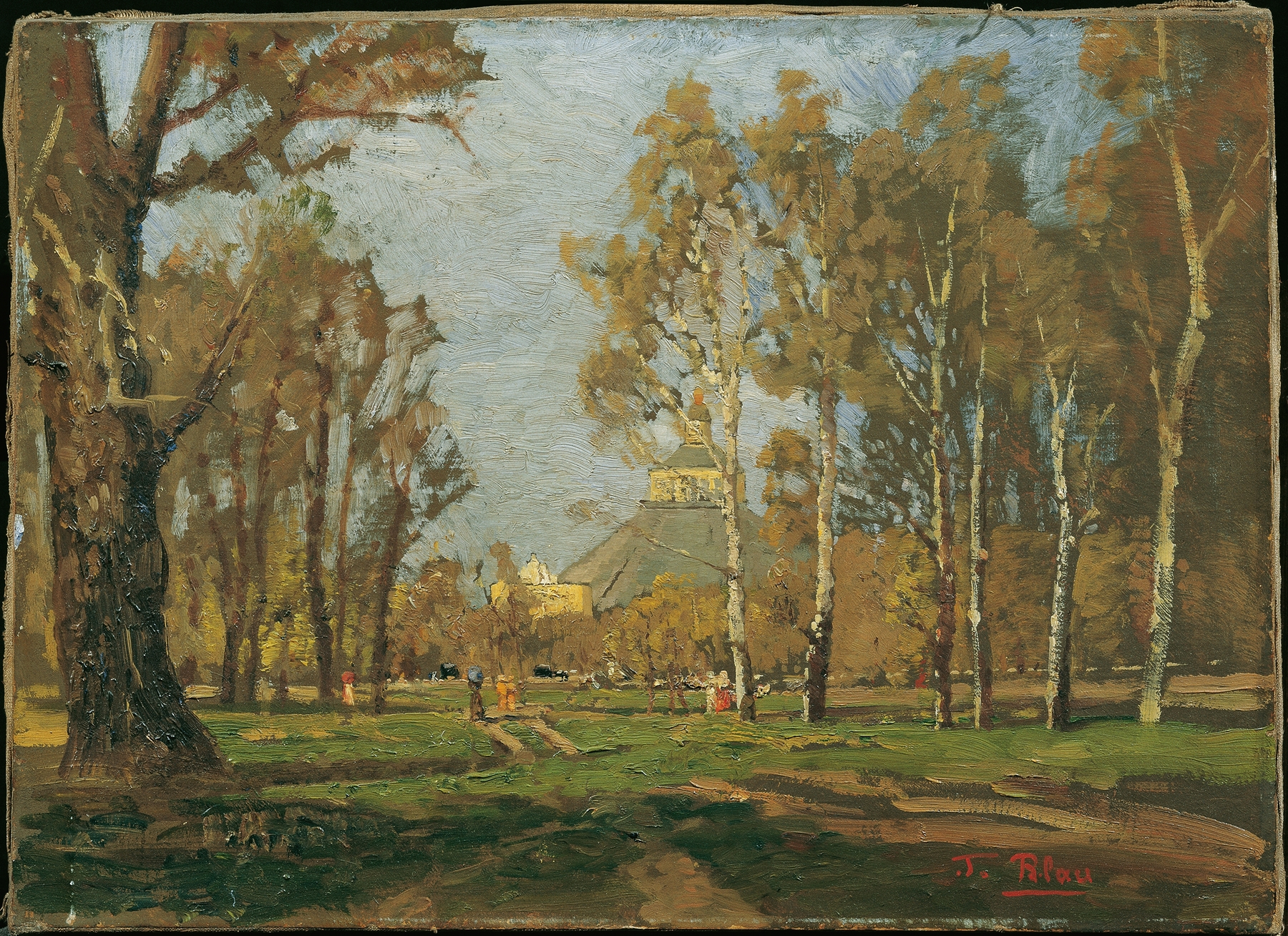
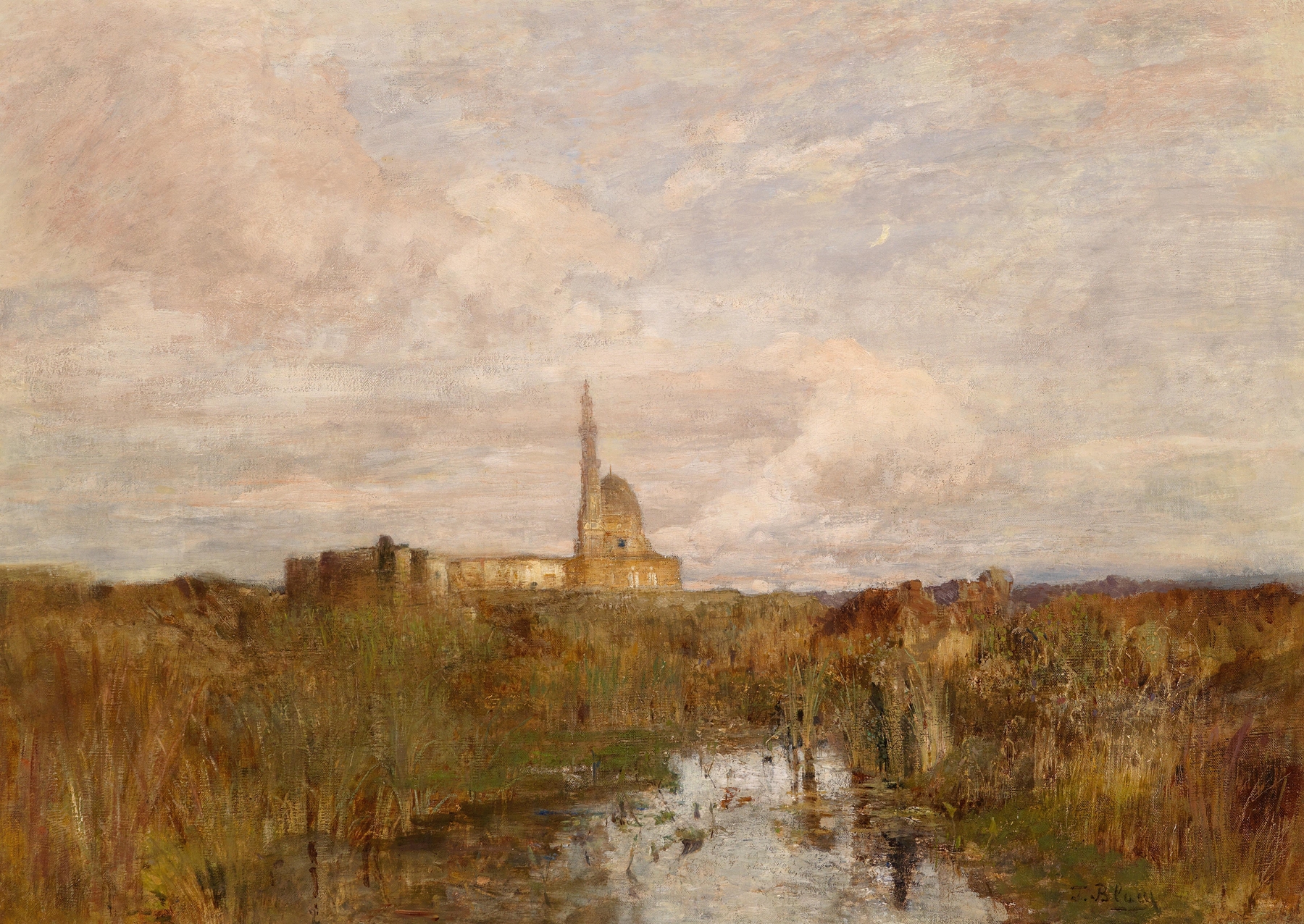
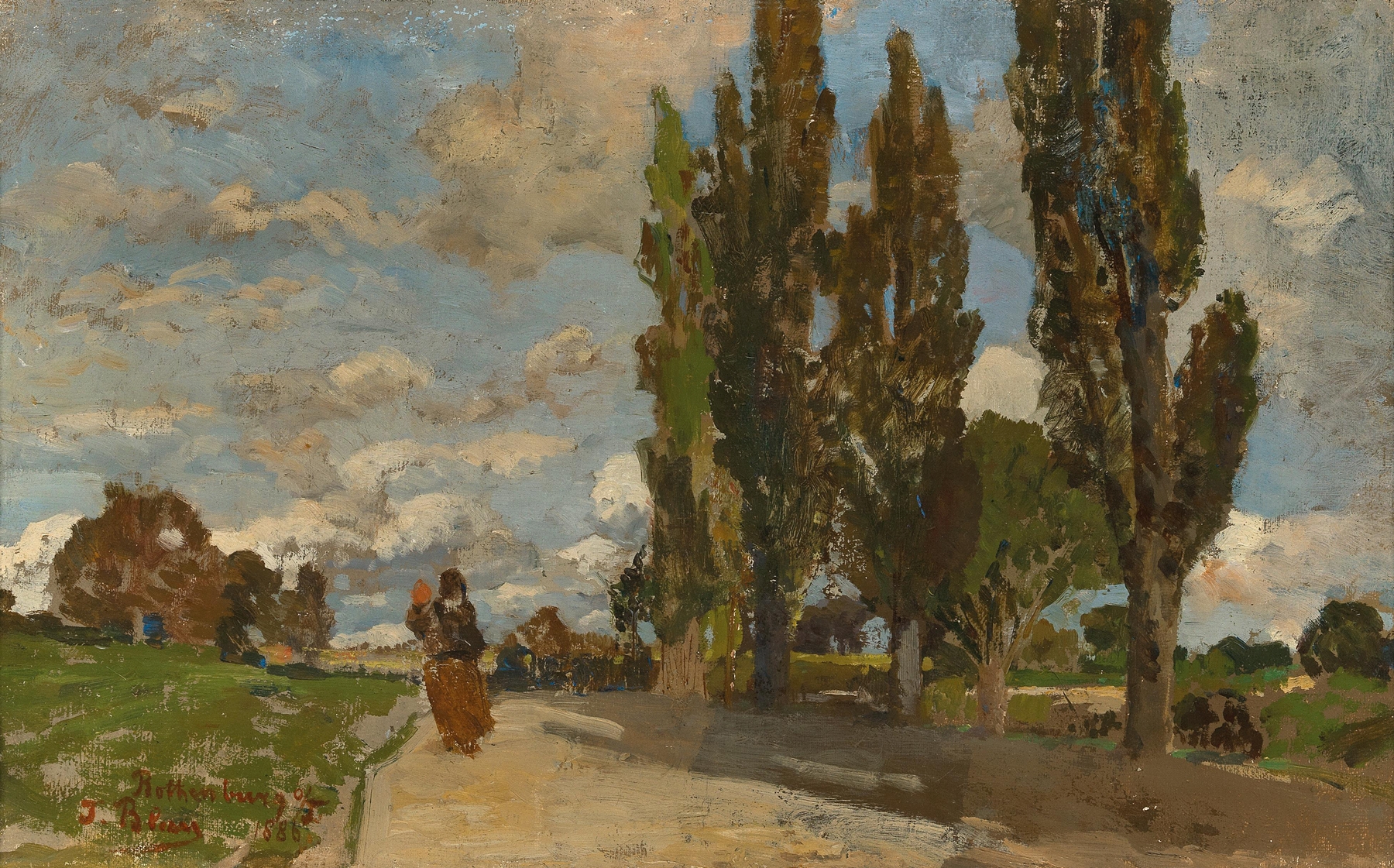
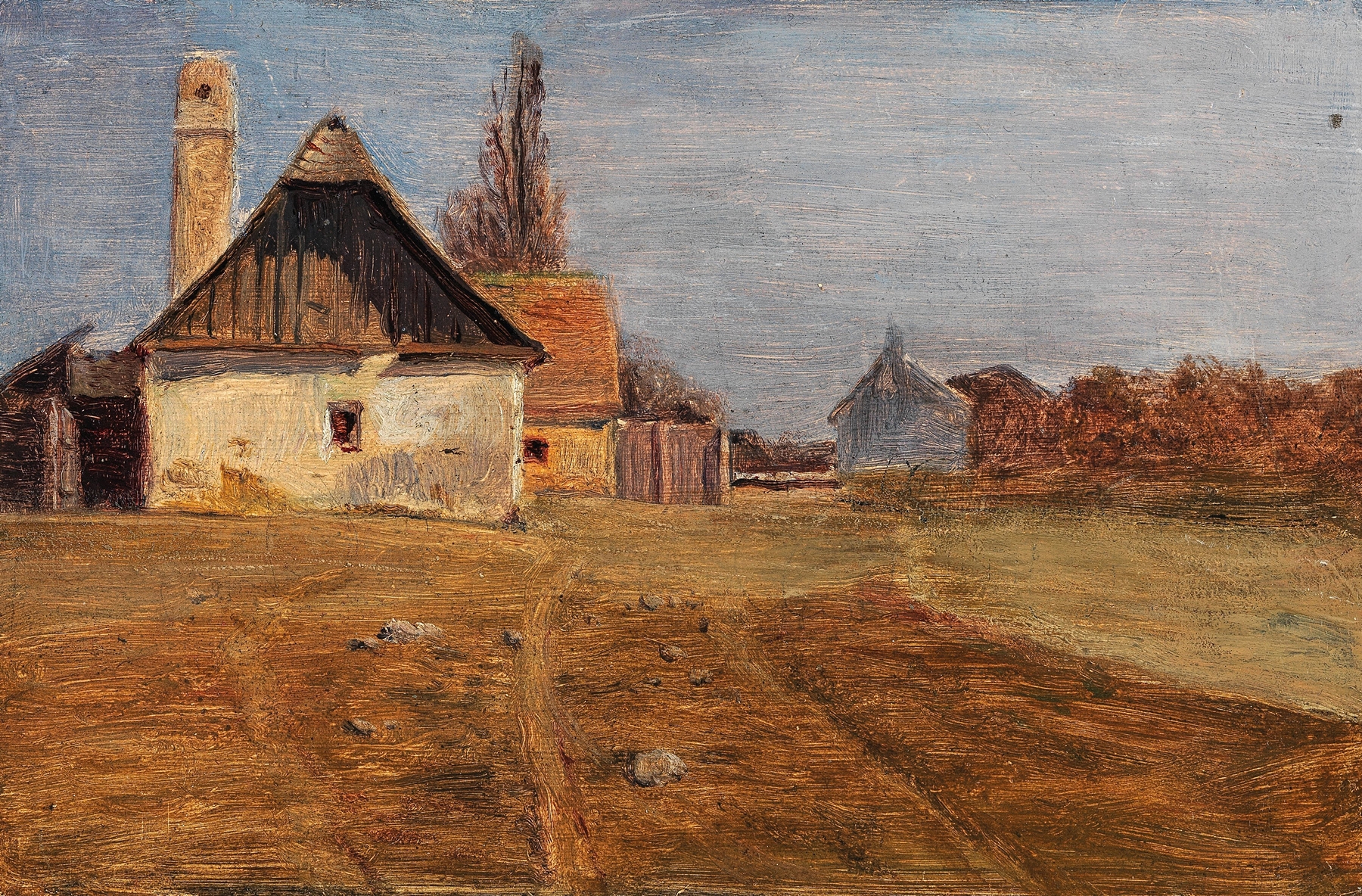
Could beauty survive in a century of chaos? In the stillness of A canal in Dordrecht, a fragile peace unfolds, inviting the viewer to contemplate the passage of time and the enduring power of nature. Look to the foreground, where the tranquil canal glimmers under the gentle caress of sunlight. The shimmering water reflects the softly painted clouds, creating an illusion of movement as the stillness of the scene belies an unseen rhythm.
Notice how the cool blues and greens of the landscape contrast with the warm, golden hues of the buildings lining the banks, guiding your gaze to the harmony between human existence and the natural world. The brushstrokes reveal a delicate balance, each stroke infused with the artist’s deep appreciation for the serene beauty of this Dutch landscape. As you delve deeper, examine the boats tethered to the banks, their stillness echoing a longing for connection amid the solitude of the scene. The architecture stands proud yet humble, a testament to the passage of time and the stories those structures could tell.
Each element, meticulously rendered, conveys a sense of nostalgia, inviting reflection on the fragility of life and the enduring essence of beauty that withstands the chaos of the world. During the late 19th century, when this piece was likely created, Tina Blau was developing her style amidst a burgeoning interest in plein air painting in Europe. Living in an era marked by rapid industrialization and societal change, she found solace in capturing the landscapes of her native Holland. This work embodies her commitment to depicting the tranquility of nature, serving as a counterpoint to the tumultuous world outside her canvas.