
A Cave in Sunlight, with Figures — History & Facts
What secret hides in the quiet of the canvas? Beneath the surface of this serene landscape lies a powerful theme of rebirth, captured in the interplay between light and shadow. Look to the left at the soft, dappled sunlight streaming into the cave, illuminating the figures within. The gentle strokes of the brush bring life to the scene, revealing a verdant patch of moss that carpets the rocky floor. Notice how the warm tones of the sunlight contrast with the cool shadows that cling to the cave walls, creating a dynamic tension that speaks to the duality of nature’s hidden depths and the promise of renewal outside. In the foreground, a pair of figures stands in quiet contemplation, their presence suggesting a moment of introspection.
Their postures, relaxed yet alert, imply a connection to the landscape that invites viewers to ponder their own journey of transformation. The faint outline of the cave entrance beckons, hinting at a world teeming with life and growth, while the figures remain grounded in the stillness of the moment, bridging the divide between darkness and light. William Payne painted this work in 1825 while residing in England, a period marked by a growing interest in the Romantic movement. At this time, artists sought to express emotional depth and the sublime aspects of nature.
Payne’s exploration of light in A Cave in Sunlight, with Figures signifies a departure from earlier styles, as he embraced the beauty of natural settings and human emotion intertwined.
More Artworks by William Payne
Browse all →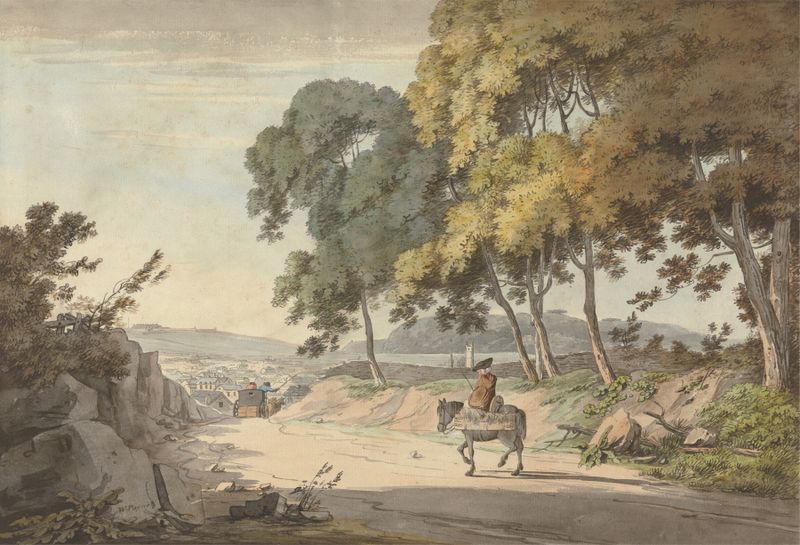
View of Plymouth taken from the Seven Trees, Exeter Road
William Payne

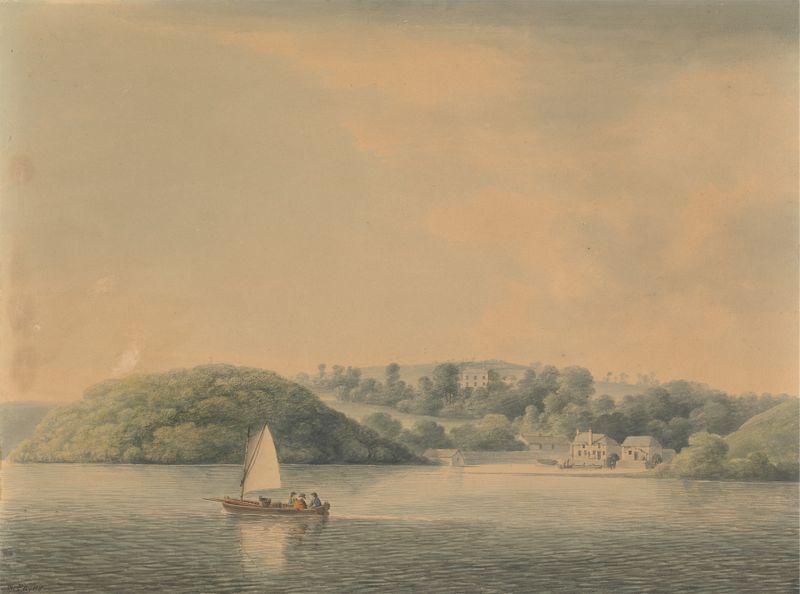
Britten Ferry, Mount Edgecombe
William Payne
Mill on the Tavy
William Payne

Distant View of Exmouth from Exeter
William Payne
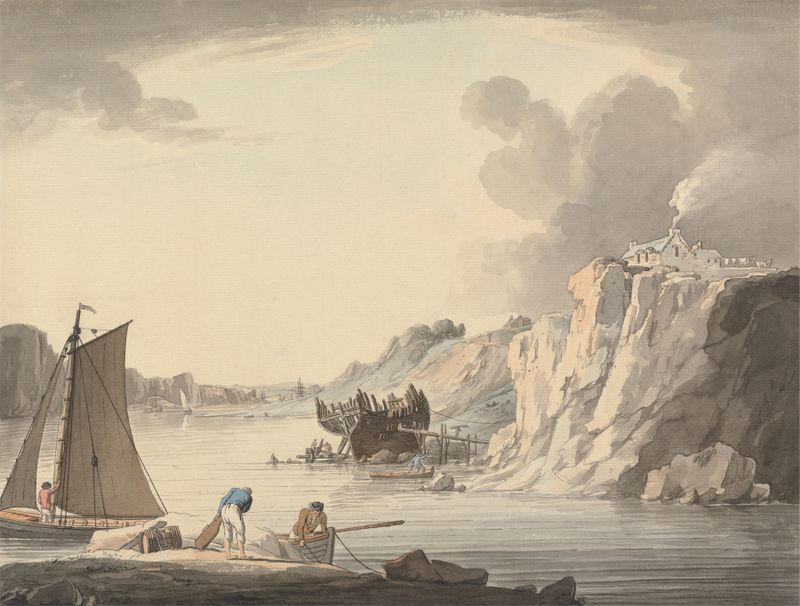
Entrance to Stonehouse Creek, between Plymouth and Dock, Devon
William Payne
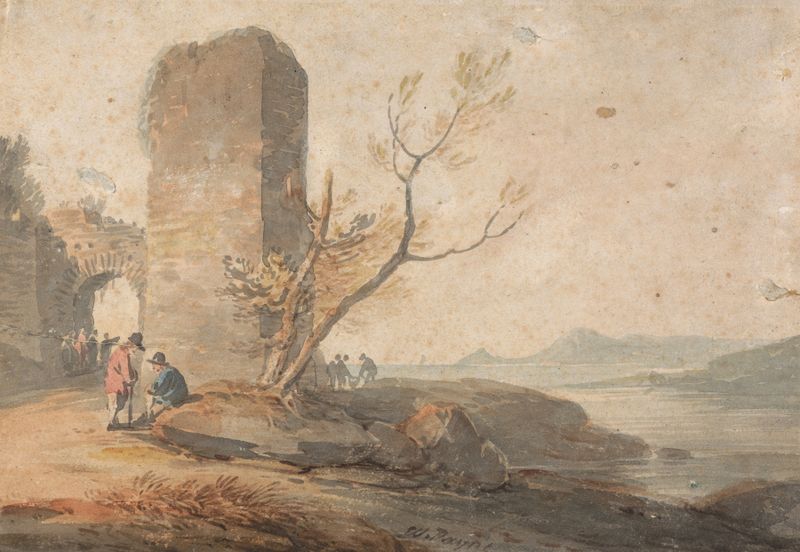
Figures by a Ruined Arch
William Payne
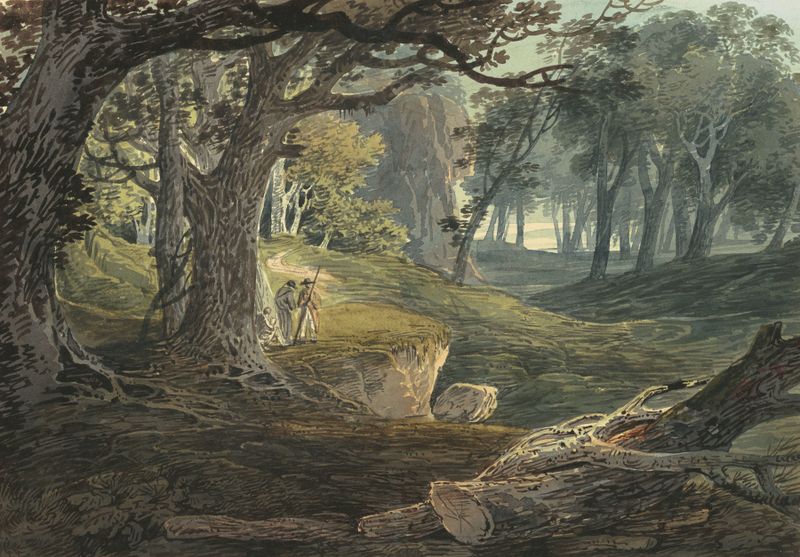
Travellers in a Woodland Glade
William Payne
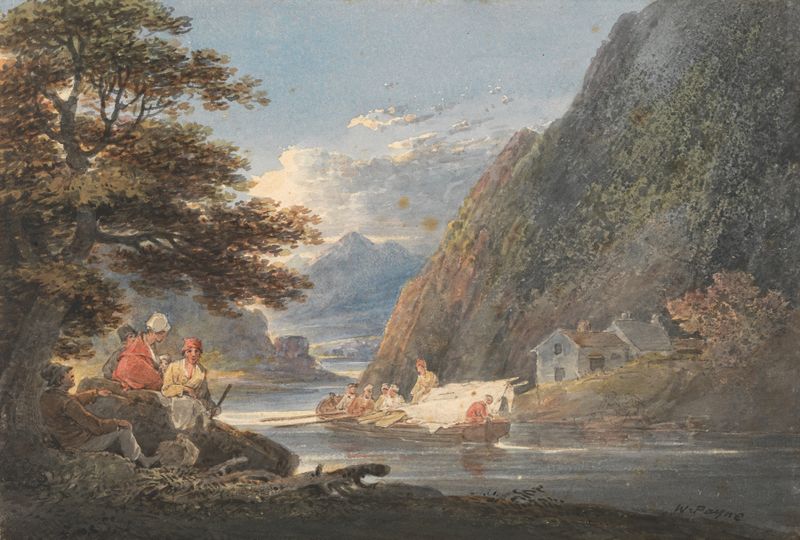
On the River Tivy, near Cardigan, Wales
William Payne
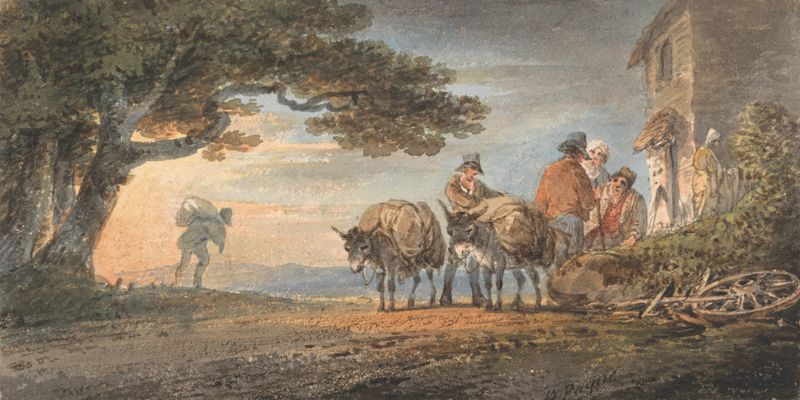
Drivers and Burros Resting at Sunset
William Payne
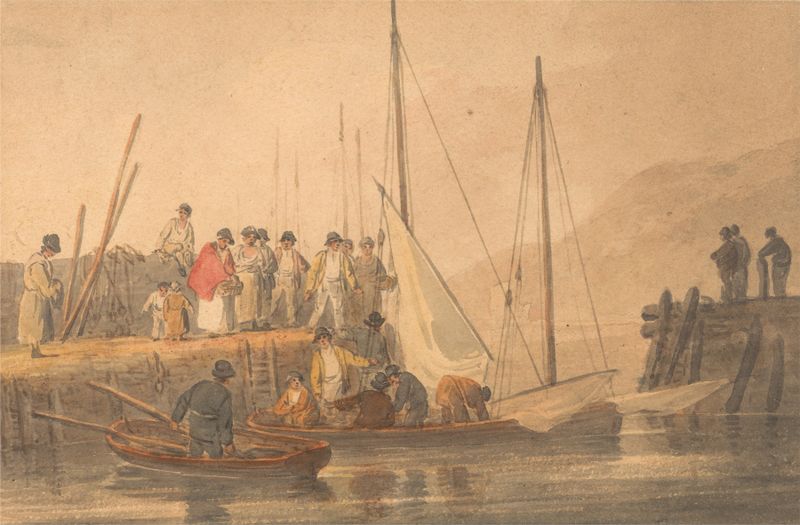
Torquay
William Payne





