
Entrance to Stonehouse Creek, between Plymouth and Dock, Devon — History & Facts
In the stillness of this moment, time appears suspended, inviting us to linger in its embrace. What stories lie hidden within the gentle curves of a creek, as nature weaves its timeless tale? Look to the left at the soft dappling of light filtering through the trees, illuminating the water’s surface in shimmering hues of blue and green. Notice how the delicate brushstrokes capture the undulating path of the creek, guiding your gaze toward the horizon where the land meets the sky.
The artist’s choice of muted tones evokes a tranquil solitude, creating a serene atmosphere that transports the viewer to this picturesque Devon landscape. Deeper still, the interplay of light and shadow reveals the contrast between the vibrant life surrounding the creek and the stillness of the water. The surrounding flora, rich with texture, suggests an untamed wildness, while the water’s reflective calm hints at moments of introspection. This duality speaks to the passage of time itself — the relentless forward march juxtaposed against nature’s enduring beauty found in quiet corners of the world. At the time this work was created, Payne was exploring the English landscape, driven by a commitment to depict its charms.
Working in the late 18th century, he was part of a movement that celebrated the natural world, responding to the shifting tides of both art and society. The landscape genre was gaining prominence, and as he painted Entrance to Stonehouse Creek, he embraced the moment, capturing a fleeting glimpse of time, immortalized on canvas for generations to ponder.
More Artworks by William Payne
Browse all →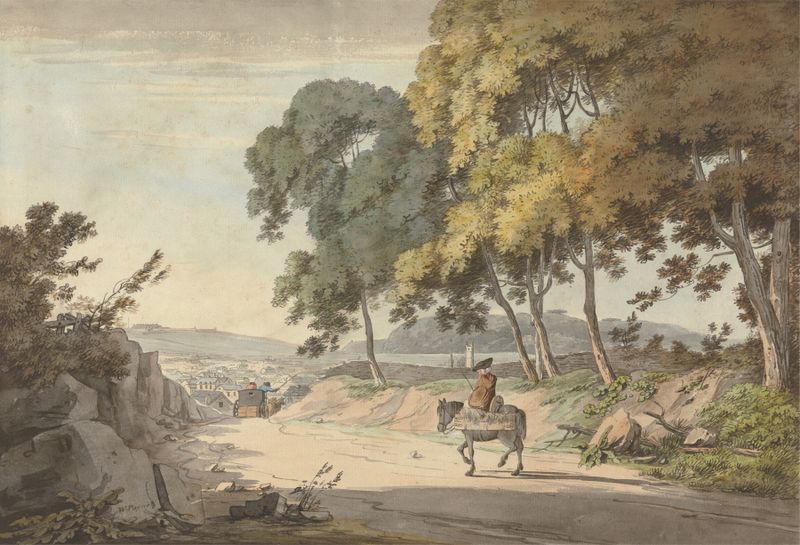
View of Plymouth taken from the Seven Trees, Exeter Road
William Payne

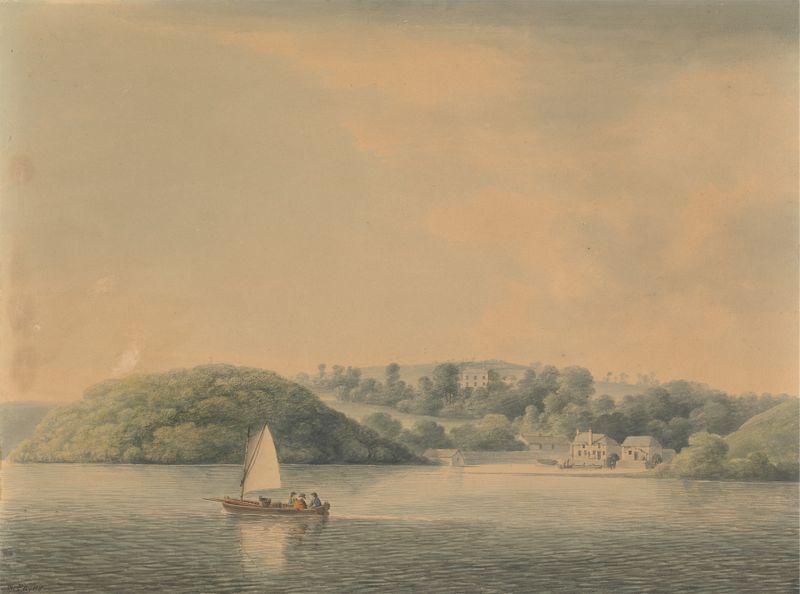
Britten Ferry, Mount Edgecombe
William Payne
Mill on the Tavy
William Payne

Distant View of Exmouth from Exeter
William Payne
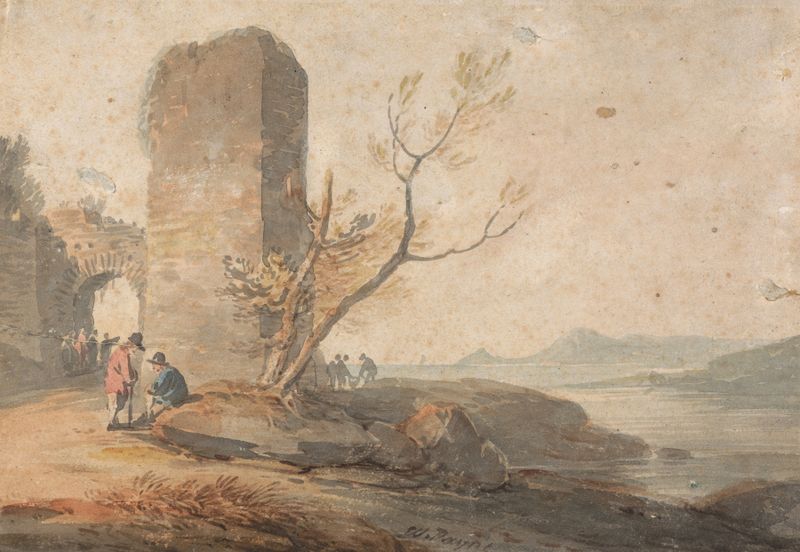
Figures by a Ruined Arch
William Payne
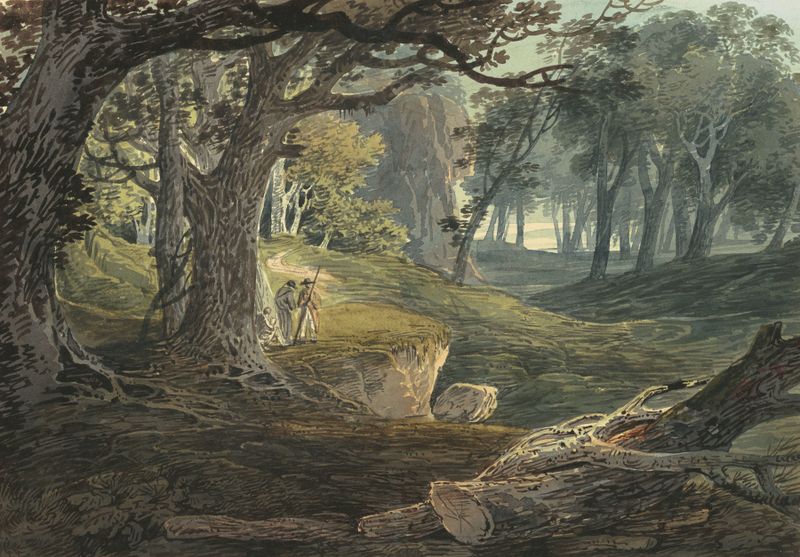
Travellers in a Woodland Glade
William Payne
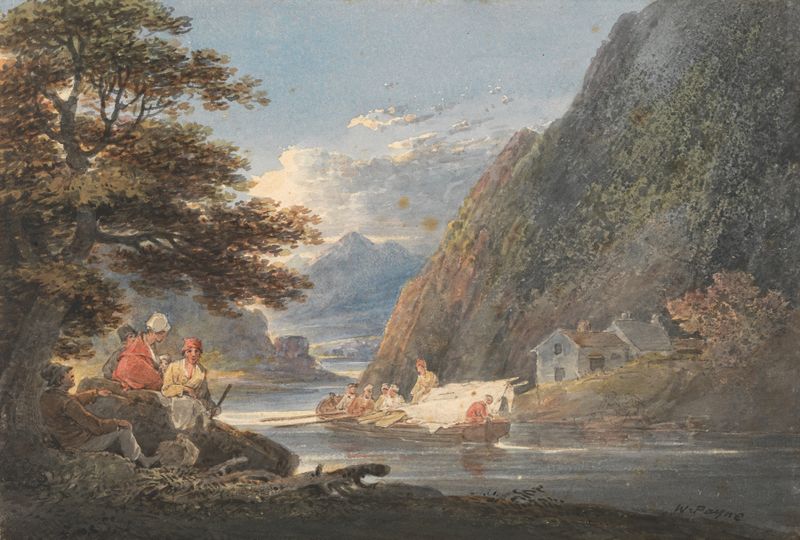
On the River Tivy, near Cardigan, Wales
William Payne
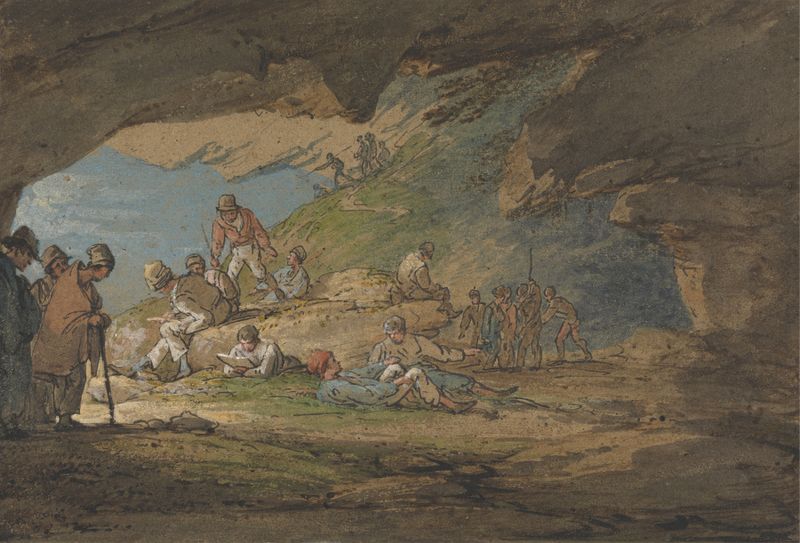
A Cave in Sunlight, with Figures
William Payne
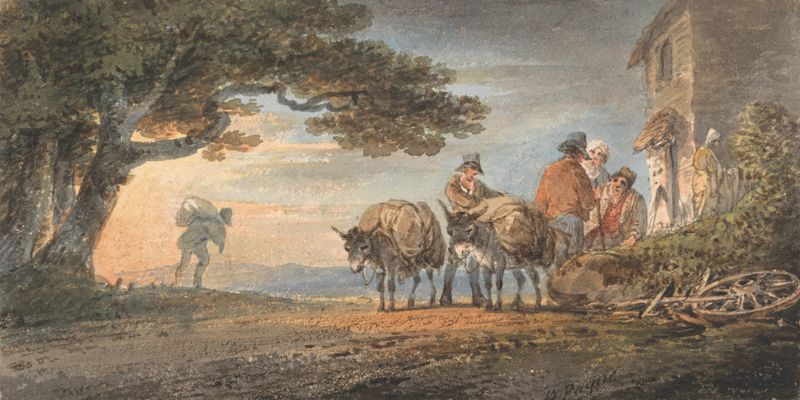
Drivers and Burros Resting at Sunset
William Payne
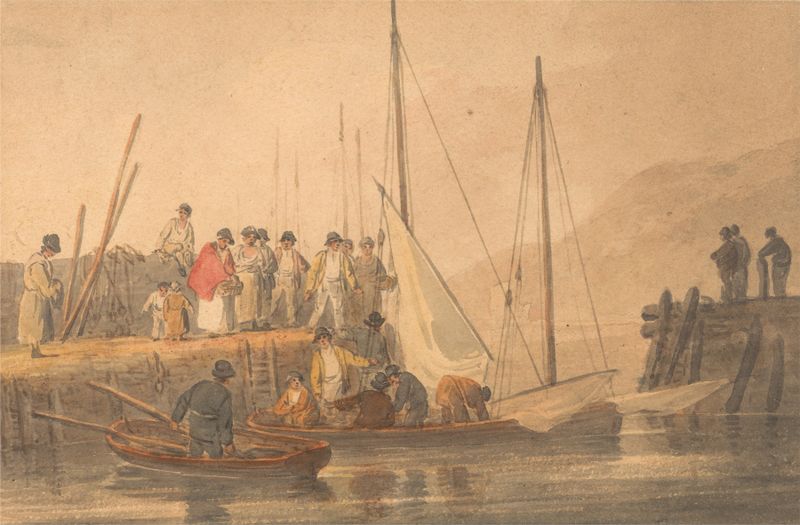
Torquay
William Payne





