
Figures by a Ruined Arch — History & Facts
In the quiet recesses of an artist's mind, truth unfolds delicately, revealing layers of past and present intertwined within a solitary moment. To appreciate the work, look first at the illuminated figures standing resolutely before the fragmented arch. Their poignant silhouettes emerge against the melancholy backdrop, shaped with soft strokes that suggest a fading memory. Notice how the muted earth tones blend seamlessly, whispering tales of history, while dappled light catches the worn stone, evoking a sense of both decay and beauty. As you explore deeper, observe the interplay of presence and absence.
The distant arch serves as a metaphor for time and loss, hinting at grandeur that once was. These figures, caught in their reverie, embody the tension between nostalgia and the unyielding passage of time, revealing the bittersweet essence of human experience amid the ruins. Each detail feels deliberate, as though the artist is inviting you to question what remains when all else has faded. William Payne painted this work during a period rich with exploration into romanticism and the picturesque, likely during the early 19th century in England.
At this time, artists were captivated by the beauty of nature and the ruins of classical architecture, reflecting both a longing for the past and a response to the rapidly changing world around them. This canvas is a testament to his ability to merge personal introspection with broader artistic movements, as he navigated his own place within the evolving landscape of art.
More Artworks by William Payne
Browse all →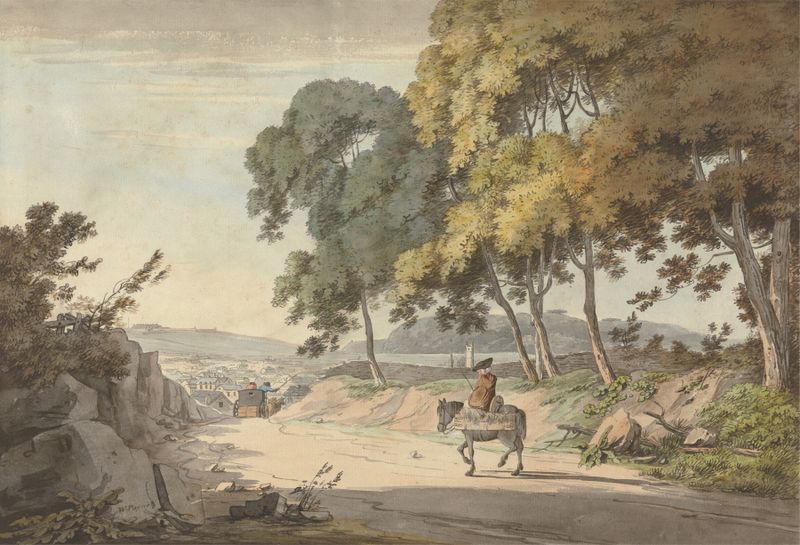
View of Plymouth taken from the Seven Trees, Exeter Road
William Payne

Britten Ferry, Mount Edgecombe
William Payne
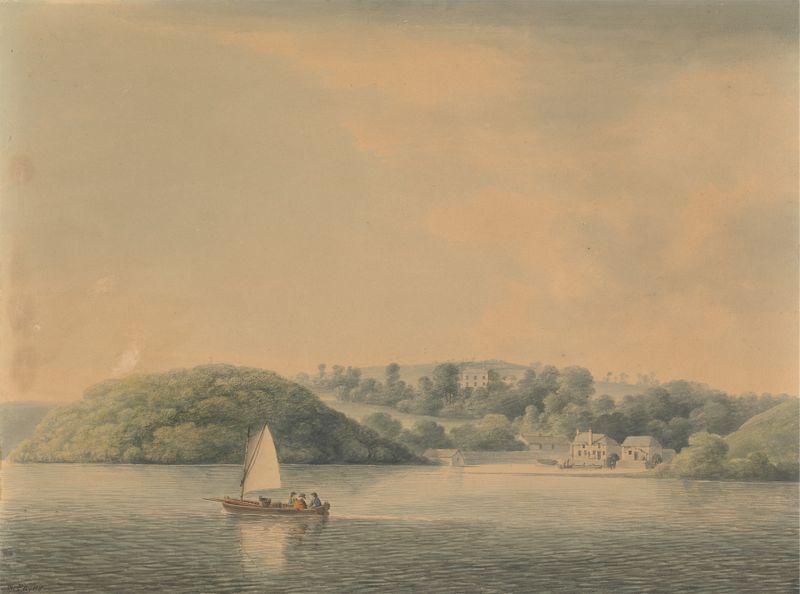
Mill on the Tavy
William Payne

Distant View of Exmouth from Exeter
William Payne
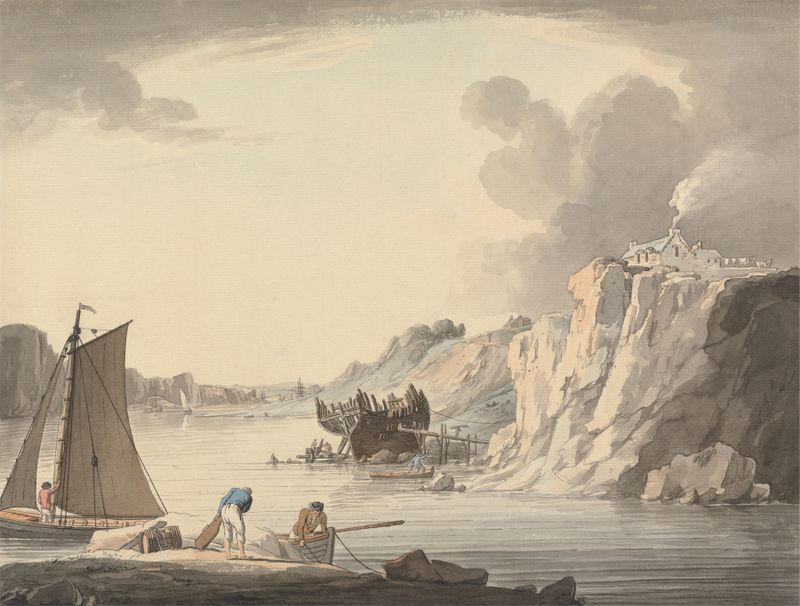
Entrance to Stonehouse Creek, between Plymouth and Dock, Devon
William Payne
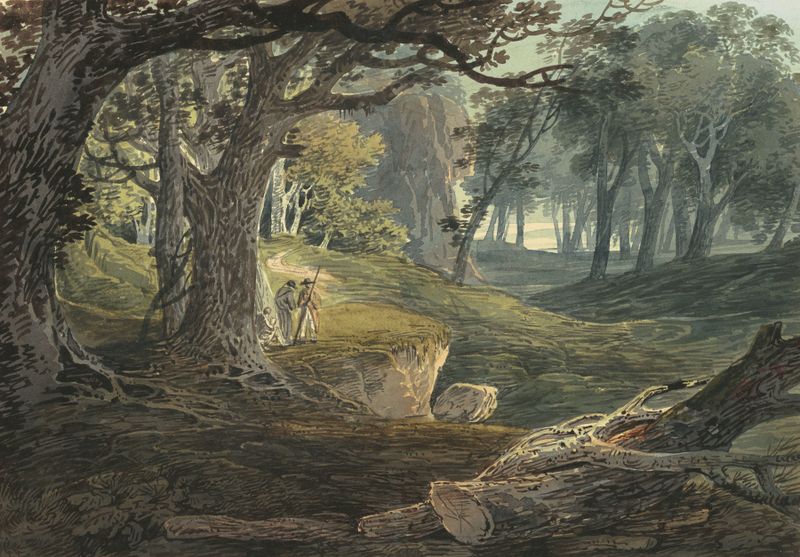
Travellers in a Woodland Glade
William Payne
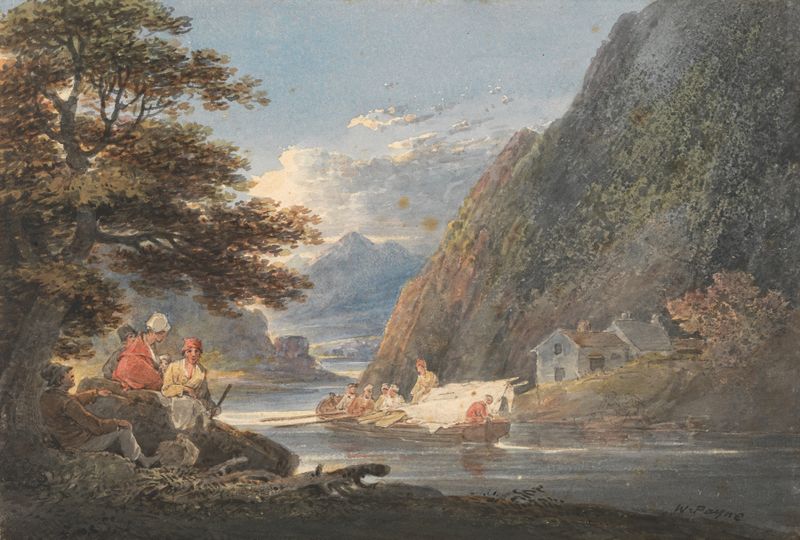
On the River Tivy, near Cardigan, Wales
William Payne
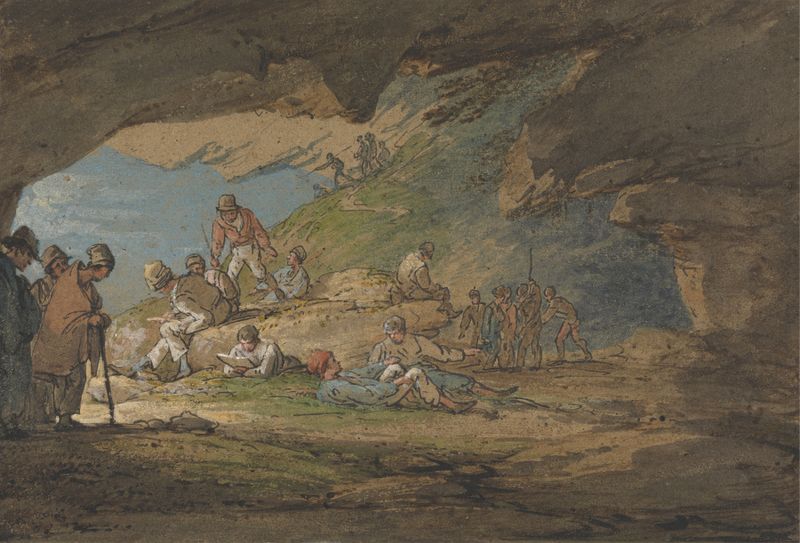
A Cave in Sunlight, with Figures
William Payne
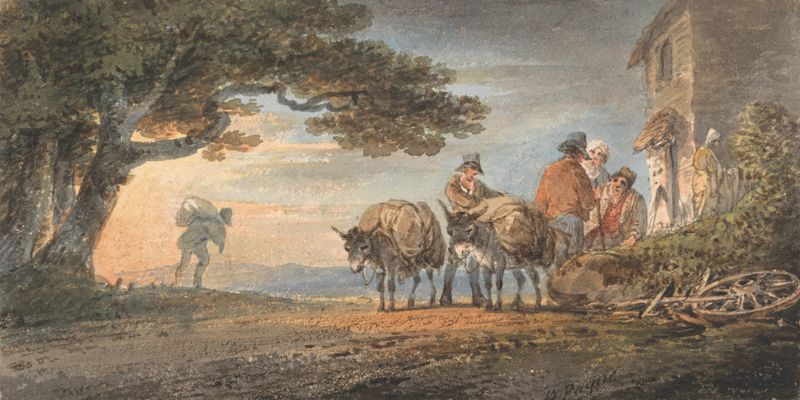
Drivers and Burros Resting at Sunset
William Payne
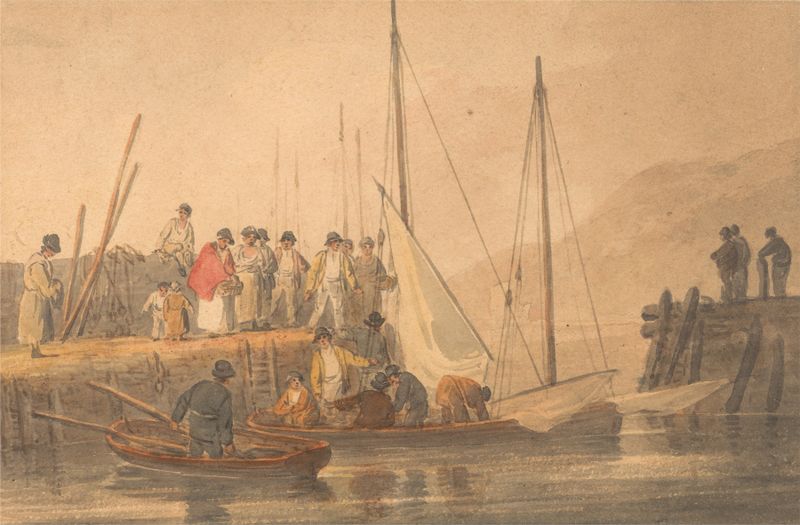
Torquay
William Payne





