
Mill on the Tavy — History & Facts
When did color learn to lie? In the interplay of hues and textures, one wonders if this tranquil landscape conceals truths beneath its vibrant facade. Focus on the water flowing in the foreground, where soft blues and greens swirl together, creating an illusion of movement that contrasts with the serene stillness of the mill beyond. Notice how the artist employs a delicate brushwork technique, allowing the reflections to dance upon the surface. The warm glow of the sun, golden and inviting, bathes the scene, drawing the viewer’s eye to the heart of the composition—the mill itself, standing steadfast amidst nature’s gentle chaos. The juxtaposition of the restless water and the stable structure of the mill evokes a conversation about permanence versus change.
The delicate play of light suggests a fleeting moment in time, inviting contemplation on the transient nature of life. Furthermore, the lush foliage enveloping the scene hints at the untamed beauty of the surrounding landscape, juxtaposed against human industry, creating a tension that resonates quietly in the viewer's mind. William Payne created this piece during a period characterized by the rise of the English landscape tradition in the late 18th century. Working primarily in the West Country, he sought to capture the picturesque beauty of rural life, often reflecting the romantic ideals of harmony between nature and human craftsmanship.
His work resonates with a time when artists began to explore the emotional depth of landscapes, setting the stage for a deeper appreciation of the natural world in art.
More Artworks by William Payne
Browse all →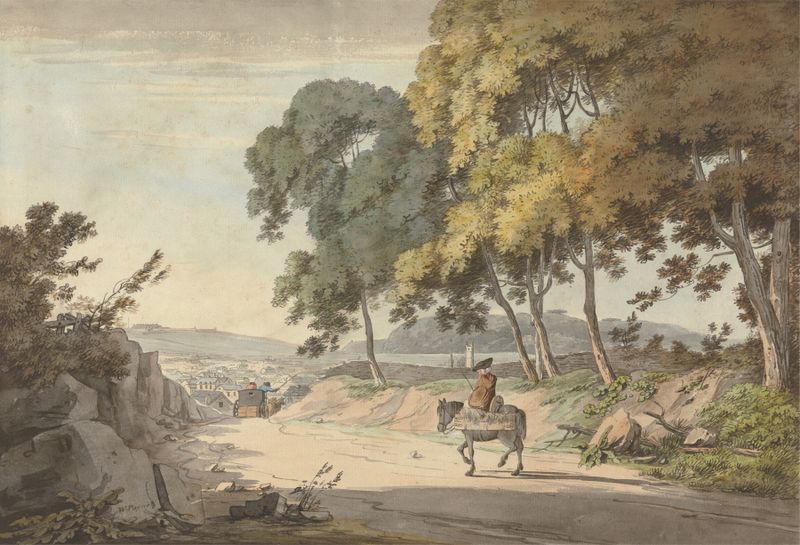
View of Plymouth taken from the Seven Trees, Exeter Road
William Payne

Britten Ferry, Mount Edgecombe
William Payne

Distant View of Exmouth from Exeter
William Payne
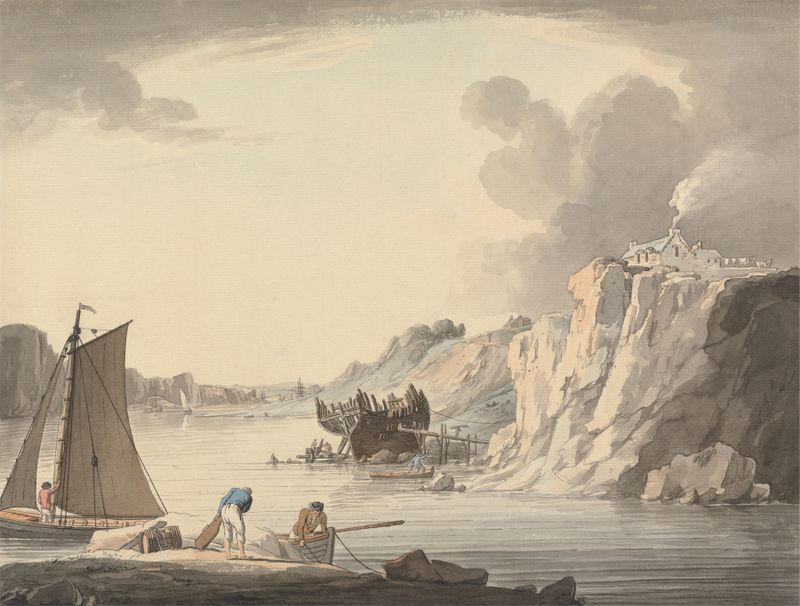
Entrance to Stonehouse Creek, between Plymouth and Dock, Devon
William Payne
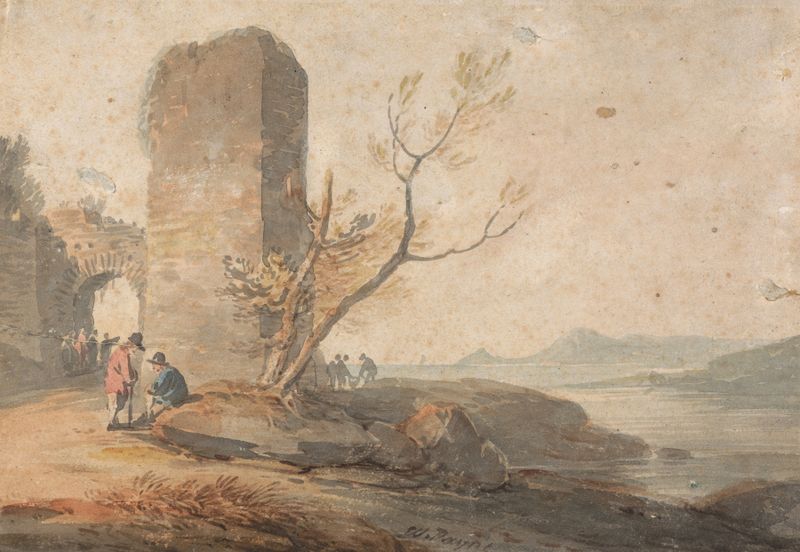
Figures by a Ruined Arch
William Payne
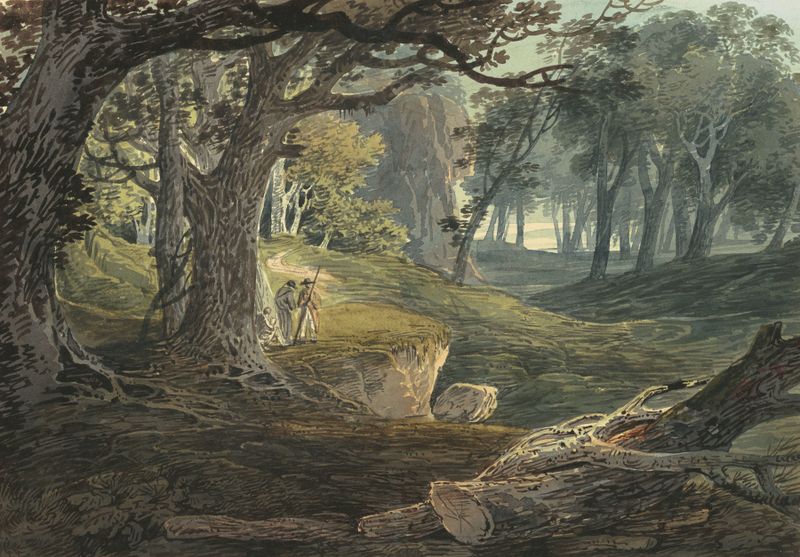
Travellers in a Woodland Glade
William Payne
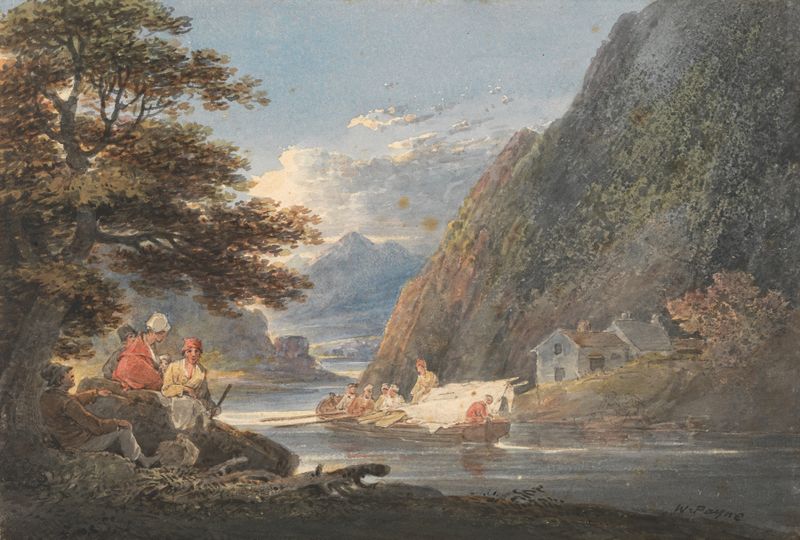
On the River Tivy, near Cardigan, Wales
William Payne
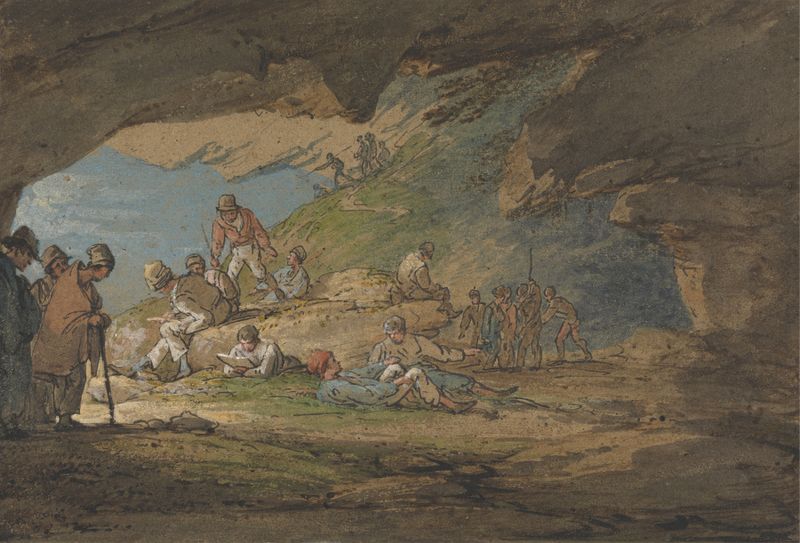
A Cave in Sunlight, with Figures
William Payne
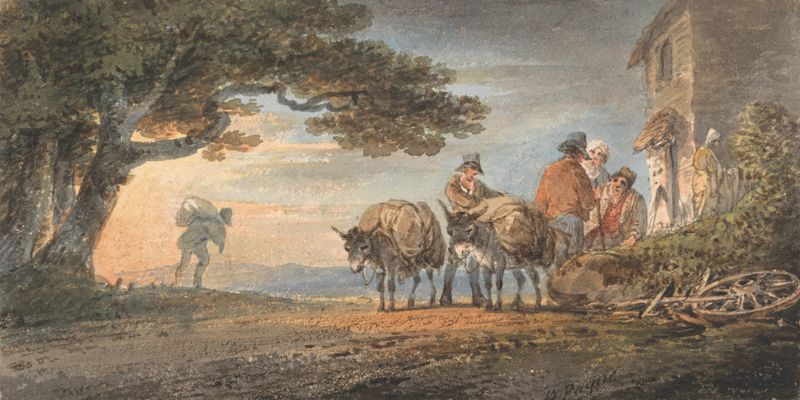
Drivers and Burros Resting at Sunset
William Payne
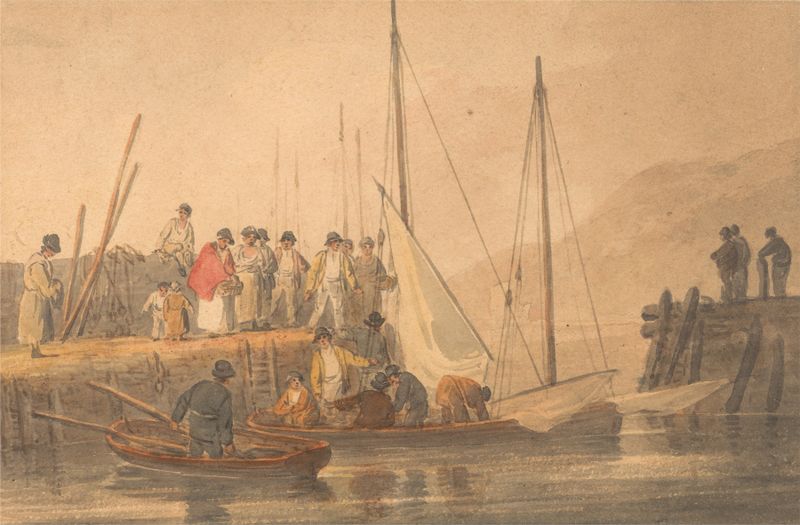
Torquay
William Payne





