
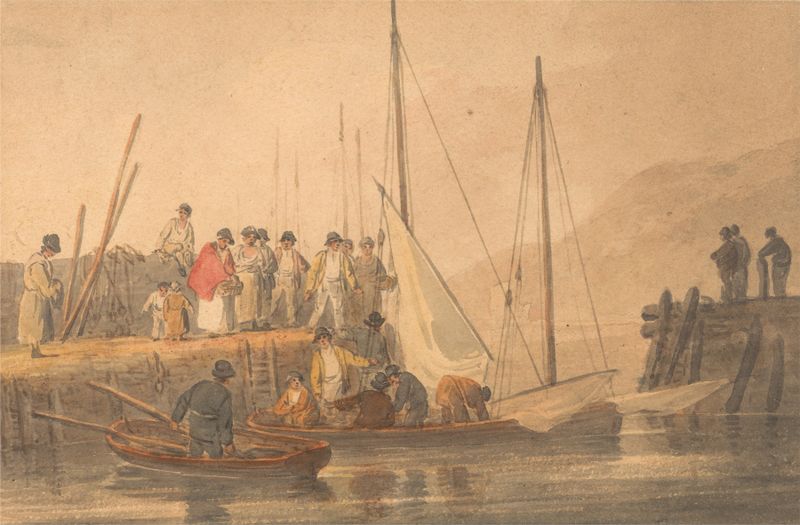
Britten Ferry, Mount Edgecombe — History & Facts
Where does light end, and longing begin? In the gentle embrace of twilight, the boundaries blur between the earthly and the divine, inviting us to ponder our place within nature’s vast, shimmering expanse. Look to the horizon where the fading sun casts a warm, golden glow over the water’s surface, creating a dance of light that guides your gaze. Notice how the soft blues and greens of the landscape intertwine with the fiery oranges and yellows of the sky, reflecting a serene balance between day and night. The brushwork is delicate yet confident, each stroke capturing the fleeting moment, while the undulating hills cradle the scene, evoking a sense of peace amid the ethereal beauty. Hidden in the interplay of colors, a deeper longing resonates.
The shimmering water suggests both a passage and a destination, a metaphor for life’s journey and the choices that shape it. The juxtaposition of light and shadow illustrates the duality of existence — joy intertwined with melancholy. Here, divinity whispers in the rustling leaves and gentle waves, urging us to reflect on our connections to the world and one another. William Payne painted this serene landscape during the late 18th century, a time when romanticism in British art began to emerge.
His works were often influenced by the natural beauty surrounding him, capturing the sublime spirit of the English countryside. As Payne sought to express the divine qualities of nature, Britten Ferry, Mount Edgecombe stands as a testament to his deep appreciation for the enchanting interplay of light and landscape.
More Artworks by William Payne
Browse all →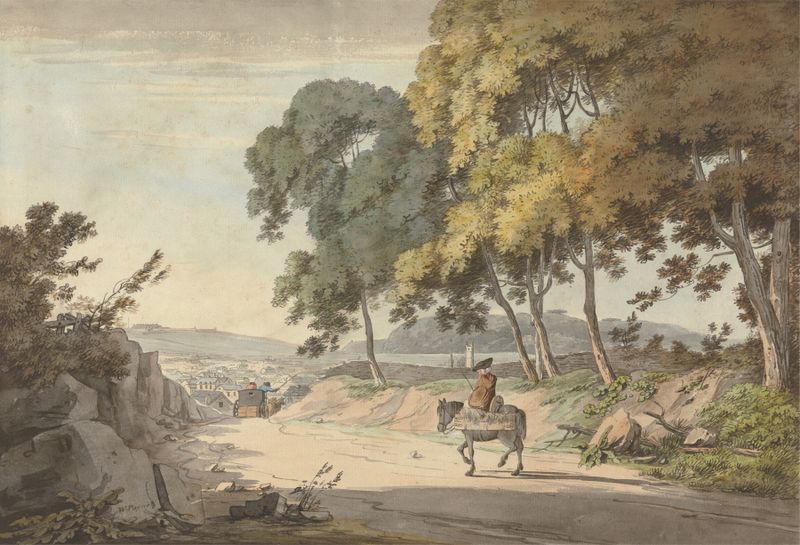
View of Plymouth taken from the Seven Trees, Exeter Road
William Payne
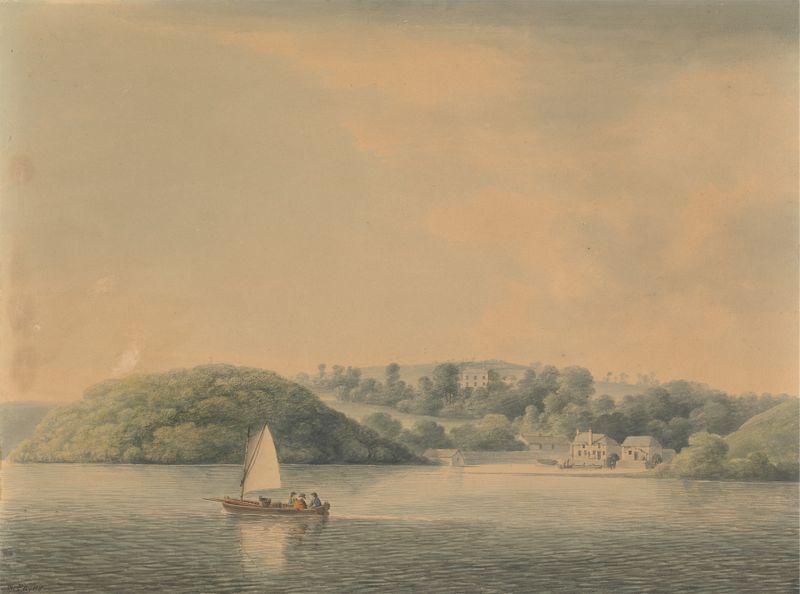
Mill on the Tavy
William Payne

Distant View of Exmouth from Exeter
William Payne
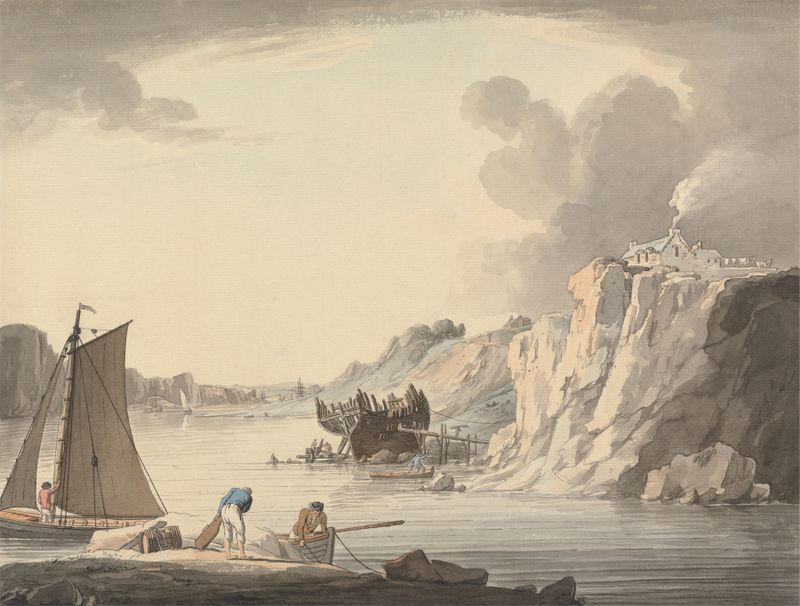
Entrance to Stonehouse Creek, between Plymouth and Dock, Devon
William Payne
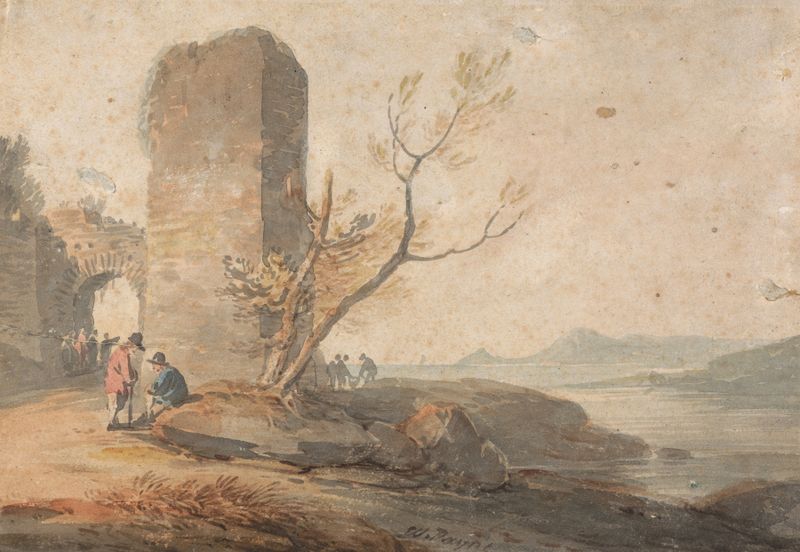
Figures by a Ruined Arch
William Payne
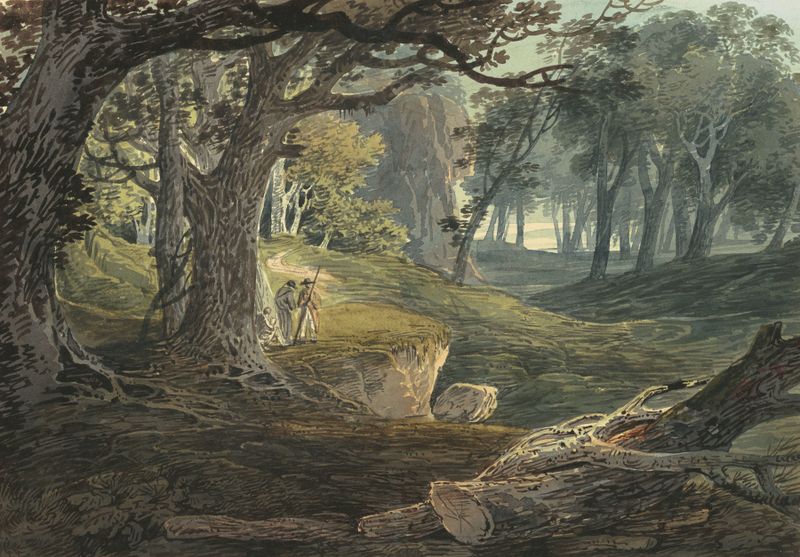
Travellers in a Woodland Glade
William Payne
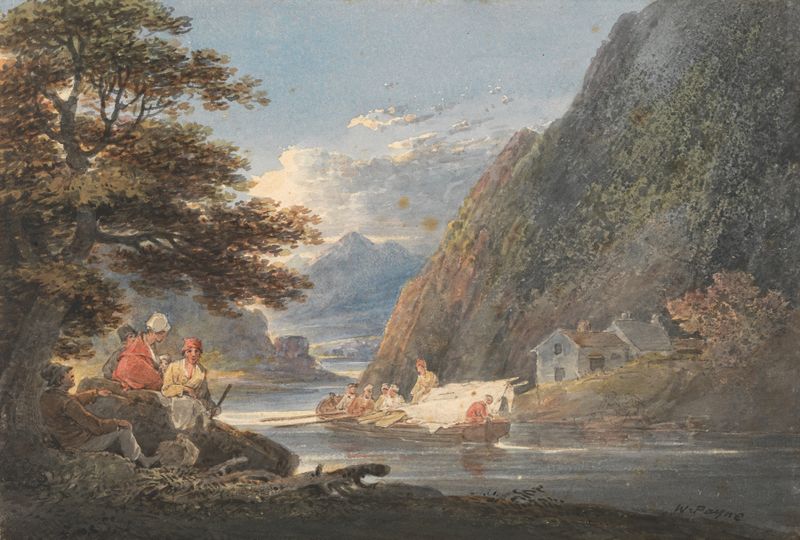
On the River Tivy, near Cardigan, Wales
William Payne
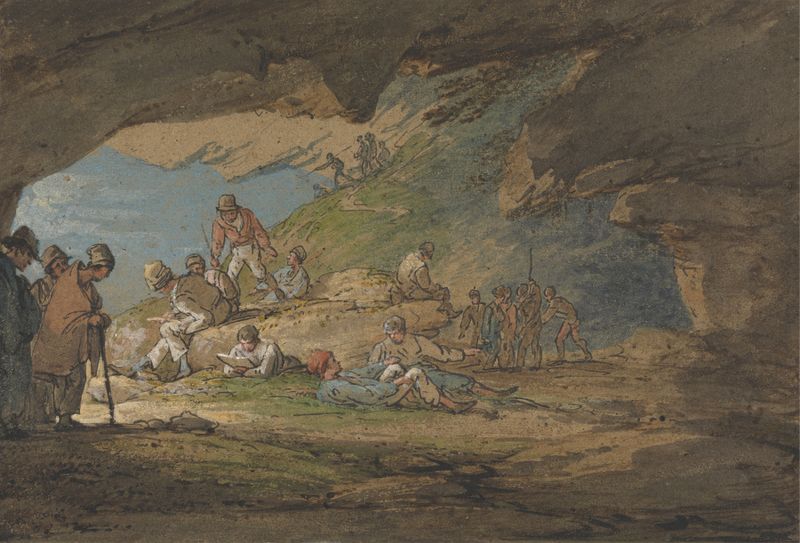
A Cave in Sunlight, with Figures
William Payne
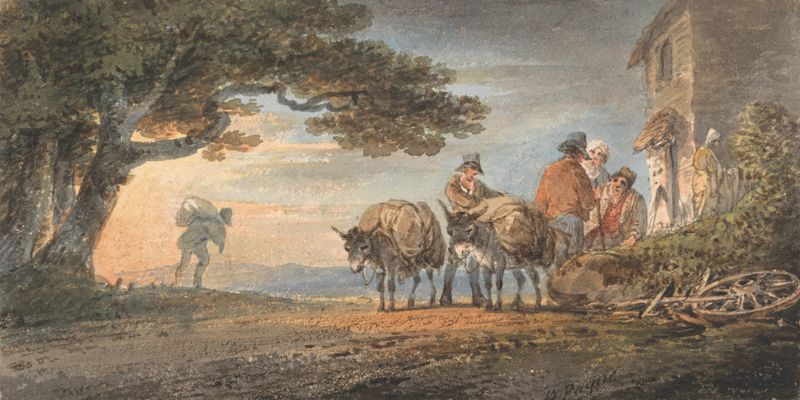
Drivers and Burros Resting at Sunset
William Payne
Torquay
William Payne





