
Torquay — History & Facts
In a fleeting moment of tranquility, a vista emerges from the canvas, inviting us to breathe deeply and find peace. It captures the essence of serenity, presenting a world untouched by haste, a reminder of the beauty in stillness. Direct your gaze to the expansive horizon first, where the gentle curve of land meets the soft, reflective waters. Notice how Payne employs a delicate palette of blues and greens, harmonizing the sky and sea into a seamless embrace.
The brushstrokes are fluid, evoking the rhythm of waves and the sigh of the breeze. Above, wispy clouds float, hinting at the passage of time, while patches of sunlight kiss the landscape, adding warmth and life to the serene composition. Look closer and discover the subtleties hidden within the serene expanse. The quietude of the scene belies a deeper emotional tension; the absence of figures suggests solitude, inviting contemplation.
Yet the vibrant colors and gentle movement of the brushstrokes imply an underlying joy in nature’s splendor. This is a depiction of a place where the chaos of the outside world ceases to exist, allowing the viewer to engage with their innermost thoughts and feelings. William Payne painted this work during a period in the late 18th century marked by a growing appreciation for natural landscapes. Living in England, amidst the Romantic movement, he sought to express the sublime beauty of the world around him.
This era embraced emotional depth in art, reflecting a shift from the neoclassical ideals that previously dominated. The tranquil essence captured in Torquay resonates with the spirit of its time, inviting us to seek solace in nature.
More Artworks by William Payne
Browse all →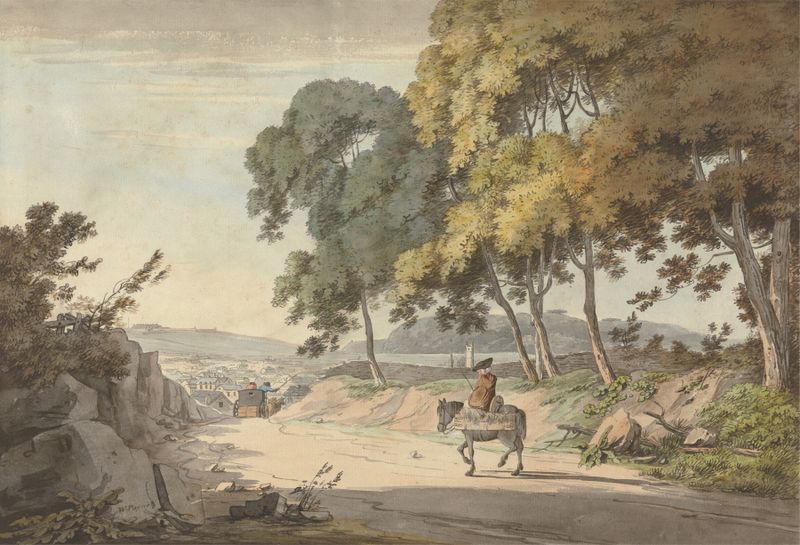
View of Plymouth taken from the Seven Trees, Exeter Road
William Payne

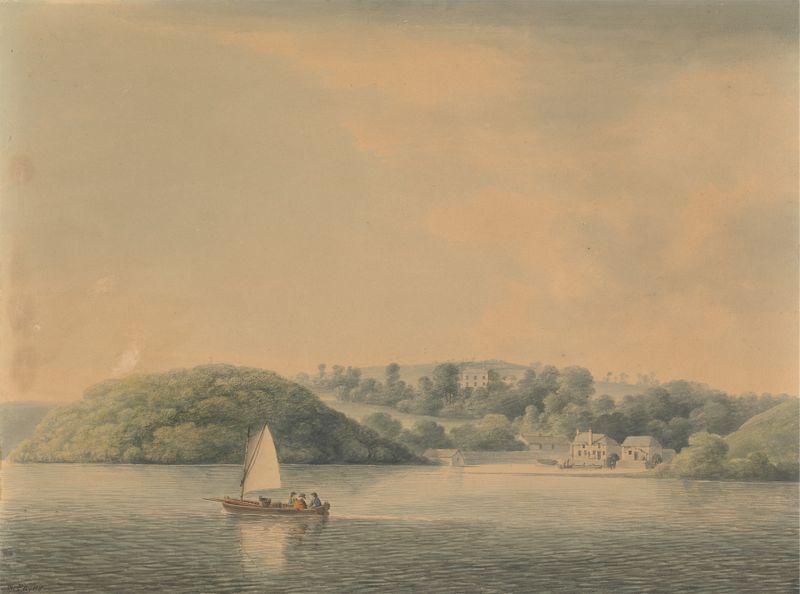
Britten Ferry, Mount Edgecombe
William Payne
Mill on the Tavy
William Payne

Distant View of Exmouth from Exeter
William Payne
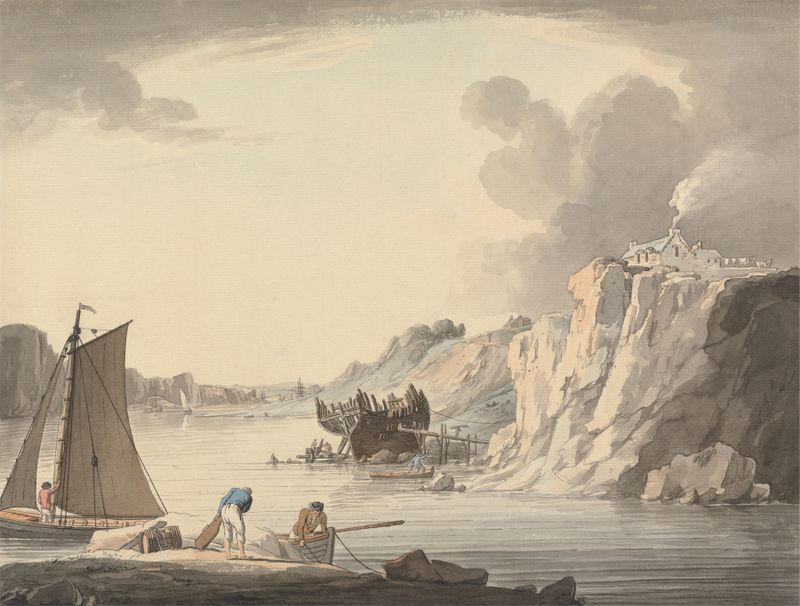
Entrance to Stonehouse Creek, between Plymouth and Dock, Devon
William Payne
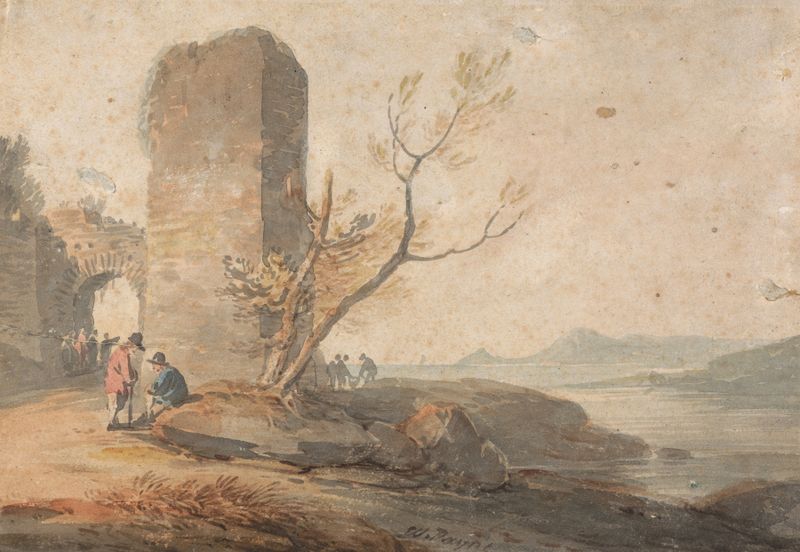
Figures by a Ruined Arch
William Payne
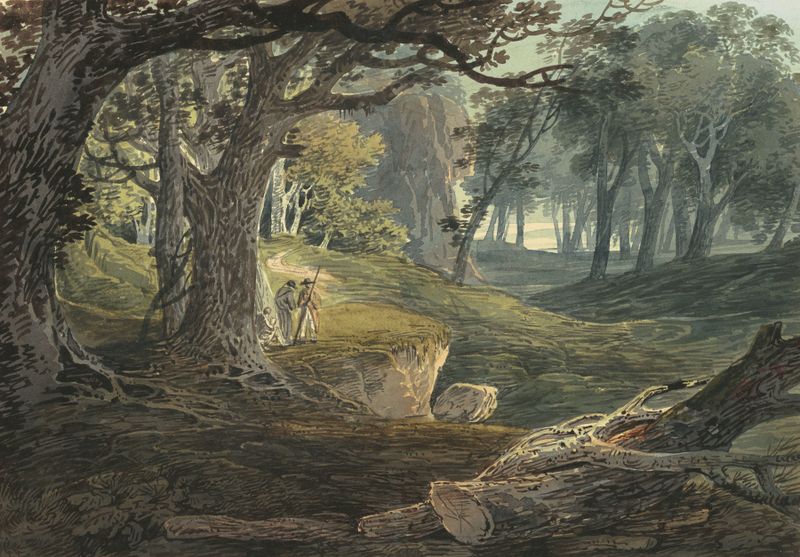
Travellers in a Woodland Glade
William Payne
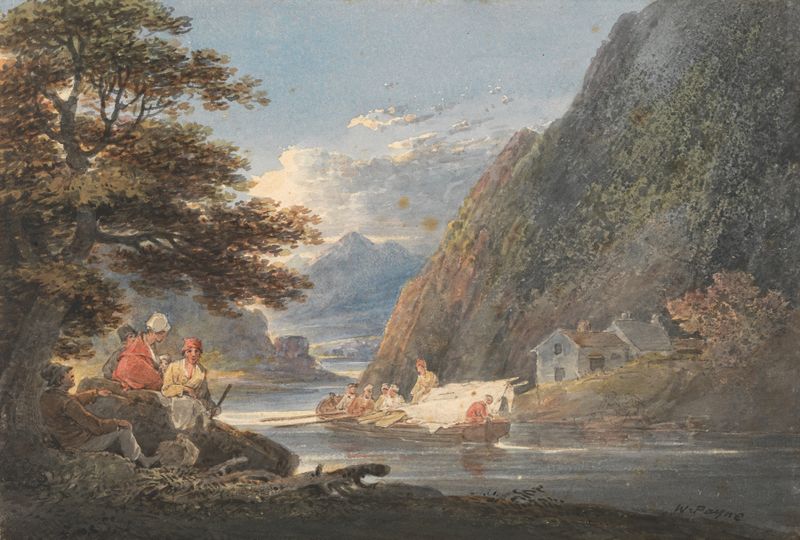
On the River Tivy, near Cardigan, Wales
William Payne
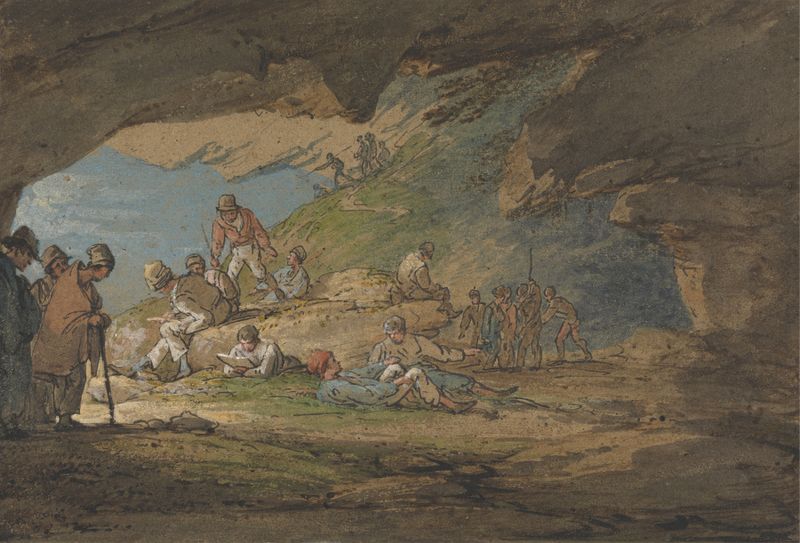
A Cave in Sunlight, with Figures
William Payne
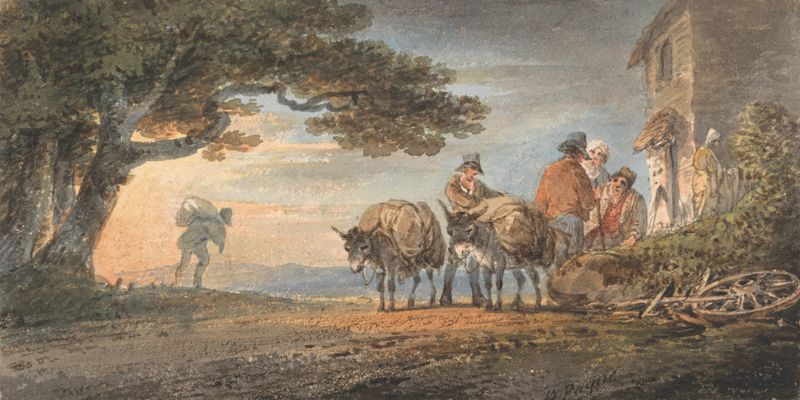
Drivers and Burros Resting at Sunset
William Payne





