
A convent at Amalfi near Salerno, Italy — History & Facts
Memory dances softly in this landscape, echoing the past while inviting our minds to wander. As we gaze upon the serene beauty captured in the frame, we are reminded of the gentle interplay between nature and human existence. Focus on the lower right corner, where the warm ochres and greens blend seamlessly into the rugged terrain. Notice how the artist masterfully depicts the sun-drenched convent, its white walls glowing against the verdant backdrop.
The soft brushstrokes create a sense of movement in the trees, imbuing the scene with a tranquility that seems to breathe. The composition invites you to ascend, guiding your eye from the tranquil water below to the ethereal heights of the Amalfi cliffs. Delve deeper into the emotional contrasts presented here—the harmony of the human-made structure set against the wild, untamed landscape. The convent, a symbol of refuge and spirituality, stands steadfast amidst the impermanence of nature, evoking a deep sense of nostalgia.
Scrutinize the shadows that stretch across the water, hinting at the passage of time and the memories that linger like the fading light of dusk. Each detail, from the rippling waves to the distant mountains, weaves together a tapestry that speaks to the fragility and beauty of memory itself. In 1808, while residing in Italy, Smith painted this work, a period marked by the Romantic movement’s surge in Europe. Amidst the evolving artistic landscape, he sought to blend nature with architectural elegance, reflecting a fascination with both sublime landscapes and the tranquility of human habitation.
This piece is emblematic of his exploration of light and atmosphere, indicative of the time's artistic pursuits.
More Artworks by John Warwick Smith
Browse all →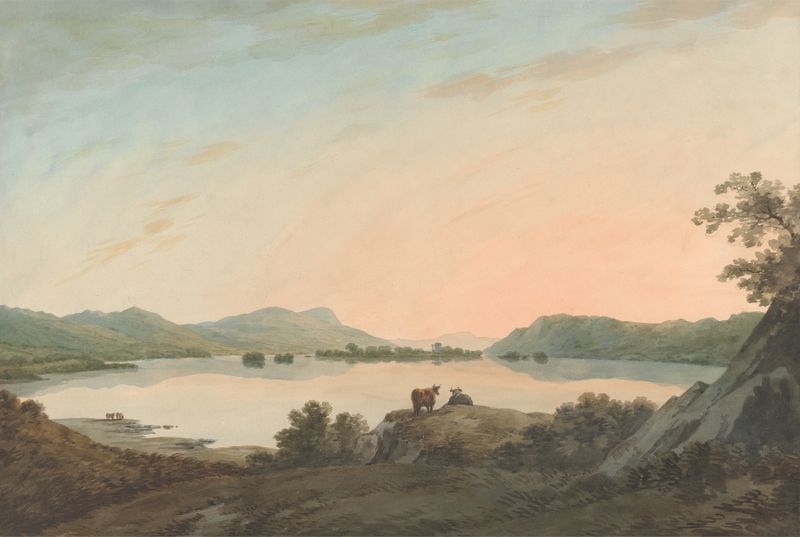
Lake Windermere from Calgarth with Belle Isle
John Warwick Smith
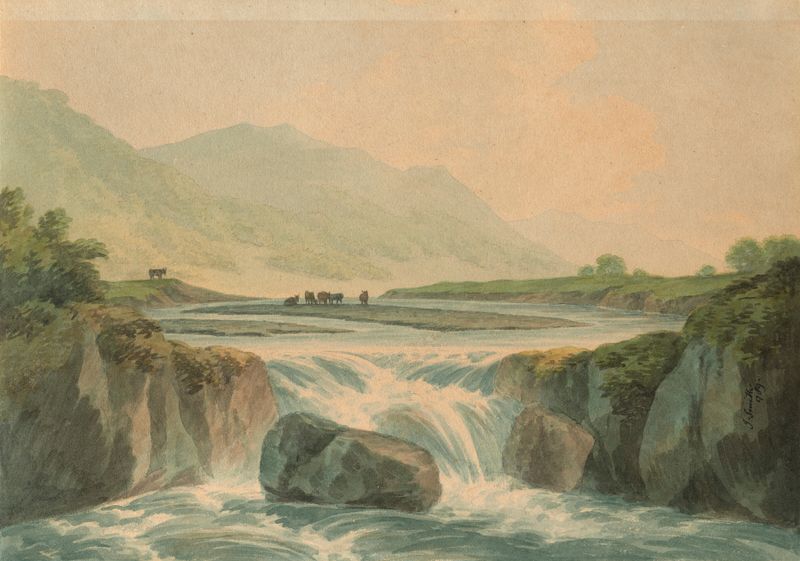
A waterfall on the River Rheidol, with cattle in the distance, North Wales
John Warwick Smith
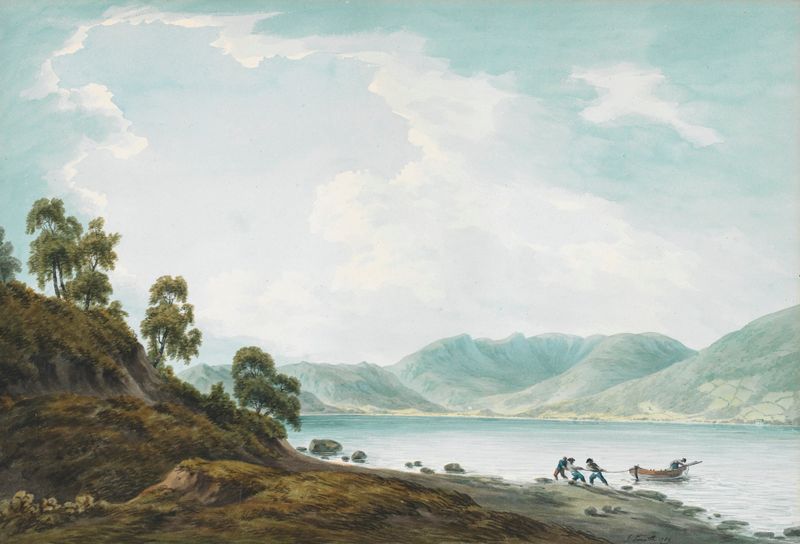
Head of Windermere from Belle Grange Farm
John Warwick Smith
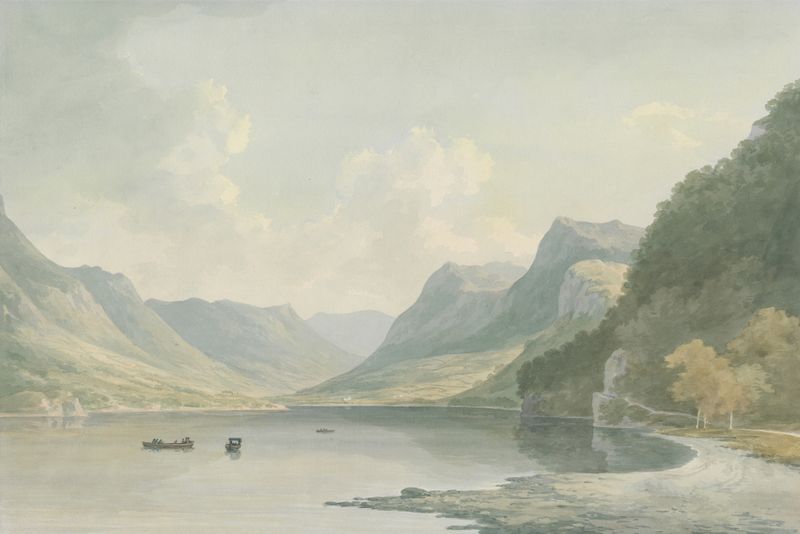
Ullswater, Looking toward Patterdale
John Warwick Smith
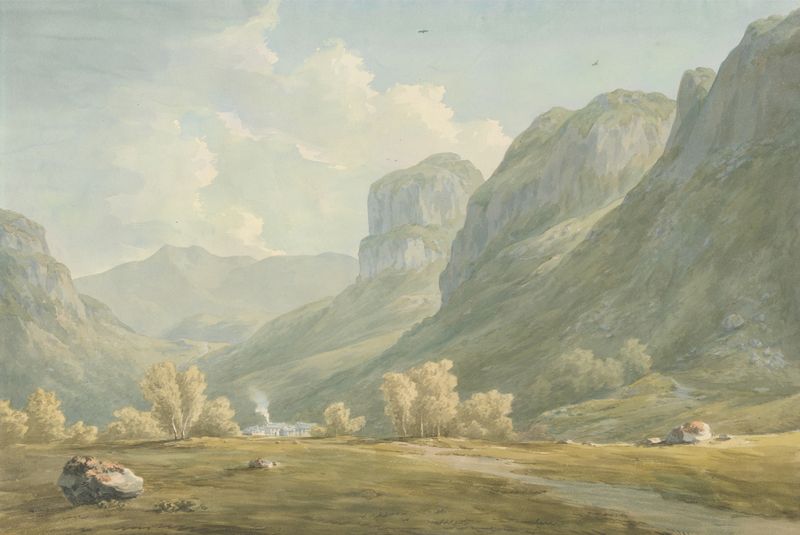
Village of Stonethwaite and Eagle Cragg, Borrowdale
John Warwick Smith
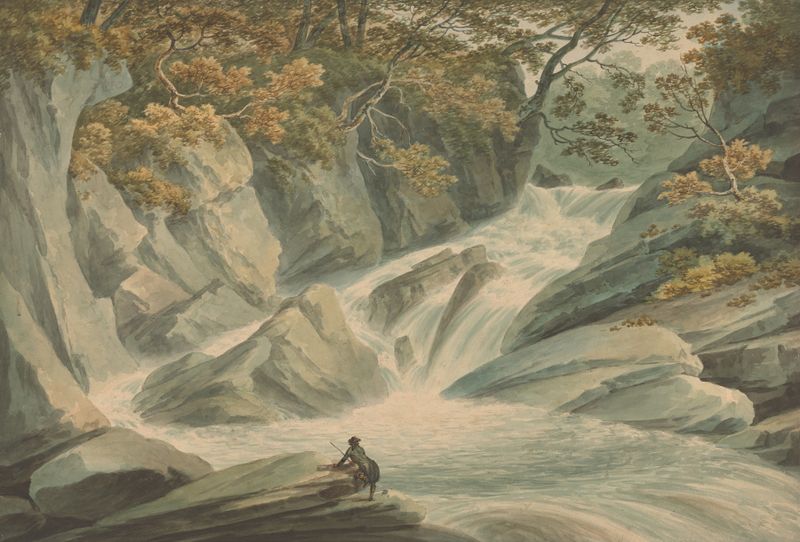
Hafod; Upper Part of Cascade
John Warwick Smith
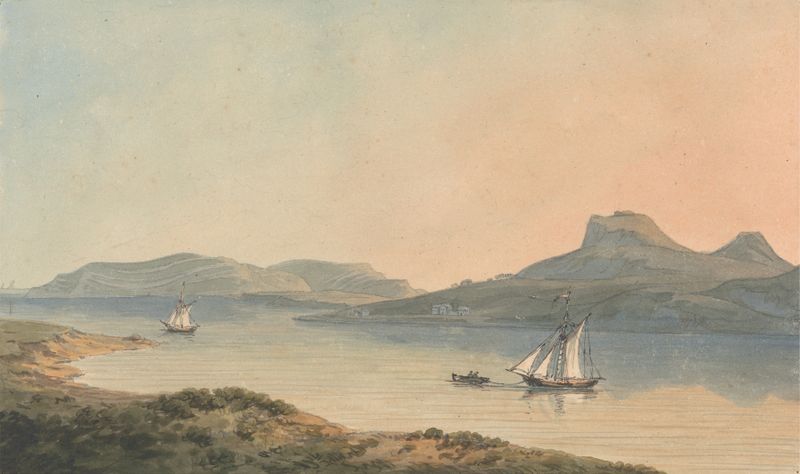
View of the Early Castle of Diganwy
John Warwick Smith
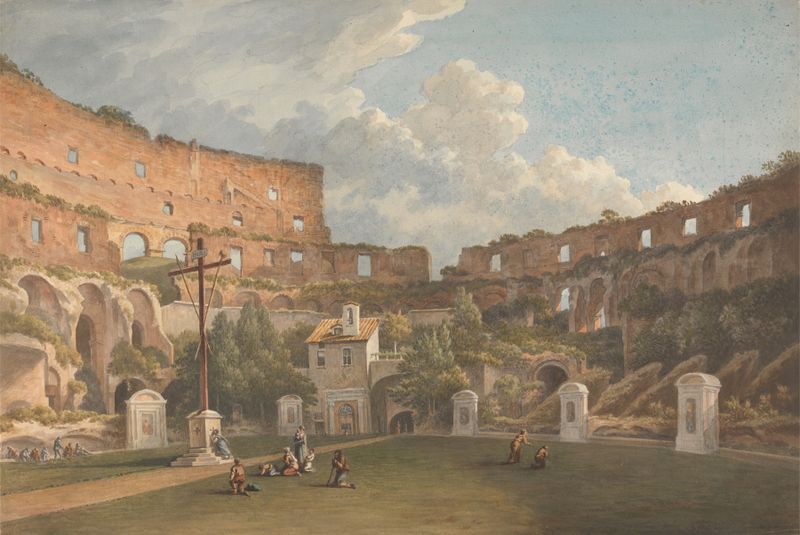
An Interior View of the Colosseum, Rome
John Warwick Smith
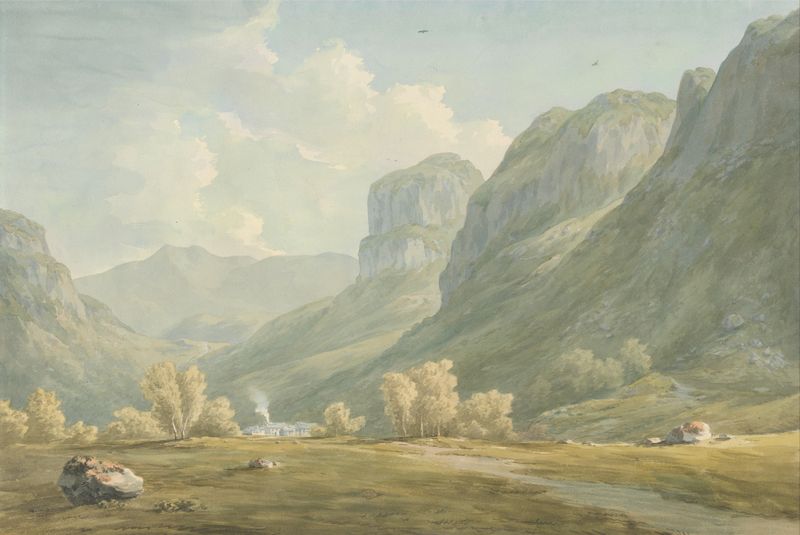
Village of Stonethwaite and Eagle Cragg, Borrowdale
John Warwick Smith
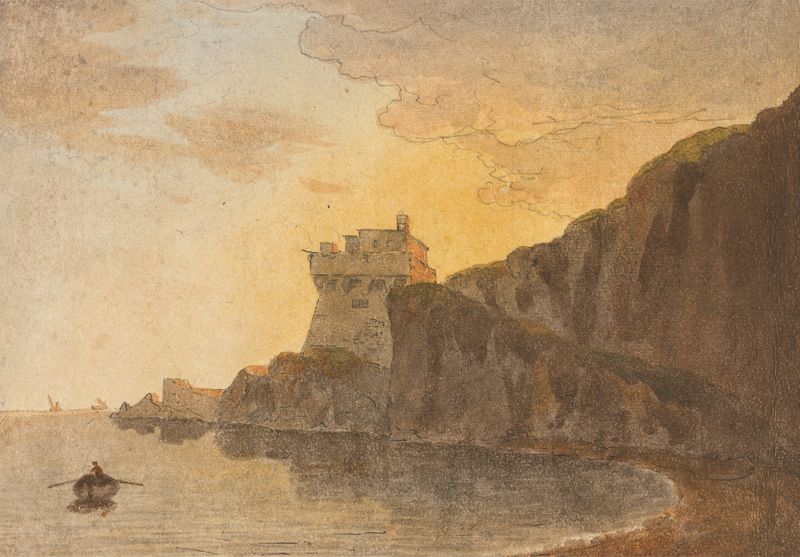
In the Bay of Salerno, near Vietri
John Warwick Smith





