
A Cup of Water and a Rose in a Plate of Silver — History & Facts
No one knows for certain why Francisco de Zurbarán painted A Cup of Water and a Rose in a Plate of Silver—or even for whom. What is remarkable, however, is that this small, almost austere still life stands alone in his oeuvre, a rare example of pure still life by an artist famed for saints and monks. Scholars have long debated whether the painting was intended as a devotional image, a private commission, or simply an exercise in quiet virtuosity.
Its mysterious origins have only heightened its allure, with some suggesting that it may once have formed part of a lost triptych, paired with other meditative objects. Zurbarán chooses a moment of absolute stillness: a simple, transparent glass of water, a single rose, and a silver plate, all bathed in a cool, raking light. The objects are rendered with an almost monastic precision, each detail—petal, droplet, reflection—carefully observed. The rose, a traditional symbol of the Virgin Mary, and the water, echoing purity and humility, invite a spiritual reading, as if these humble items might serve as a silent prayer.
The silver plate’s mirrored surface catches the light and the faintest hint of the rose’s reflection, recalling the quiet drama of Juan Sánchez Cotán’s still lifes, but with a softer, more intimate touch. In Zurbarán’s hands, the everyday becomes quietly luminous, inviting contemplation. The painting’s early history remains uncertain, as no commission records survive, and its whereabouts were untraced for centuries. It resurfaced in the 20th century, by which time it was recognized as a rare jewel of Spanish still life and attributed securely to Zurbarán.
Today, it is celebrated as a singular example of his ability to imbue simple objects with a sense of presence and meaning. The work is now housed in the Museo del Prado, where it stands as a testament to the quiet power of observation and the spiritual resonance of the ordinary. For Zurbarán, whose career was defined by religious imagery, this painting is a unique meditation in paint—an object lesson in seeing.
More Artworks by Francisco de Zurbarán
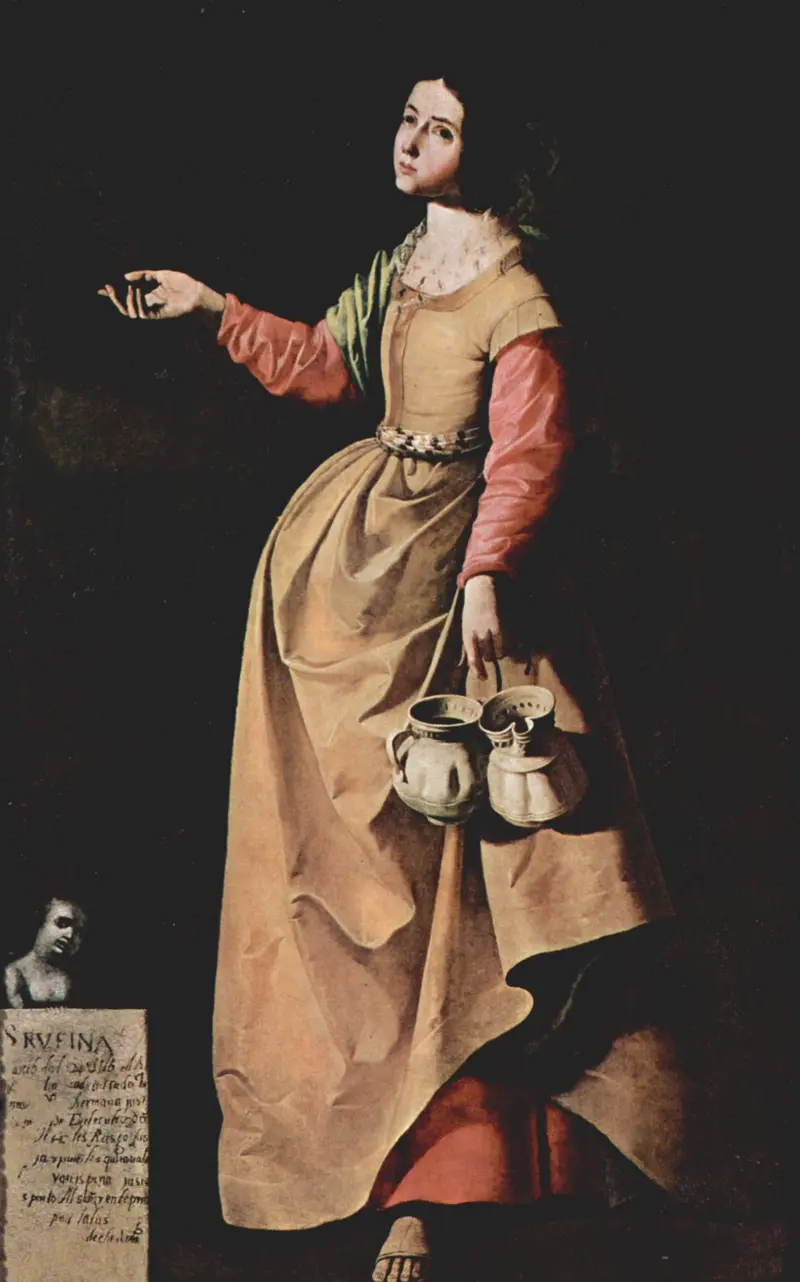
Saint Rufina
Francisco de Zurbarán
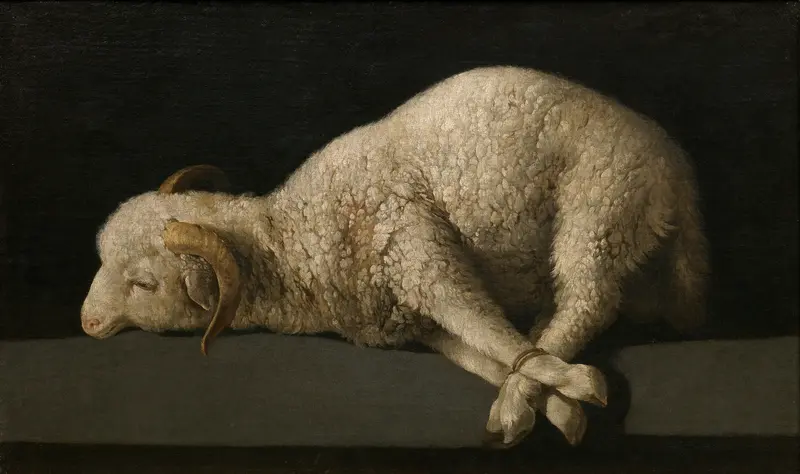
Agnus Dei
Francisco de Zurbarán
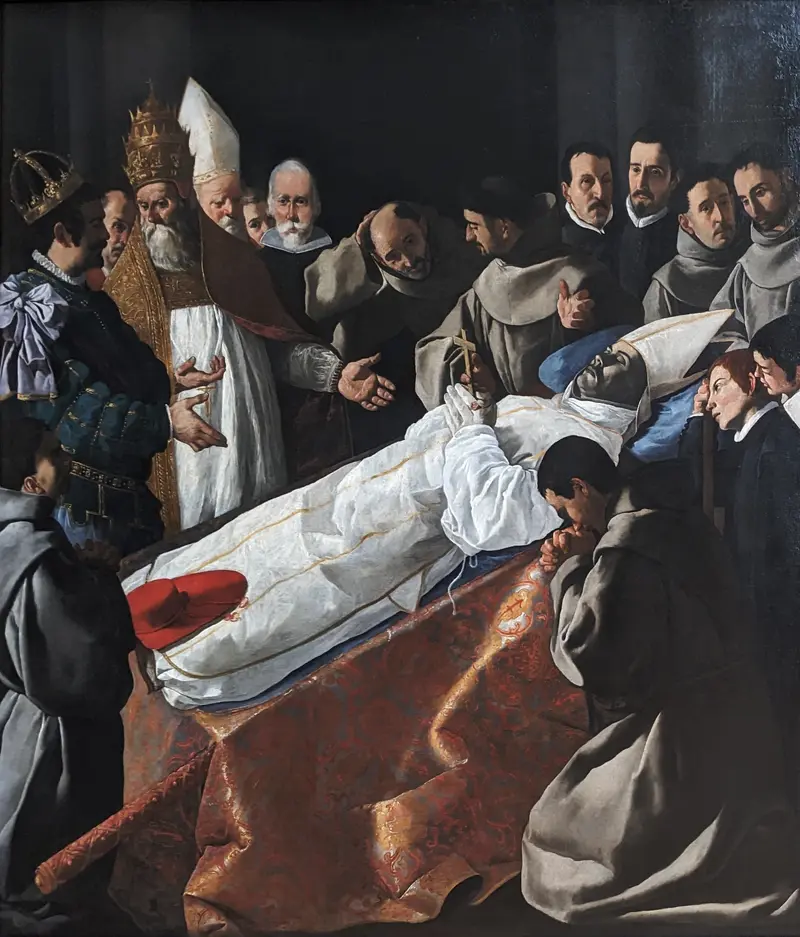
Saint Bonaventure's Body Lying in State
Francisco de Zurbarán
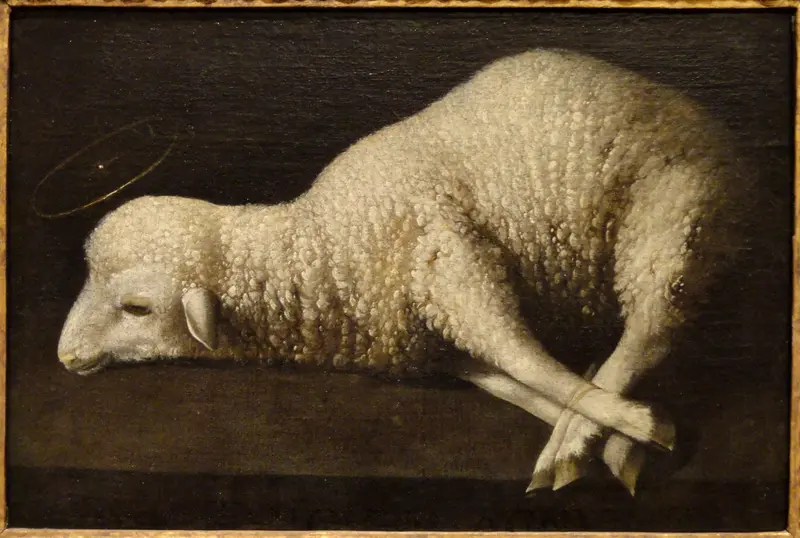
The Lamb of God
Francisco de Zurbarán

Adoration of the Magi
Francisco de Zurbarán
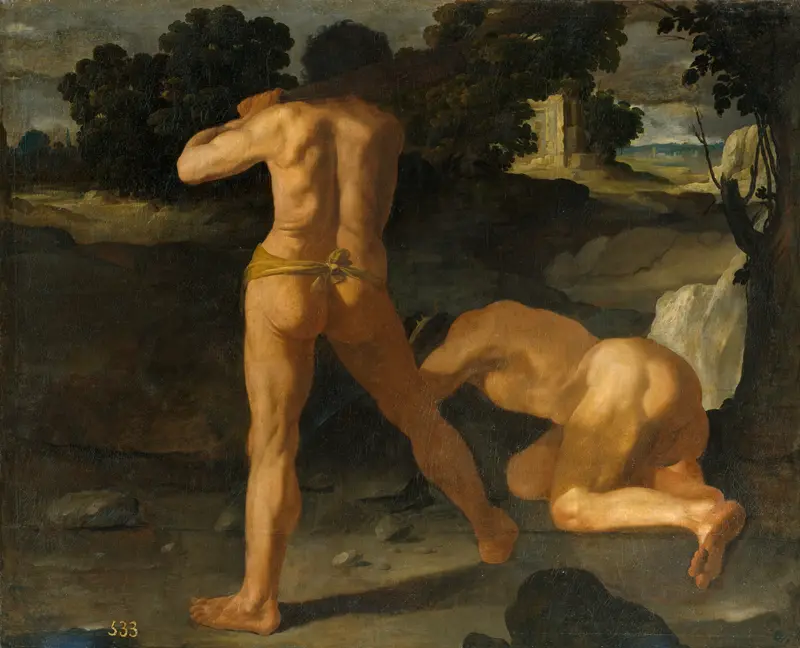
Hercules defeats King Geryon
Francisco de Zurbarán
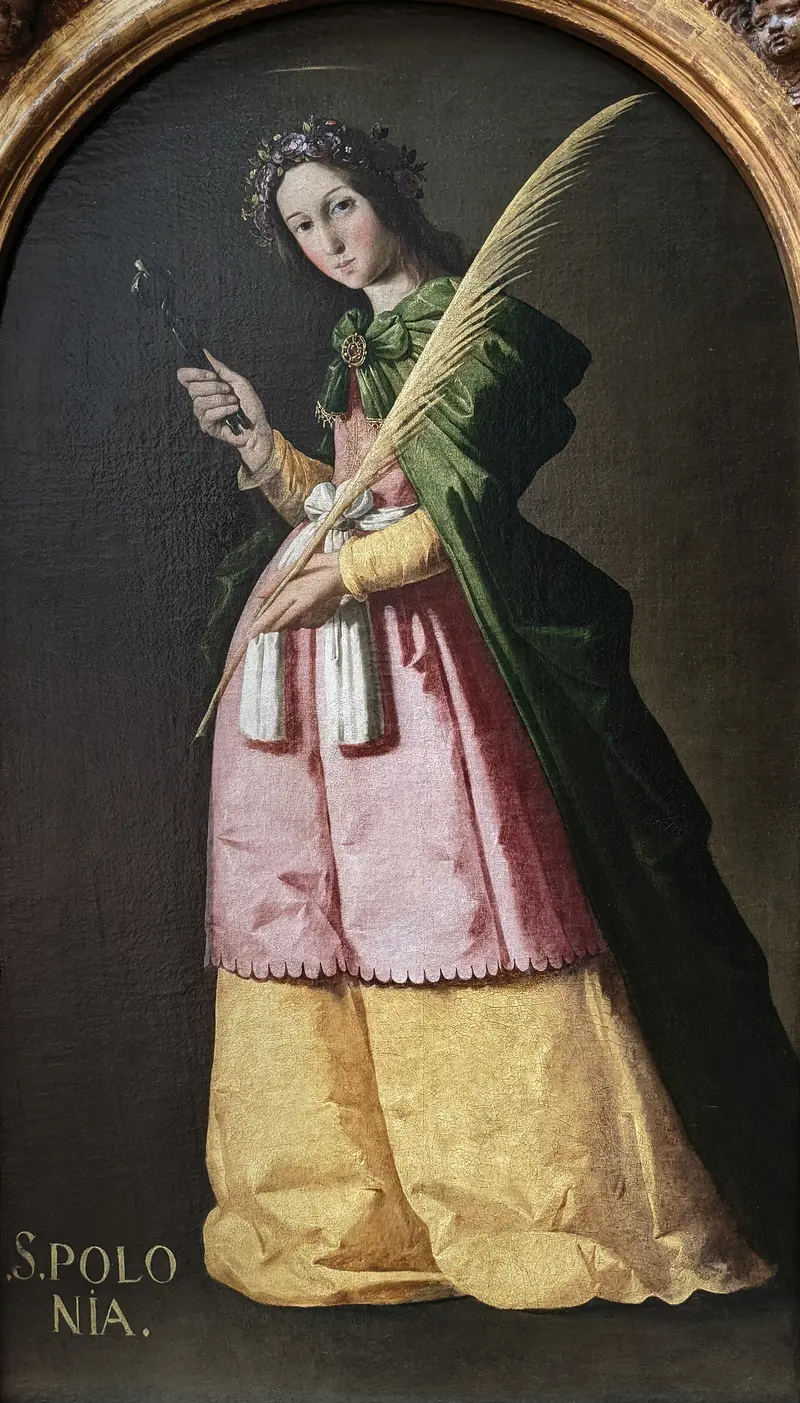
Saint Apollonia
Francisco de Zurbarán
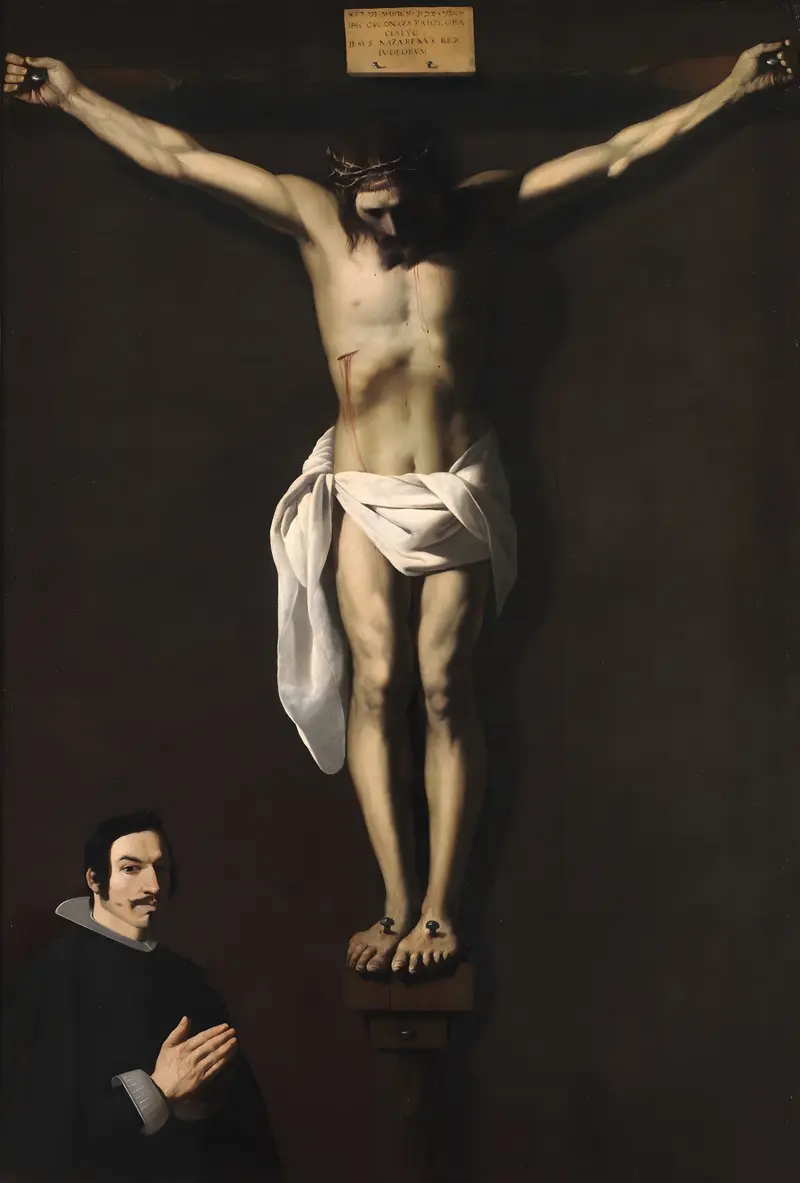
The Crucified Christ with a Donor
Francisco de Zurbarán
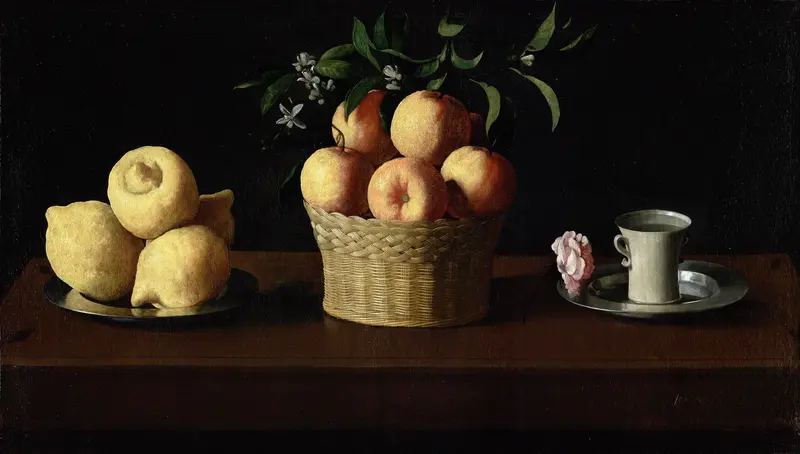
Still Life with Lemons, Oranges and a Rose
Francisco de Zurbarán
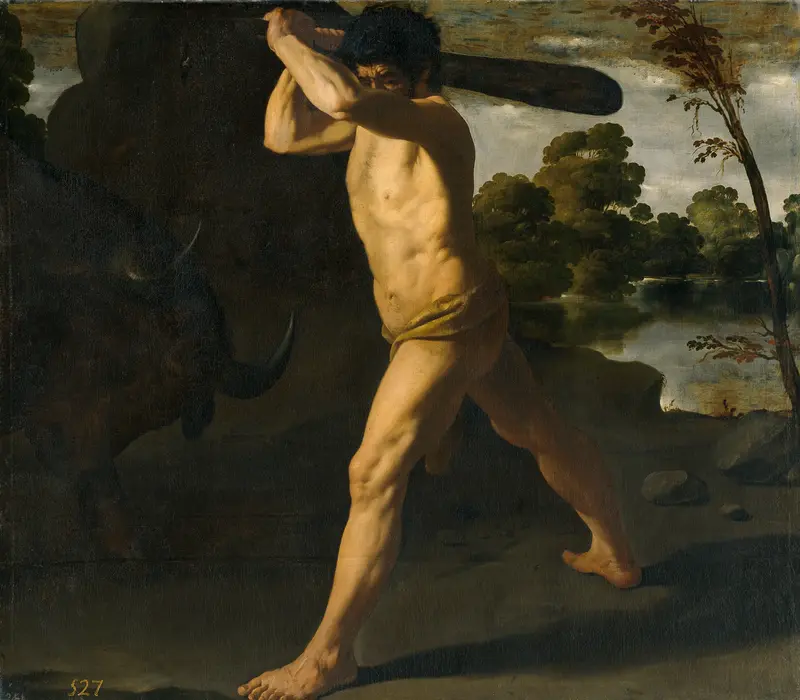
Hercules and the Cretan Bull
Francisco de Zurbarán





