
Hercules and the Cretan Bull — History & Facts
In 1634, Francisco de Zurbarán was commissioned by Philip IV of Spain to paint a series of ten large canvases depicting the Labors of Hercules for the Hall of Realms in the Buen Retiro Palace, a new royal residence in Madrid. This ambitious project was part of a broader political program: Hercules, the mythical hero, was claimed as an ancestor of the Spanish royal family, and his feats were meant to symbolize the virtues and power of the monarchy. The paintings, including Hercules and the Cretan Bull, were intended not just as decoration, but as a visual manifesto of royal authority and divine right. Zurbarán captures the moment when Hercules, sent by King Eurystheus, subdues the wild Cretan Bull as his seventh labor.
The hero, rendered with monumental solidity, grips the beast’s horns, his muscles tensed in a contest of strength and will. The bull’s eyes roll in terror, while Hercules’ determined gaze fixes on his quarry, suggesting both struggle and inevitability. The stark, almost sculptural lighting carves the figures from the shadowy background, a hallmark of Zurbarán’s style and a dramatic contrast to the more theatrical, crowded interpretations by artists like Antonio del Castillo.
The landscape is barren, focusing attention on the physical and moral drama unfolding in the foreground. Today, Hercules and the Cretan Bull remains in Madrid, part of the collection of the Museo del Prado, along with the other surviving canvases from Zurbarán’s Hercules series. Over the centuries, the painting has endured changes in taste and the dispersal of the Buen Retiro Palace’s treasures, but its attribution to Zurbarán has never been seriously questioned. This series marks a rare foray into mythological subjects for an artist better known for his religious works and still lifes, demonstrating his ability to translate the heroic into the language of Spanish Baroque painting.
The canvas stands as both a relic of royal ambition and a testament to Zurbarán’s unique vision.
More Artworks by Francisco de Zurbarán
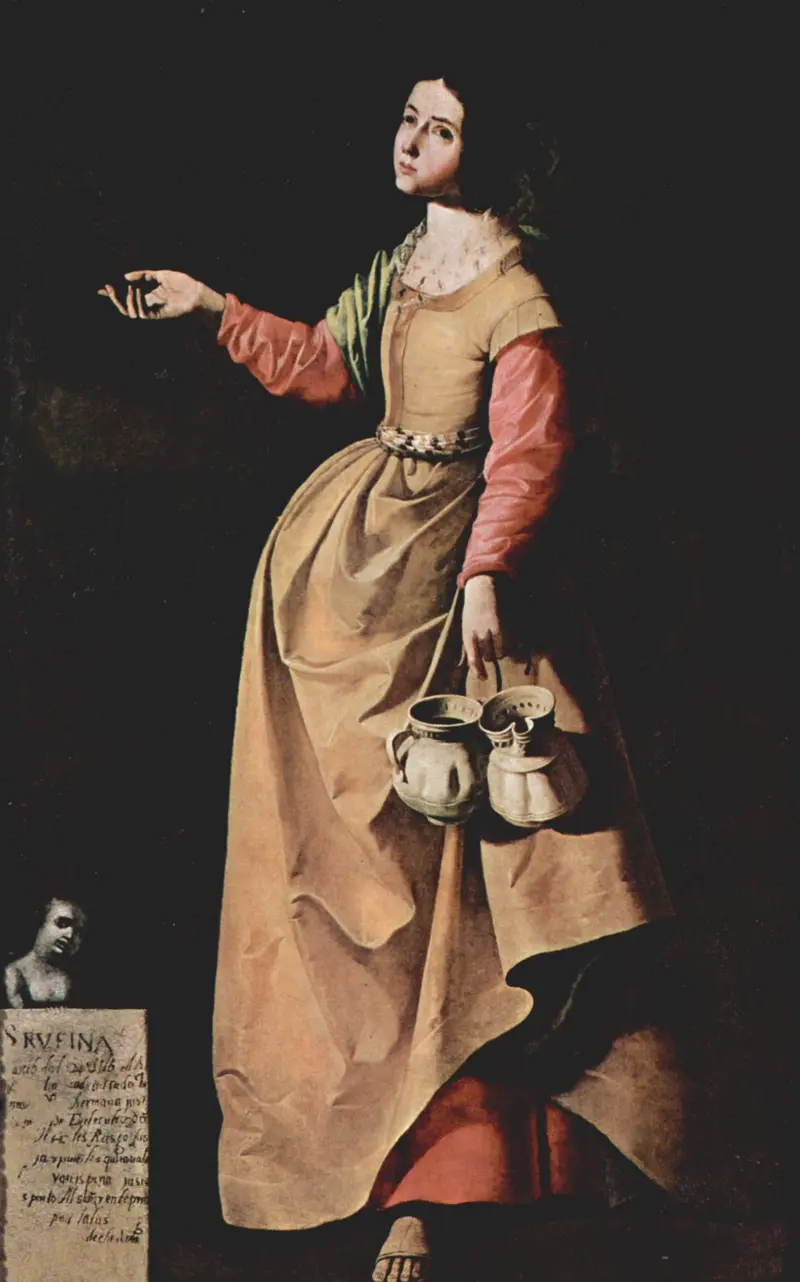
Saint Rufina
Francisco de Zurbarán
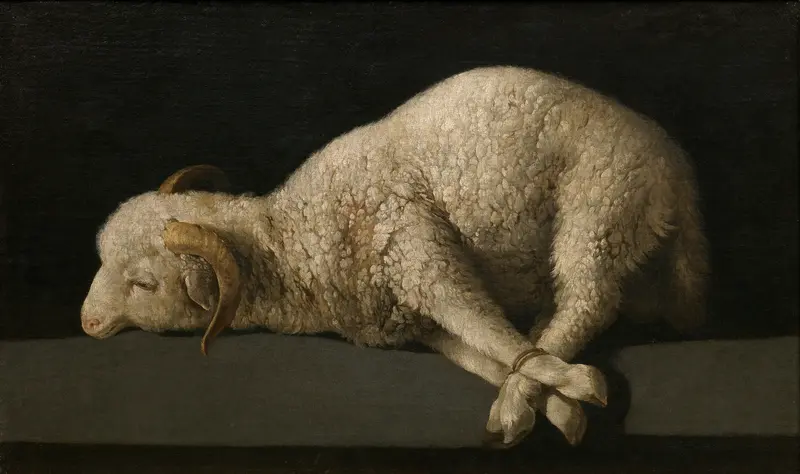
Agnus Dei
Francisco de Zurbarán
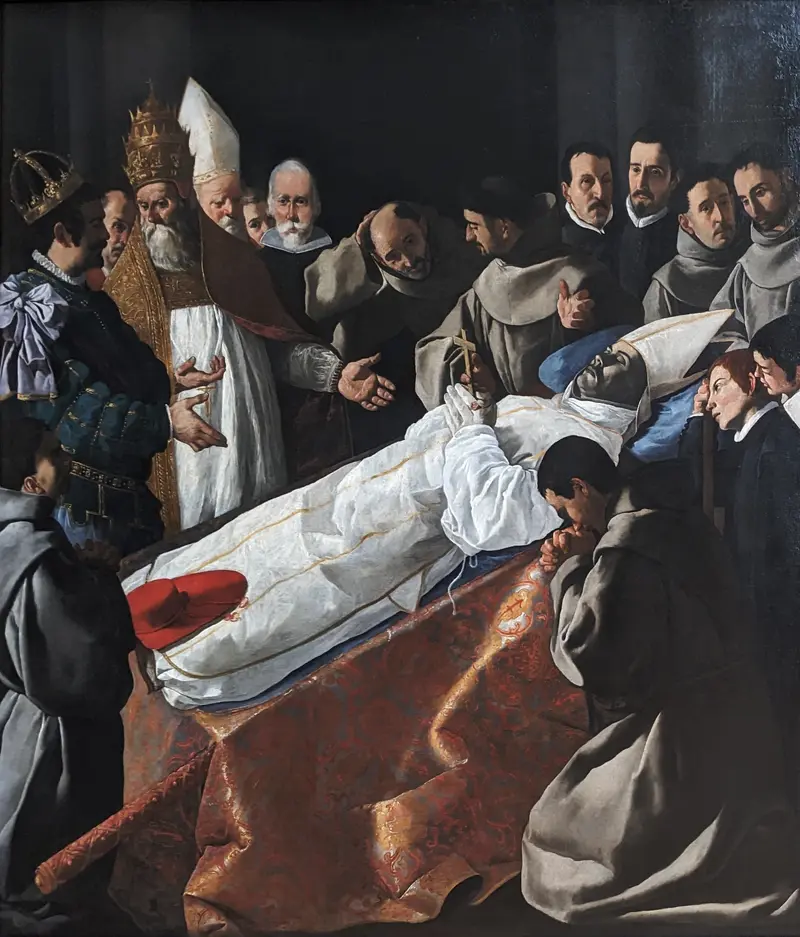
Saint Bonaventure's Body Lying in State
Francisco de Zurbarán
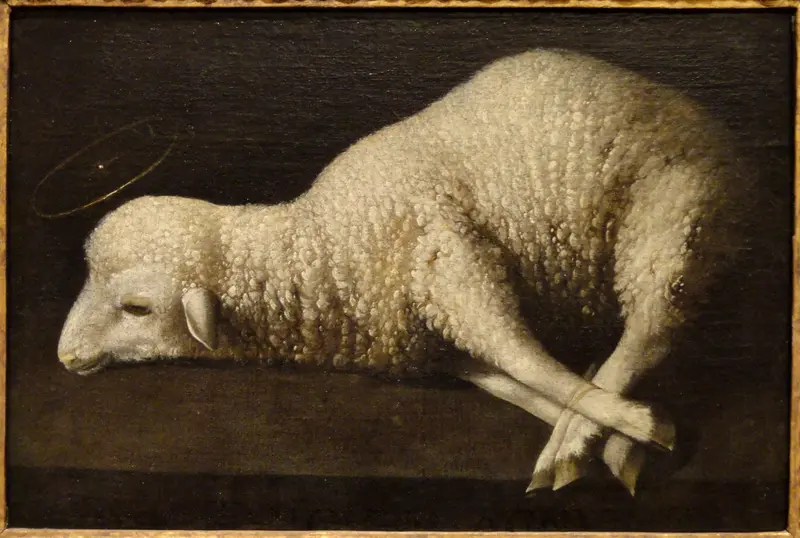
The Lamb of God
Francisco de Zurbarán

Adoration of the Magi
Francisco de Zurbarán
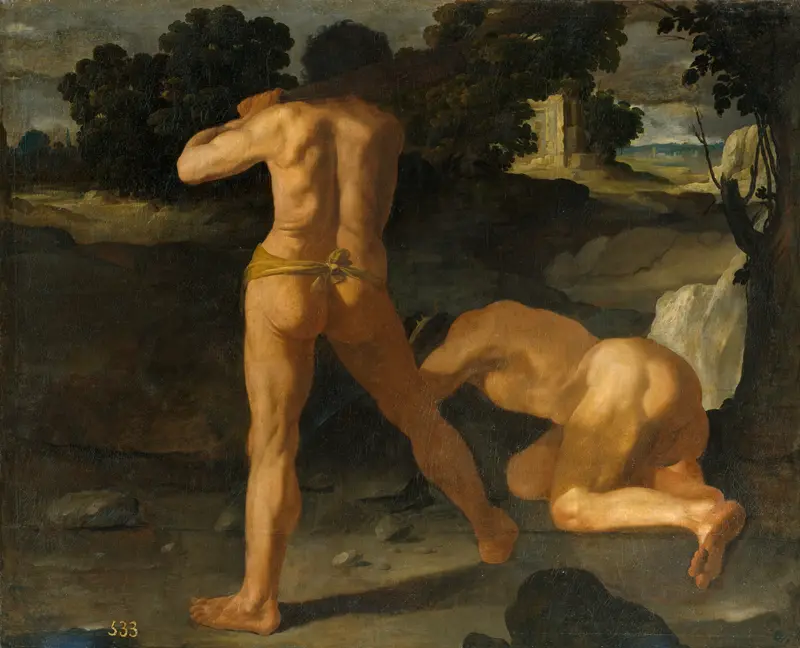
Hercules defeats King Geryon
Francisco de Zurbarán
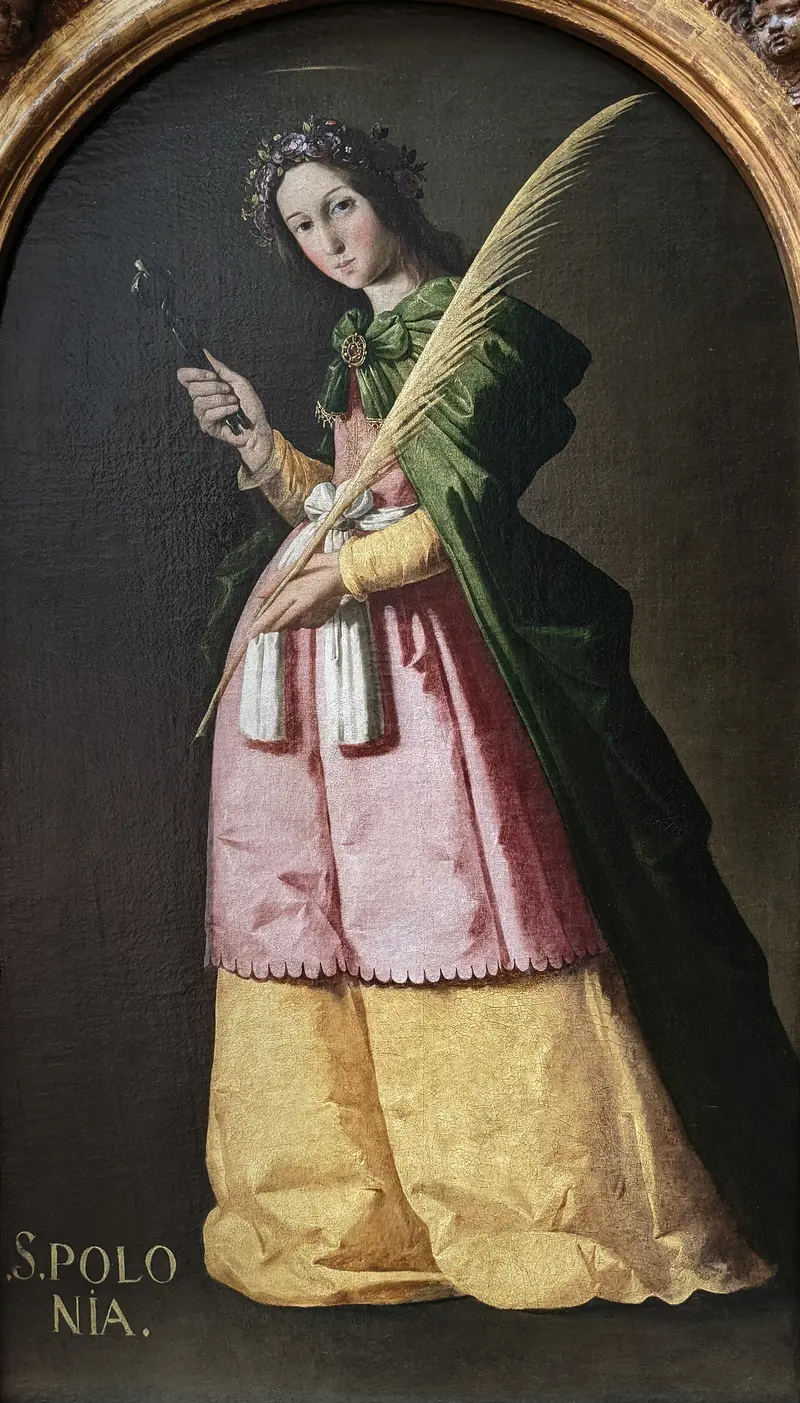
Saint Apollonia
Francisco de Zurbarán
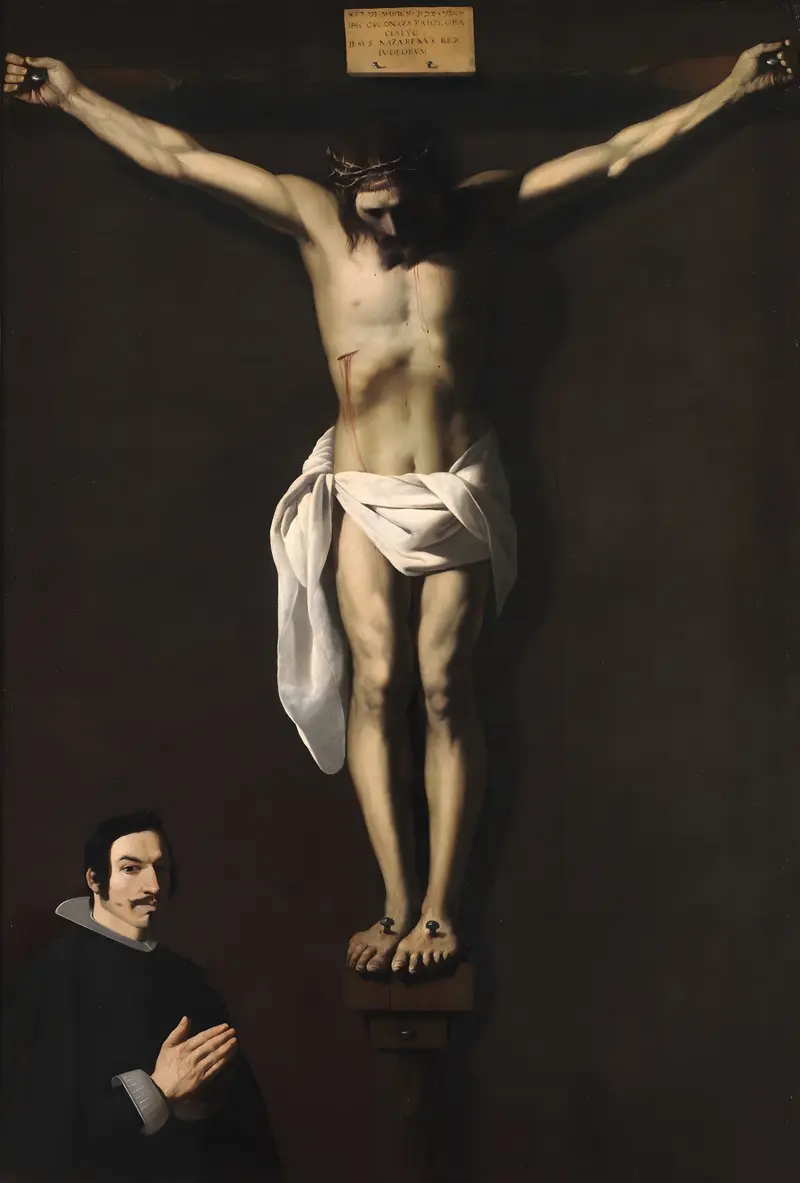
The Crucified Christ with a Donor
Francisco de Zurbarán
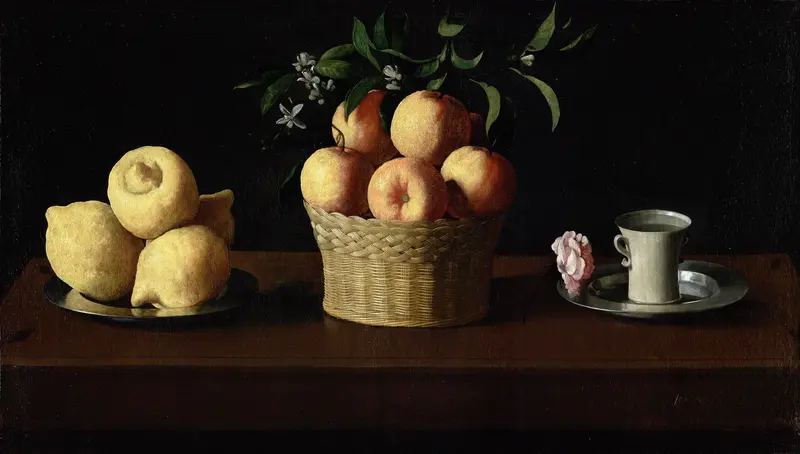
Still Life with Lemons, Oranges and a Rose
Francisco de Zurbarán
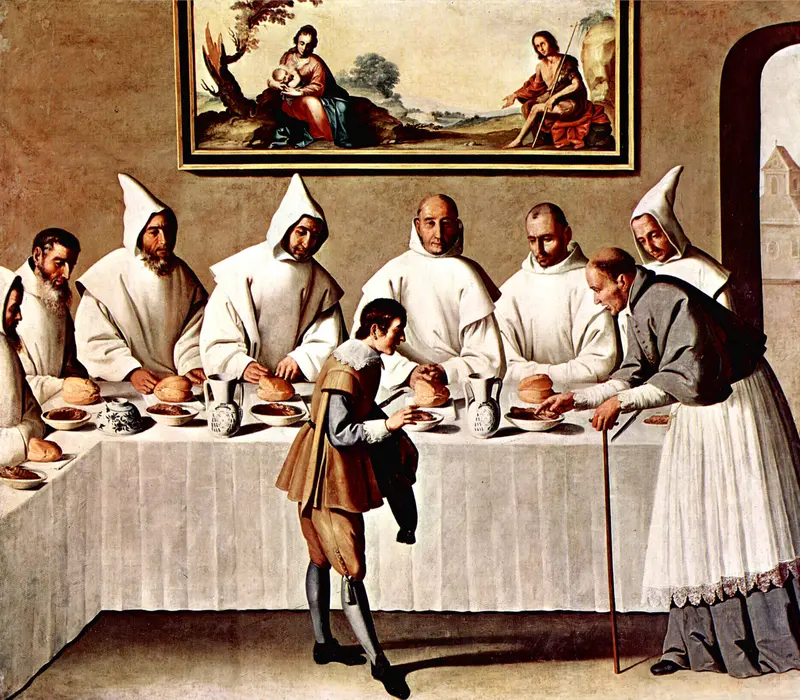
Saint Hugh in the Carthusian Refectory
Francisco de Zurbarán





