
Adoration of the Magi — History & Facts
In 1638, the city of Lima in Peru commissioned a suite of paintings from Francisco de Zurbarán, a leading figure of the Spanish Baroque, for the high altar of the Monastery of the Incarnation. Among these was Adoration of the Magi, a work that would travel across the Atlantic, bridging continents and faiths at the height of Spain’s colonial reach. This commission marked one of the earliest instances of Zurbarán’s art being sent to the New World, a testament to his growing international reputation and the global ambitions of Spanish religious orders. At the heart of Adoration of the Magi stands the Virgin Mary, serene and luminous, presenting the Christ Child to the three Magi who kneel in reverence.
Zurbarán chooses the moment of offering: Melchior, the eldest king, bows low with his gift, while Gaspar and Balthazar wait, their faces alight with awe. The artist’s signature use of sharp, theatrical lighting isolates the holy figures, drawing the eye to the tender exchange between Mary and the Magi. Rich textiles, gleaming vessels, and the exotic costumes of the kings reflect both earthly splendor and spiritual homage.
Unlike the bustling, crowded scenes of Peter Paul Rubens’s Adoration of the Magi, Zurbarán’s version is intimate and still, emphasizing contemplation over spectacle. Although originally intended for Lima, Adoration of the Magi never left Spain and instead entered the collection of the Museo del Prado, where it remains today. The reasons for this change of destination are not fully documented, but it is clear that the painting’s quiet grandeur and refined execution secured its place among Zurbarán’s most admired religious works. Over the centuries, the painting has been studied for its restrained palette and psychological depth, hallmarks of Zurbarán’s mature style.
Today, it stands as a key example of Spanish religious painting in the seventeenth century, and a reminder of the far-reaching ambitions of both artist and patron.
Sources: Wikidata Q87464946 · Image source (Wikimedia Commons)
More Artworks by Francisco de Zurbarán
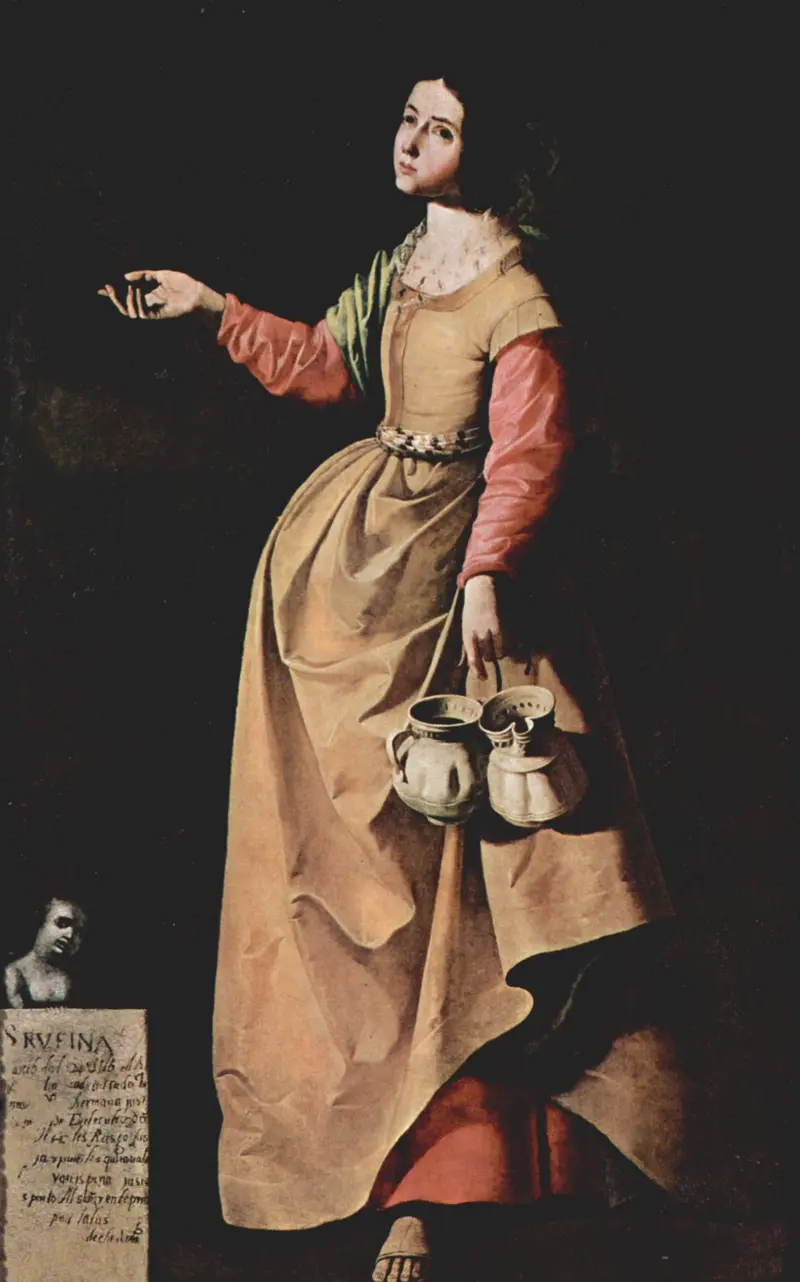
Saint Rufina
Francisco de Zurbarán
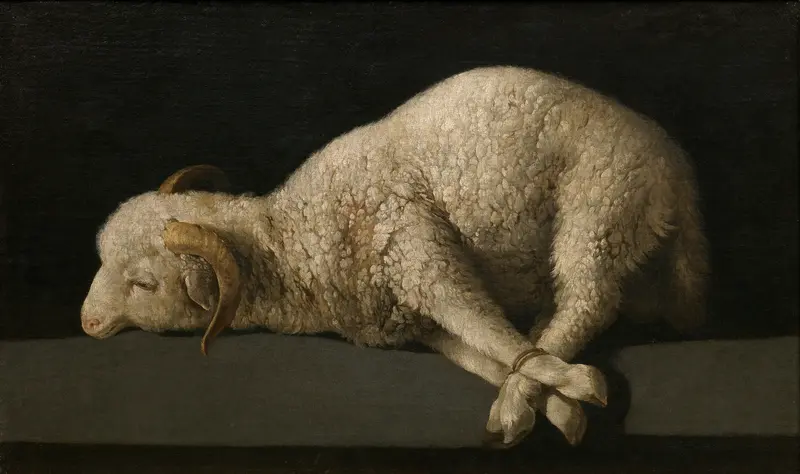
Agnus Dei
Francisco de Zurbarán
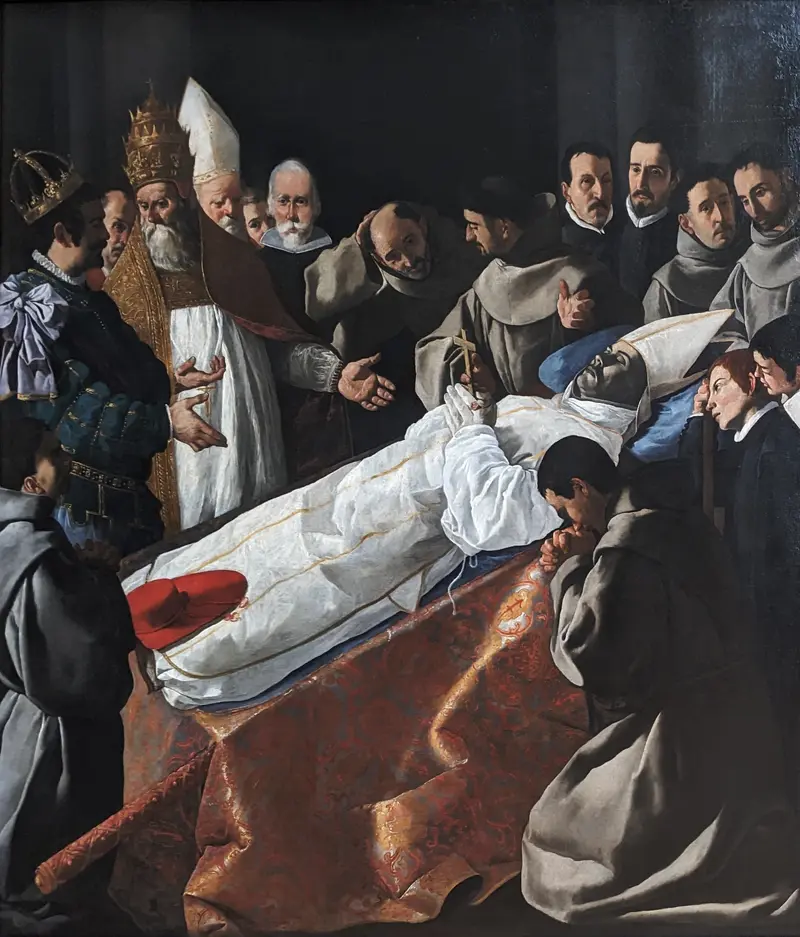
Saint Bonaventure's Body Lying in State
Francisco de Zurbarán
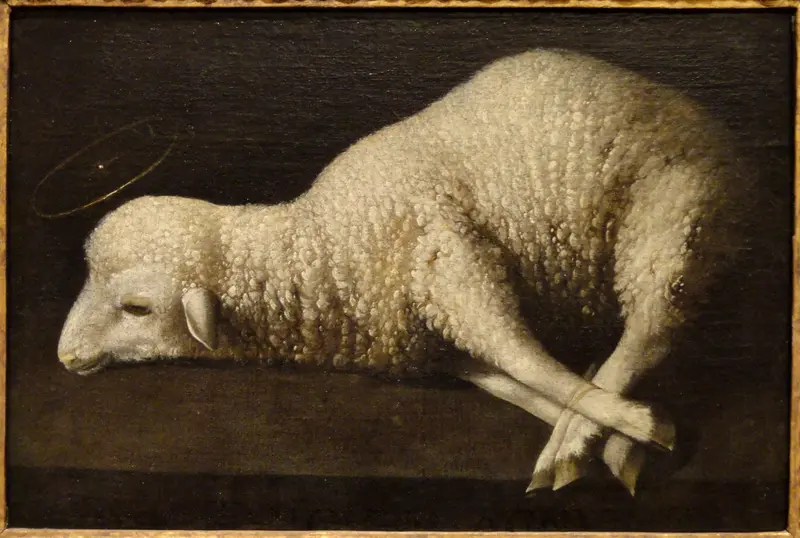
The Lamb of God
Francisco de Zurbarán
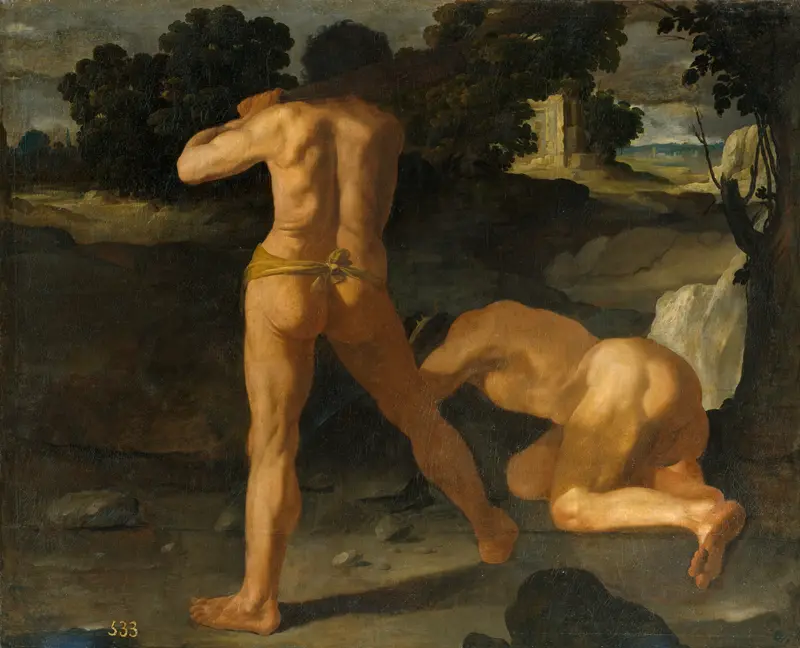
Hercules defeats King Geryon
Francisco de Zurbarán
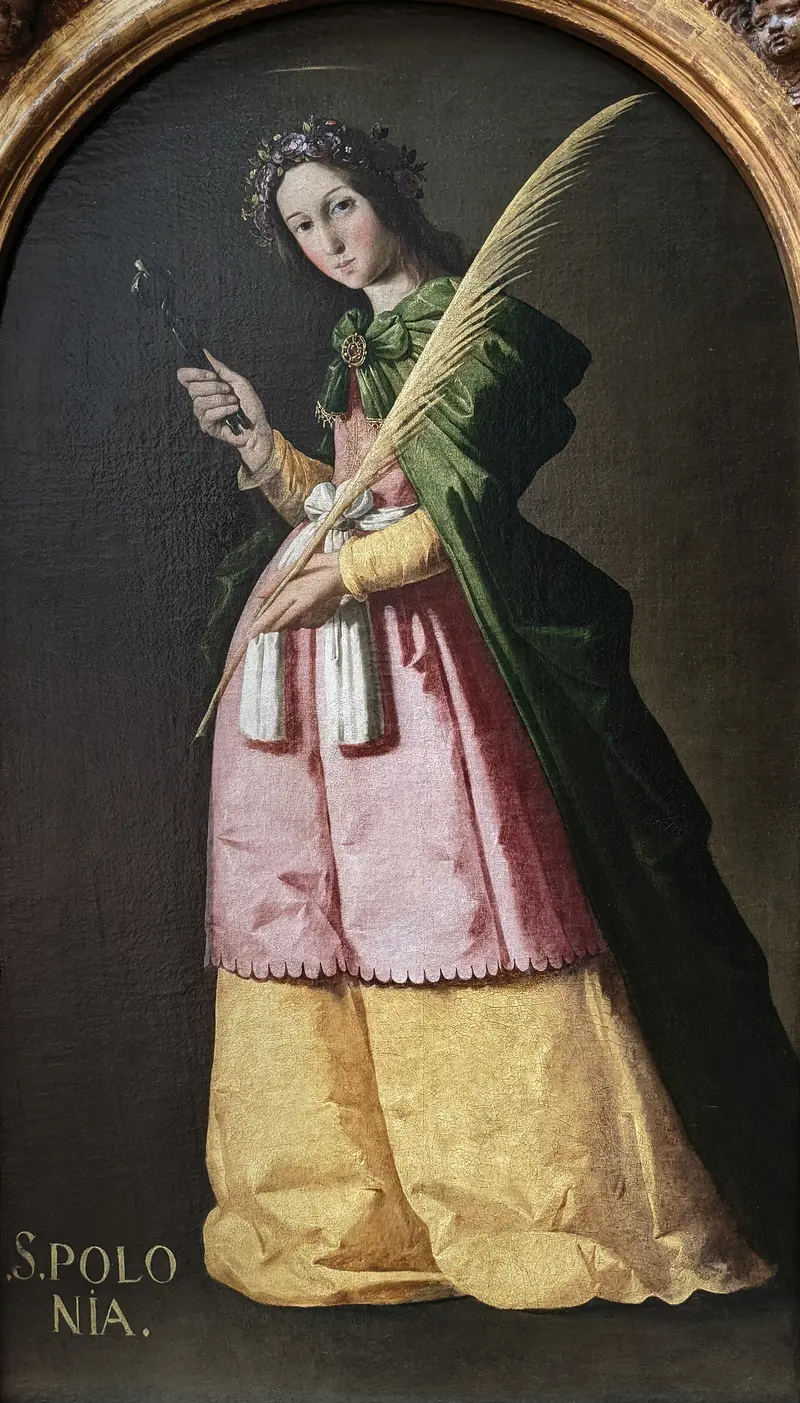
Saint Apollonia
Francisco de Zurbarán
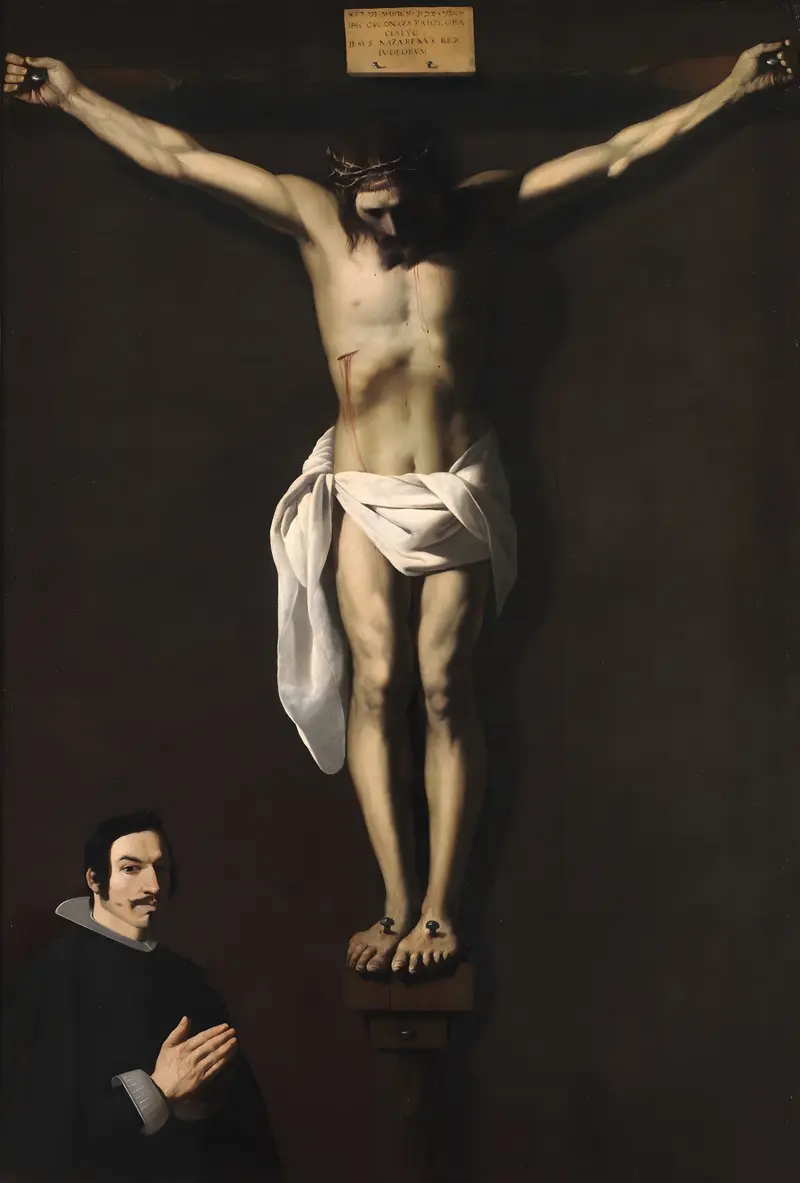
The Crucified Christ with a Donor
Francisco de Zurbarán
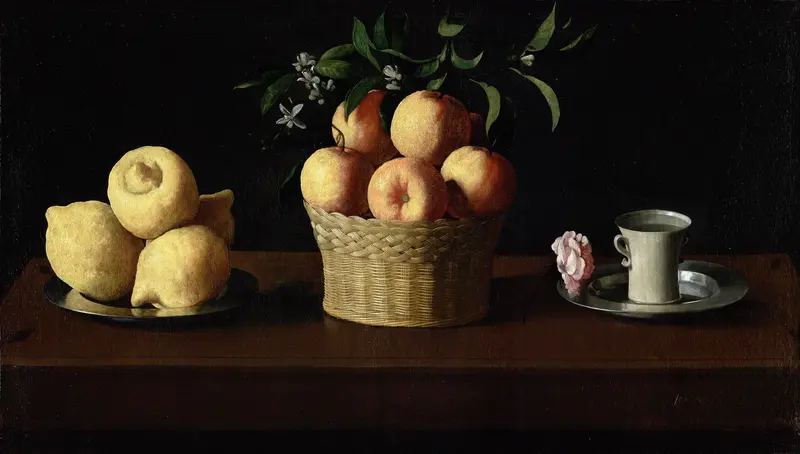
Still Life with Lemons, Oranges and a Rose
Francisco de Zurbarán
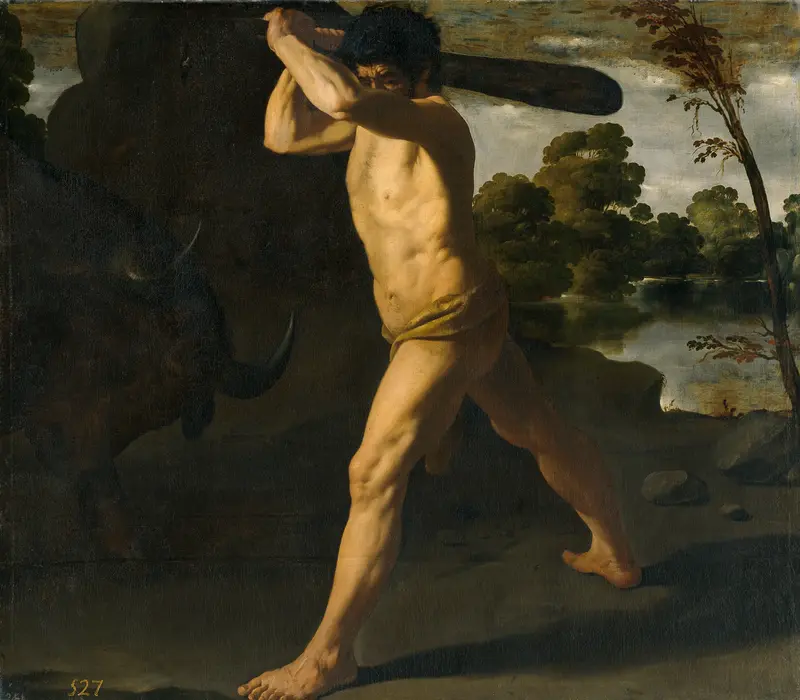
Hercules and the Cretan Bull
Francisco de Zurbarán
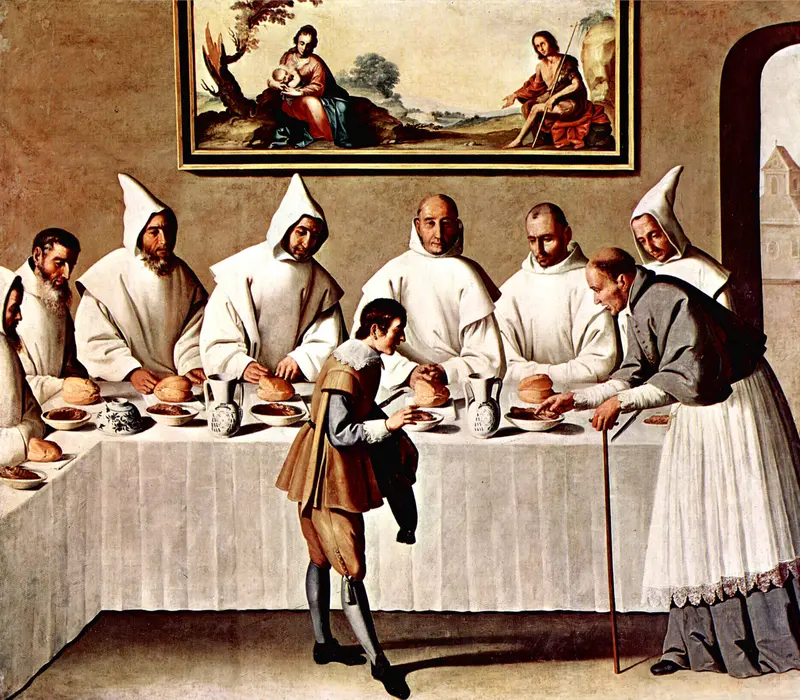
Saint Hugh in the Carthusian Refectory
Francisco de Zurbarán





