
Saint Bonaventure's Body Lying in State — History & Facts
In 1629, the Franciscan Order of Seville commissioned a series of monumental canvases from Francisco de Zurbarán to honor their most illustrious saints, and among them was Saint Bonaventure's Body Lying in State. This painting stands out as the earliest known depiction of the saint’s funeral, a scene that had never before been rendered on such a grand scale. The commission was a significant moment for the young Zurbarán, then only in his early thirties, and it marked his first major public project in Seville, setting the course for his later fame as a leading painter of the Spanish Baroque. The painting captures the solemn aftermath of Saint Bonaventure’s death in 1274 at the Council of Lyon, where the theologian’s body lies serenely on a bier, surrounded by bishops, monks, and dignitaries.
Zurbarán chooses the moment when the council fathers, still robed in white and gold, gather in silent reverence, their faces cast in shadowy contemplation. The luminous white of the saint’s habit draws the eye, a beacon amid the somber browns and blacks of the mourners’ cloaks. Each gesture is deliberate: a hand raised in blessing, a head bowed in prayer, a mitre resting on a bishop’s lap.
Unlike the more theatrical approach of Caravaggio, whose religious scenes pulse with drama, Zurbarán opts for stillness and restraint, allowing the weight of loss and sanctity to settle quietly over the assembly. The painting was originally installed in the Franciscan monastery of San Buenaventura in Seville, where it formed part of a cycle dedicated to the life of the saint. Over the centuries, the monastery suffered damage and dispersal during the Napoleonic invasions and later secularization, and the fate of many works from the cycle remains uncertain. Saint Bonaventure's Body Lying in State was eventually acquired by the Museo del Prado, where it now hangs as a testament to Zurbarán’s early mastery of religious narrative and his ability to give spiritual weight to the simplest gestures.
This painting marks a turning point in his career, foreshadowing the meditative intensity that would define his later works.
More Artworks by Francisco de Zurbarán
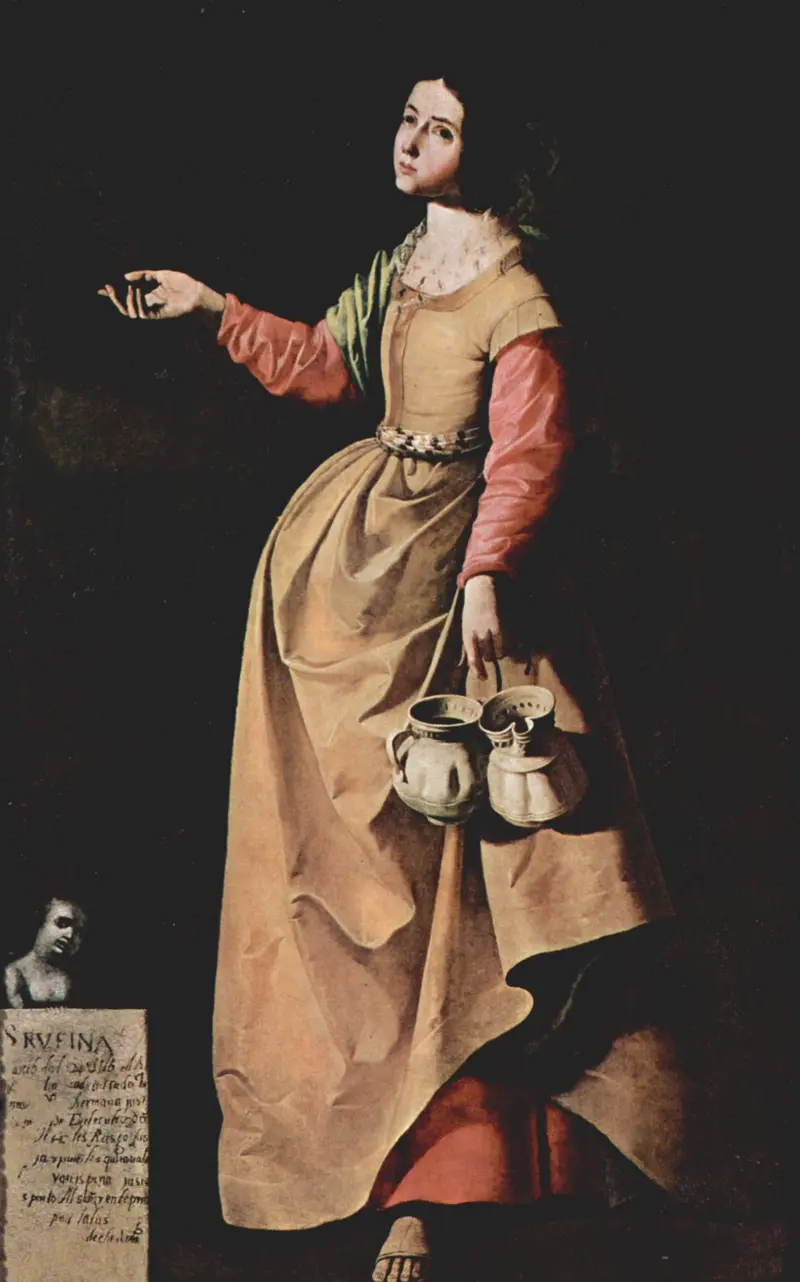
Saint Rufina
Francisco de Zurbarán
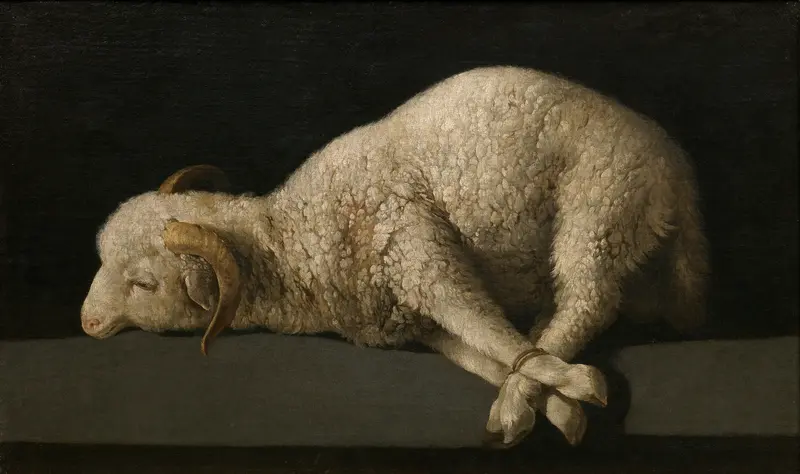
Agnus Dei
Francisco de Zurbarán
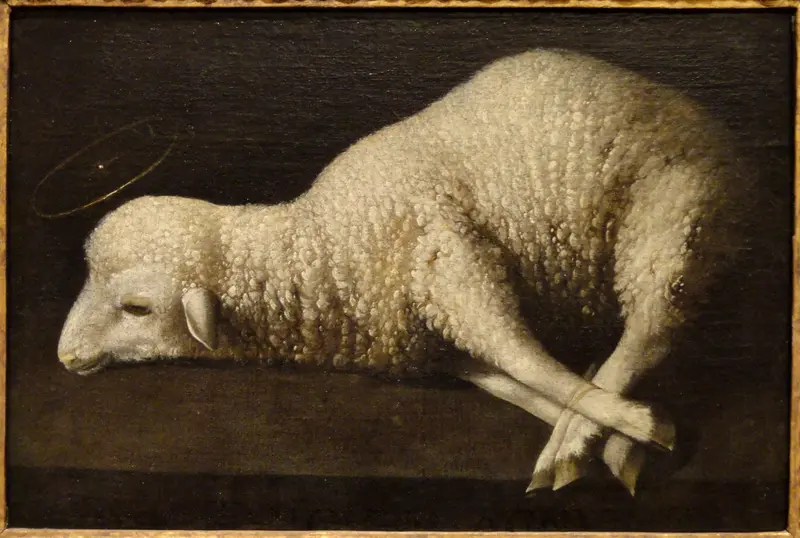
The Lamb of God
Francisco de Zurbarán

Adoration of the Magi
Francisco de Zurbarán
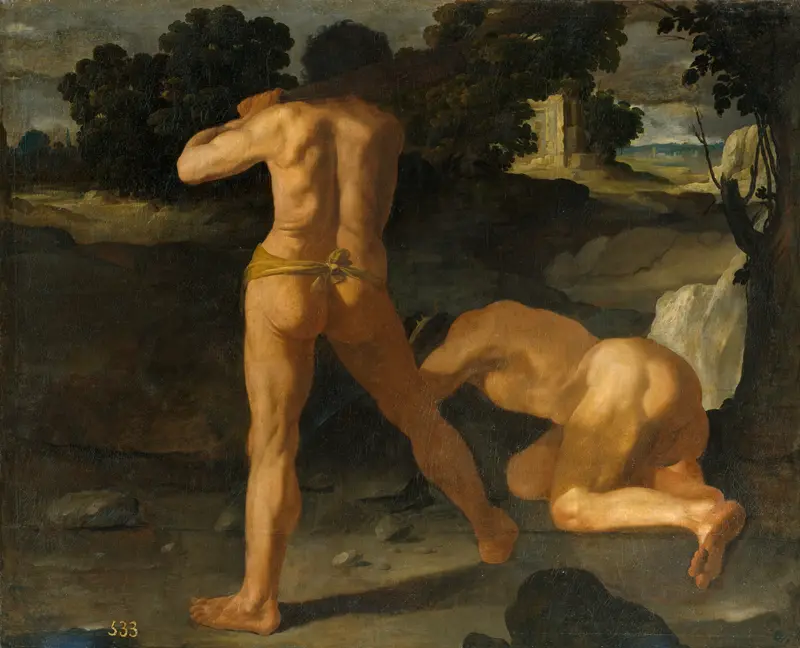
Hercules defeats King Geryon
Francisco de Zurbarán
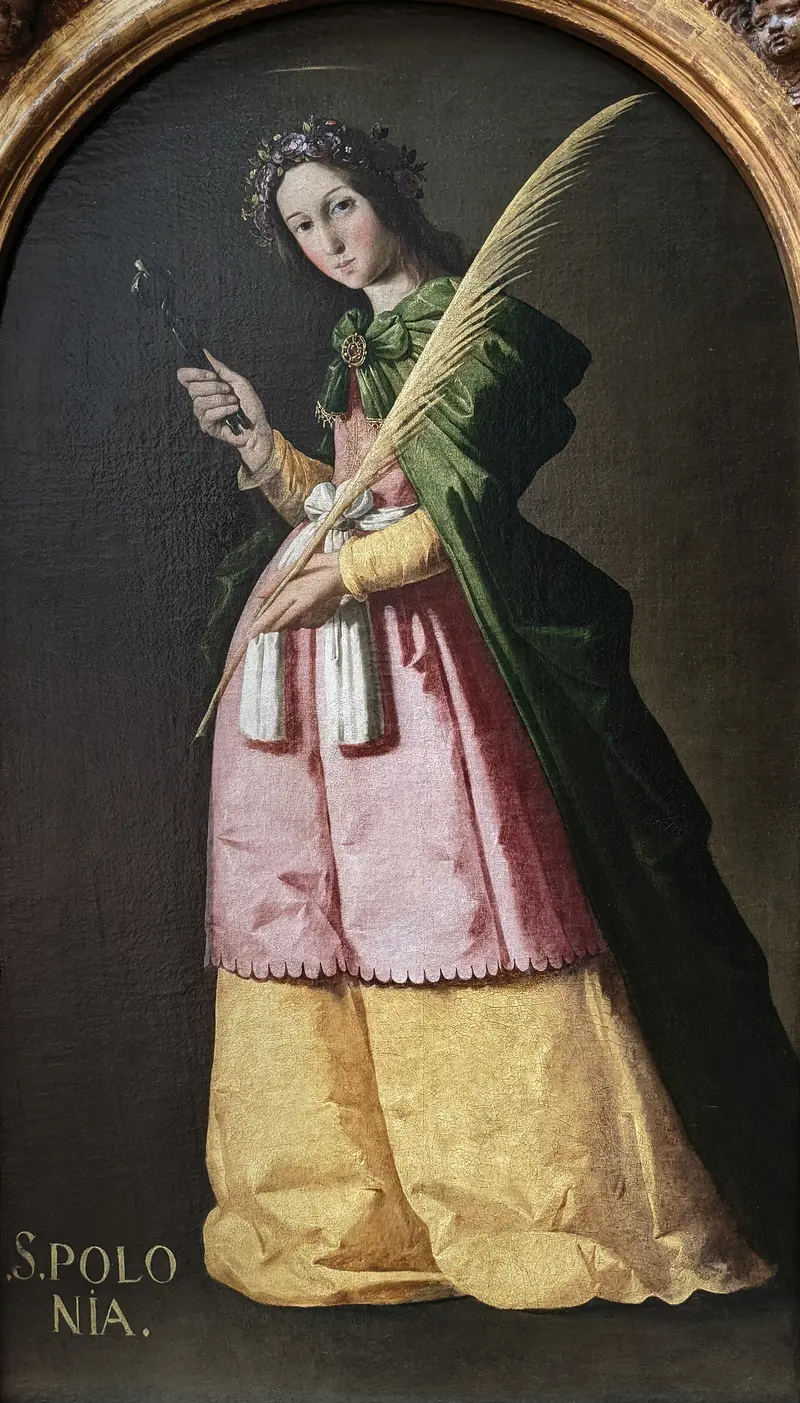
Saint Apollonia
Francisco de Zurbarán
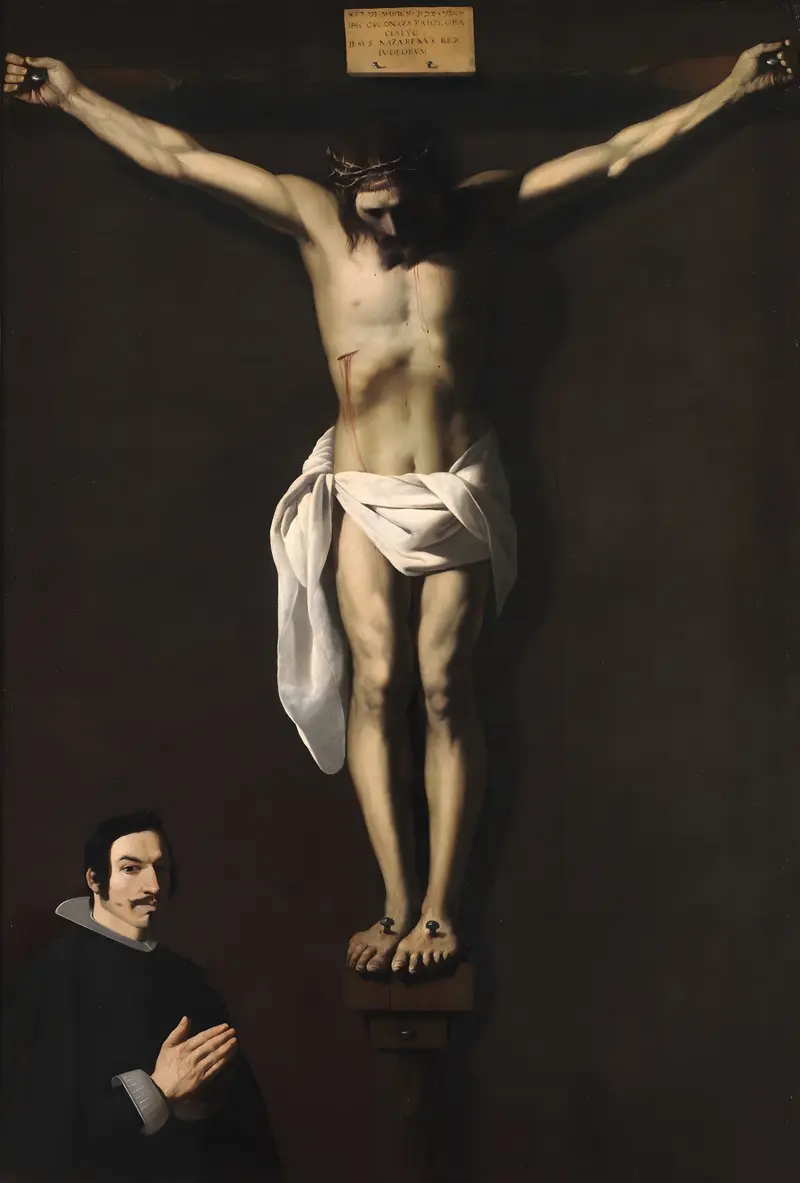
The Crucified Christ with a Donor
Francisco de Zurbarán
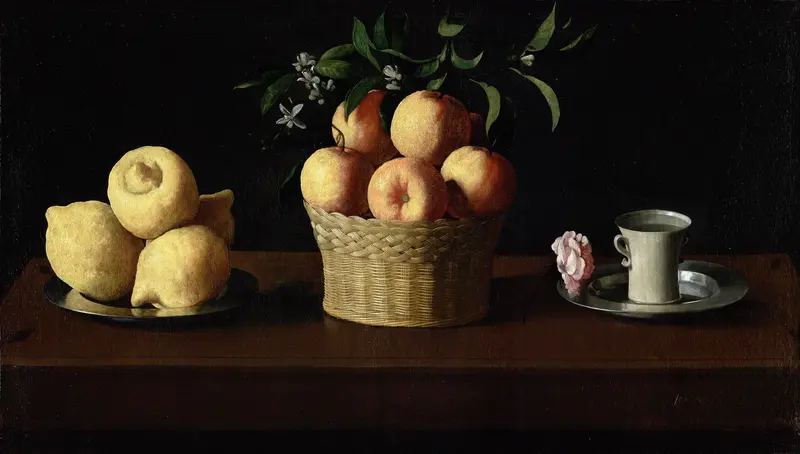
Still Life with Lemons, Oranges and a Rose
Francisco de Zurbarán
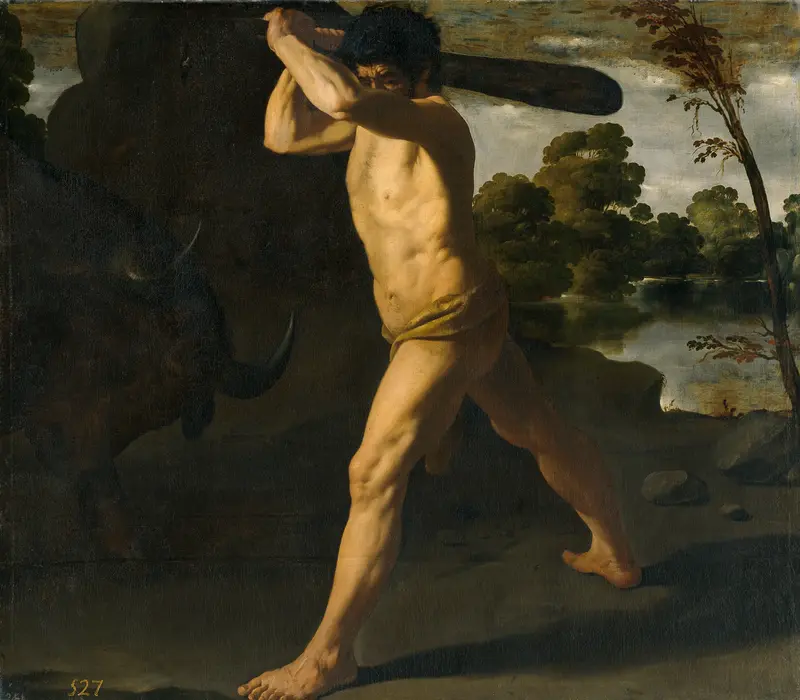
Hercules and the Cretan Bull
Francisco de Zurbarán
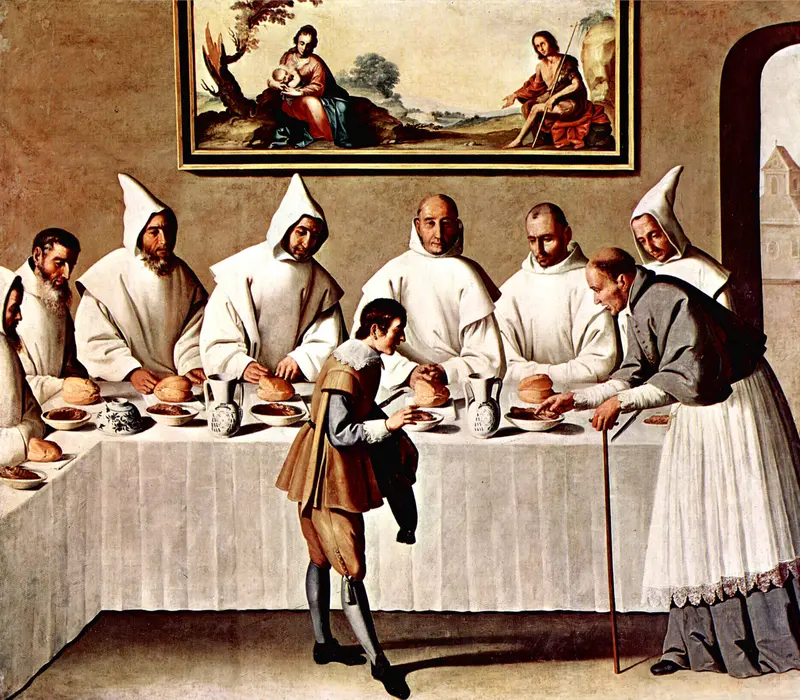
Saint Hugh in the Carthusian Refectory
Francisco de Zurbarán





