
Saint Rufina — History & Facts
When Francisco de Zurbarán painted Saint Rufina in 1637, he was responding to a unique commission from the guild of potters in Seville, who venerated Rufina as their patron saint. The city’s devotion to this young martyr was so strong that Zurbarán painted her likeness at least three times, each version subtly different, reflecting the fierce pride of Seville’s artisans. The painting now in the Museo del Prado is the most celebrated, and in the 18th century, it was even mistaken for a portrait of a Sevillian noblewoman—testament to the vivid realism Zurbarán achieved. Zurbarán captures Saint Rufina at the moment of her quiet defiance, moments before her martyrdom in 287 AD for refusing to renounce her Christian faith.
Dressed in simple, luminous garments and holding a clay jug—the emblem of her trade—she stands alone, her gaze steady and composed. The broken pottery at her feet alludes to both her occupation and the instruments of her persecution, while the palm branch in her hand signals her coming martyrdom. Unlike the more dramatic, emotional depictions of saints by El Greco, Zurbarán’s Rufina is calm and steadfast, her sanctity rendered through stillness and clarity rather than movement or ecstasy. The exact journey of this painting through the centuries is not fully documented, but it is known that Saint Rufina was created during Zurbarán’s most prolific period, when he was the leading painter of religious images for Seville’s churches and guilds.
Its style—marked by stark contrasts of light and shadow and a focus on humble, everyday objects—would become a hallmark of the Spanish Baroque. Today, the painting hangs in the Museo del Prado, where it stands as a testament to both the faith of Seville’s potters and the unique vision of Zurbarán, who gave their patron saint a face both human and heroic.
More Artworks by Francisco de Zurbarán
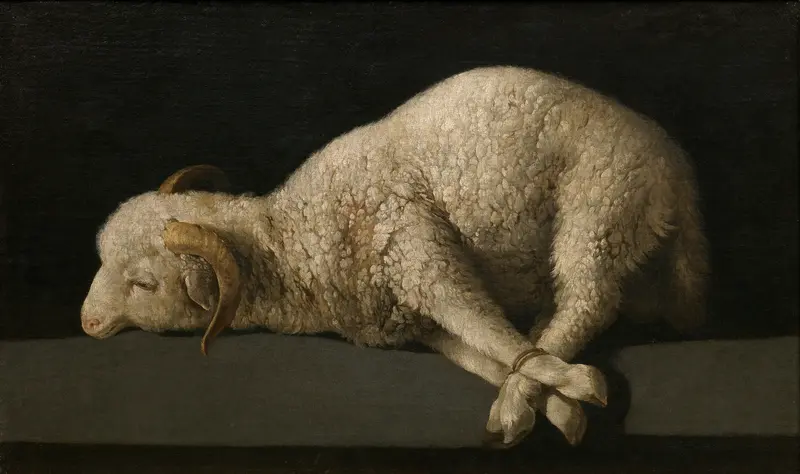
Agnus Dei
Francisco de Zurbarán
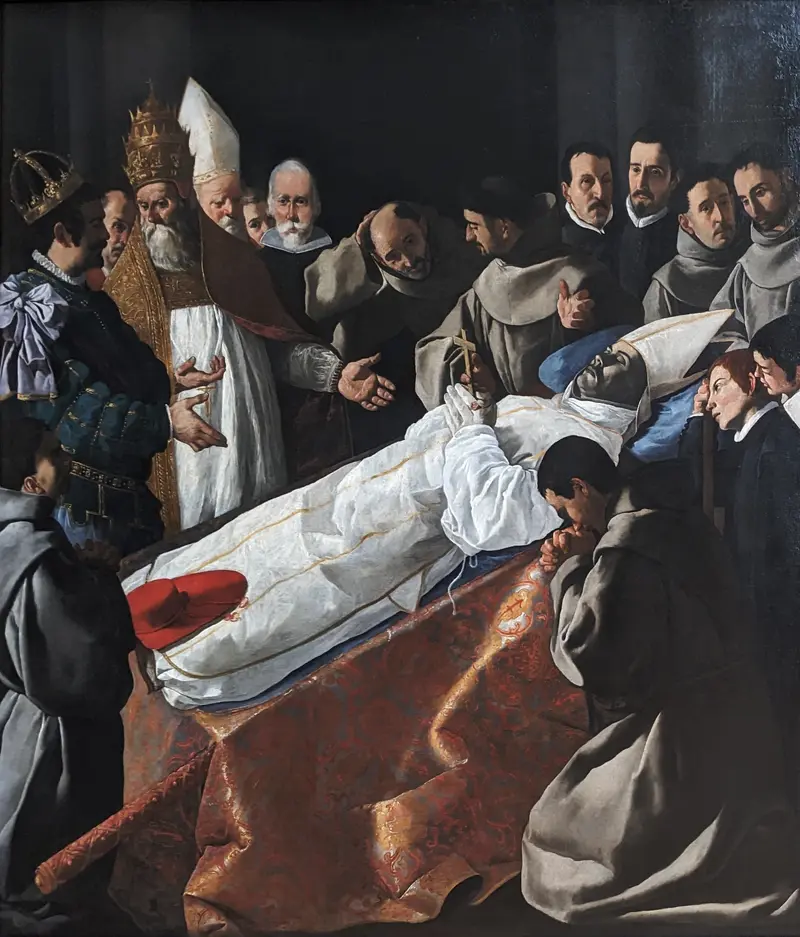
Saint Bonaventure's Body Lying in State
Francisco de Zurbarán
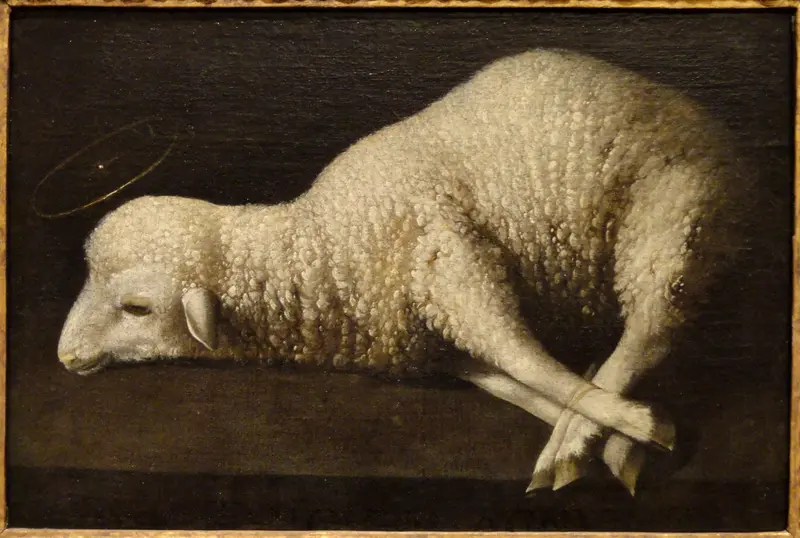
The Lamb of God
Francisco de Zurbarán

Adoration of the Magi
Francisco de Zurbarán
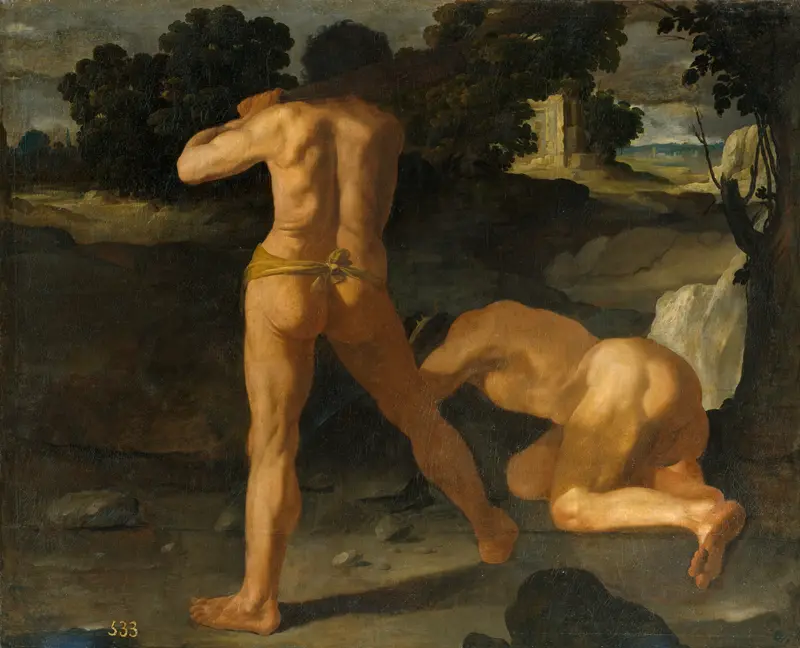
Hercules defeats King Geryon
Francisco de Zurbarán
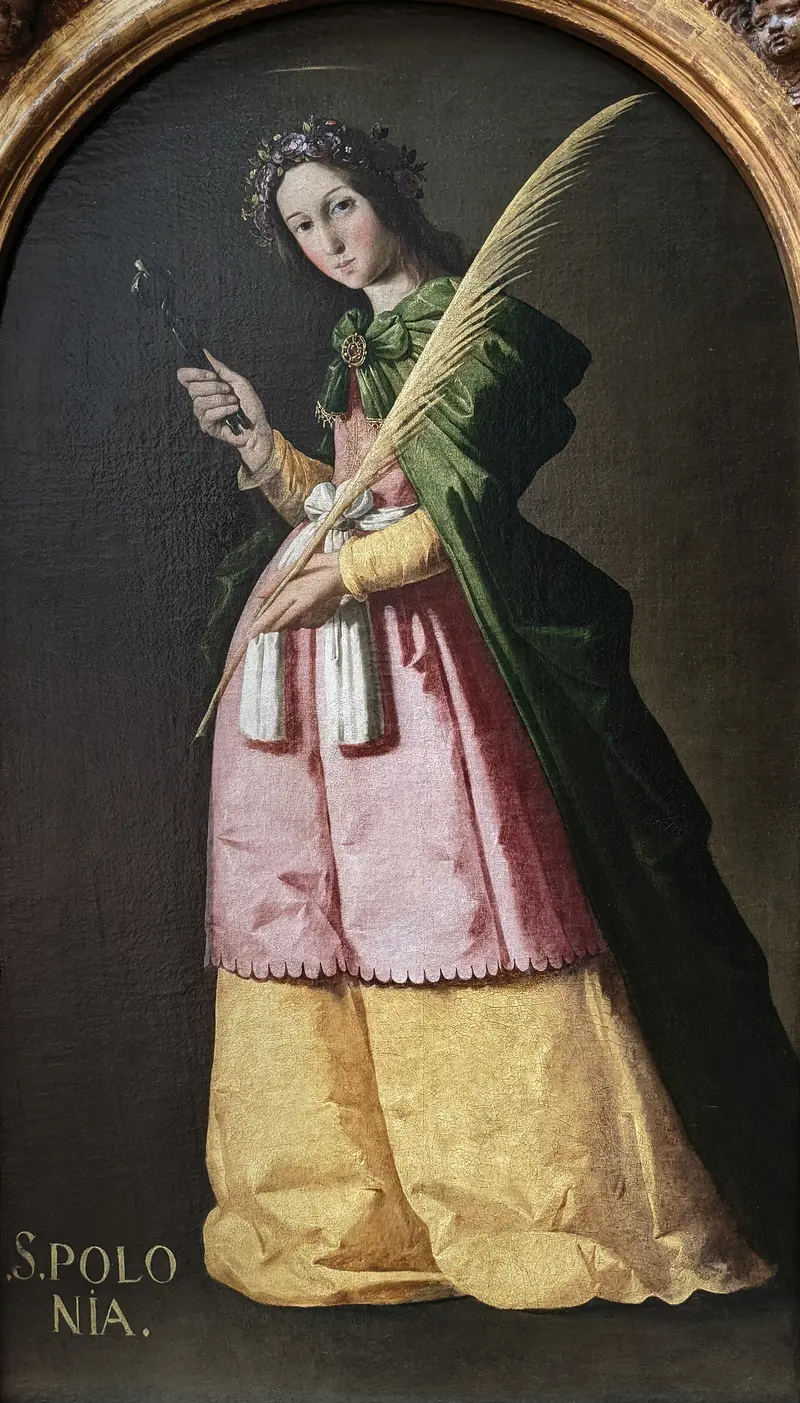
Saint Apollonia
Francisco de Zurbarán
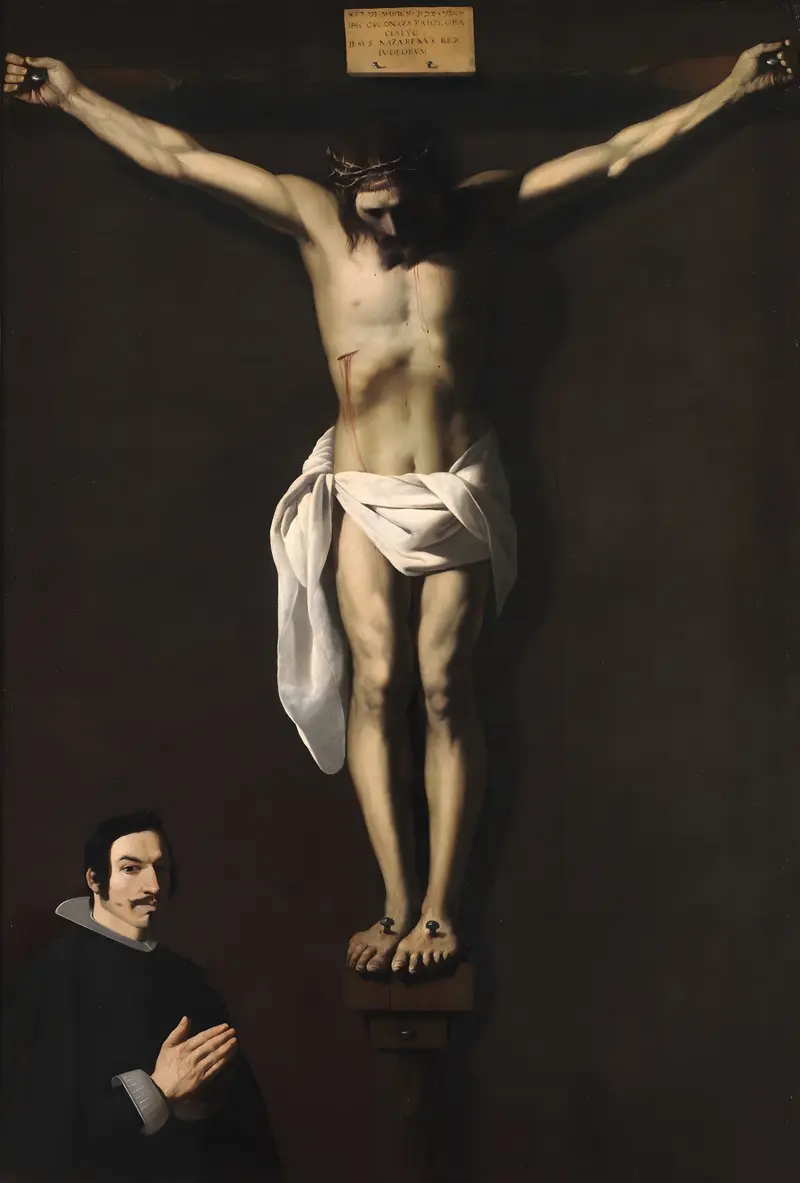
The Crucified Christ with a Donor
Francisco de Zurbarán
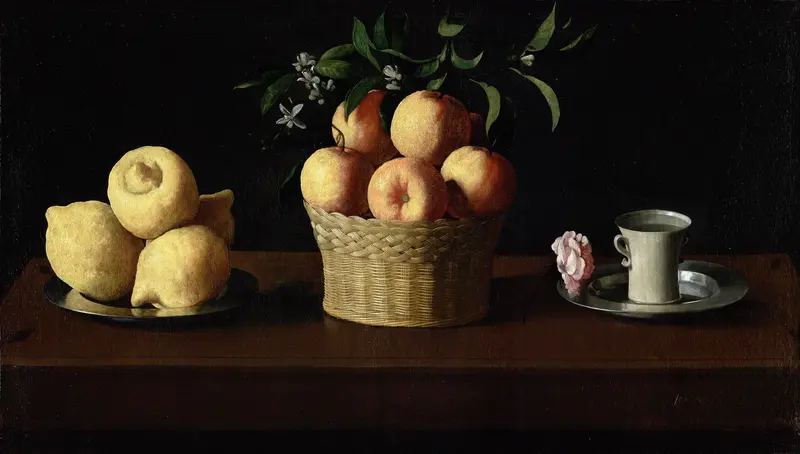
Still Life with Lemons, Oranges and a Rose
Francisco de Zurbarán
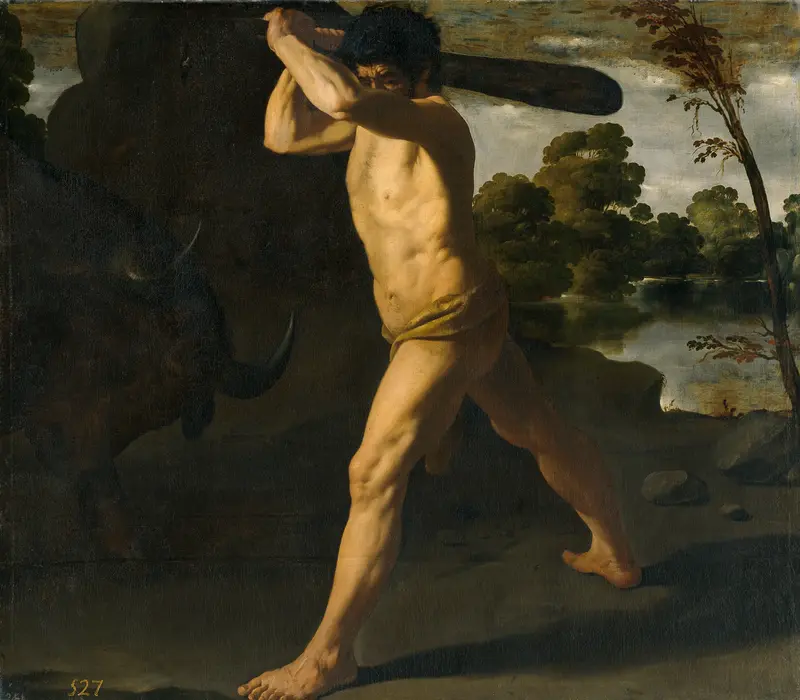
Hercules and the Cretan Bull
Francisco de Zurbarán
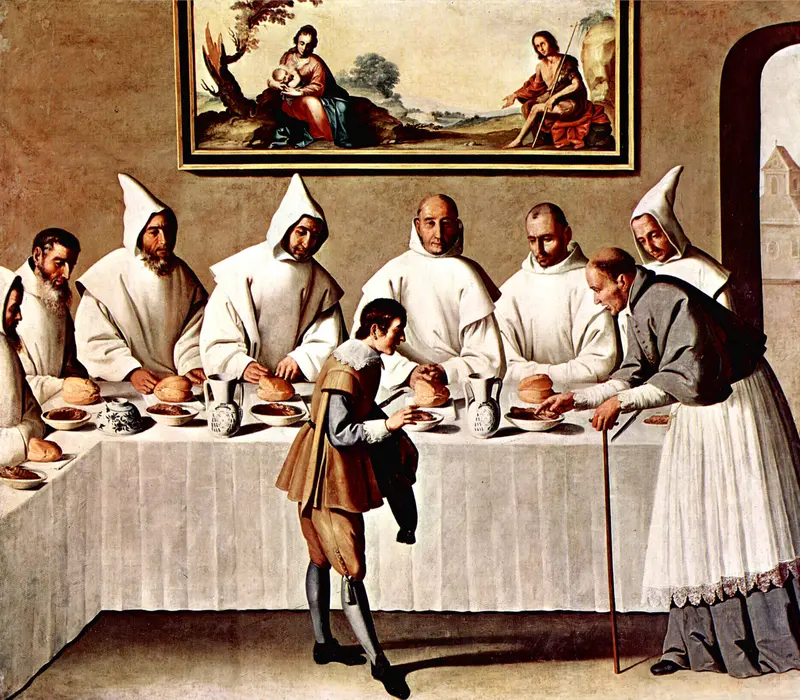
Saint Hugh in the Carthusian Refectory
Francisco de Zurbarán





