A Cutter in a Strong Breeze — History & Analysis
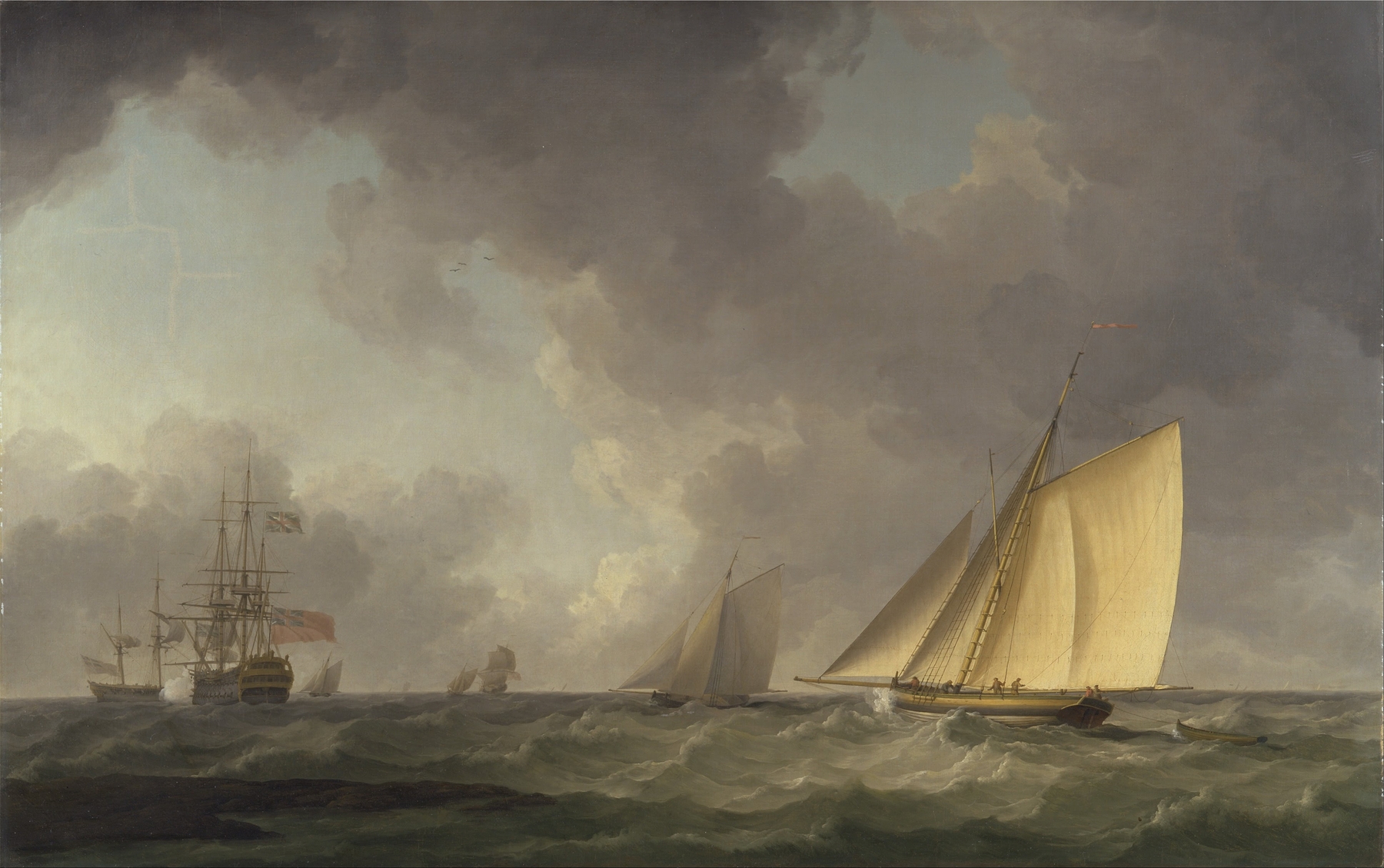
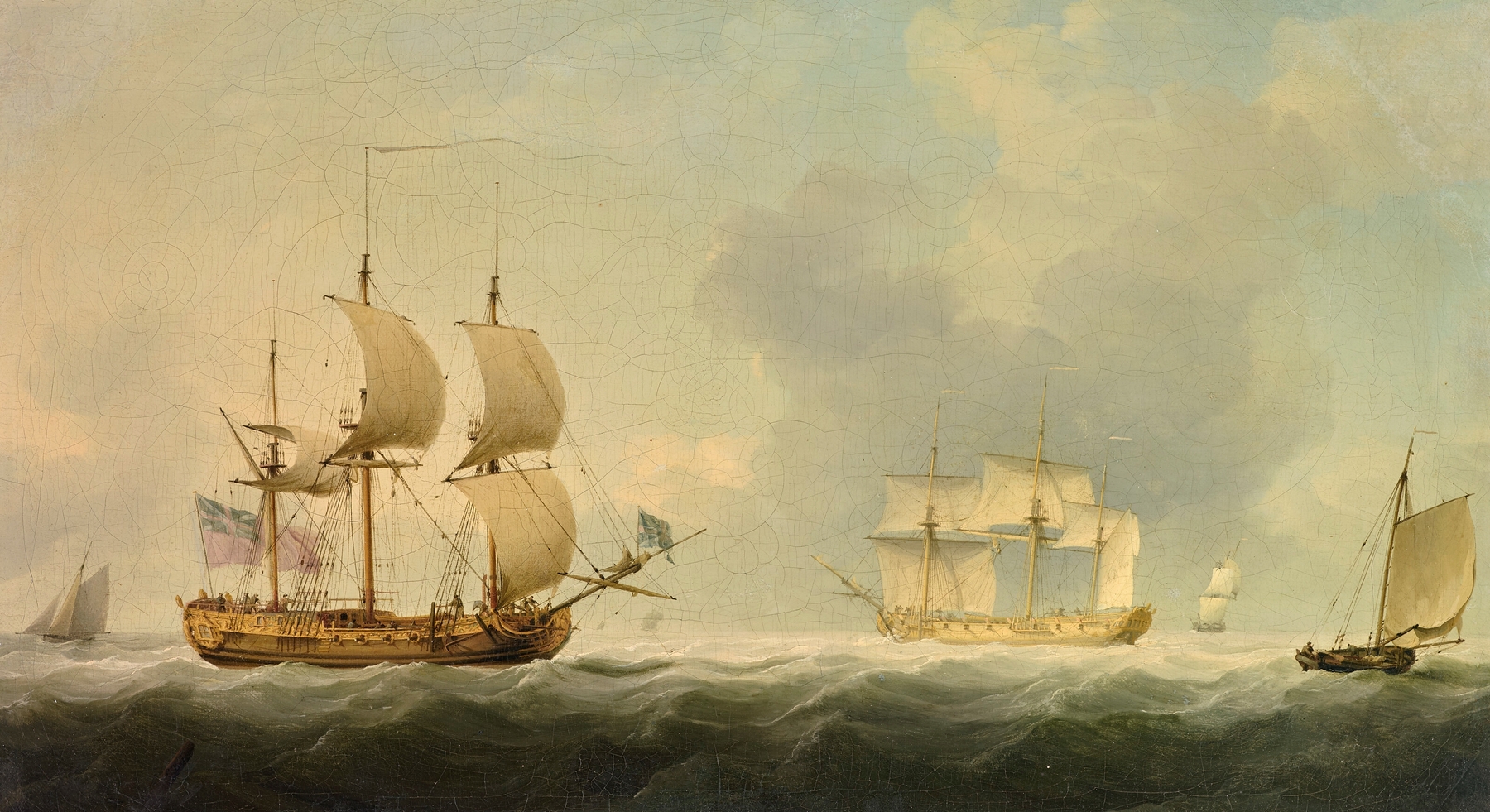
“The canvas doesn’t lie — it simply waits.” In the emptiness of a vast sea, one can hear the whispers of the wind, calling forth stories untold. It is in this stillness that we confront our own solitude, standing at the edge of a boundless horizon. Look to the center of the canvas, where the cutter glides through tumultuous waves, sails taut with the power of the wind. The painter’s deft brushwork brings movement to the water, swirling shades of blue and green, punctuated by frothy whites that seem to leap off the surface. Notice how the sun filters through the clouds, casting a silvery light that dances across the scene, illuminating the sails against the darkened stormy backdrop.
This contrast reveals not only the craft’s defiance against nature but also the vulnerability present in its lone journey. Amidst the dynamic interplay of sea and sky lies a profound sense of isolation. The cutter, though spirited and proud, is dwarfed by the expansive waves, evoking a melancholy that lingers in the soul. The stark emptiness surrounding the vessel invites reflections on human resilience and the relentless pursuit of freedom in the face of nature’s might.
Here, the artist captures both the thrill of adventure and the haunting solitude that comes with it, giving viewers a space to contemplate their own place within the vastness. In 1750, while painting this piece, Brooking was immersed in the thriving maritime culture of England, reflecting the age of exploration and the burgeoning interest in nautical themes. As a significant figure in the field of marine painting, he was keenly aware of the tension between man and nature, a theme that resonated with the changing tides of society and art during his time. The work stands as a testament to both his technical skill and the emotional depth of the maritime experience he sought to convey.