
A Distant View Of The Citadel, Corfu — History & Facts
Art reveals the soul when the world turns away. In a single glance, the delicate balance between nature and architecture beckons us to pause and reflect on what remains untouched by time. Look to the left where the rugged coastline meets the sea, its azure waves dancing under a warm sun. Notice the gentle rise of the citadel, steadfast and proud, commanding attention with its muted earth tones contrasting against the vibrant blues and greens surrounding it.
The artist's keen eye for detail is evident in the intricate brushwork of the foliage, which sways with a soft breeze, while wisps of clouds float lazily above, framing the citadel in a serene embrace. Delve deeper into the interplay of light and shadow that underscores the scene’s tranquility. The distant mountains, barely visible, hint at a world both expansive and confined, a metaphor for the duality of existence. This composition evokes a sense of longing and peace, reminding the viewer of the delicate equilibrium between human achievement and the natural world—a theme that resonates with the emotional heart of the piece. During the time when this work was created, Edward Lear was living in a period marked by burgeoning interest in landscape painting, particularly in the Romantic tradition.
Surrounded by the beauty of Corfu, he captured the essence of his environment, reflecting both personal exploration and the broader artistic movements influencing his contemporaries. This painting, though undated, embodies his unique vision as a traveler and observer, merging art with the timelessness of nature.
More Artworks by Edward Lear
Browse all →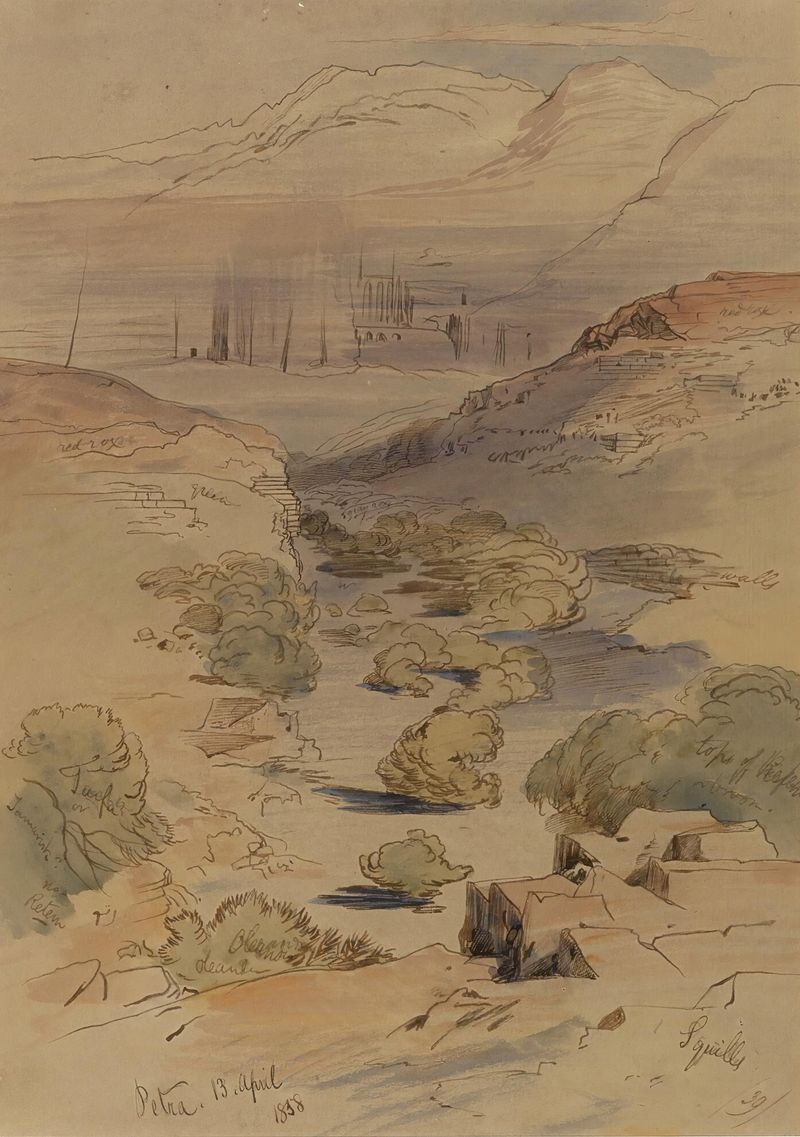
Petra
Edward Lear
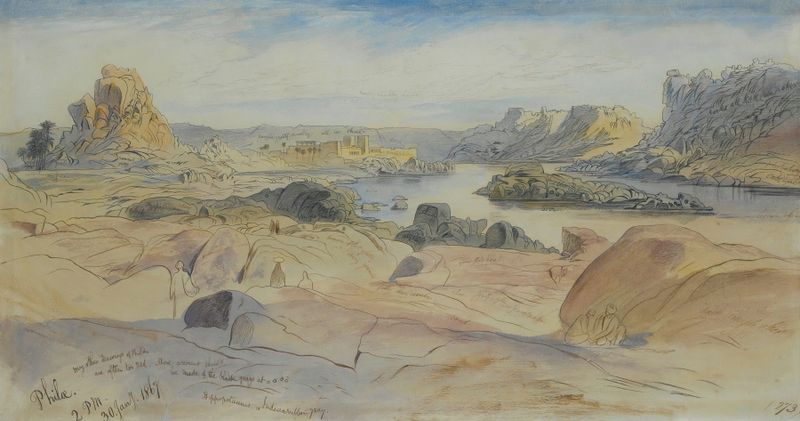
Philae, Egypt
Edward Lear
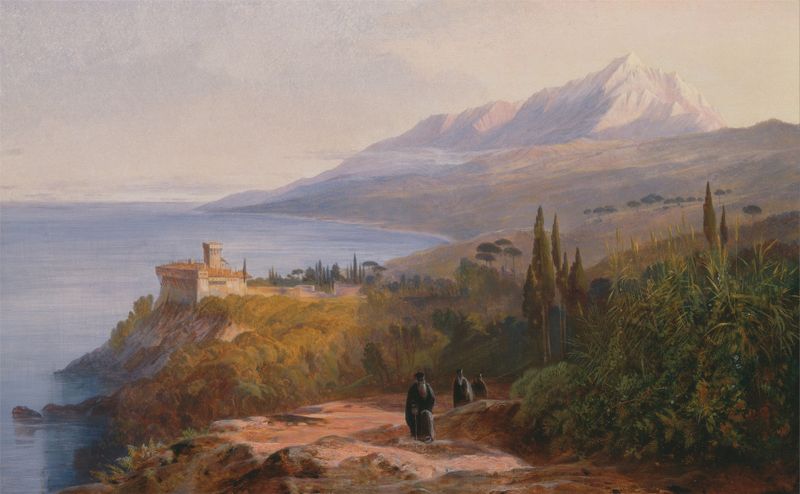
Mount Athos and the Monastery of Stavronikétes
Edward Lear
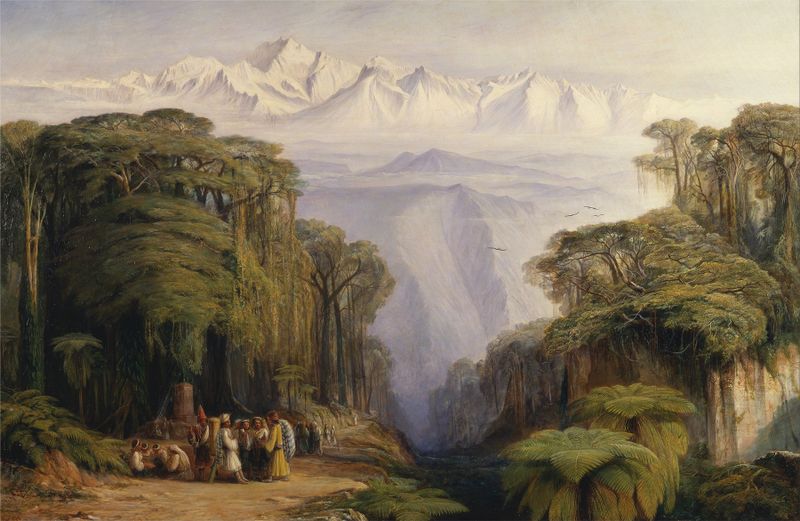
Kangchenjunga from Darjeeling
Edward Lear
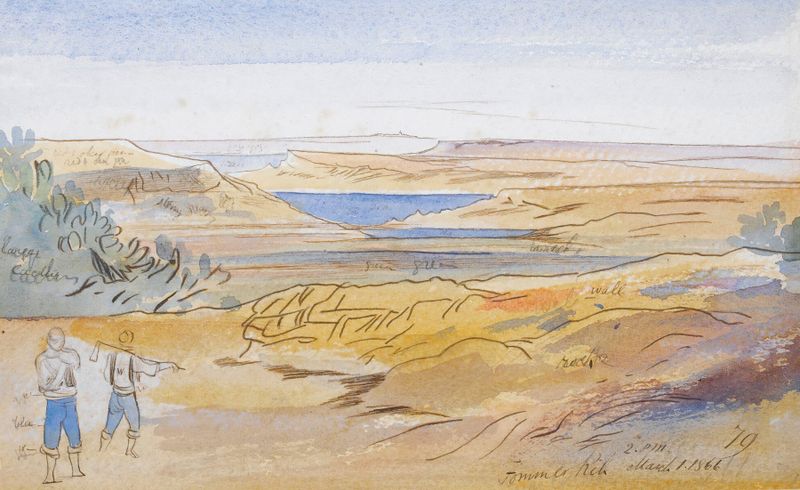
Fomm Ir-Rih, Malta
Edward Lear
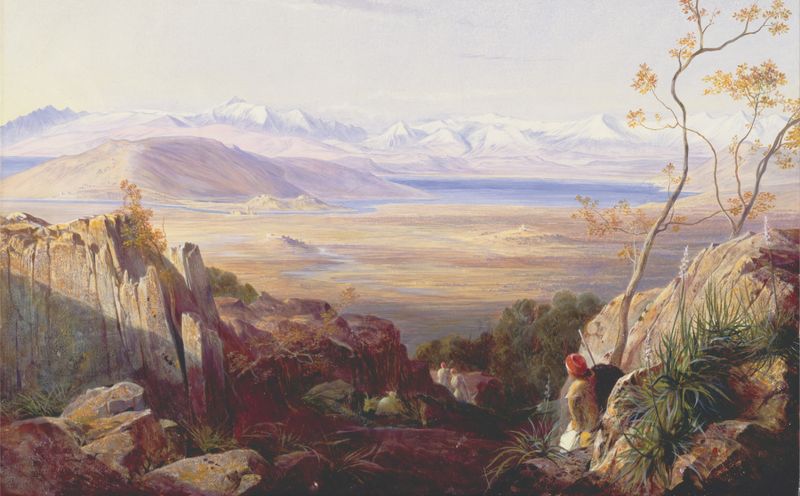
Butrinto, Albania
Edward Lear
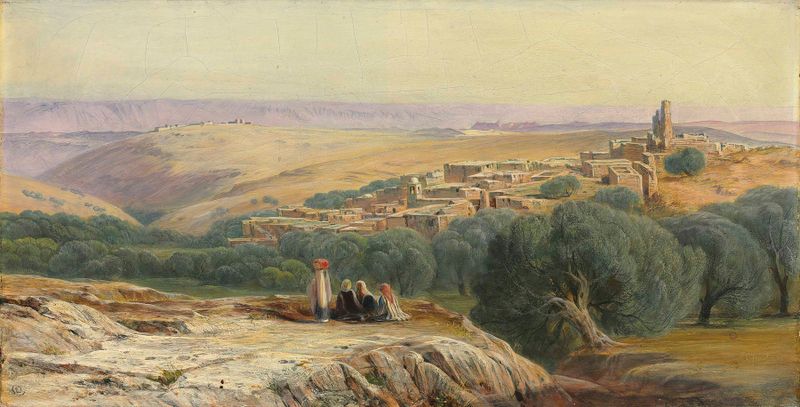
The Plains of Bethany
Edward Lear

Karnak, 9-30 pm, 22 January 1867
Edward Lear
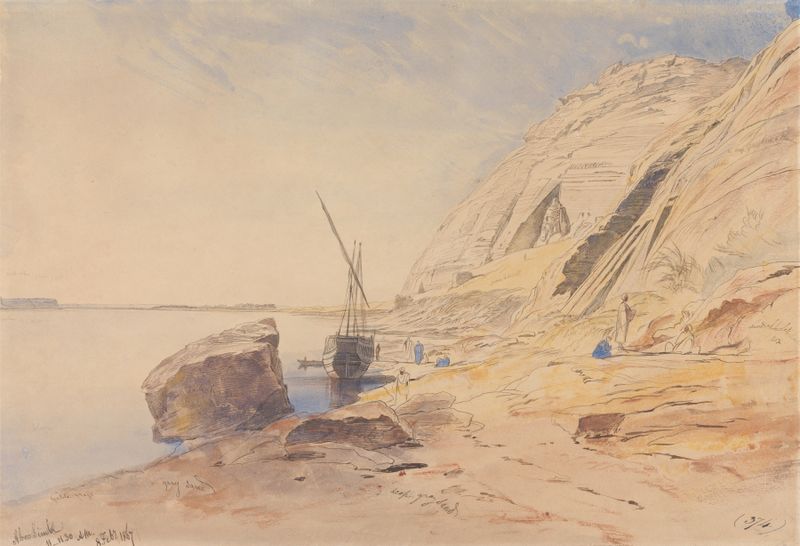
Abu Simbel, 11-11;30 am, 8 February 1867 (374)
Edward Lear

A View Of Mount Athos And The Pantokrator Monastery, Greece
Edward Lear





