
A Dutch flute and other vessels off Rotterdam — History & Facts
Flags snap in the wind above a broad-shouldered Dutch flute, its hull riding the restless water just off the low horizon of Rotterdam. The painter, Abraham Salm, has chosen a moment of poised movement: the main vessel dominates, its sails furled as if pausing before a journey or just returned, while smaller boats dart across the choppy foreground. The eye is drawn first to the intricate rigging and the proud banners, then outwards to the distant, misty suggestion of a city’s silhouette—Rotterdam itself, barely more than a whisper on the horizon.
Every line of the ship’s timbers and every ripple of the water is rendered with a quiet precision, inviting us to imagine the lives and ambitions that fill these decks and harbours. Works like this belong to the world of seventeenth-century Dutch marine painting, a genre that flourished as the Dutch Republic rose to maritime power. Such images were not only celebrations of naval strength and commercial reach, but also tokens of civic pride for prosperous cities like Rotterdam. Collectors—often merchants or shipowners—commissioned these scenes to commemorate voyages, vessels, or simply to bring the drama of the sea into their homes.
Little is recorded about this particular painting beyond its presence in the Art UK collection, and its date and medium remain unknown. Yet, in its quiet detail and the sweep of its horizon, it still carries the pulse of an age when the world seemed to open outward from every Dutch port.
More Artworks by Abraham Salm
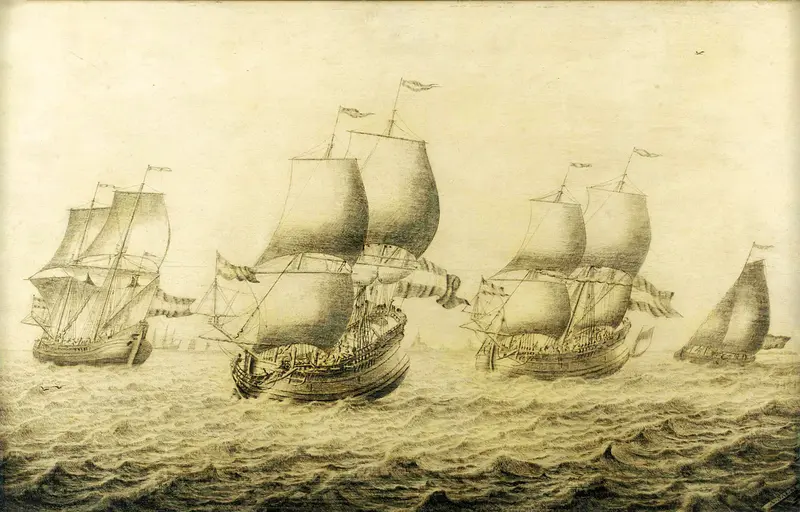
A Fleet of Whalers
Abraham Salm
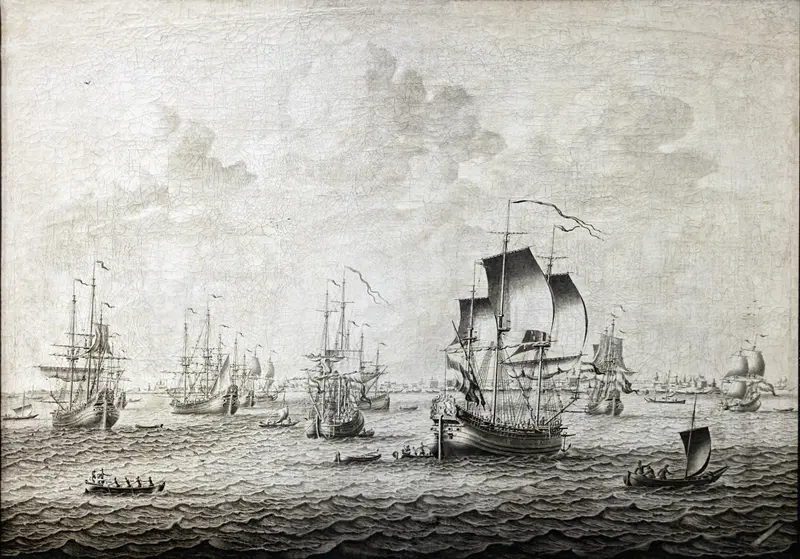
Marine with calm Sea
Abraham Salm
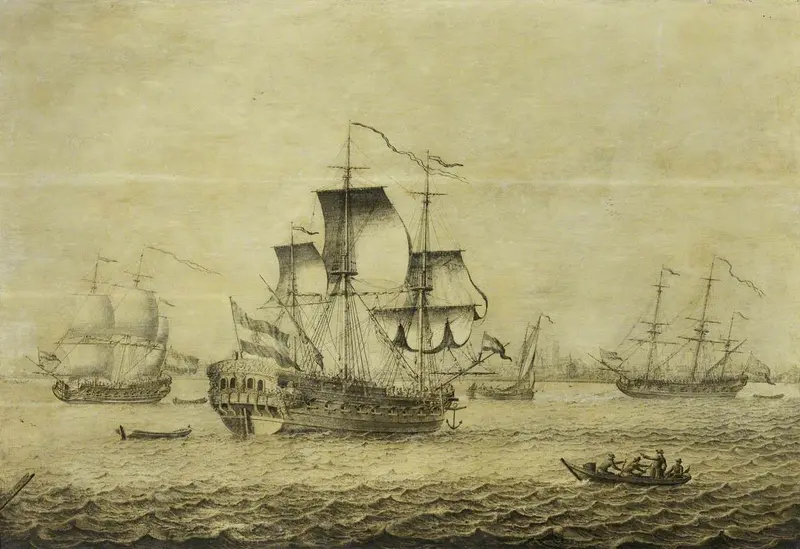
A Dutch frigate off Rotterdam
Abraham Salm

A DUTCH MAN-OF-WAR WITH A FLOTILLA OF FISHING BOATS AND OTHER SHIPS: A PENSCHILDERIJ
Abraham Salm
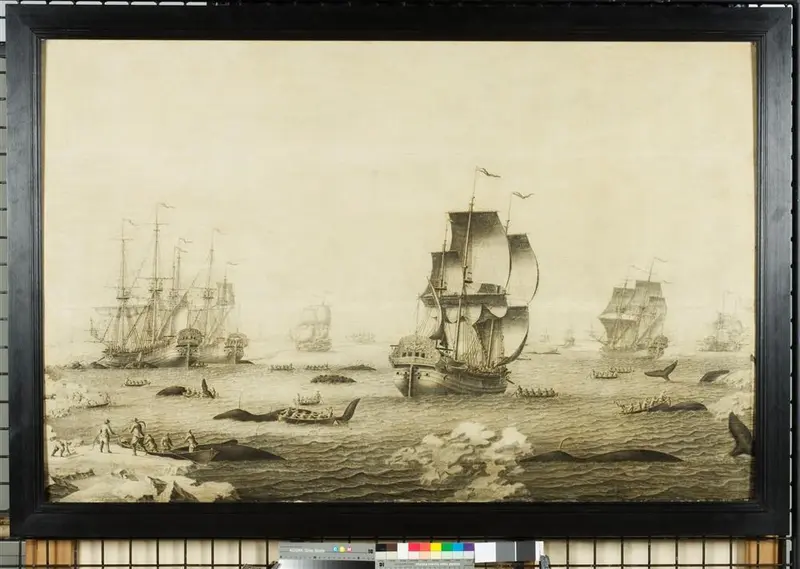
Adriaen Cornelisz (van der) Salm Walvisvaarders in bedrijf P1293 Maritime Museum Rotterdam
Abraham Salm
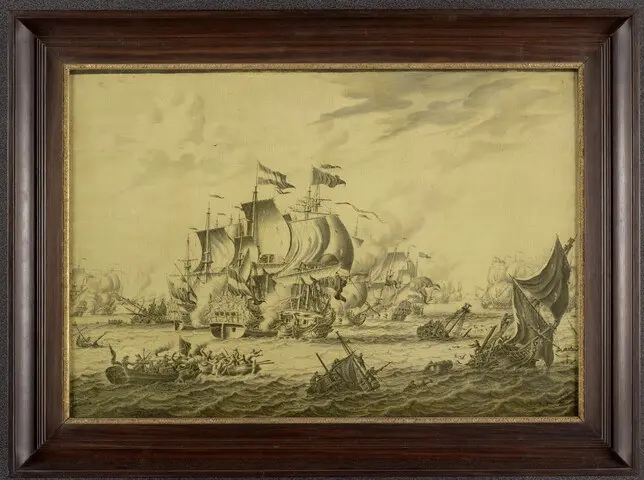
Adriaen Cornelisz. van Salm Een zeegevecht tussen Nederlandse, Engelse, en Franse oorlogsschepen A.2766 Het Scheepvaartmuseum
Abraham Salm
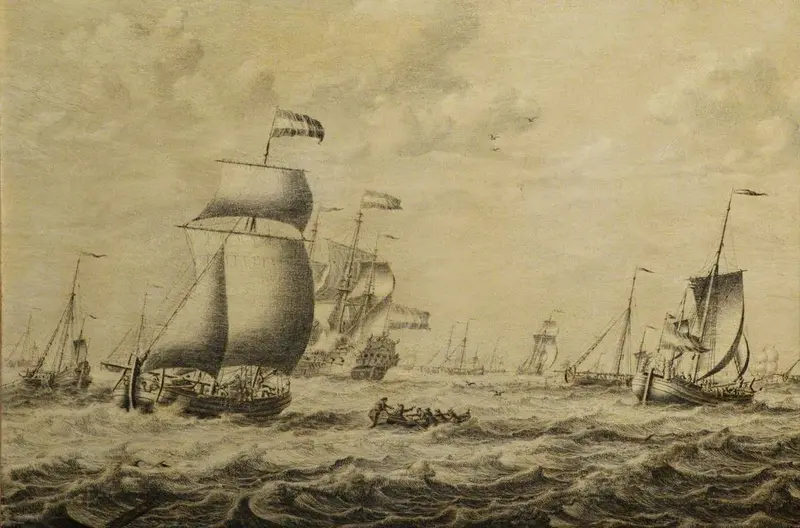
Dutch herring fishery
Abraham Salm
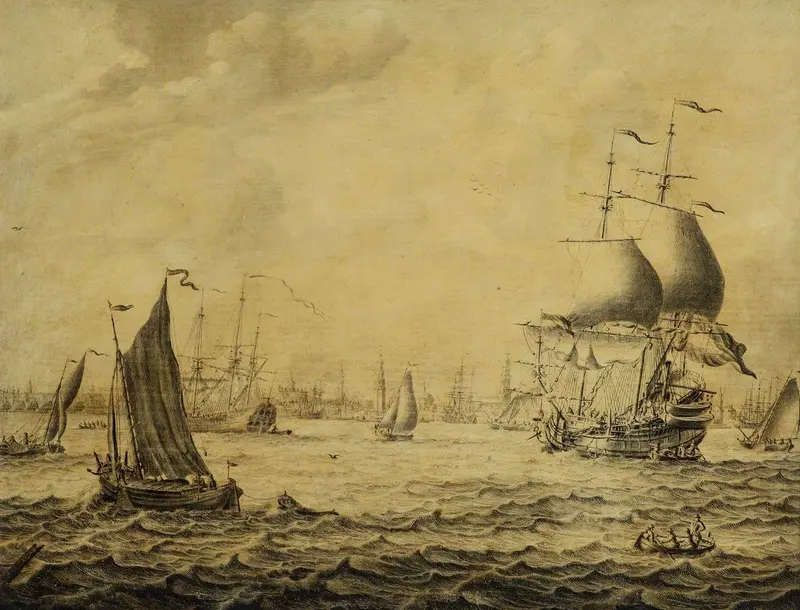
Dutch merchantmen and small craft in a roadstead
Abraham Salm
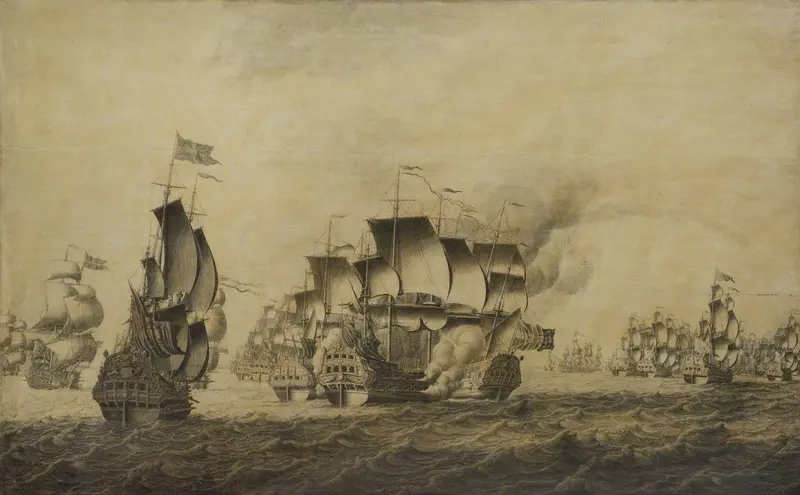
Forbin's Attempt Against Scotland, 13 March
Abraham Salm

Abraham van Salm Een walvisvaarder en twee fluitschepen A.4152 Het Scheepvaartmuseum
Abraham Salm





